
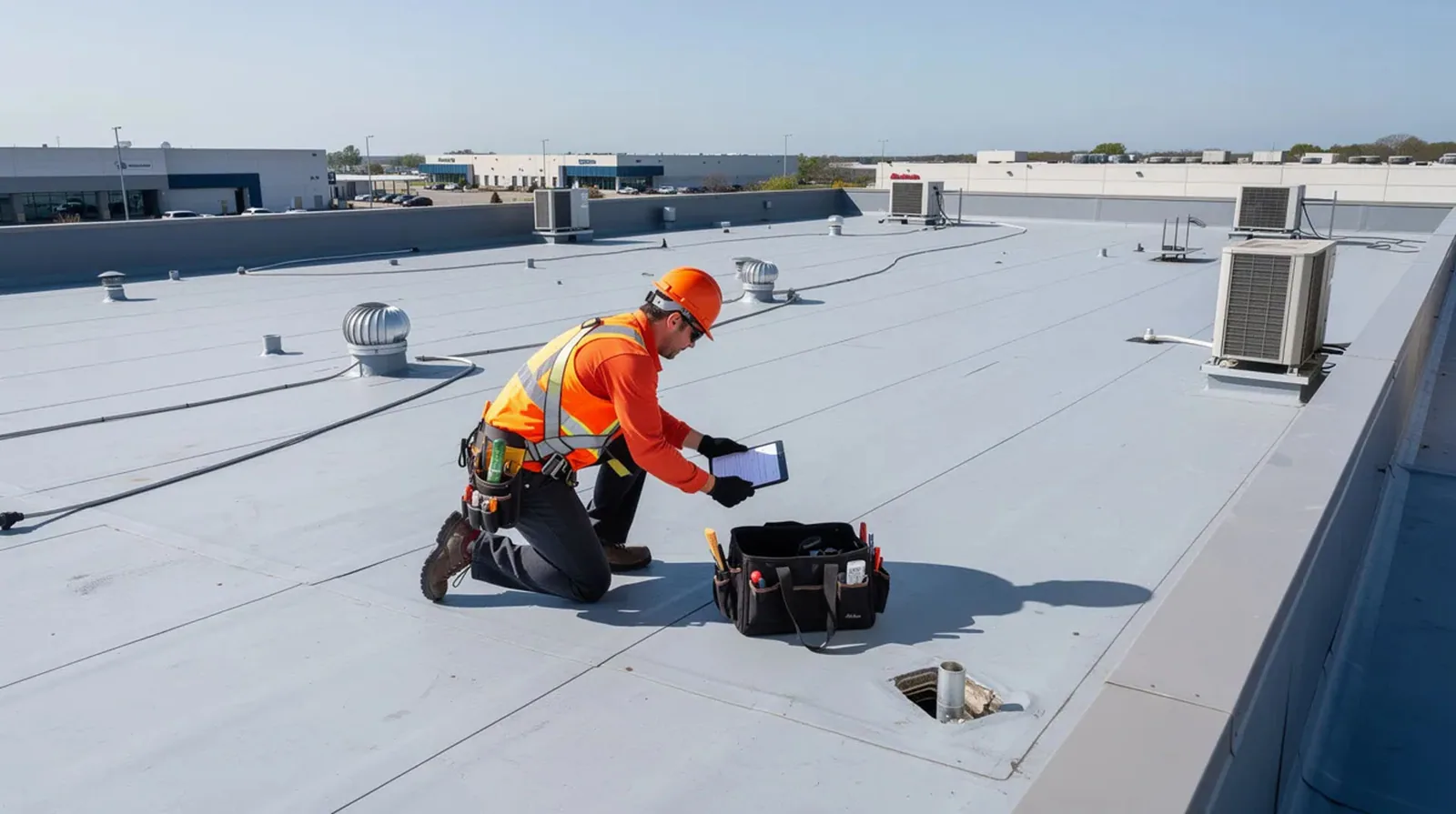
Summer heat in Tyler, TX, changes the order of roof work before a crew reaches the first seam. A July normal high of 94.5°F makes the calendar useful for planning, but the surface still needs a field reading before an adhesion-sensitive repair or coating step. We build an asset record by roof zone, tying each observed condition to its access window, next test, and release point. That gives a general contractor a workable sequence when several buildings compete for the same maintenance window.
The record starts with what is on the roof today: assembly, transitions, drainage, visible repairs, and known access limits. We connect current findings to inspection notes and repair history, then identify what should be checked again after spring or autumn storms bring hail or damaging wind to the region. A Tyler roof asset review can support an annual work package, a repair decision, or a longer capital discussion without treating one walk as a substitute for follow-up. The next crew can see the condition that triggered the work and the approval needed to continue.
A usable roof inventory
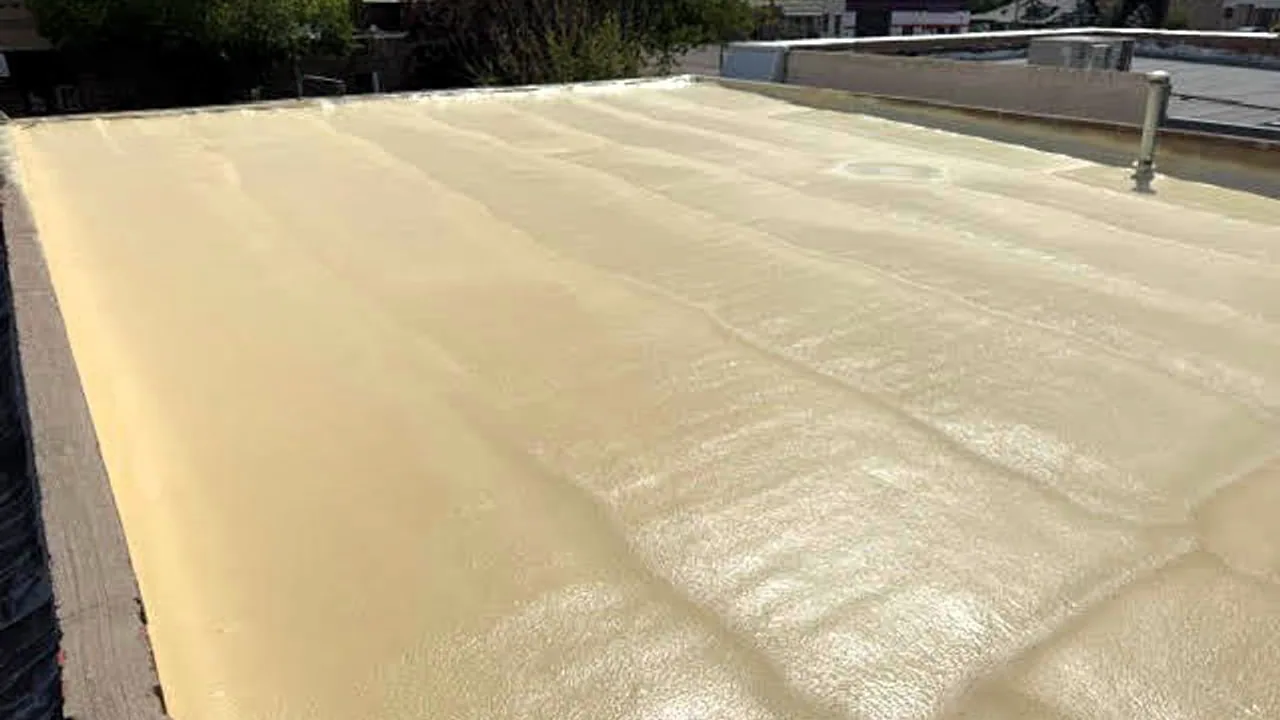
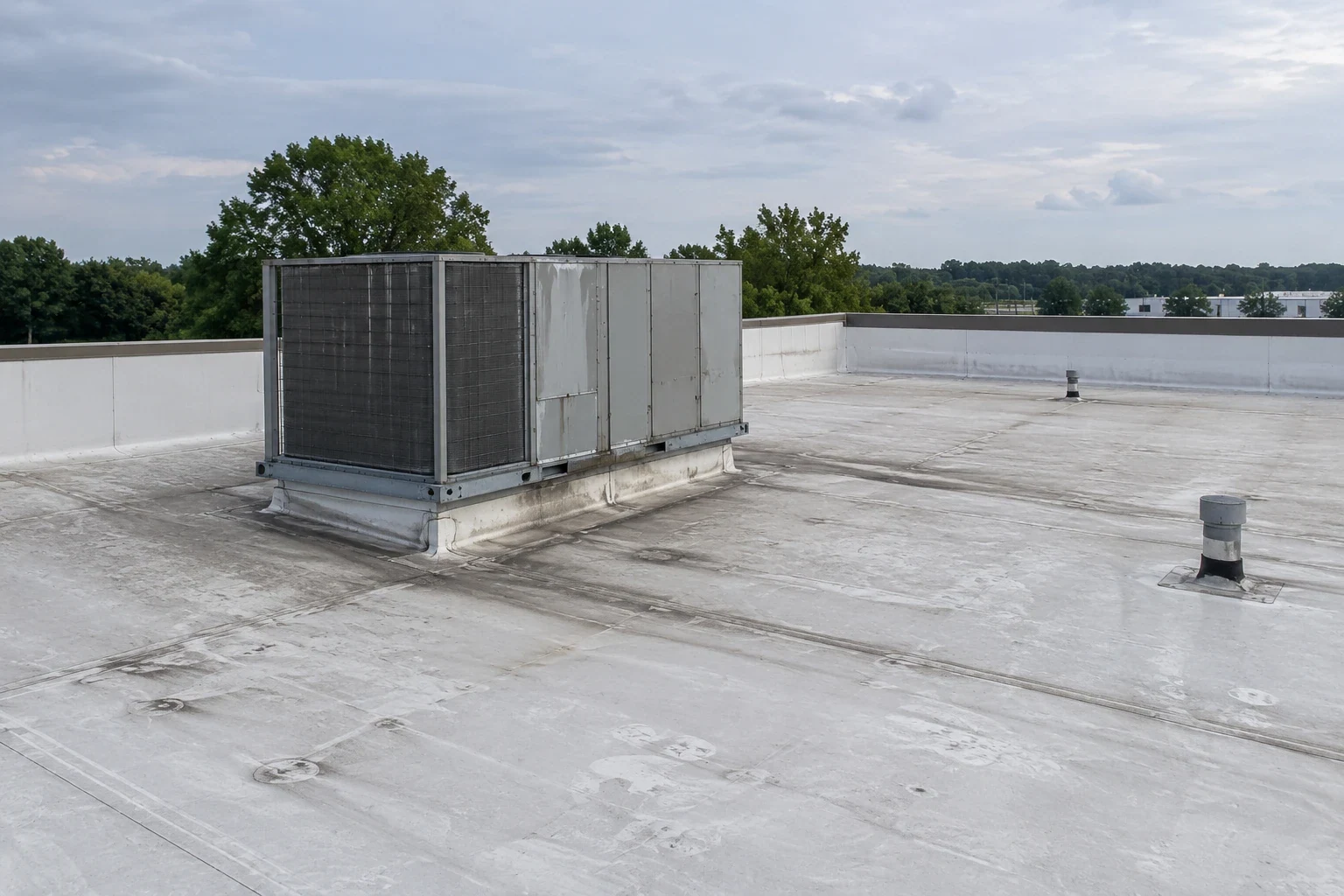
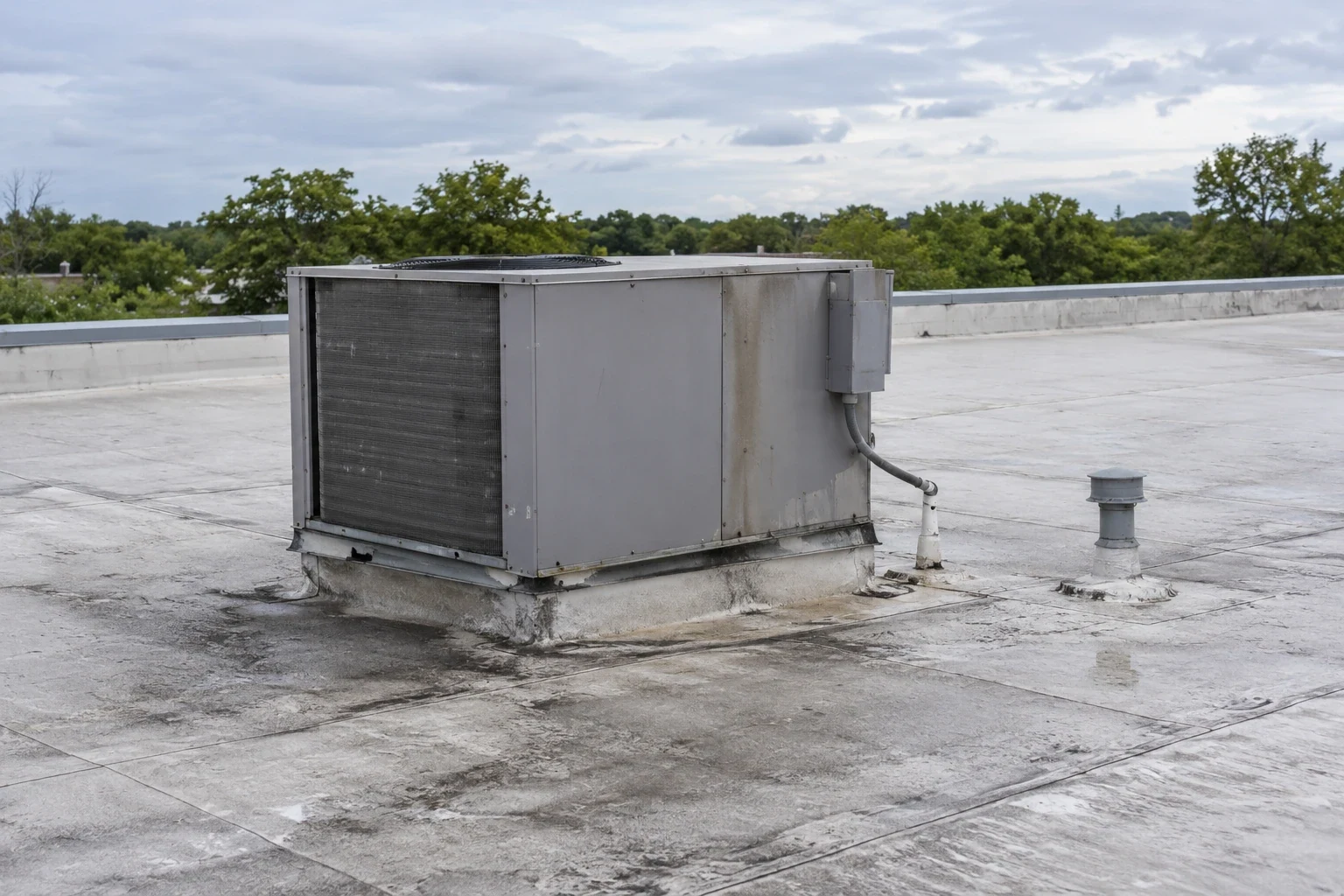
A roof inventory needs more than a building name and a square-foot figure. We record the roof areas that can be identified in the field, the membrane or metal system when visible, transitions that need attention, drainage points, rooftop equipment, and the condition of edges and penetrations. When records disagree with what is exposed, we mark the mismatch for confirmation instead of carrying an uncertain assembly into the next work package. That distinction matters when an attachment question, repair material, or warranty file depends on the actual system.
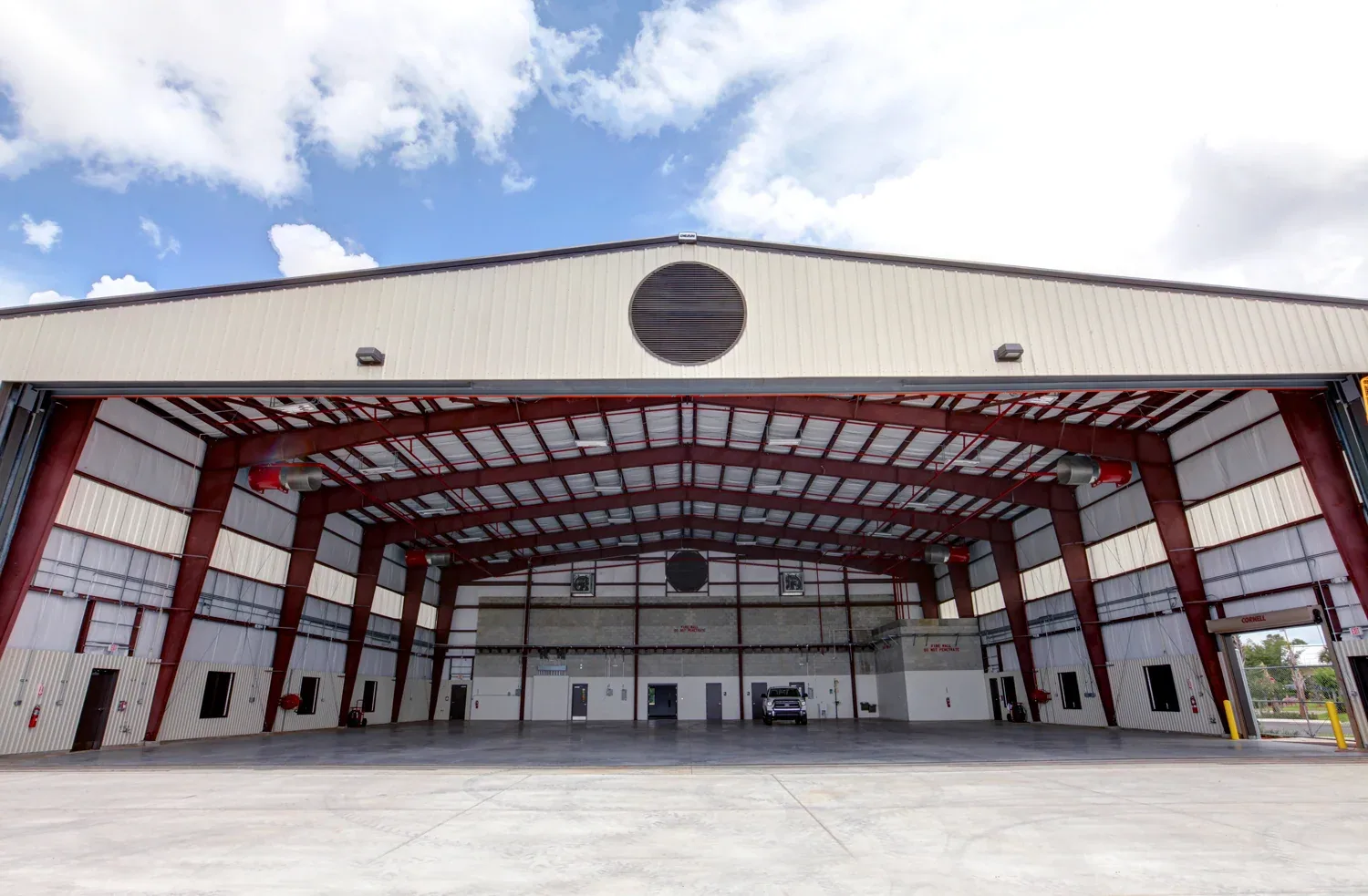
A portfolio may include production space, offices, and service properties with different roof and access needs. We confirm each building’s actual use and operating limits before setting the work sequence. We relate each roof zone to the building’s use and the contractor’s approved access route, then capture who can release the next area. The Tyler Interstate Commerce Park and the South Broadway Commercial Corridor illustrate why separate properties need their own access and roof records. Signal timing along South Broadway can affect deliveries and belongs in the access plan.
Heat and storm work windows
Heat belongs in the schedule because some roof tasks depend on the temperature of the actual substrate, not a regional forecast. We note when a work package needs surface preparation, primer, adhesive, sealant, or coating, and check product requirements and field conditions before releasing that step. If a heat window closes, the exposed area and temporary closeout need a named handoff. A weather delay may change the sequence, while the repair scope remains tied to the roof-zone finding. We also note the next suitable access period instead of leaving a task open with no owner.
The hazards described for this part of Texas include large hail and damaging wind, and the severe storms behind them cluster in spring and autumn. The asset record can distinguish a pre-storm condition from a post-storm observation, helping the owner sort existing wear from fresh impact or displaced details. We can attach a roof inspection and a maintenance visit to the same roof-zone history. If an event leaves questions about hail marks, seams, or edge metal, the next step is an identified test or repair review rather than a blanket condition label.
Findings that stay connected
Each observation should remain connected to its location, date, photo, and disposition. We note whether the item was repaired, monitored, tested, or left for a scope decision, and retain the related closeout detail where available. A drain that collects debris, a split at a curb, and a seam that needs a probe are different work items. Separating them makes it easier to schedule a small repair without losing track of a broader roof condition that may affect the same area. A later review can compare the same zone without relying on memory.
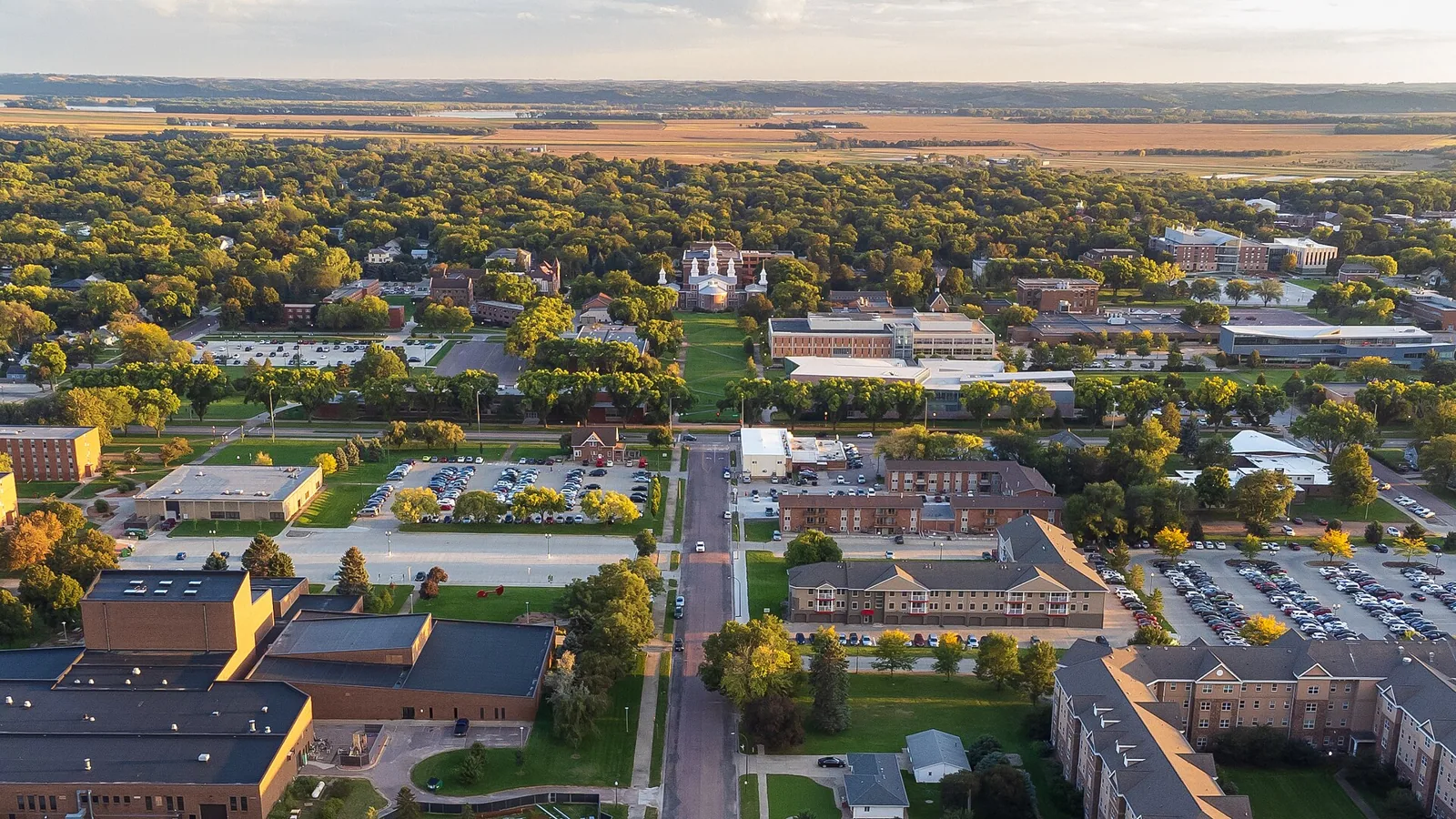
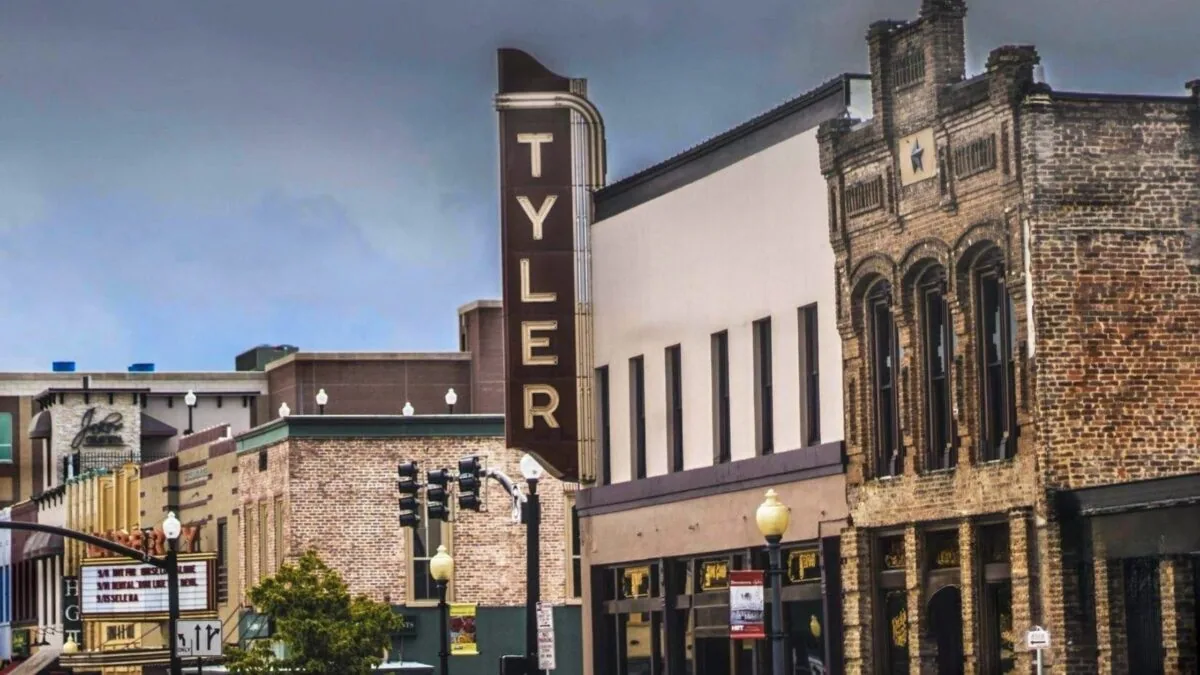
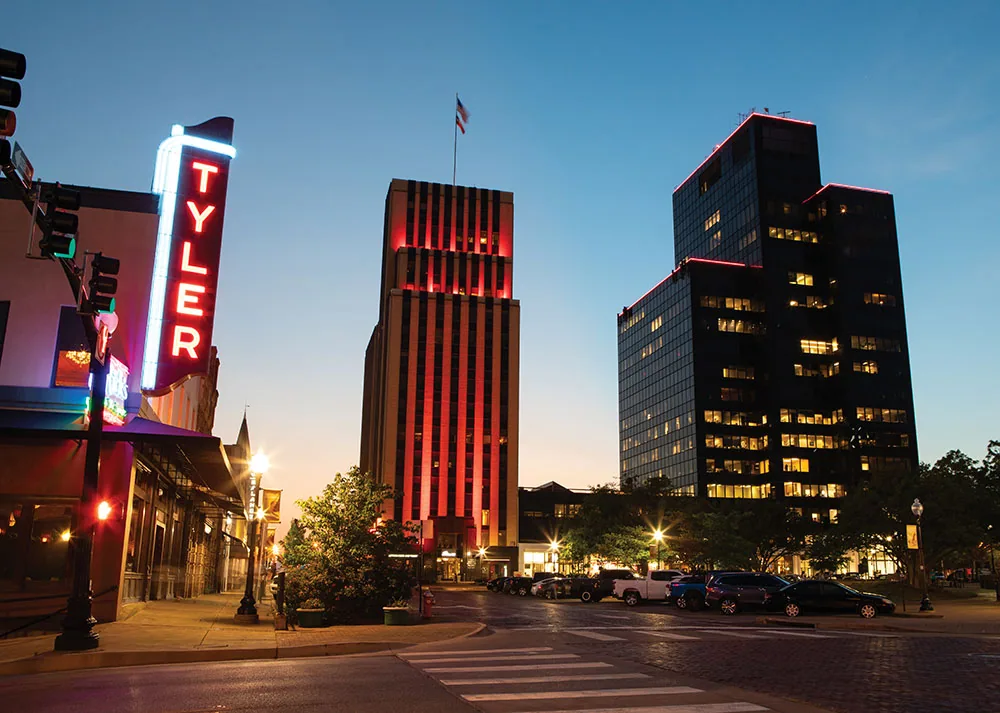
The Downtown Tyler Historic District includes many separate parcels in a compact area, while Midtown continues to serve as a healthcare and education hub. Those settings show why a portfolio record should preserve building-level decisions instead of assigning one condition score to an entire district. We can relate entries to a condition report, send repair work through commercial roof repair, and keep a dated hail observation with a hail-damage review. The roof-zone history stays legible when another trade or facilities lead takes the next handoff.
Priorities by roof zone
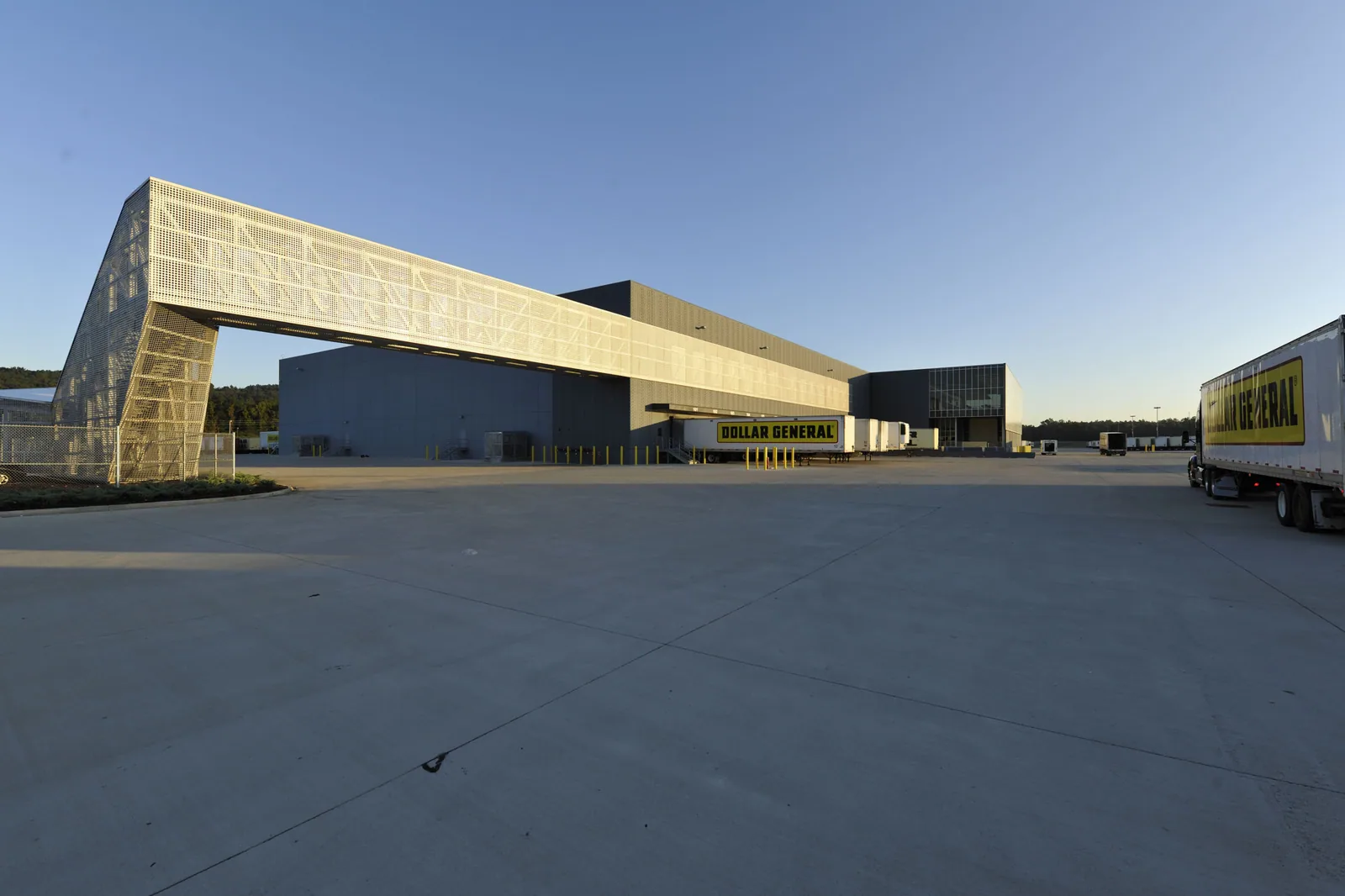
A condition grade alone cannot tell a project team what to release first. We group observations by active water entry, detail failure, blocked drainage, exposed material, and work that needs more testing. The notes identify the consequence of waiting in practical terms: an open seam can admit water, a blocked drain can hold water on the membrane, and loose edge metal can need a fastening check before the next storm cycle. The grading describes visible condition, not the remaining life of concealed layers.
Records for the next budget decision
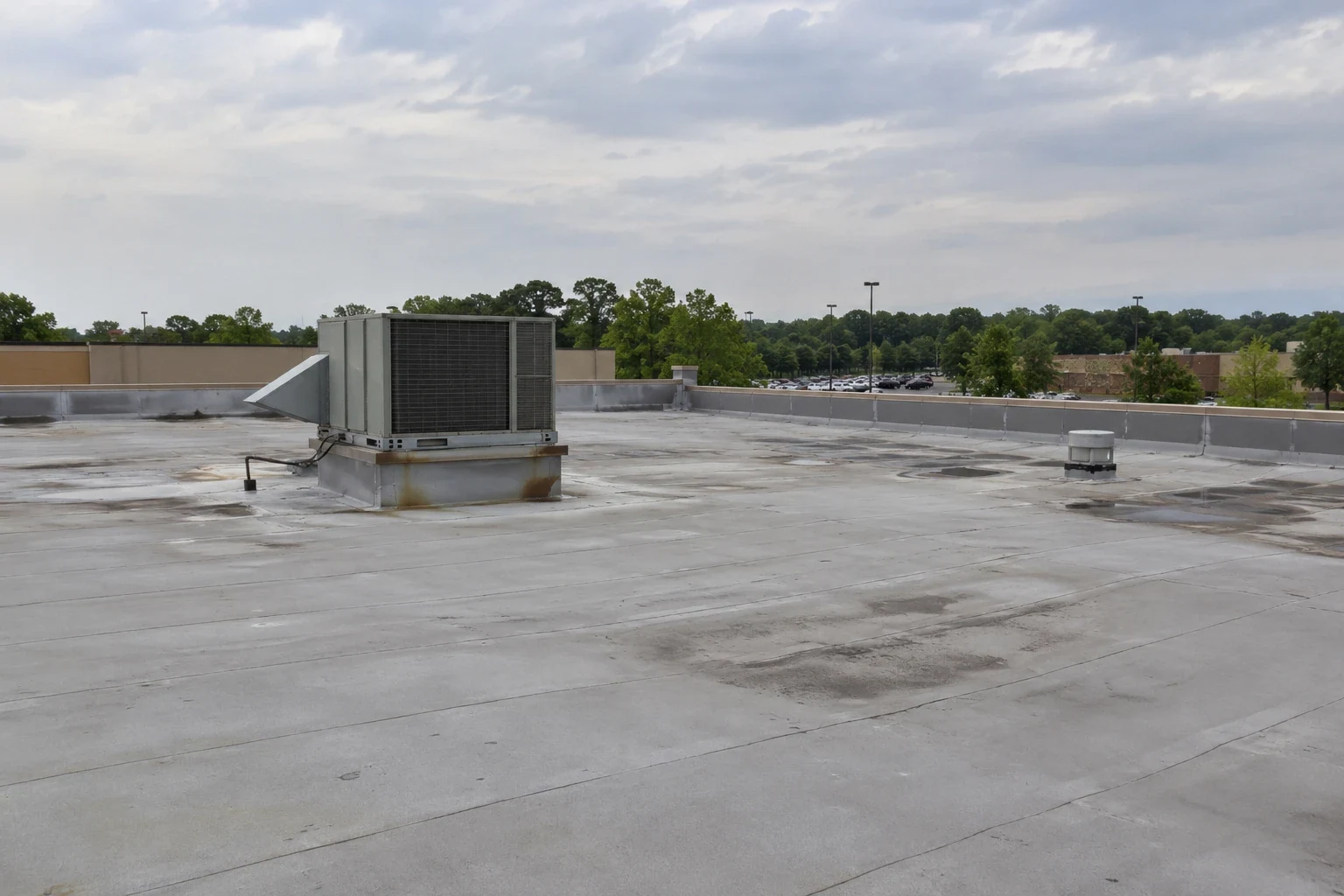
An asset record gives capital planning a field-based starting point. We preserve the repair history, moisture questions, attachment observations, and test results that support a repair, recover, coating, or replacement comparison. Each option depends on the confirmed assembly, deck condition, drainage, compatibility, and applicable code path. A proposed coating needs a sound substrate and accepted adhesion results; a recover needs a suitable existing assembly; replacement may involve tear-off, insulation, edge details, and interior protection. We identify the tests that remain open before the budget moves from planning to scope.
Tyler’s industrial and office mix can put recurring maintenance and capital work into separate approval calendars. A consistent record helps the general contractor explain which items protect current operations and which need design, funding, or owner review. We can connect the inspection trail to capital planning and preserve a separate warranty file. When the project moves forward, the selected work package carries its access release, material assumptions, preparation steps, and documented closeout into the field.
Commercial Roofing Questions
What belongs in a roof asset record if older drawings are incomplete?
Start with roof zones and conditions that can be confirmed in the field. We note visible assembly details, drainage, transitions, access limits, repairs, photos, and questions that need a test or record review. Unconfirmed layers stay marked for verification, which keeps an uncertain drawing from directing a repair or replacement scope.
Can the record help compare roofs across different Tyler properties?
Yes, provided each building keeps its own assembly and condition history. We use common fields for location, finding, urgency, next step, and release needs, while retaining details that differ by property. A manufacturing roof and an office roof can then be compared for decision timing without assuming they need the same repair.
How should a hail or wind observation be added after a storm?
Add a dated roof-zone walk with photos, visible changes, drainage checks, and any access limits. A separate entry should identify what was already in the record, what appears newly displaced or marked, and what needs closer testing. That gives the owner a practical basis for repair review and keeps regional storm exposure from being mistaken for proof of damage at a particular roof.
Does asset management decide when a roof must be replaced?
Replacement remains a scope decision based on the confirmed assembly, moisture, attachment, repair history, drainage, and amount of sound material. The record can show recurring repairs or condition changes that merit a capital review, then preserve the test results and access assumptions used in that discussion. It does not assign a replacement date without those findings.
What should a general contractor provide to begin a Tyler roof inventory?
Send the roof plan, available assembly records, repair and leak history, current condition notes, access rules, and decision deadline. We can mark uncertain records for field confirmation and return a sequence with test points, roof-zone releases, and the next approval needed. For a time-sensitive repair, include the affected area and any temporary protection already in place.
Related Pages
Tyler
Tyler, TX
Tyler Interstate Commerce Park
Tyler, TX
Downtown Tyler Business District
Tyler, TX
Commercial Roof Inspection
Tyler, TX
Set the next roof-zone release
Share the roof plan, assembly records, access window, current conditions, and decision deadline. We will return a sequenced field plan with open tests and hold points clearly marked.