
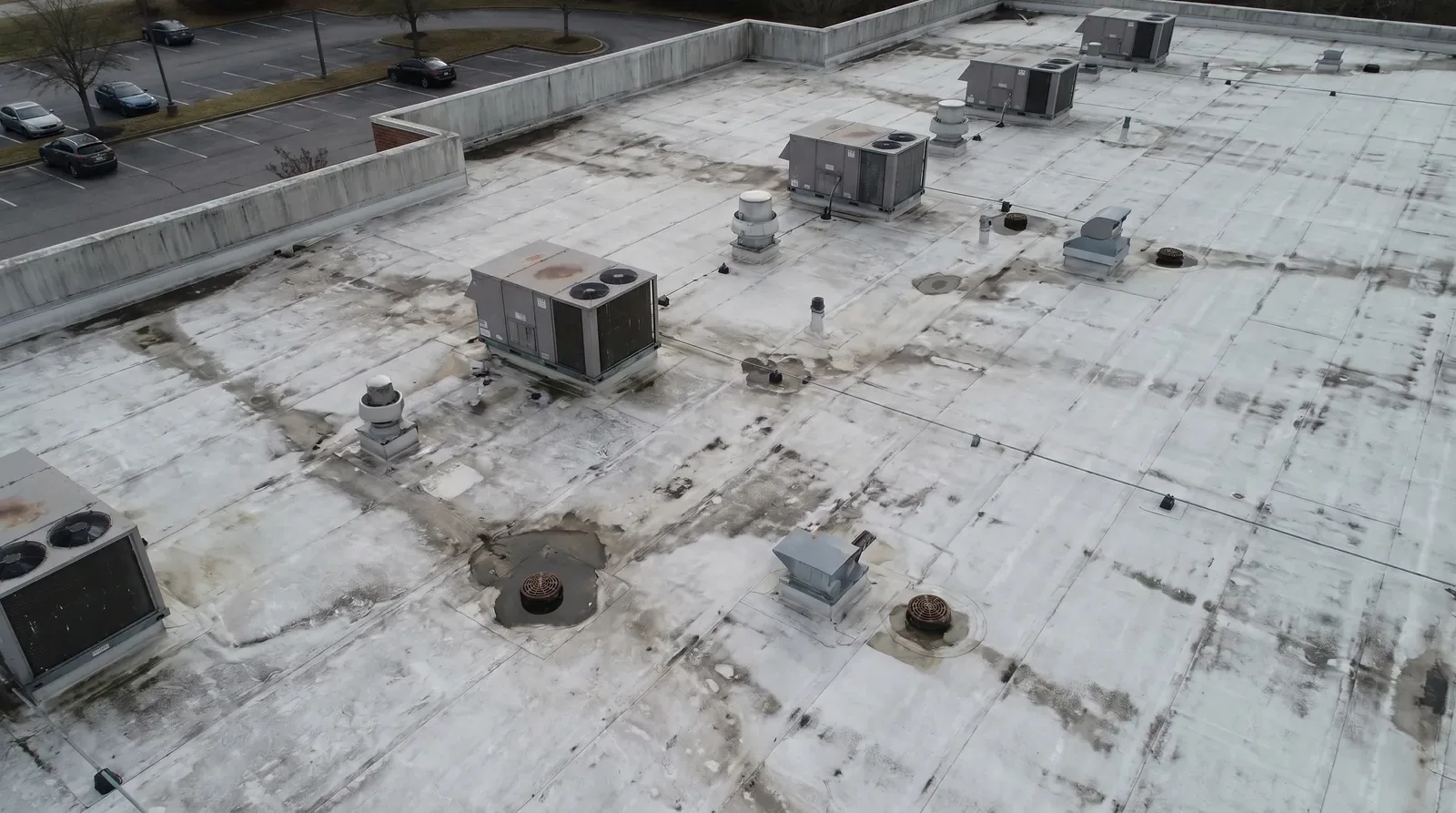
East Grande Boulevard and Old Omen Road frame a growing travel area in east and southeast Tyler, where commercial roofs still need building-level inspection before a work package is set. Street extensions alongside existing Toll 49 route alternatives are being evaluated in this area; they do not establish the access, use, or roof condition at any one property. We begin with the roof plan, operating calendar, leak notes, and available assembly records. A field walk then marks the seams, transitions, drains, and work boundary that the general contractor can release.
Tyler's normal July high averages 94.5°F, so adhesion-sensitive tasks need a current substrate reading rather than a calendar assumption. Spring and autumn storms in this region can bring hail and damaging wind, making temporary protection and exposed-section closeout part of the plan. A commercial roof inspection records actual conditions by zone. We identify the next test, approval, or access release before material reaches the roof.
Access across a changing route area
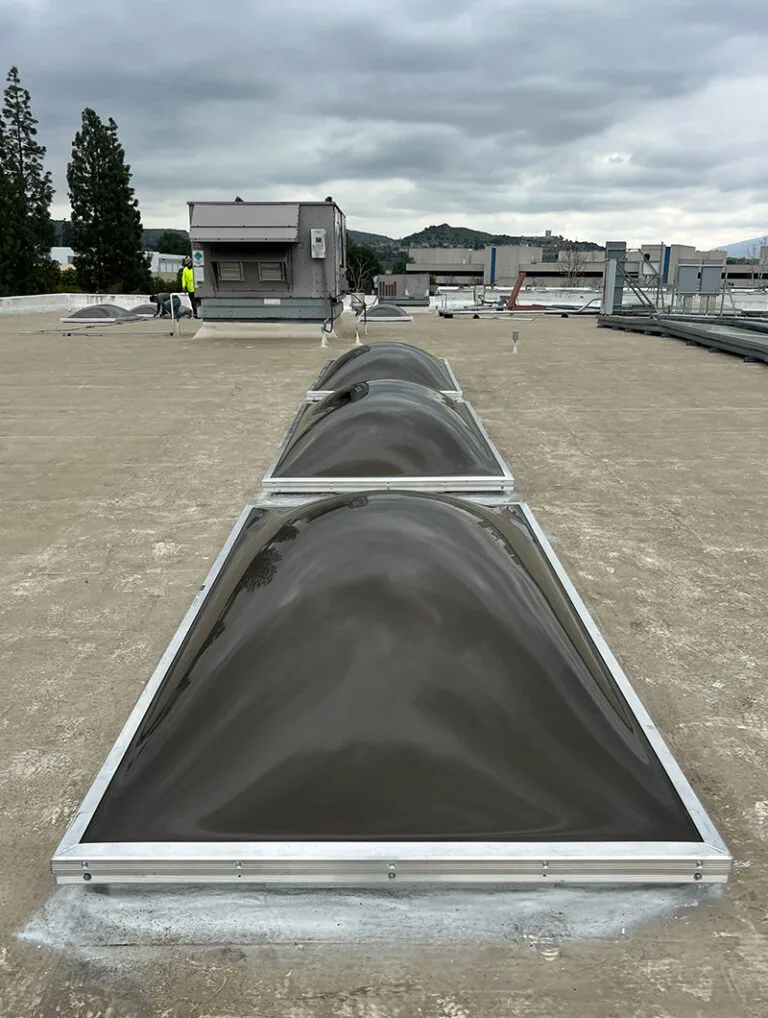
The East Grande and Old Omen study addresses travel demand in east and southeast Tyler and considers connectivity among neighborhoods, schools, commercial areas, and regional routes. Those are transportation purposes, not proof that a property entrance is complete or that a delivery path is unrestricted. Before staging, we confirm the building's own gate, hatch, loading area, equipment rules, and occupied hours. The work package names the route, protection boundary, and person who releases each roof zone.
When traffic or access conditions shift, the sequence may need a different delivery window or a smaller work face. We set the stopping point so the crew can leave the assembly protected if the next release is delayed. Photos connect each detail to the roof plan, while the access notes remain separate from weather and condition findings. A roof-zone condition report gives the project team a record it can compare with the approved plan. The separate South Tyler study area and Lindale corridor have their own context and cannot substitute for a Tyler property walk.
The roof findings that set scope
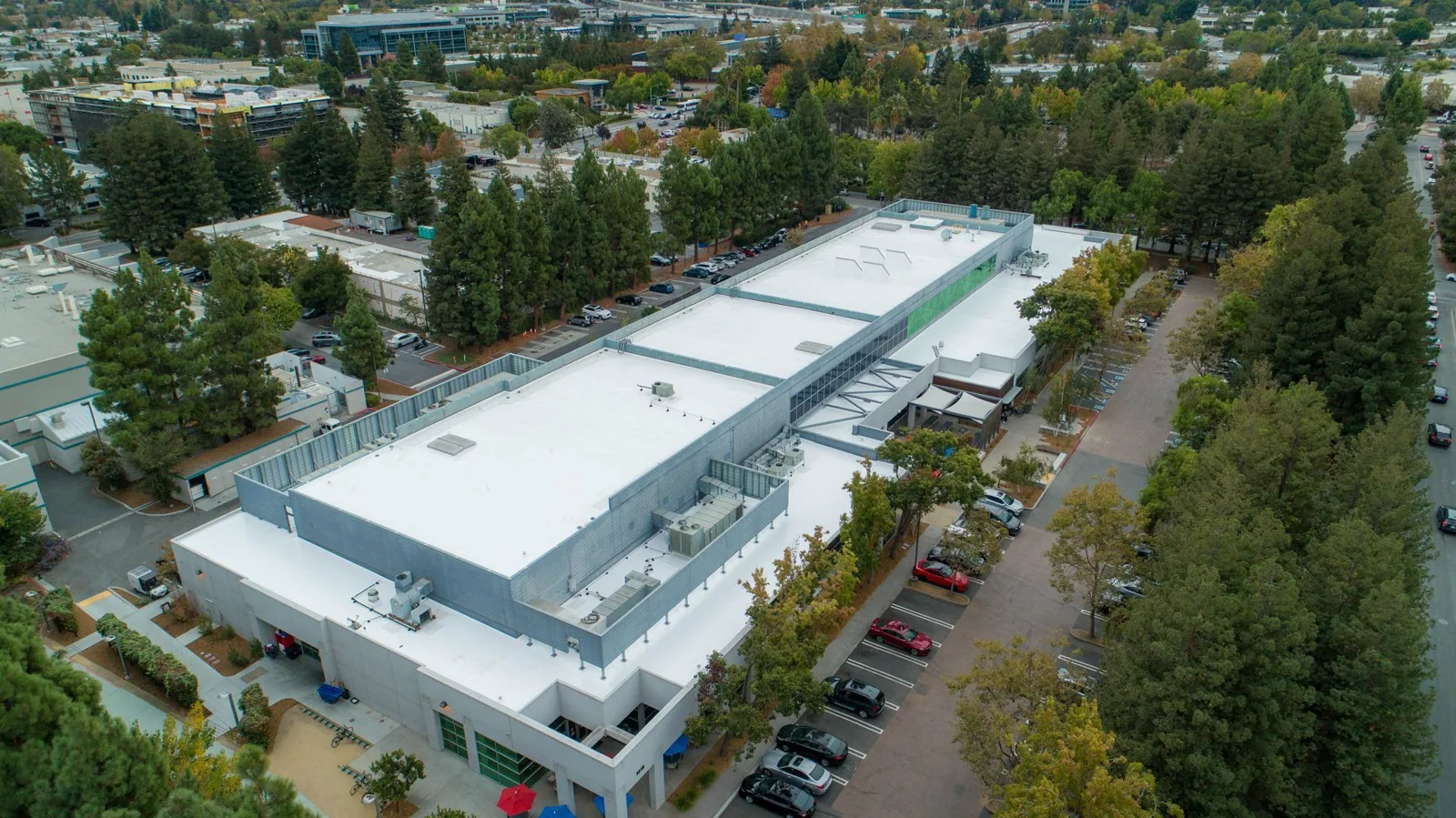
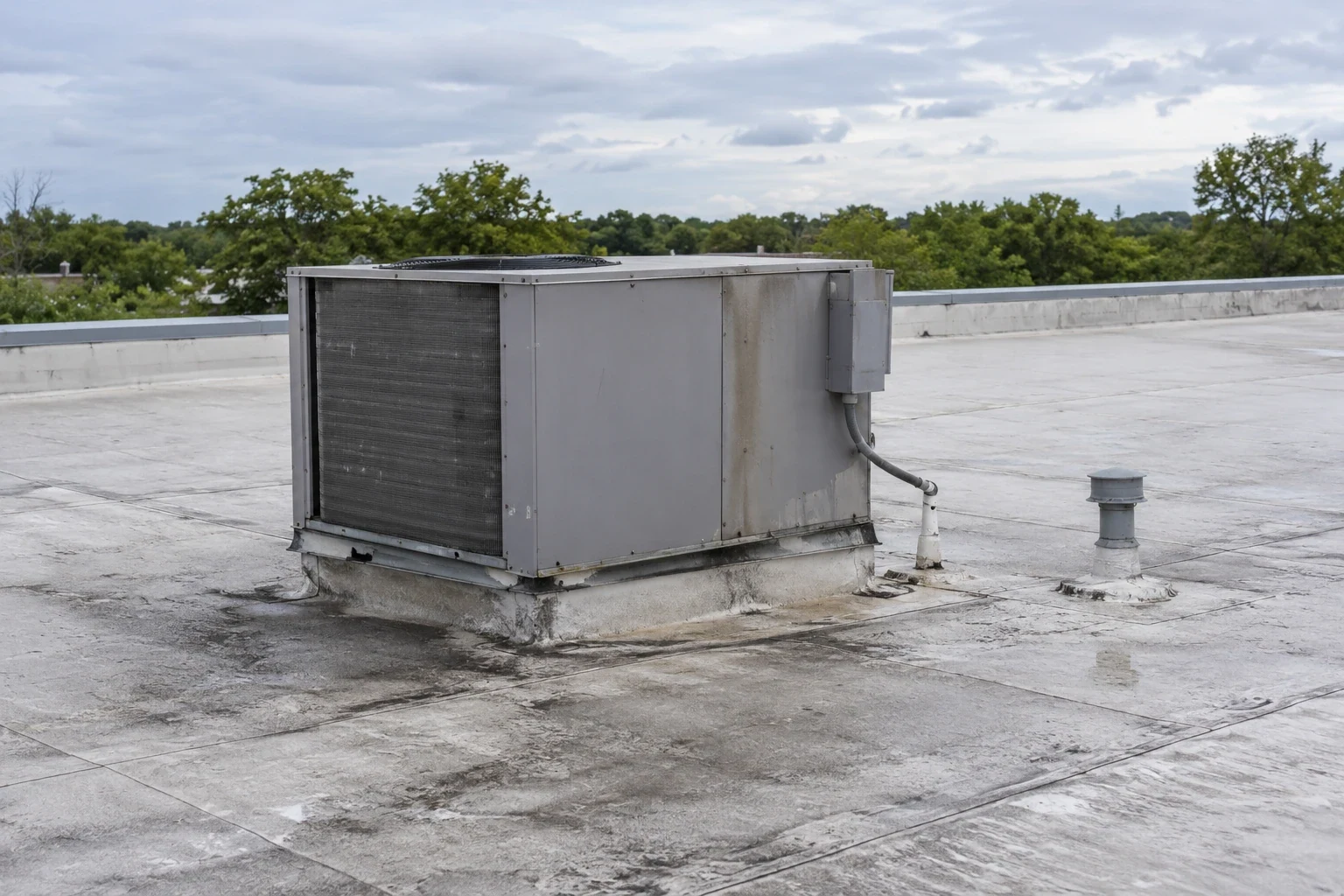
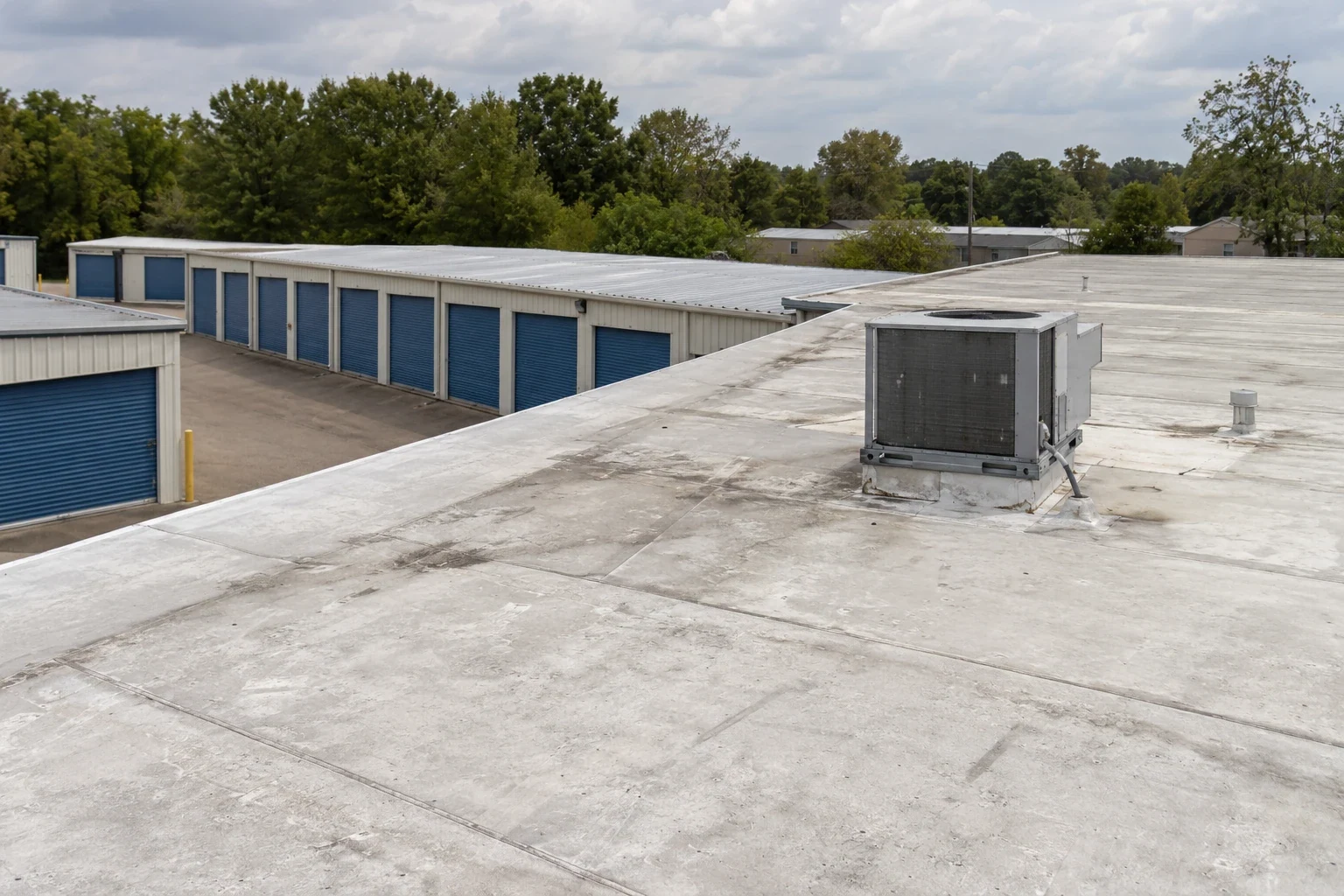
A ceiling stain is a useful starting point, not a repair boundary. Water can move under a low-slope assembly before it appears inside, so we compare the reported location with membrane seams, penetrations, wall flashings, equipment curbs, edge metal, and drains. The walk records open details, prior patches, ponding indicators, and limits on access. If a concealed layer could change the choice between patching and broader removal, we identify a test point and seek approval before opening the roof.
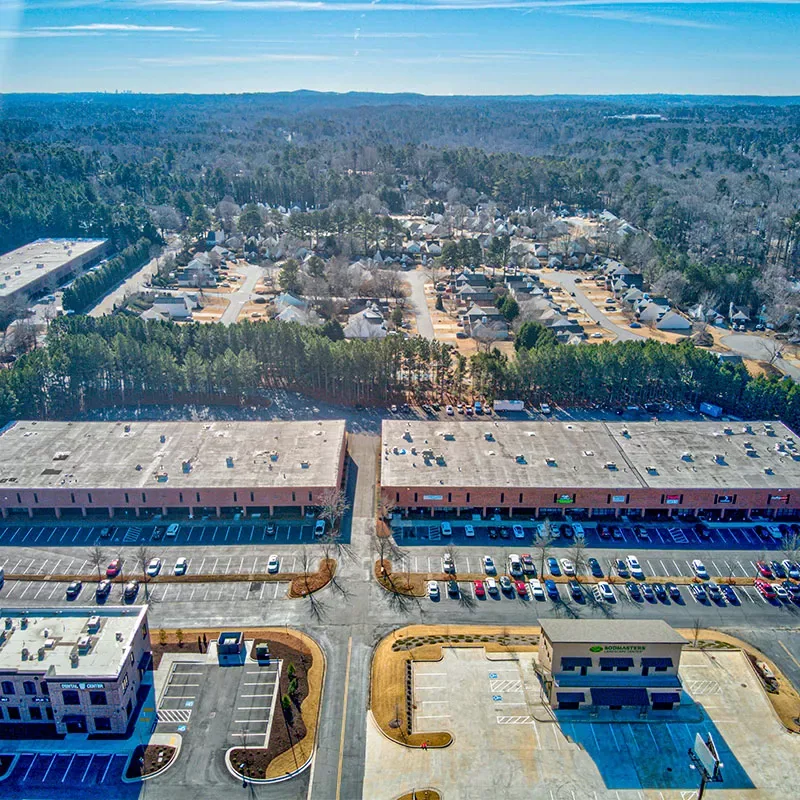
A material lift needs clearance from equipment, occupied entrances, and delivery activity at the selected property. We mark that ground boundary alongside the roof zone before staging. If another trade needs the same route, the handoff states when the roof can be closed and what protection remains. Aerial images can locate a damaged edge or obstructed outlet; a close inspection then checks attachment, membrane continuity, and the tie-in needed for repair. The field record connects those observations to the area the crew can release.

Heat windows and storm closeout
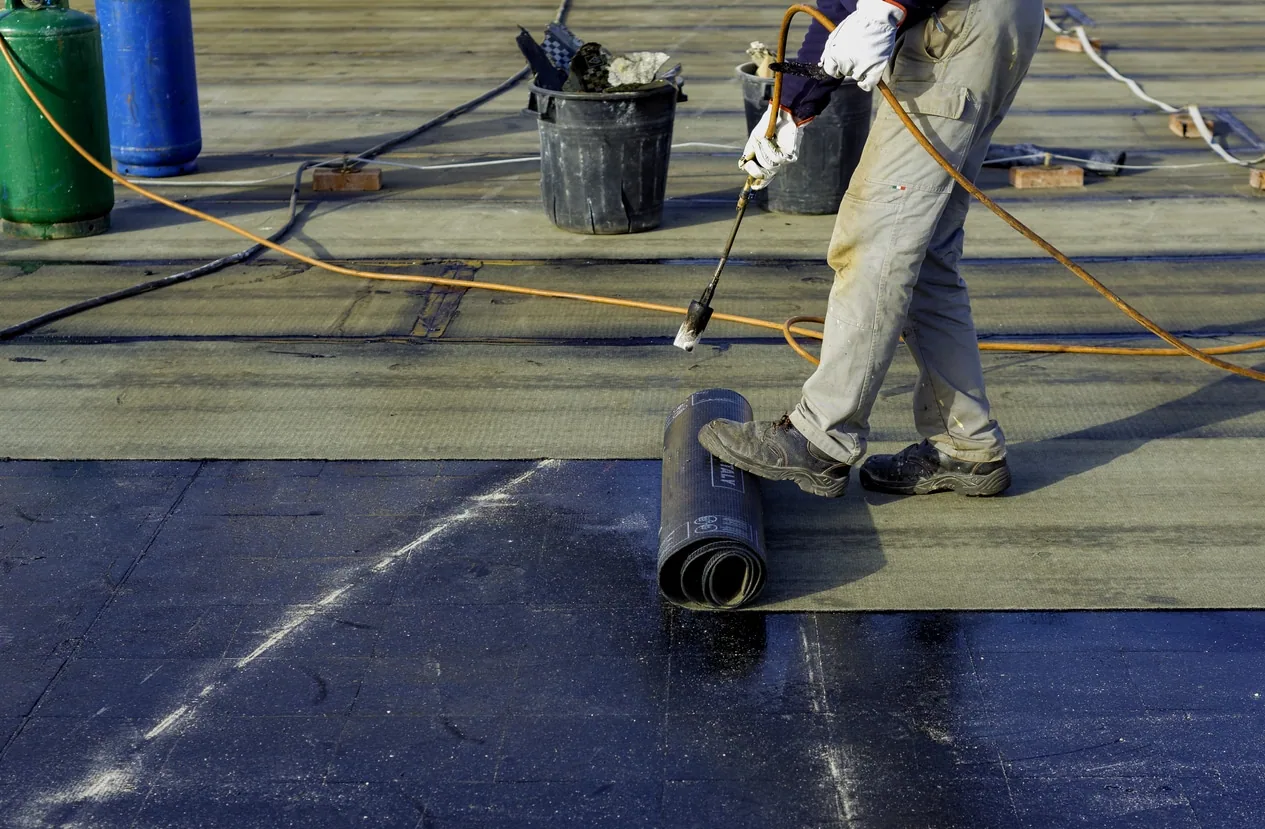
Roof preparation near East Grande or Old Omen starts with the detail’s shade, moisture, and surface condition recorded in the work package. Before applying primer, adhesive, sealant, or coating, we compare actual surface and substrate readings with the selected product instructions. A hold point protects the work when the temperature, moisture, or preparation falls outside its permitted window. When the reading blocks an adhesion-dependent step, we keep the assembly closed, shift to another approved task, and log the condition that must clear before the next access release.
Spring and autumn severe thunderstorms across this part of Texas can bring large hail and damaging wind. That pattern guides readiness, but a storm report does not prove roof damage here. We photograph observed punctures, displaced edge metal, open seams, flashing movement, and debris by zone. Separate hail-impact and wind-detail records help keep temporary water control distinct from permanent repairs. A rapid response package can secure an active opening while the final assembly decision remains under review.

Repair choices and approval points
A localized opening surrounded by stable material may support a repair. Repeated seam separation, wet insulation, attachment failure, or deck concerns can widen the affected zone and change the recommendation. We compare repair, recover, coating restoration, and replacement only when the assembly, test results, drainage, and project requirements support those paths. A recover needs a sound and sufficiently dry existing roof, acceptable roof count, and compatible system details. The owner receives confirmed work separately from quantities that need another test or approval.
Cost and duration depend on roof height, access, penetrations, removal depth, insulation or deck work, edge details, staging, occupied hours, and weather-sensitive steps. We identify those drivers before the team commits to a sequence. A repair scope names the preparation and tie-in; a replacement plan includes removal limits, drainage, and inspection points before cover-up. If restoration is considered, a coating assessment first checks compatibility and substrate condition. The proposed scope needs measured roof quantities, inspected tie-ins, and a defined boundary for any opening. Before a work order is released, we separate measured quantities from allowances, identify what test can resolve each allowance, and name the person who can approve added removal. The schedule also records which detail must be inspected before membrane or metal conceals it. That keeps the field sequence usable when a weather hold interrupts the work.
A closeout the next crew can use
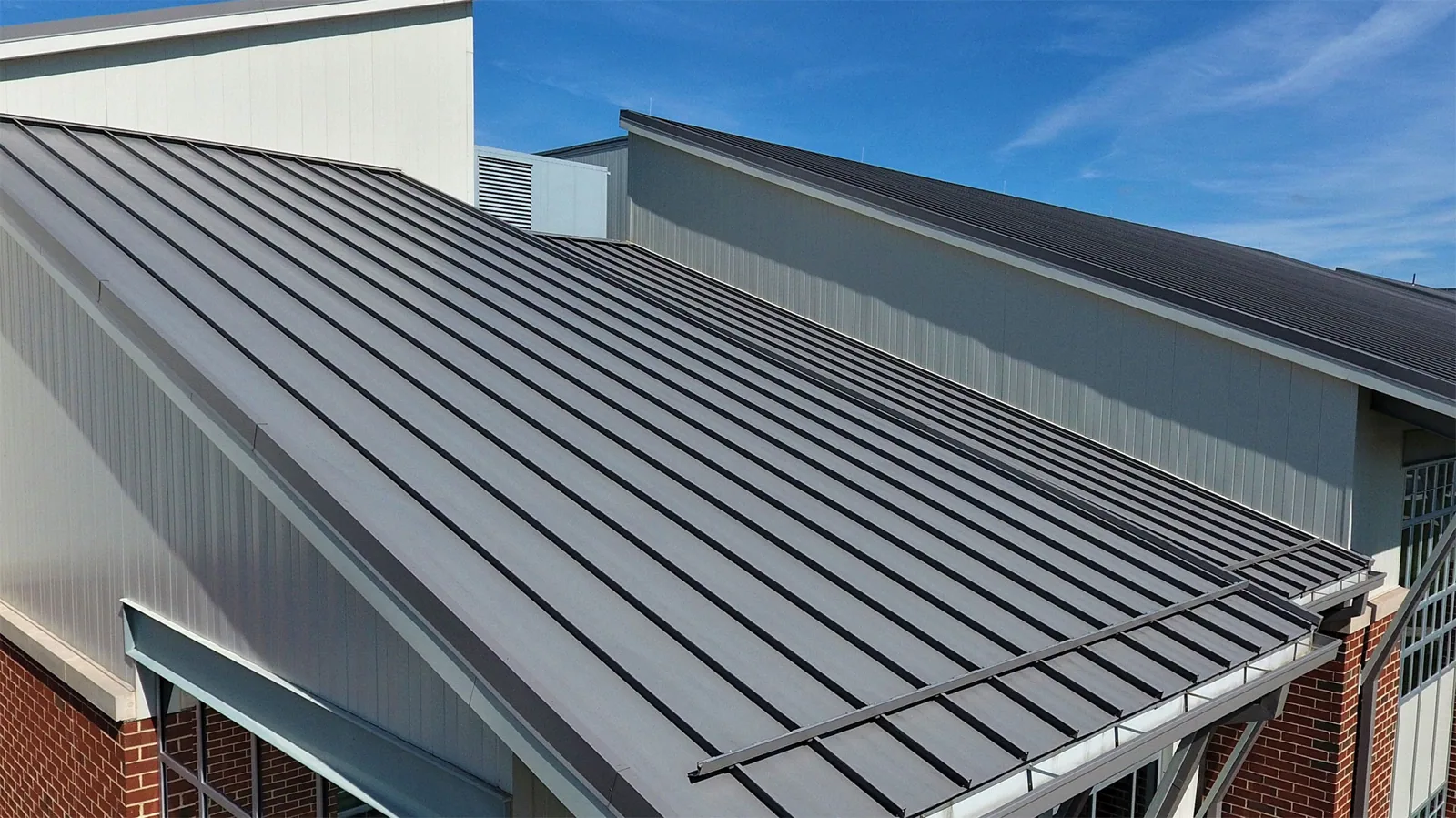
At shift end, the record identifies completed details, open tests, the drain path, temporary protection, and any section that remains held. We attach photos to the roof zone and note which material and preparation were used. A weather delay is tied to the task and stopping condition, so a later crew does not have to infer whether a seam, penetration, or edge is ready. The general contractor can release only the area supported by the closeout.
For a portfolio extending from east Tyler toward Tyler's broader service area or the east Centennial corridor, we keep each property's access instructions and assembly record distinct. Share the plan, operating limits, current condition, and decision date. We return a sequenced work package with test points, approval needs, and roof-zone releases marked. That gives the project team a practical record even when street alternatives or site schedules change around it.
Commercial Roofing Questions
Does the route study confirm how a roofing crew can reach a property?
No. It evaluates transportation needs and alternatives across east and southeast Tyler. We confirm the property's gate, loading point, hatch, staging area, and operating restrictions directly before setting a delivery or roof-zone release.
Can you set a repair scope from an interior leak report?
The report helps direct the first walk. We compare it with roof details and drainage, then identify any concealed condition that needs an approved test. The repair boundary follows the field evidence, not the ceiling stain alone.
How do you schedule adhesive or coating work in summer?
We take current surface and substrate readings and check them against the material instructions. Tyler's July normal informs seasonal planning, but the project reading controls the task. If conditions fall outside the allowed window, we hold that step and record the next release condition.
What is recorded after a hail or wind event?
We photograph actual impacts, displaced materials, open seams, flashing movement, and drainage by roof zone. Regional weather context can prompt a review, but observed conditions set the scope. Temporary protection and permanent repair receive separate closeout notes.
What information helps coordinate roofing with site operations?
Send the roof plan, assembly records, gate and loading rules, occupied hours, other-trade schedule, leak notes, and decision date. We use them to set staging, identify approval points, and name who releases each work area.
Related Pages
Commercial Roof Inspection
Tyler, TX
Commercial Roof Condition Reports
Tyler, TX
the South Tyler Study Area
Tyler, TX
Release the first East Tyler roof zone
Share the roof plan, assembly records, access window, current condition, and decision deadline. We will return a field sequence with tests, approvals, and temporary closeout marked.