
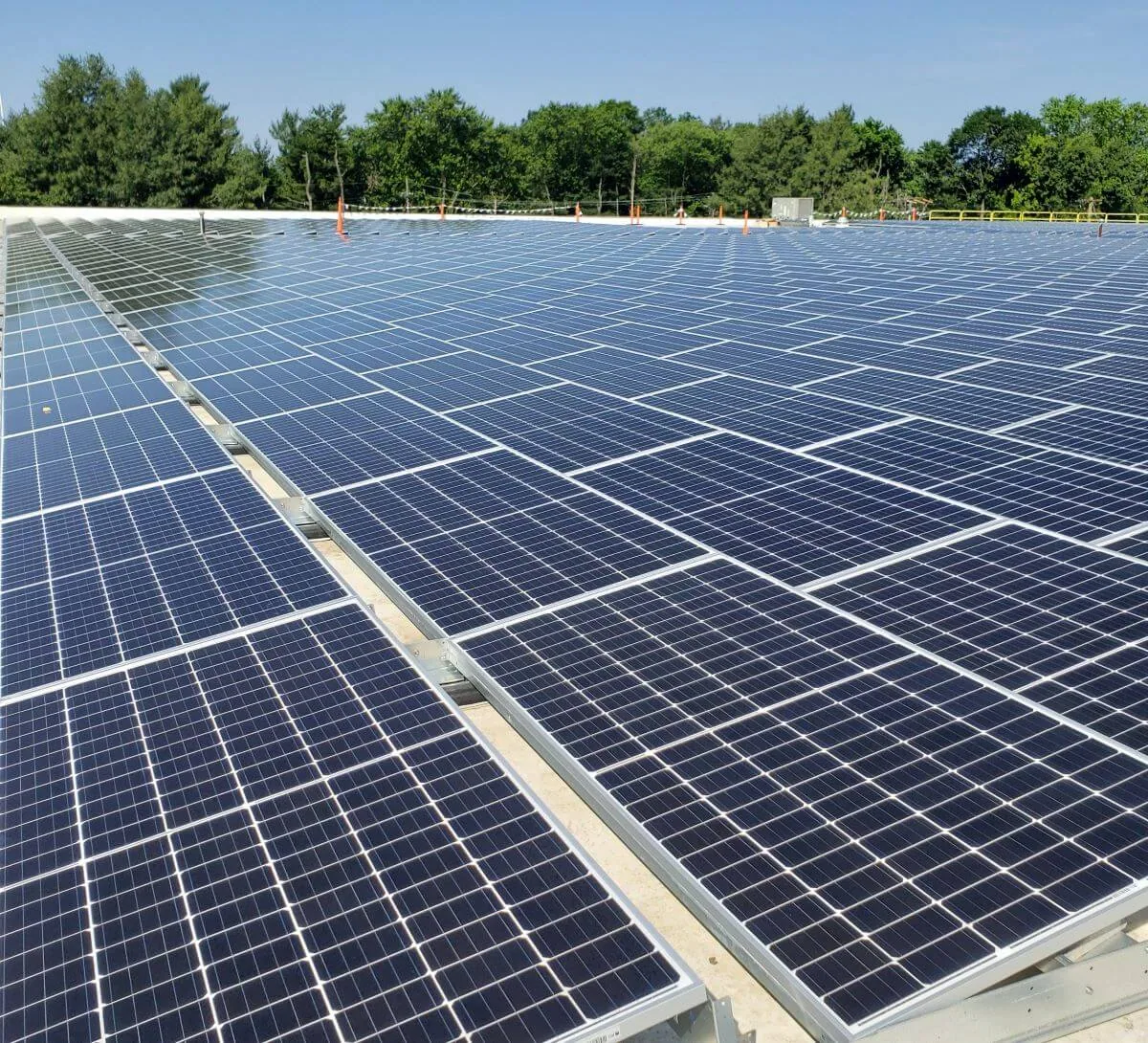
Tyler's summer heat can narrow the work window for membrane bonding and flashing at future solar attachment points. July normal highs average 94.5°F, but that normal is not a roof reading. We review the assembly, current condition, planned array zones, and product limits before setting a work package. The first release point is the roof area that will receive attachments, pathways, or electrical penetrations, with the roofer and solar contractor working from the same roof plan.
Solar-ready roofing begins with a serviceable roof and a design that respects its load capacity, drainage, seams, and access paths. We inspect the membrane, insulation, deck where known, curbs, drains, and prior repairs, then mark conditions that need testing or repair before equipment is installed. A roof inspection establishes the visible baseline; a Tyler project review records local schedule and access conditions without assuming the roof's age or assembly.
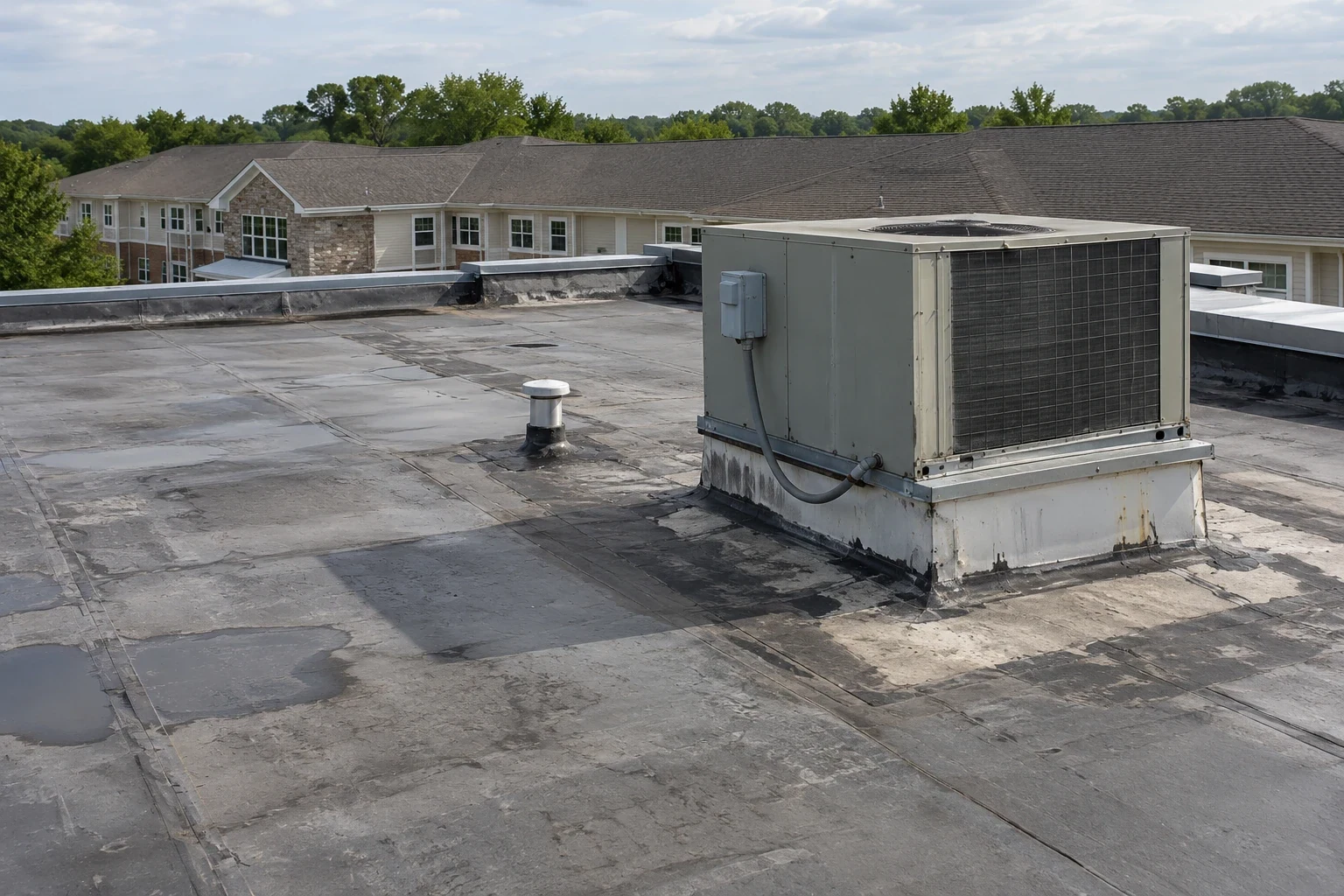
Roof condition before array layout
Array design should start with a mapped roof, not a satellite image alone. We record membrane type where identifiable, seam locations, penetrations, low areas, drains, edge conditions, and signs of moisture or movement. Infrared survey or selective cuts may be appropriate when hidden moisture would change the roof decision. Any test opening is assigned a location, repair detail, and closeout check. The report separates observed conditions from questions that need the designer, owner, or another trade to resolve.
If broad moisture, failing seams, or deteriorated insulation already limits the roof, installing panels first can complicate later repairs. We compare targeted repair, recover, restoration, and replacement against the confirmed field conditions and the solar schedule. A moisture survey can help establish which roof zones remain serviceable. Where replacement is likely, we coordinate the roofing assembly and attachment plan before panels and pathways restrict access to the membrane.
Loads and attachment points
Solar equipment adds dead load and can change wind forces at the roof. A structural engineer or project designer determines capacity, attachment, and load distribution for the building; our roof review identifies the existing assembly and the places where those details meet the membrane. We mark proposed rails, ballast areas, pathways, inverters, and service routes on the roof plan. The roofing and solar documents must agree on attachment type, flashing, repair access, and the materials that cross the roof surface.
We do not assume that a fastener can enter a deck safely or that ballast can sit anywhere on the field. Deck type, insulation depth, structural framing, and the approved attachment method need to be known at the relevant test points. Tyler began applying the 2021 building code to building plans on January 1, 2024, with its 2021 energy code effective on that same date. For array coordination, the project designer and permitting authority resolve which provisions apply to the roof assembly and attachment details.
Penetrations and drainage
Conduit, supports, and service platforms create interfaces that need to stay watertight and inspectable. We identify where wiring crosses the roof, how it rises above the membrane, and which trade supplies and installs each boot, curb, or support. A detail should preserve access to seams, drains, scuppers, and equipment. We photograph each penetration before and after flashing, and list any location where the approved plan differs from the field layout. That record helps maintenance staff locate the next inspection point.
Drainage deserves a separate check because array rows, wire paths, and debris can restrict water movement. We inspect drains and overflow paths, look for ponding, and review any proposed height changes or tapered insulation. The drainage work package can identify a correction before solar equipment blocks the area. A compatible TPO assembly or standing-seam roof needs attachment and flashing details suited to its specific substrate and seam construction.
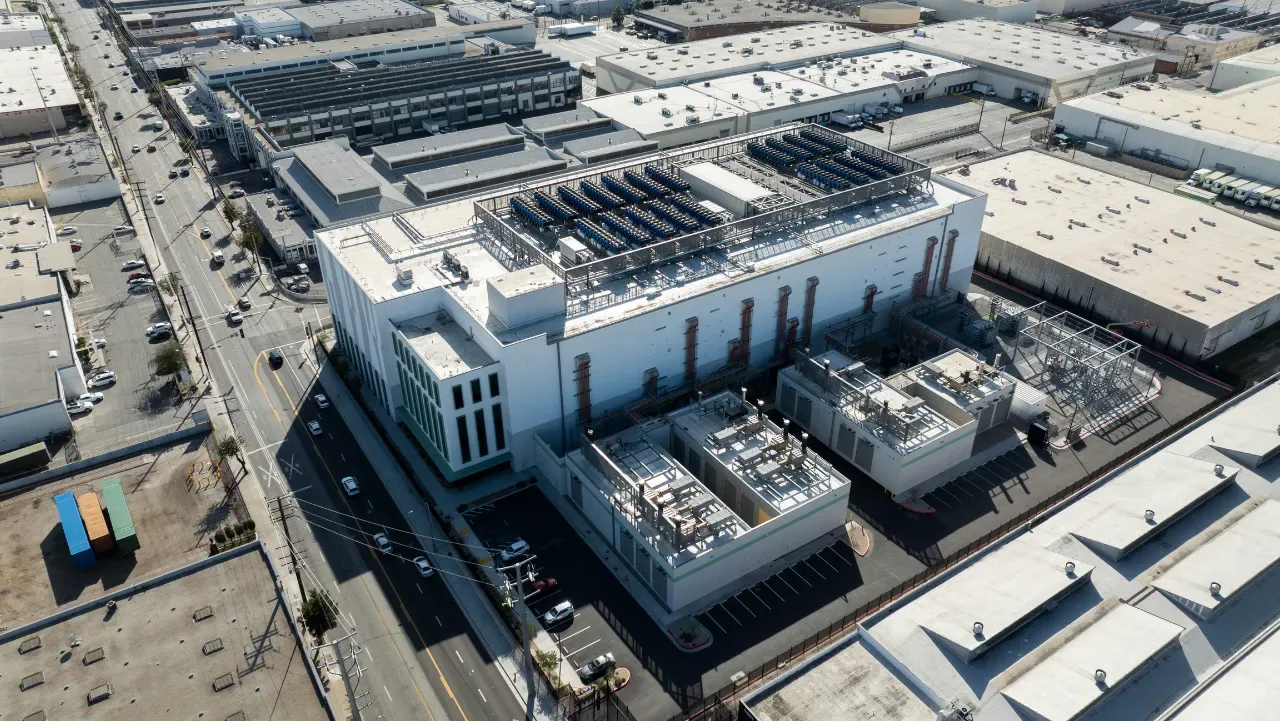
Roofing and solar trade sequence
We assign the order for roof repair, structural work, electrical rough-in, attachment installation, and final flashing. The project plan names who releases each roof zone and who accepts the completed penetration. Material staging, crane access, and shutdowns belong on the same calendar as the roofing work. If crews work in separate zones, the boundary and temporary closeout must remain visible to both teams. We log changed locations as a hold point so a field adjustment does not become an undocumented roof opening.
About 412 acres were acquired for the park beside I-20/SH 155, with about 230 acres remaining in 2025. The CR 3344 park connection and utility installation were completed during 2025. Lindale’s Business Park provides 137 acres of infrastructure-ready property north of I-20. We verify each project’s actual gate, lift area, work hours, and protected routes with the general contractor. A coordinated roof program can keep roof maps and releases separate by property.
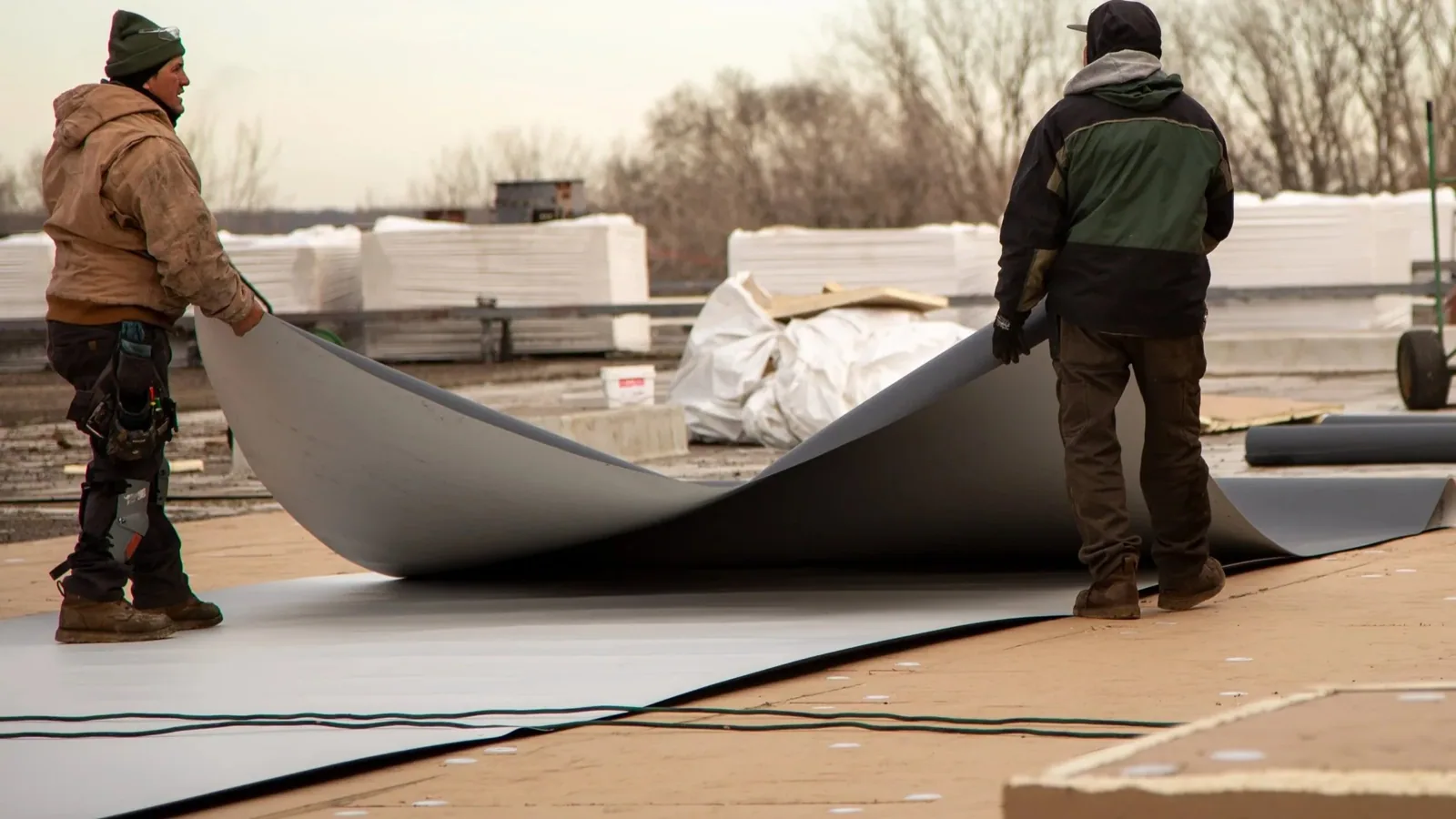
Future maintenance access
A solar-ready roof must remain serviceable after the array is operating. The roof plan should retain safe paths to drains, curbs, and service points and preserve enough clearance for inspection and repair. We note the panel edge, support locations, access routes, and areas that will be concealed. Where inspection access becomes limited, the maintenance record should say which areas remain visible and which require coordination with the solar operator.
Tyler targets advanced manufacturing, corporate services, information technology, and regional headquarters in its economic-development priorities. An office, plant, or logistics property may have different roof access and shutdown needs, so the maintenance window is confirmed with the building team. Tyler’s spring and autumn storm pattern includes hail and damaging wind. For damage at a panel support or flashing, call us; we confirm dispatch and access and record interim safeguards before permanent repair is planned. A photo condition report can preserve the roof baseline for later comparison.
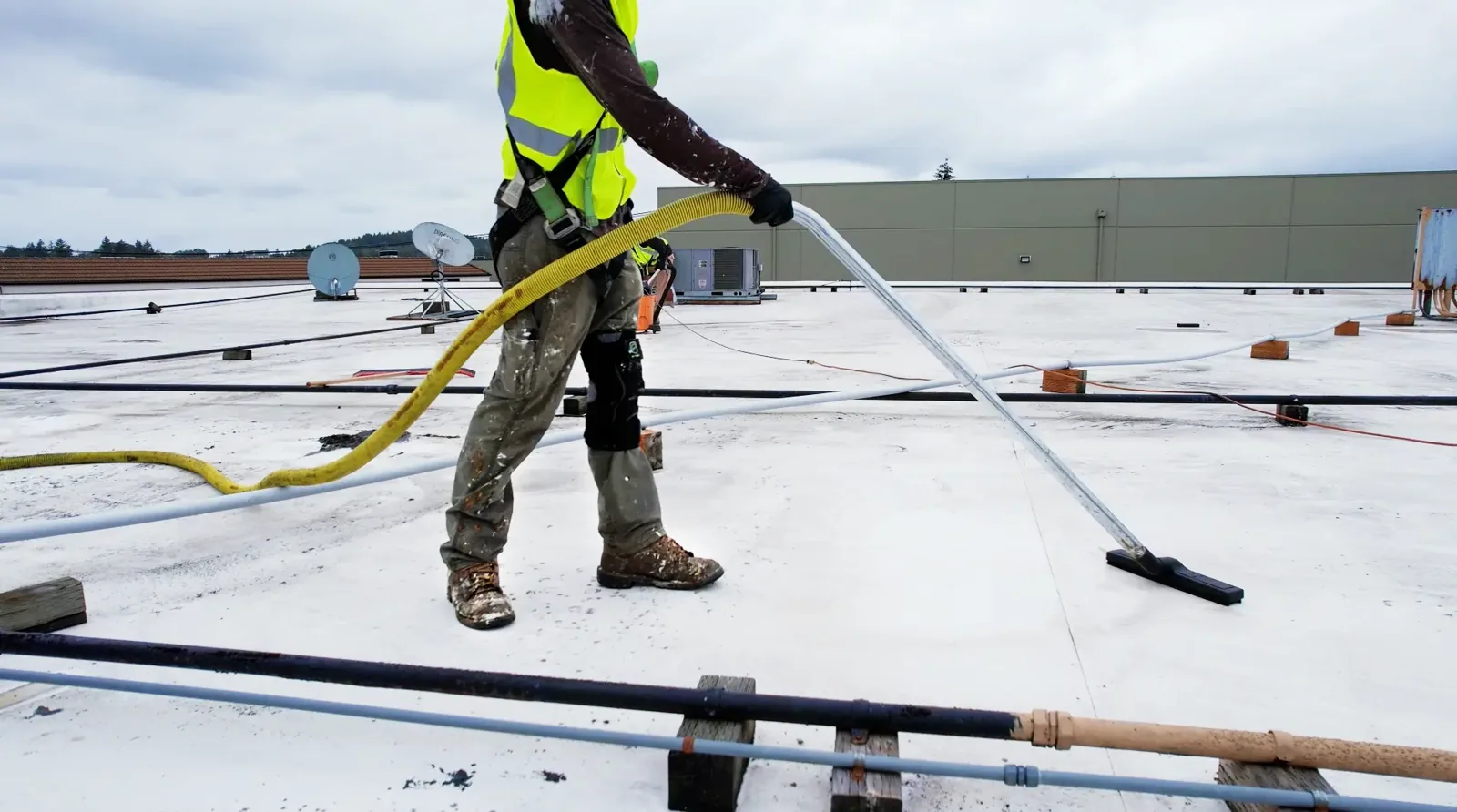
Project record and decision points
Before the array is released for installation, we provide the roof-zone map, inspection findings, agreed repairs, approved flashing details, test results, and open questions. After roofing work, photographs show completed seams, transitions, drains, penetrations, and temporary closeout. The general contractor can match that record to solar drawings and the next trade handoff. If the roof has areas that need later review, they remain listed with an owner and a follow-up condition rather than disappearing beneath equipment.
Cost and duration depend on survey access, testing, repairs, deck conditions, membrane type, the number of attachment points, lift work, and the amount of roof area that must be kept open. Waiting to coordinate until after array placement may require equipment removal to reach a repair area. We identify that access consequence in the sequence and separate known roofing work from structural or electrical decisions. For a planned replacement, a replacement scope can align roof life, insulation, and attachment coordination before the array is installed.
Commercial Roofing Questions
What does solar-ready mean for the roof itself?
It means the roof condition, assembly, attachment interfaces, drainage, and service access have been reviewed against the planned array. It is not a structural capacity approval. The project engineer or designer resolves capacity and attachment design, while we document the roofing conditions and flashing coordination.
Should solar equipment be installed before a roof replacement?
If inspection or testing indicates broad moisture, failing seams, or limited remaining serviceability, replacement should be evaluated before panels restrict access. We compare findings and schedule with the owner and general contractor. The roof decision should be documented before the array work package is released.
Who flashes the solar attachments and conduit?
The contract documents should name each trade's responsibility for supplying, setting, and flashing the attachment or penetration. We coordinate the roofing detail and inspect the membrane interface assigned to our scope. The general contractor records approval when the finished location matches the roof plan.
How are unknown deck conditions handled?
We mark test points where deck type or condition affects attachment or repair. Selective investigation can confirm the substrate before the project commits to a detail. Any additional deck work is photographed and held for approval before roofing closes the area.
What should be included in the roof handoff to the solar team?
Provide the roof-zone map, installed assembly, repair locations, approved flashing details, test results, drain paths, and areas that need service access. We also list open items and the party responsible for releasing them, so the array layout and field work use the same record.
Related Pages
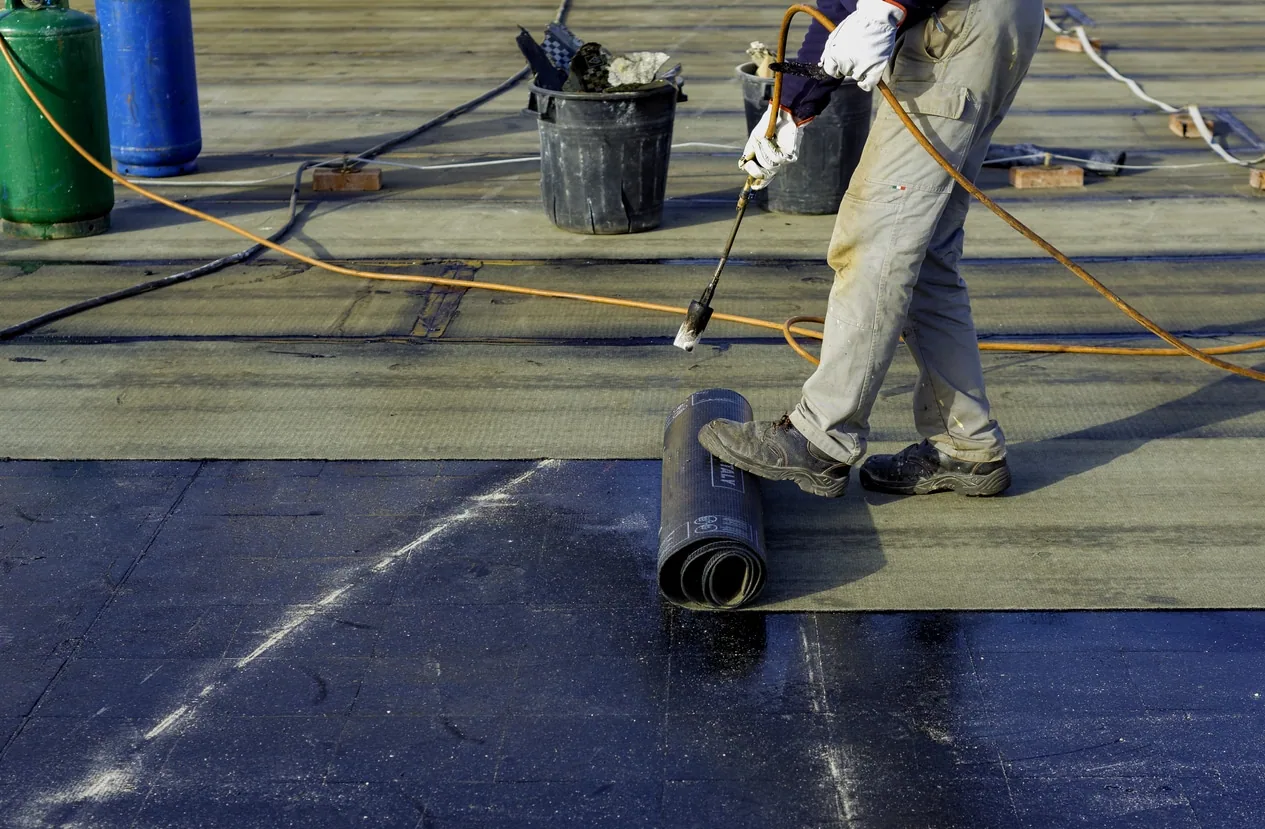
Commercial Roof Inspection
Tyler, TX
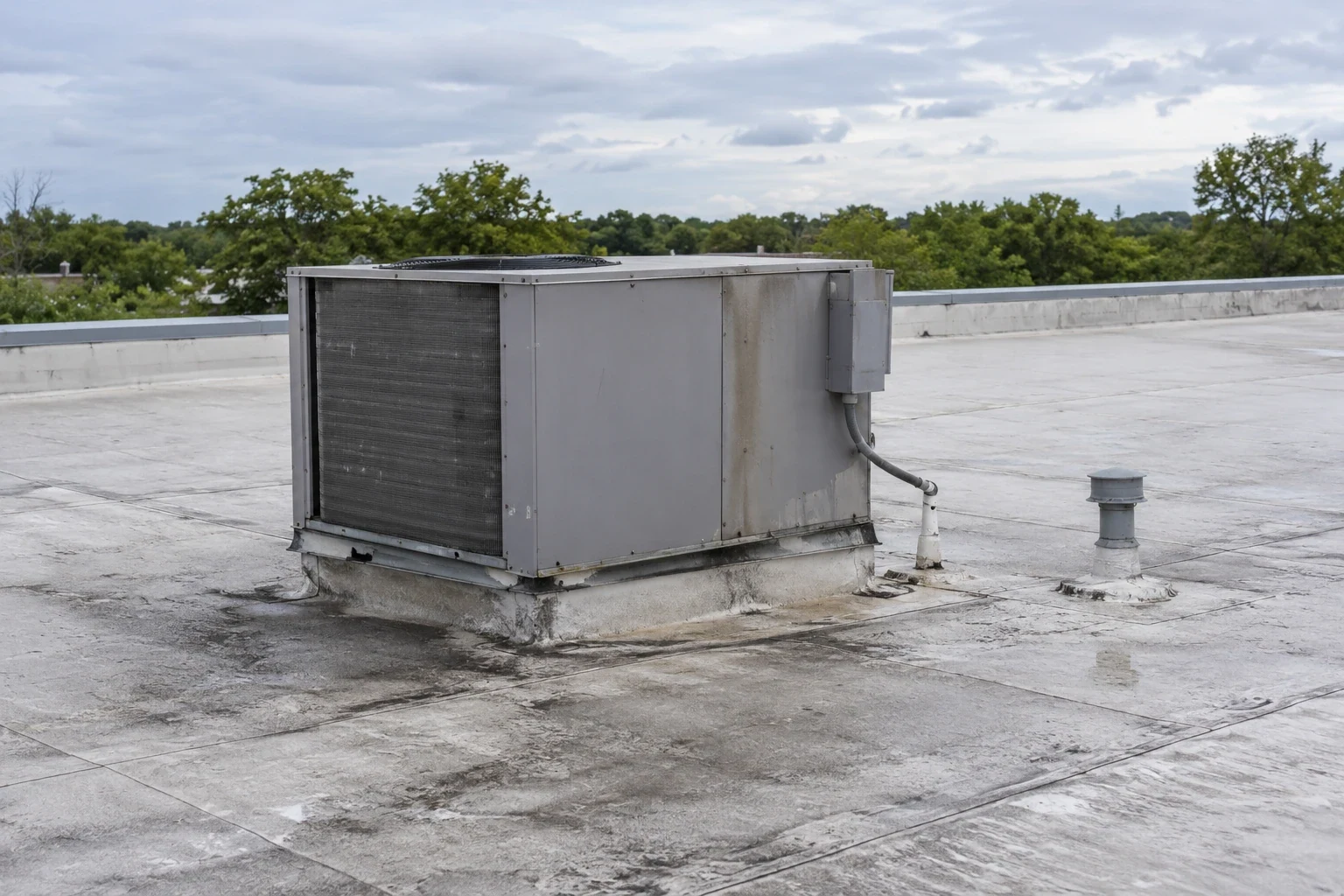
Tyler
Tyler, TX

Infrared Roof Moisture Survey
Tyler, TX
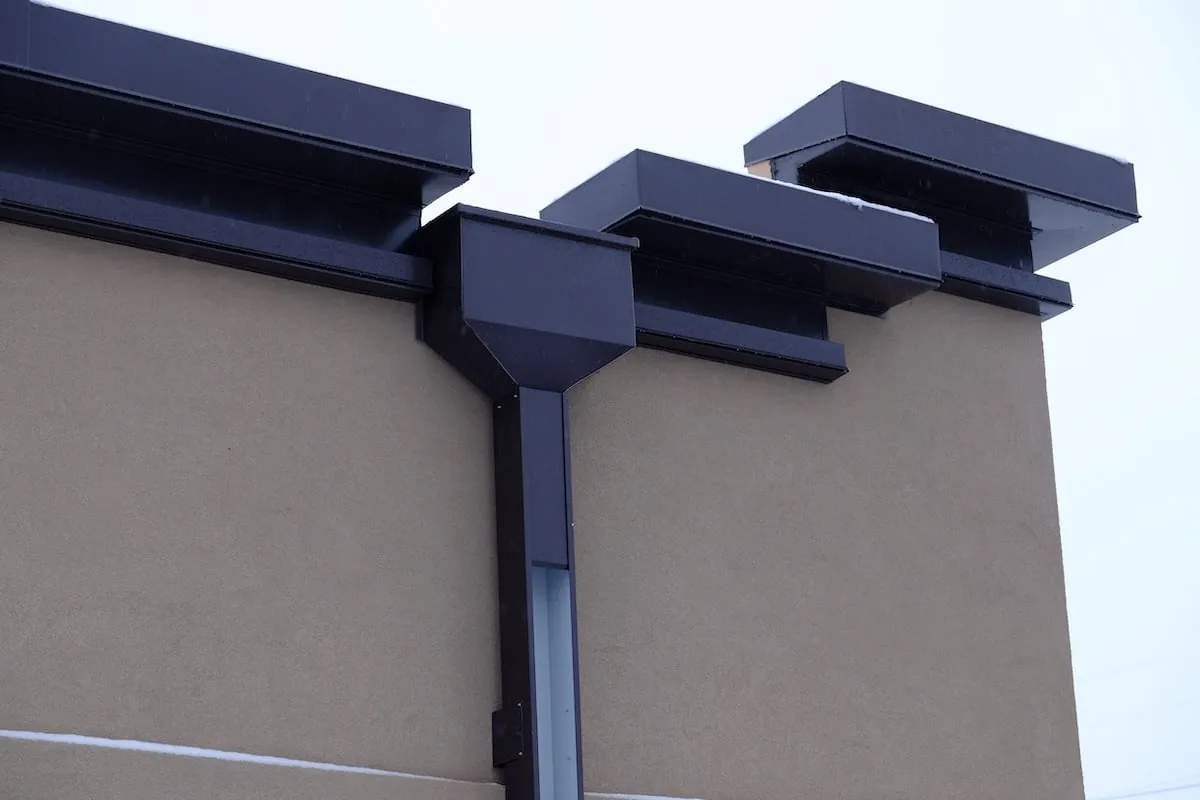
Commercial Roof Drains and Scuppers
Tyler, TX
Coordinate the roof before the array
Share roof drawings, installed assembly records, the preliminary array layout, maintenance routes, and desired decision date. We will map attachment checks, flashing details, and trade interfaces so the solar layout and roofing work can be reviewed together.