
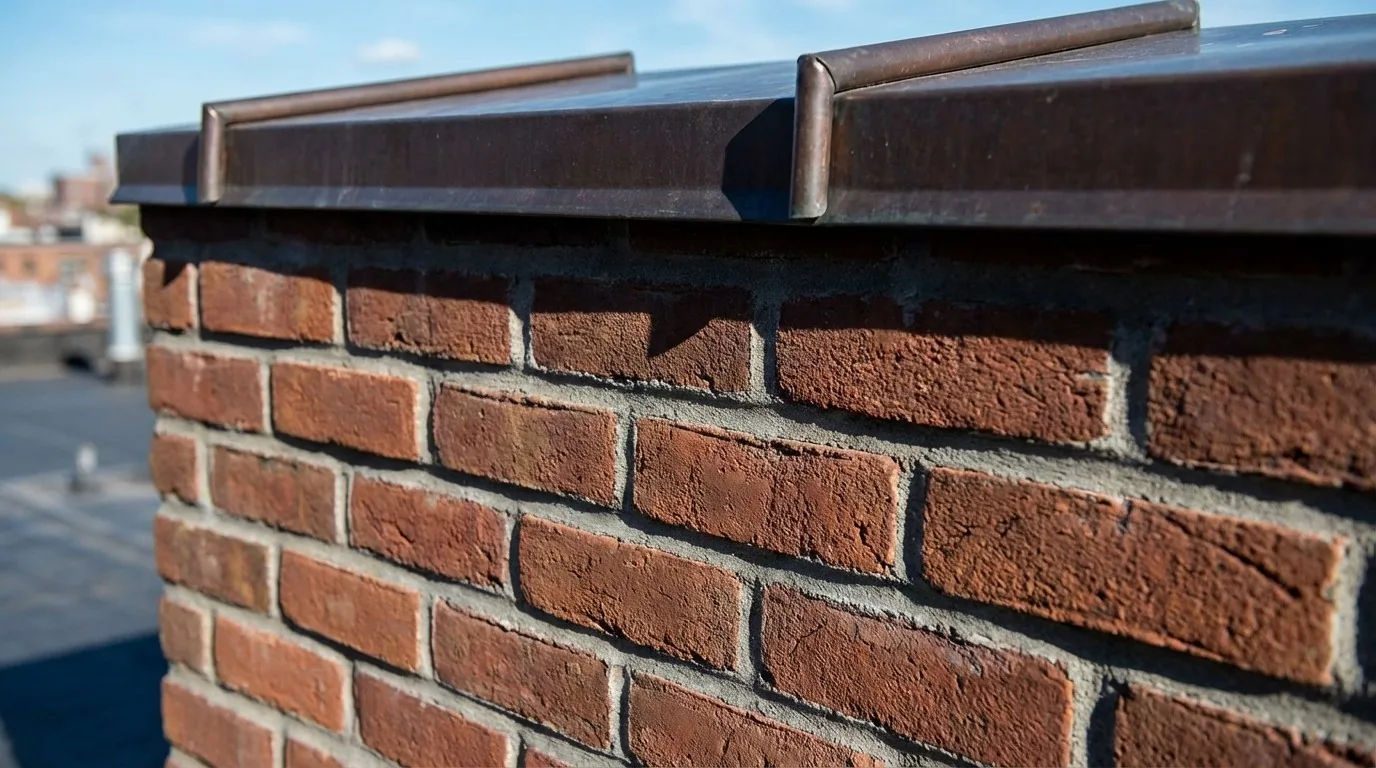
A loose cleat or separated coping joint can turn wind pressure into a roof opening, while a backed-up gutter can send water toward a wall or edge detail. Tyler’s spring and autumn storm season includes hail and damaging winds across the region, so we begin by checking the perimeter zones, fasteners, seams, and drainage route. We record the metal profile and attachment visible at the building, then define the access and repair boundary before removing a cap or opening a membrane termination.
At the Tyler Interstate Commerce Park or the South Broadway Commercial Corridor, a perimeter repair begins with measured edge lengths and a confirmed staging area. We locate the work above entrances, delivery paths, and occupied spaces before setting temporary boundaries. We use the roof plan and field measurements to coordinate coping, fascia, gutter, and membrane work as one sequence. A roof inspection can document the adjacent seams, curbs, and flashing conditions before the perimeter package is released.
Coping and parapet conditions
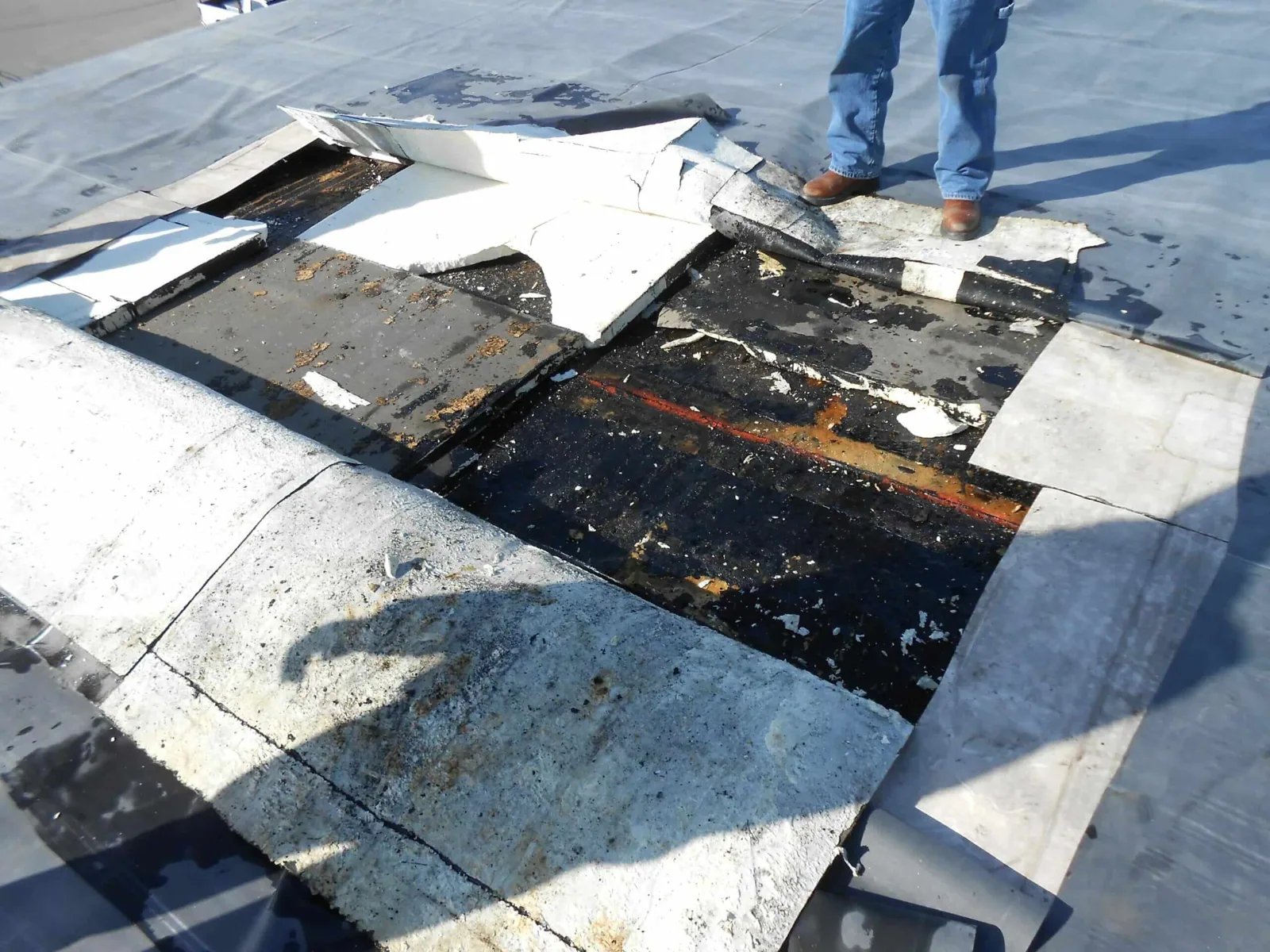
Coping caps protect a parapet top and must stay attached while allowing the assembly to manage water and movement. We inspect joints, splice plates, cleats, corners, end dams, fasteners, and visible sealant. A loose cap may rattle or shift; a separated joint can admit water; corroded metal may no longer hold the intended fastener. The report describes the location, length, and connection type so the repair can match what is actually installed.
We also review the wall-side and roof-side terminations. The coping repair may need coordination with the membrane turn-up, counterflashing, or a masonry joint. If the wall or parapet needs investigation, the work package marks a test area rather than assuming the metal alone is responsible. A flashing and penetration review may run in the same access release when the repair boundary touches nearby rooftop details.
Perimeter attachment and wind detail
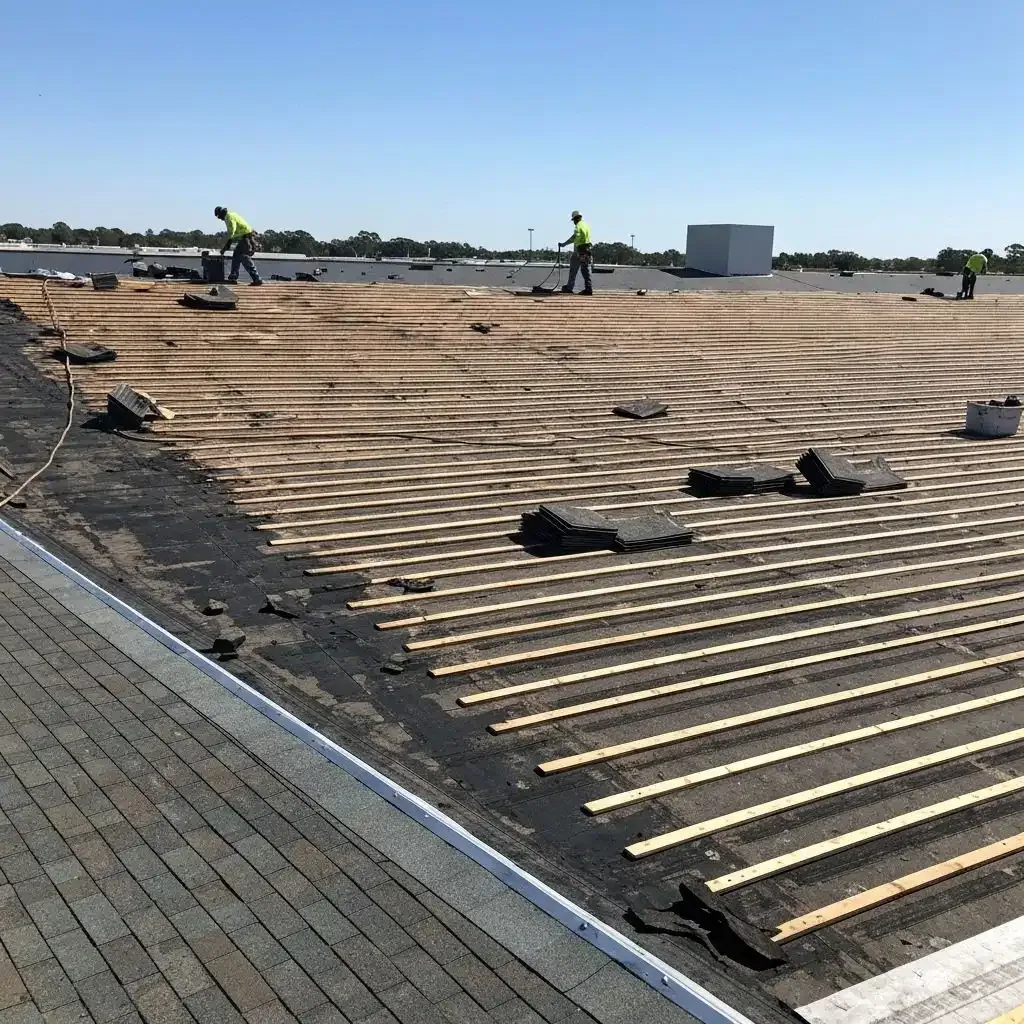
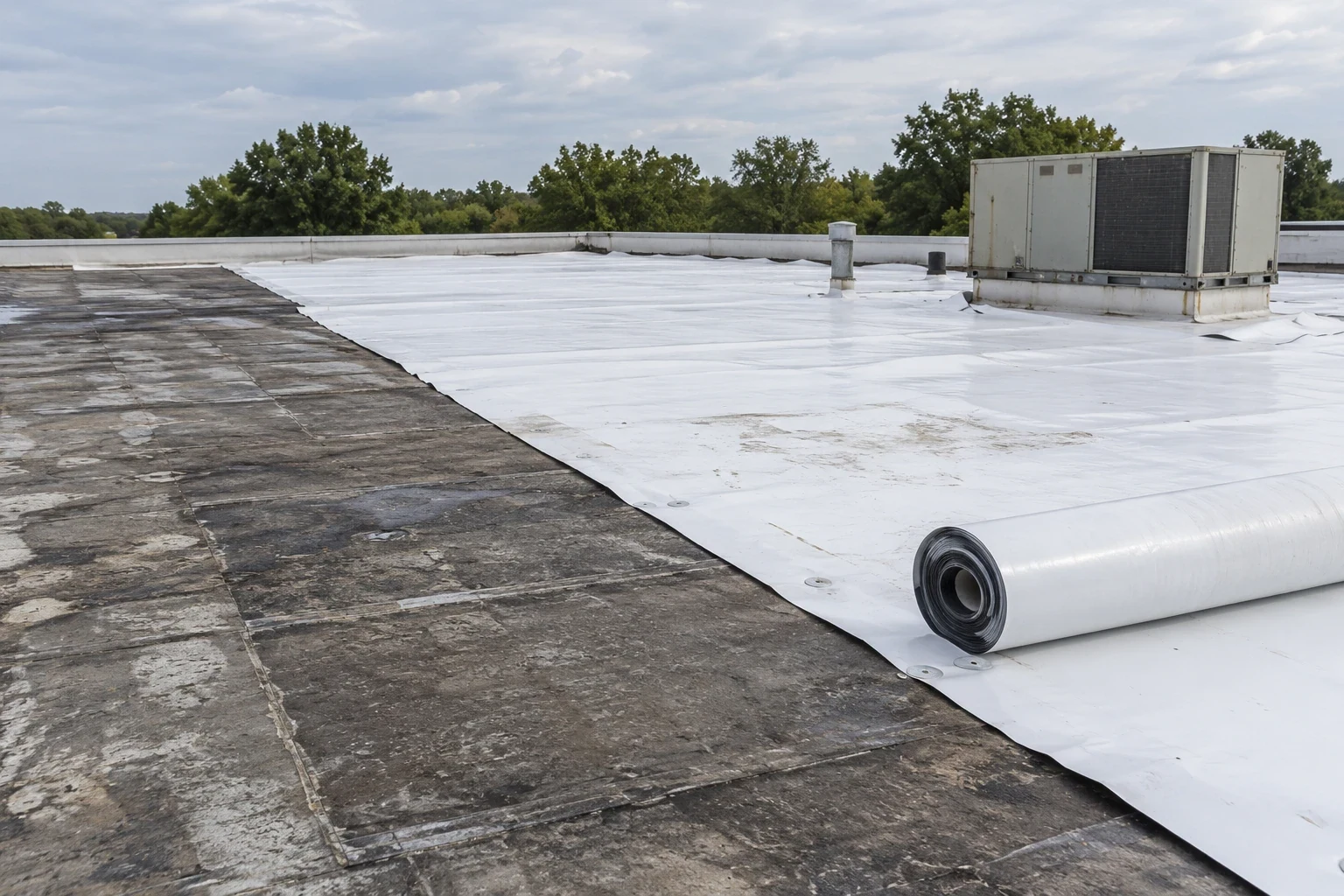
At the roof edge, membrane termination and metal attachment work together to resist wind loading and keep water outside the assembly. We inspect the edge strip, cleats, fastener pattern, membrane securement, joints, and transition to the deck or wall where accessible. A repair scope identifies any loose or missing piece and the section that needs removal to verify the substrate. We do not assume a short loose cap represents the entire perimeter; the measured boundary follows the observed attachment condition.
A tornado struck Tyler on June 8, 2021. Large hail and damaging wind also recur among severe-storm hazards in the four-state region that includes Texas. Those facts support careful edge review, but a specific building needs its own inspection and design requirements. The general contractor receives a marked roof zone, proposed detail, required test point, and hold point before the crew proceeds. If the membrane system needs a new termination, the approved TPO edge detail or EPDM termination must match the existing assembly.
Gutters, leaders, and discharge
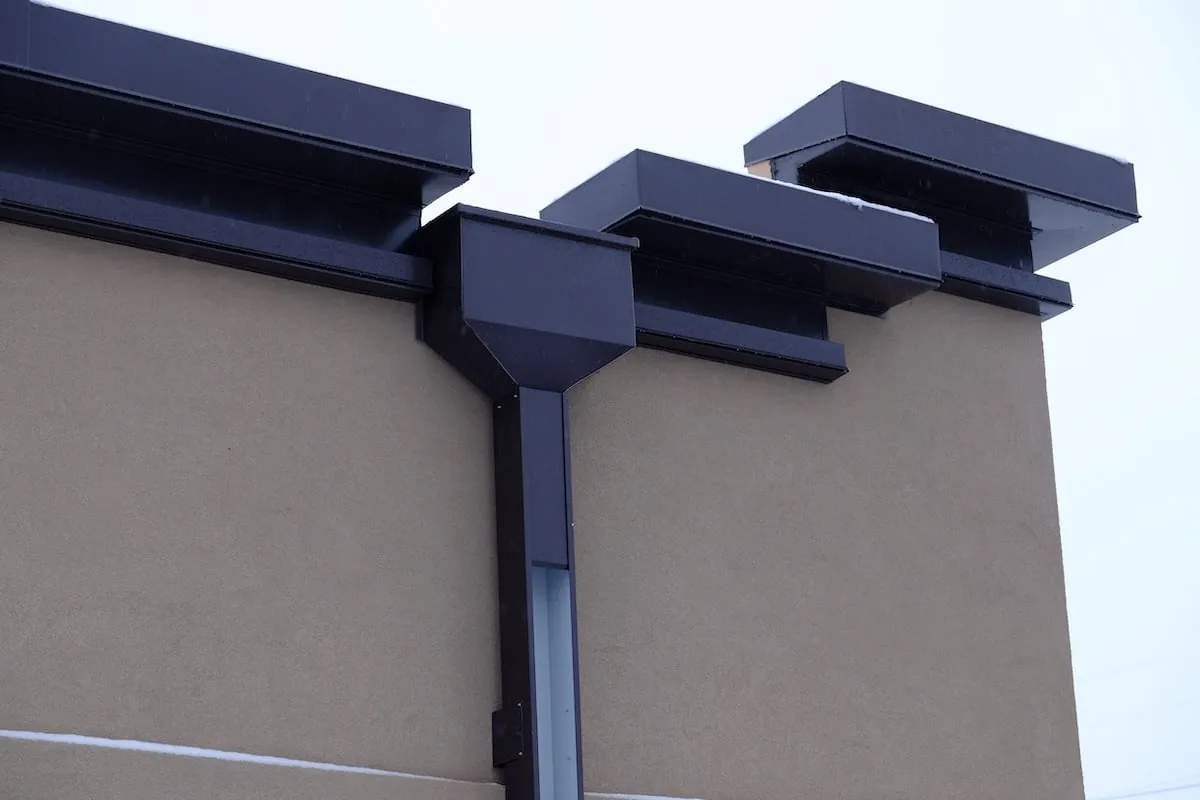
Gutter performance depends on slope, hangers, joints, outlets, and the route beyond the roof edge. We check for standing water, sag, separated seams, debris, corrosion, failed end caps, and a downspout or leader that has disconnected. An open gutter can still discharge against a wall or foundation if the exterior route is blocked. The inspection notes what was accessible and which part of the route needs a separate test or plumbing review.
Rainfall around a roof drain or scupper can expose a gutter overflow quickly, particularly where loose leaves or hail debris collect. We record the visible water mark and review nearby edge metal for staining or wetting. A drain and scupper evaluation can cover the roof-side outlet; this package follows the exterior gutter and leader to the approved discharge point. If ponding remains after outlet cleaning, a drainage assessment can consider the wider roof area.
Metal movement and attachment
Metal expands and contracts as temperature changes, so joint spacing, sliding cleats, sealant selection, and fastening detail matter. We identify the metal type and how it is joined before proposing repair. A rigid patch across a movement joint can crack or pull loose, while the wrong fastener can damage a coated surface or fail to hold the substrate. Replacement pieces should follow the profile and termination required for the specific edge assembly.
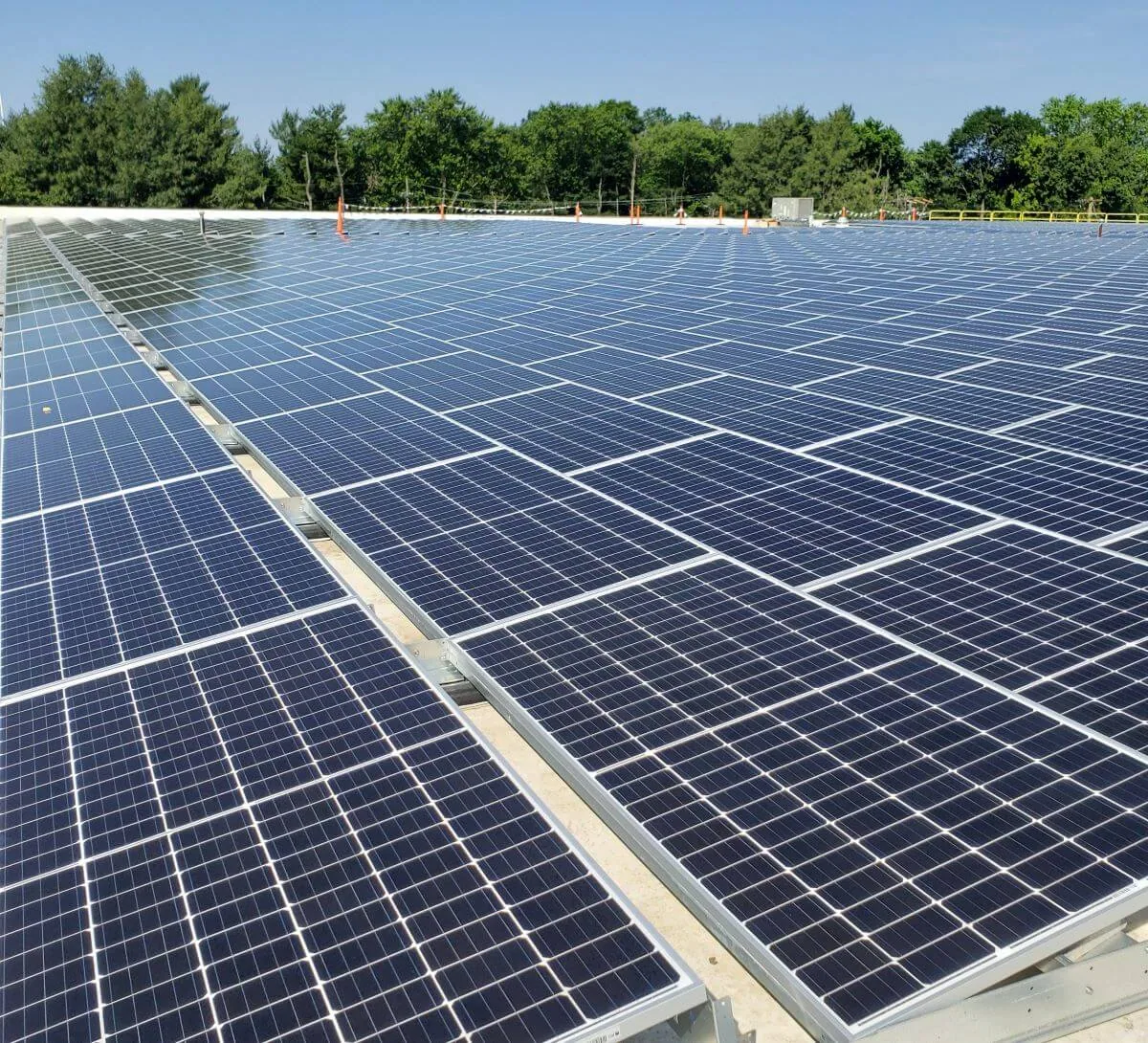
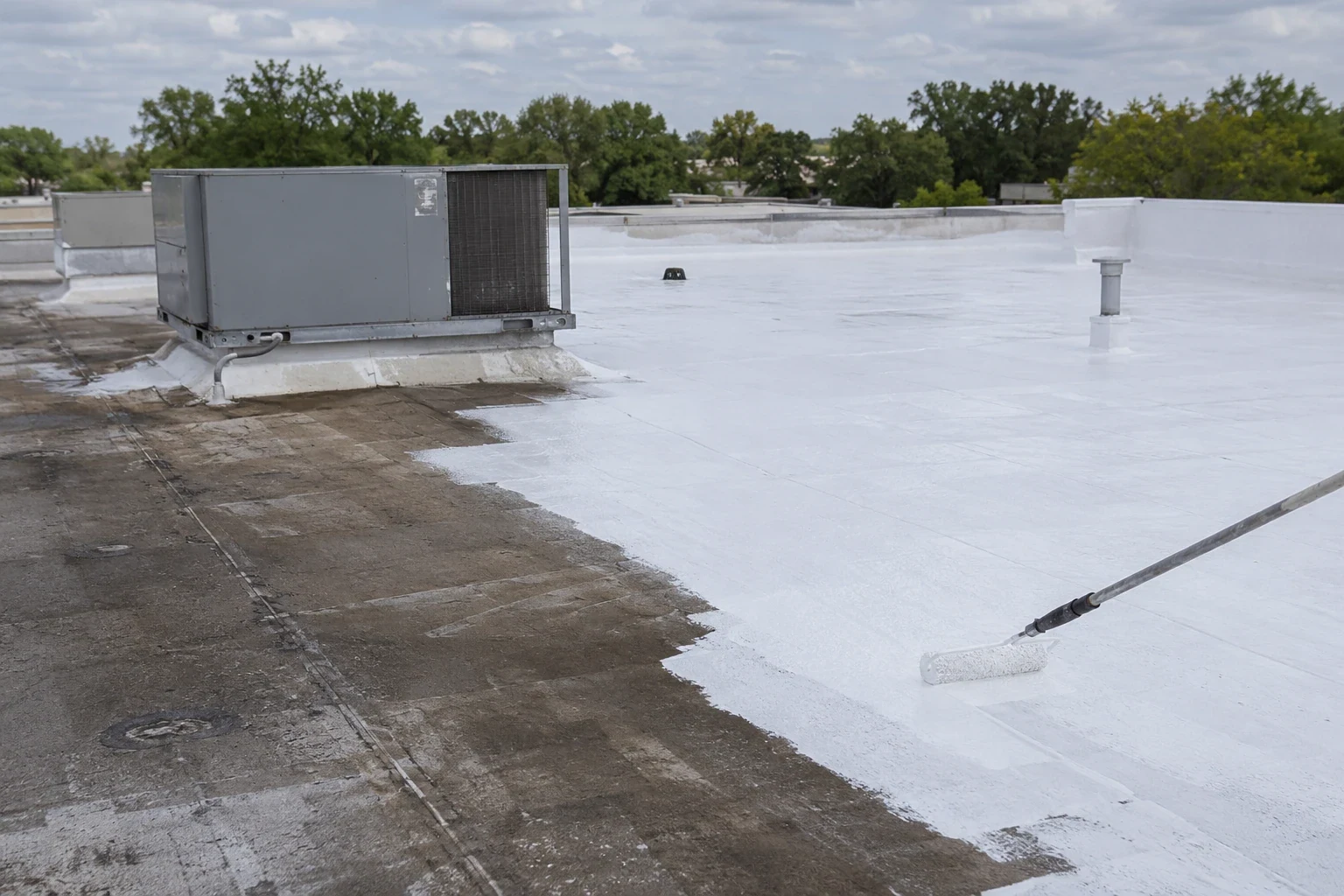
Tyler’s July normal high averages 94.5°F, making hot roof surfaces a practical scheduling consideration for handling and sealing metal. The roof itself may be hotter or cooler than the normal, so we measure conditions and follow sealant or coating instructions. Where edge work meets a coating project, the perimeter should be repaired and accepted before the coating pass covers the tie-in. A coating restoration plan can list the perimeter hold point and handoff.
Removal, replacement, and handoff
Before removal, the work package names the affected length, access method, interior protection, material profile, fastener or cleat detail, and temporary closeout. Once the cap or fascia is lifted, the crew checks the exposed substrate and records any condition outside the approved boundary. If the deck, wall, or membrane transition needs a change, work pauses at that hold point while the contractor reviews the repair. This keeps the new metal from closing over an unpriced or unrecorded condition.
Closeout photographs show joints, corners, attachment, membrane termination, and water path. The handoff records who accepted the roof zone and whether sealant, coating, or another product needs additional cure time. In Midtown Tyler, occupied property schedules may require separate releases for the roof edge and exterior below. We coordinate those windows with the site contact and leave a clear exposed-section plan if weather delays the final detail.
Perimeter maintenance record
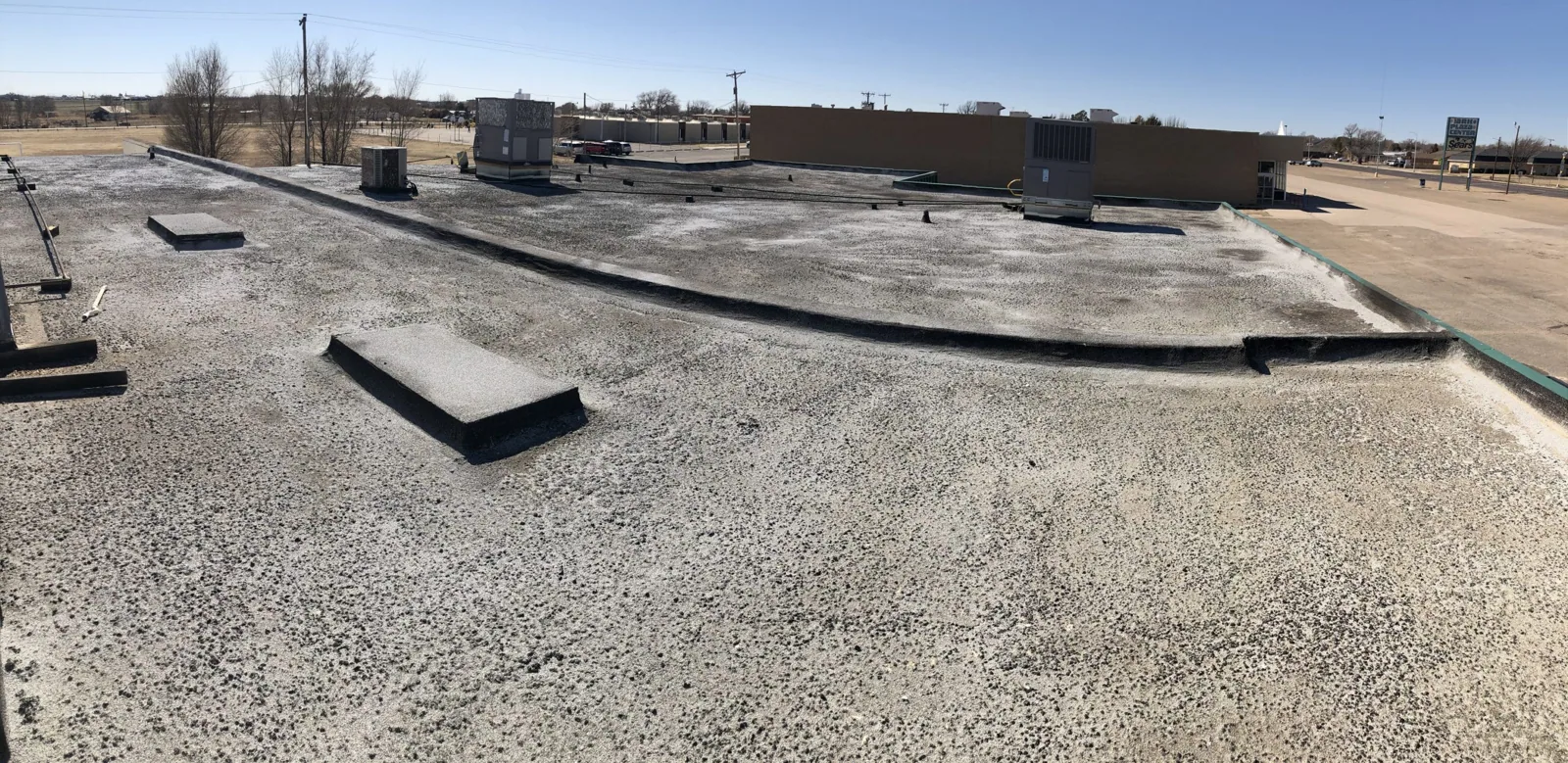
For recurring inspection, we maintain a perimeter map with section identifiers, repair dates, photos, and open conditions. That lets the next visit compare the same corner or gutter joint rather than relying on a general note such as “edge work needed.” The record distinguishes a tightened fastener from a replaced cleat, a sealed joint from a new metal section, and an observed defect from an authorized repair. Maintenance can then be scheduled around the locations that need attention first.
The owner also receives any drainage or wall interface concern that falls outside the approved roof scope. At a multi-property area such as the Tyler Interstate Commerce Park, common file labels can make work packages easier to review across sites without assuming their assemblies match. A photo condition report preserves the baseline, and a Tyler roof contractor can use it to plan the next access release.
Commercial Roofing Questions
What makes coping metal start to lift?
Loose cleats, failed fasteners, separated joints, substrate movement, or corrosion can affect attachment. We inspect the cap and its connections, then map the boundary that needs repair. The selected detail must match the parapet, metal profile, and membrane termination at that roof.
Can you replace gutters without disturbing the roof membrane?
Sometimes the exterior gutter can be repaired independently, but its attachment and roof-edge transition determine the sequence. We inspect hangers, fascia, membrane termination, and discharge path before setting scope. If the edge detail must be opened, we include membrane repair and temporary protection.
How does wind exposure affect the roof edge repair?
We check attachment and membrane termination at the affected zone and follow the assembly and applicable design requirements. Tyler’s storm history supports a careful perimeter inspection, while the repair size comes from field findings. We record any area that needs further testing or engineering review.
Does hot weather change metal or sealant work?
Temperature affects metal movement and can change sealant handling and cure. We take a current reading at the work area and follow the selected product instructions. A Tyler July normal is useful for planning, but the roof-zone reading sets the actual release.
What should the perimeter closeout show?
Photographs should capture the repaired run, joint and corner details, fasteners or cleats, membrane termination, and exterior drainage route. The handoff also identifies remaining cure time, open test points, and the person who accepts the area.
Related Pages
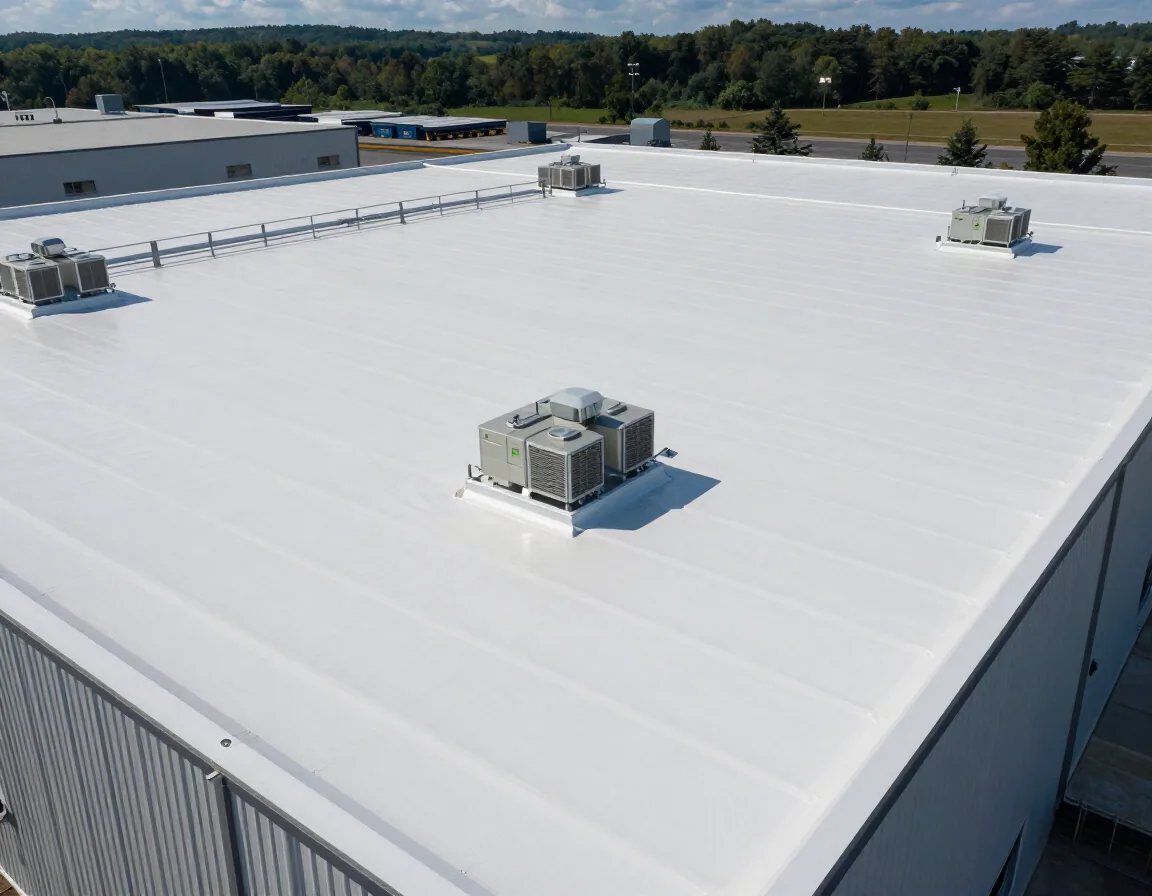
Set the perimeter work boundary
Send the roof plan, edge details, leak or wind history, exterior access requirements, and decision date. We will return a measured coping, gutter, or edge-metal package with material details and zone hold points.