
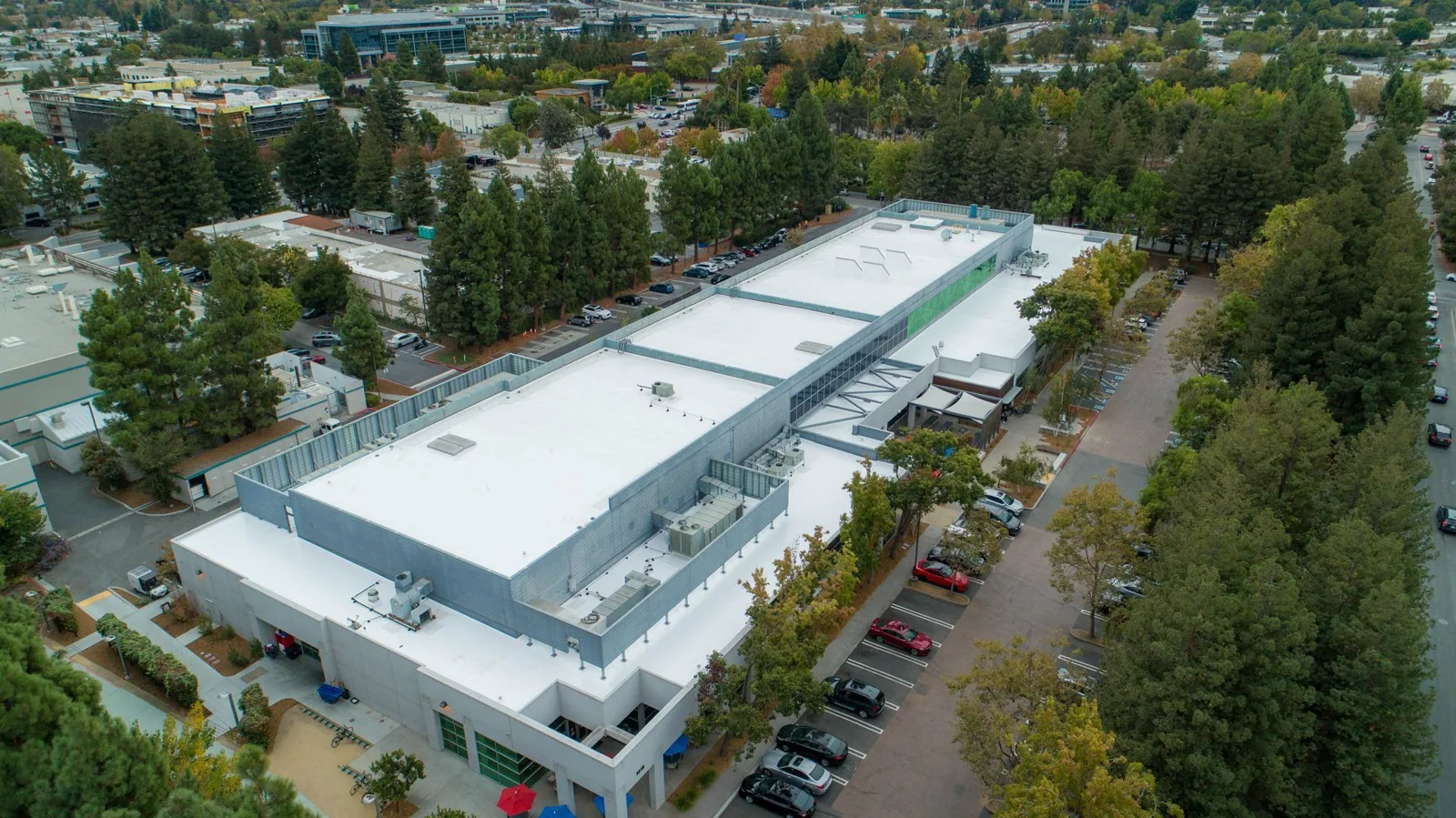
An acrylic coating needs time and suitable weather to dry, so we establish the preparation and closeout plan before a roof zone is opened. Tyler’s July normal high reaches 94.5°F, but the actual substrate and product instructions control the day’s work window. We check the existing coating, membrane, seams, drains, and moisture, then define where an adhesion test can answer whether acrylic is appropriate. The South Tyler Mobility Study Area and FM 2493 / Old Jacksonville Highway Corridor are transportation planning areas. Each roof project needs confirmed staging and access before materials arrive.
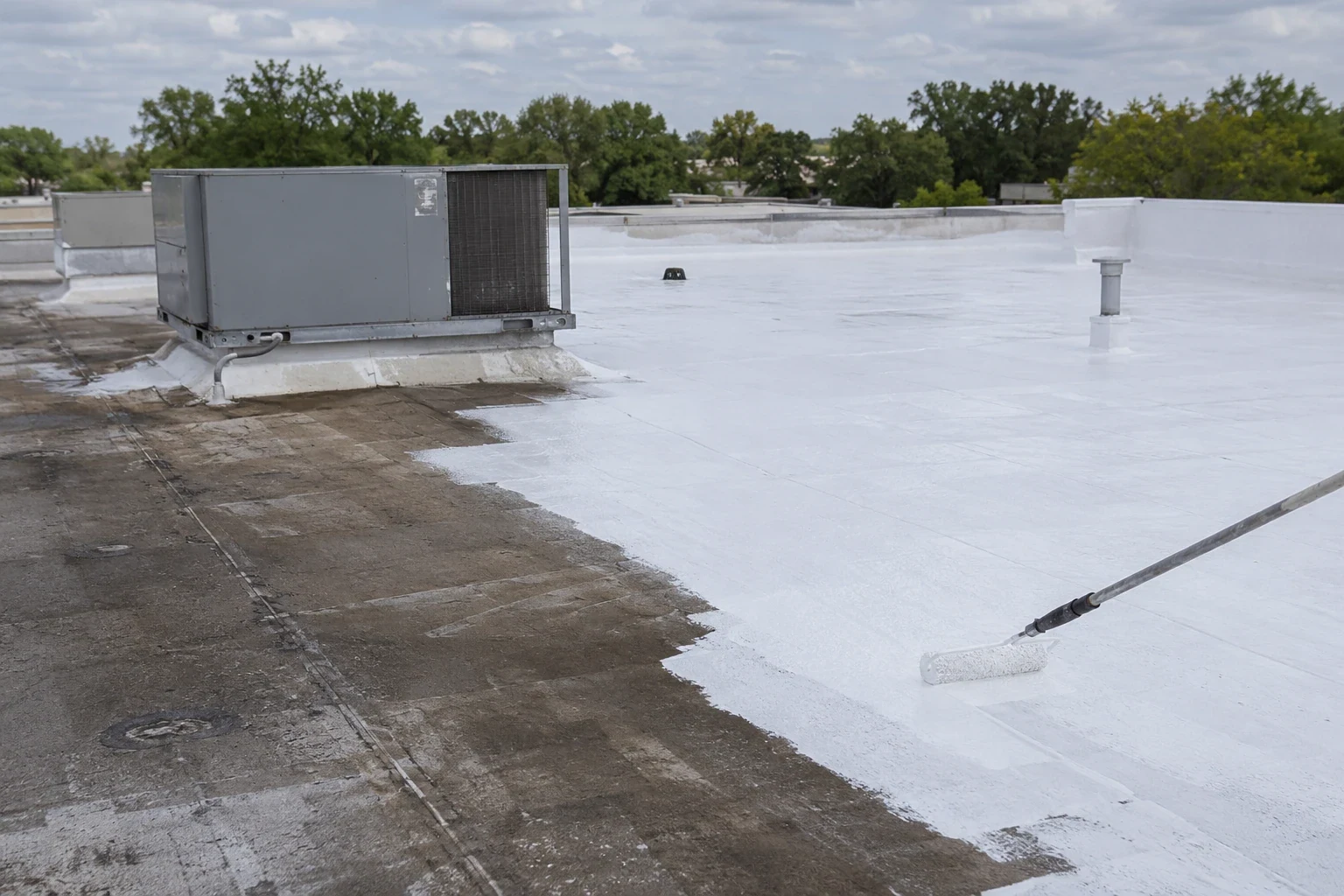
Acrylic is a water-based roof coating that cures as water leaves the applied film. It can provide a reflective surface over a compatible roof when drainage and application conditions support the system. It is generally a poor fit for recurring ponding unless the selected product permits that exposure. We check slope, outlet condition, substrate stability, and prior coatings before comparing restoration with repair or replacement. A coating restoration assessment starts with eligibility and test points, not a color choice.
Existing coating and membrane condition
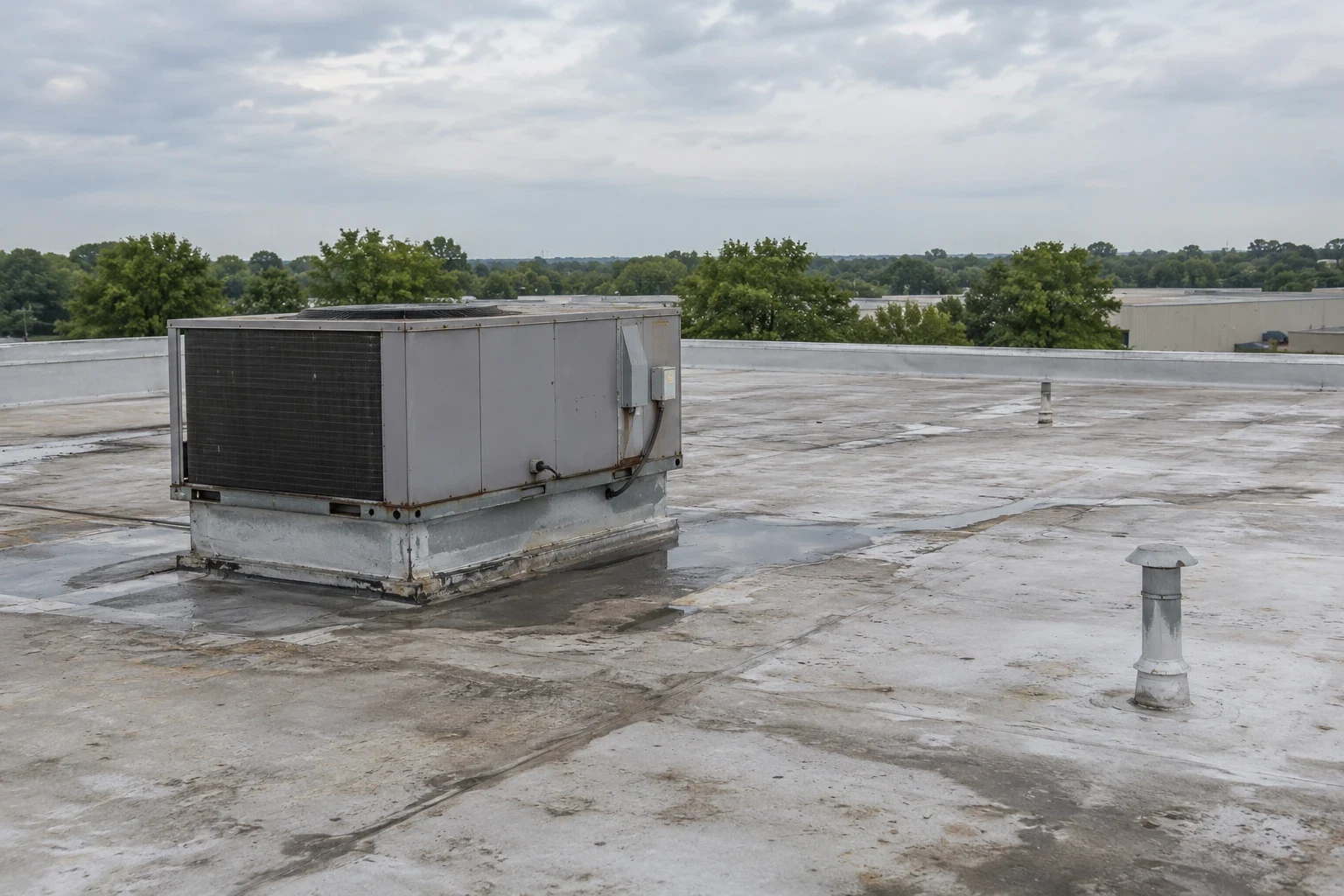
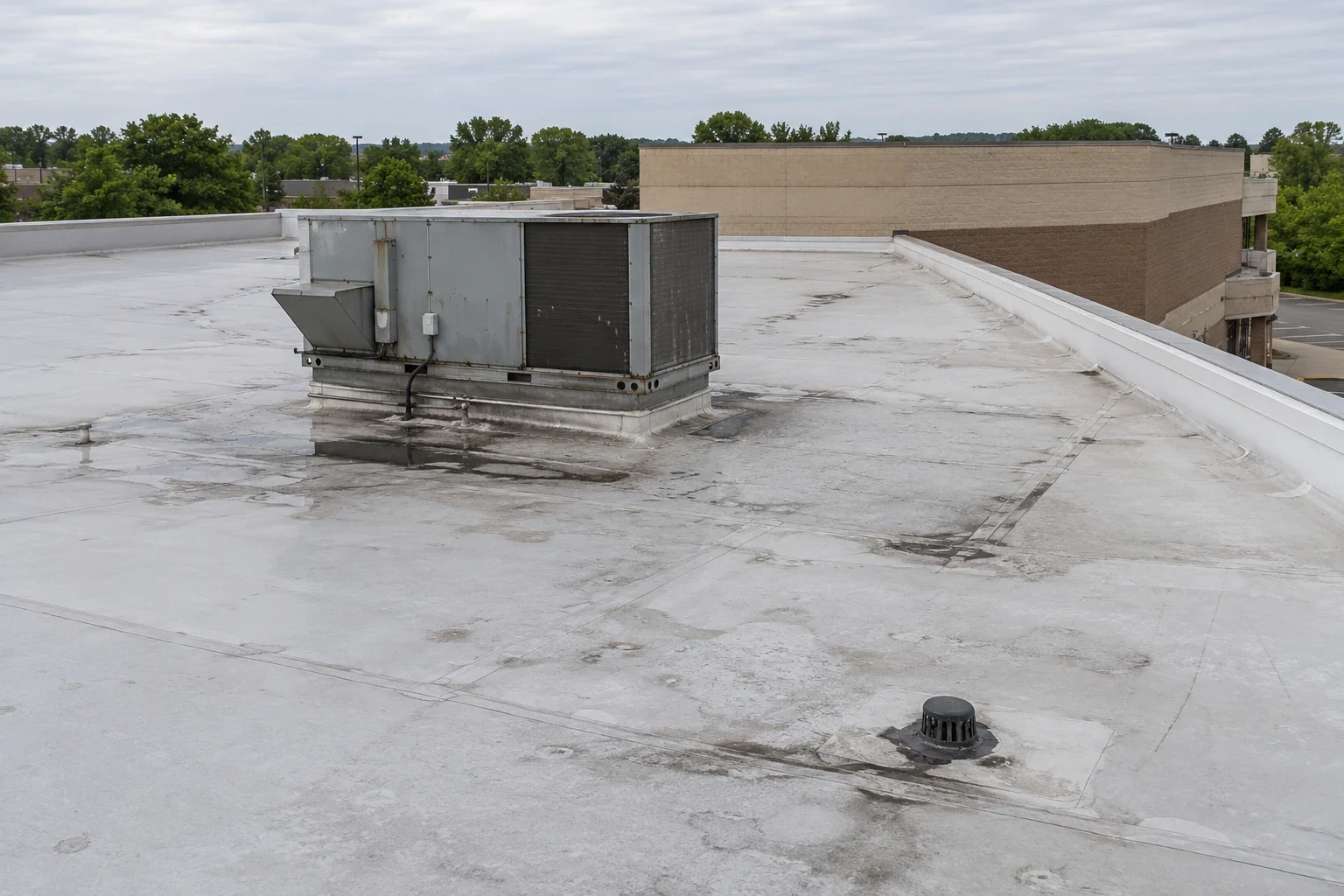
Acrylic may encounter an older coating, membrane surface, metal, or a combination of substrates across one roof. We identify each material and note chalking, peeling, contamination, blisters, open seams, wet areas, and previous repair products. A roof zone with a loose coating may require removal before a new layer can bond. Where the existing assembly is wet or unstable, the problem lies below the finish and needs repair or removal before a coating decision.
Test patches should represent the surface and preparation method expected in production. We record cleaning, primer, drying conditions, adhesion result, and location. If different sections have different coating histories or materials, they need separate test points and separate release decisions. Tyler’s varied commercial and manufacturing building stock does not identify the materials on an individual roof. We inspect the assembly in place and mark any area that requires a cut, moisture survey, or owner-provided product record.
Drainage and ponding limits
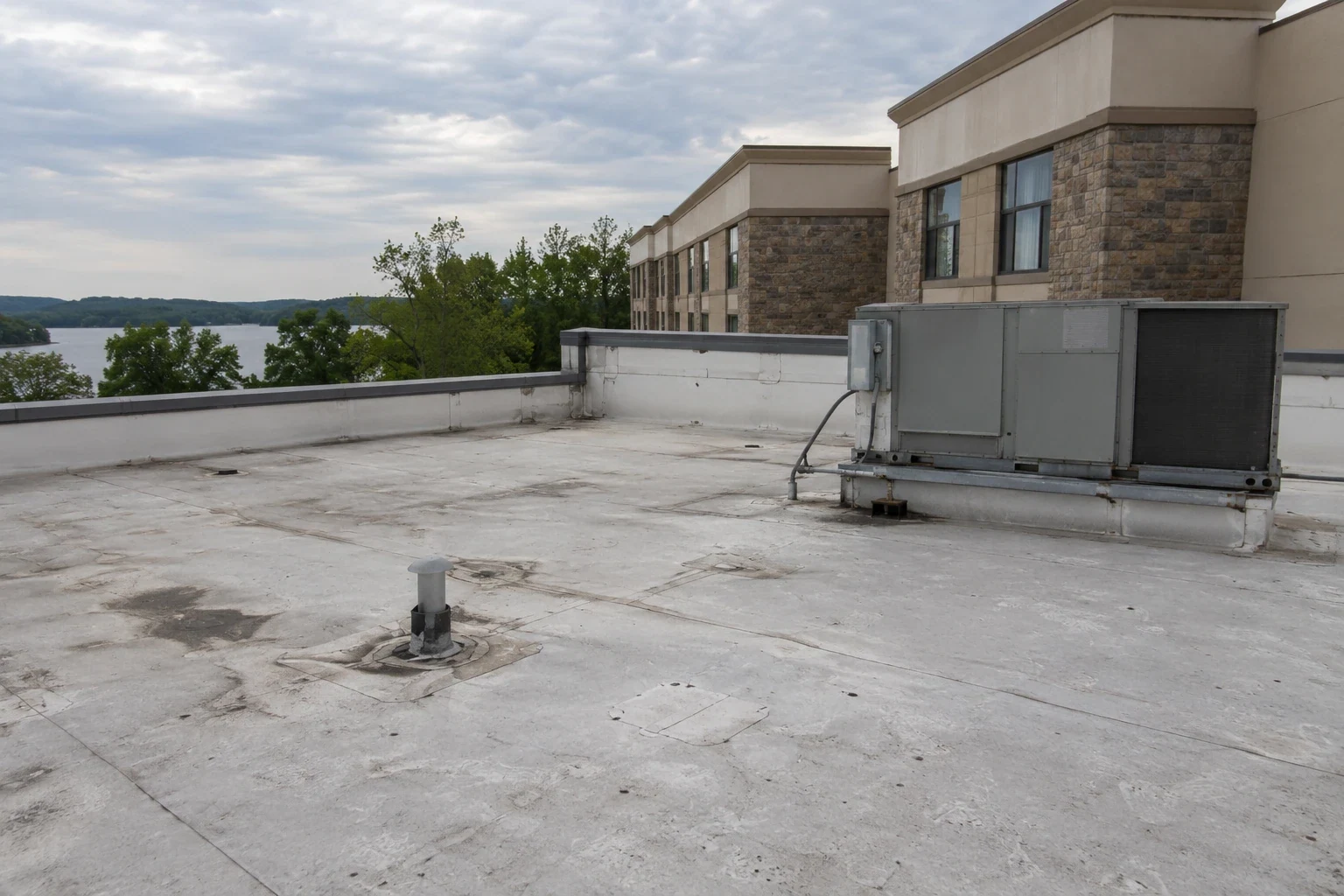
Water must reach a drain or scupper without routinely resting against an acrylic film. We check the outlet, slope, overflow route, and low areas, then note standing water at a stated inspection time. A blocked strainer differs from a depressed deck or insulation. If drainage correction is needed, we list it separately and complete it before coating in that zone. The coating can preserve a compatible surface, but it cannot make a low area drain by itself.
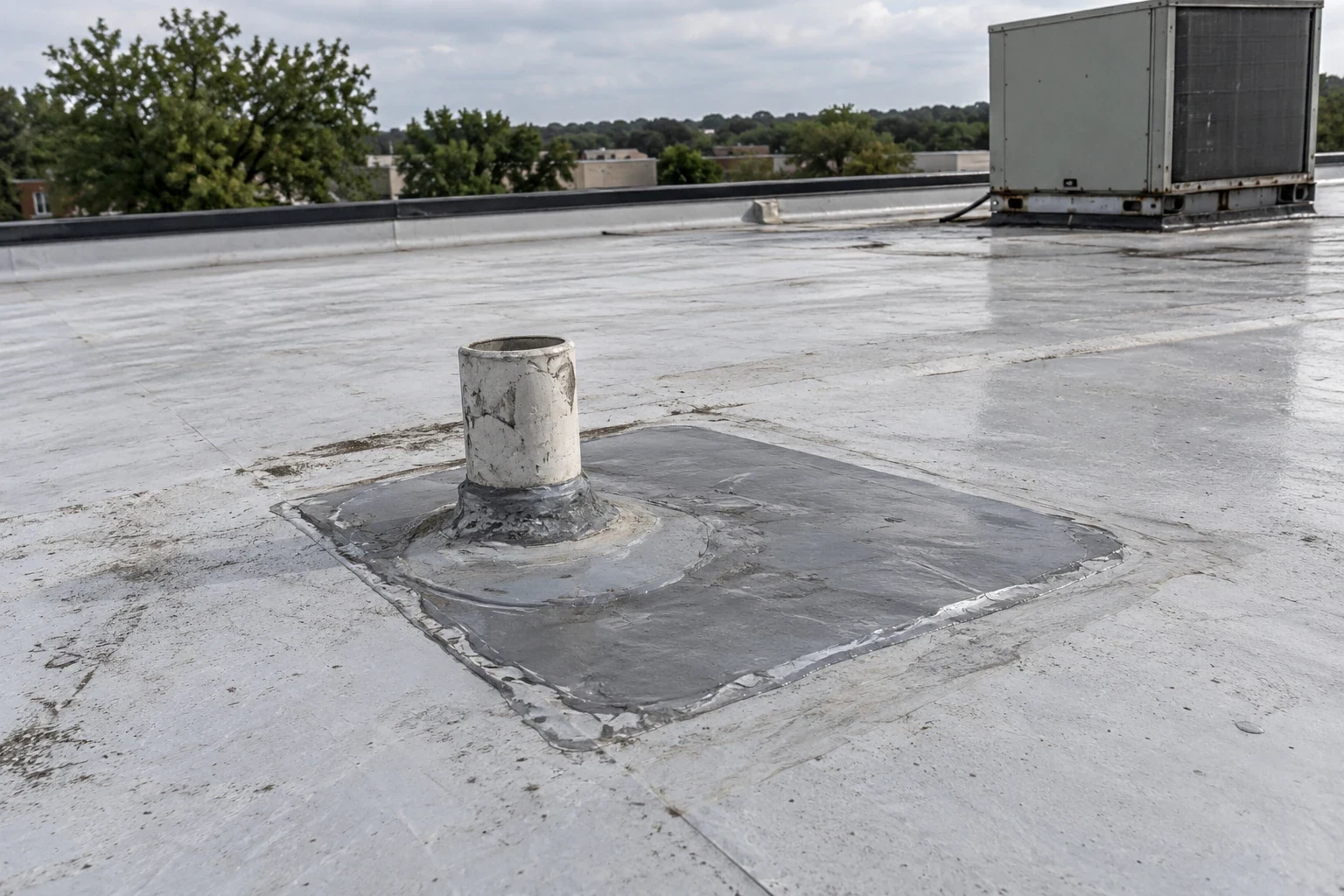
At drains, parapets, curbs, and penetrations, the acrylic system may require reinforcement or a compatible detail coat. The material must not obstruct the opening or cover a loose flashing transition. We identify terminations, field reinforcement, and water flow in the approved work package. A drain and scupper repair or penetration detail can be completed before the field application, with a separate inspection hold point for each connection.
Cleaning and adhesion release
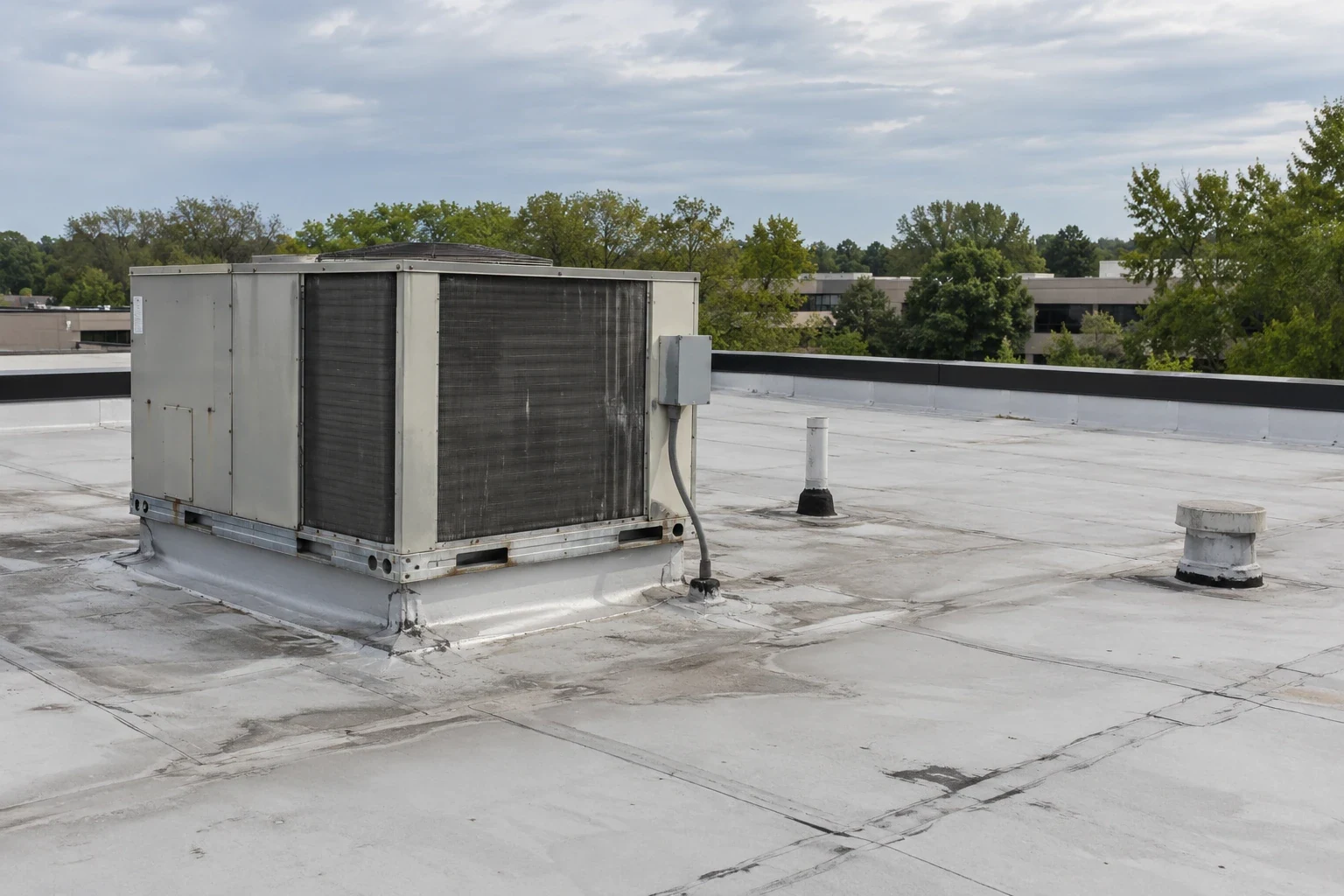
Surface preparation removes dirt, loose coating, and contaminants that can interfere with adhesion. Depending on the roof, the crew may wash, scrape, repair seams, prime, or remove an incompatible layer. We plan how wash water and debris are controlled around occupied areas, drains, and equipment. The surface must dry as required by the product before application. The record shows which preparation steps were completed and where the next test or primer release applies.
Tyler’s hot season can shorten some working windows, but the normal high is not the roof-surface temperature. We take a substrate reading and check air temperature, humidity, dew point, and moisture against the system instructions. An adhesion window can close even when the calendar says the crew is available. If the surface is outside its allowed range, the work plan identifies a different approved task and leaves the prepared area protected until the next release point.
Application and dry-weather protection
Application rate, wet-film thickness, reinforcement placement, and recoat interval all affect the finished system. We divide the roof into manageable zones, record material use, and check thickness at the locations required by the plan. Wind can carry overspray, while dust or rain can affect a wet film. The work package sets masking boundaries, wind limits, material staging, and the person who can pause work when conditions change.
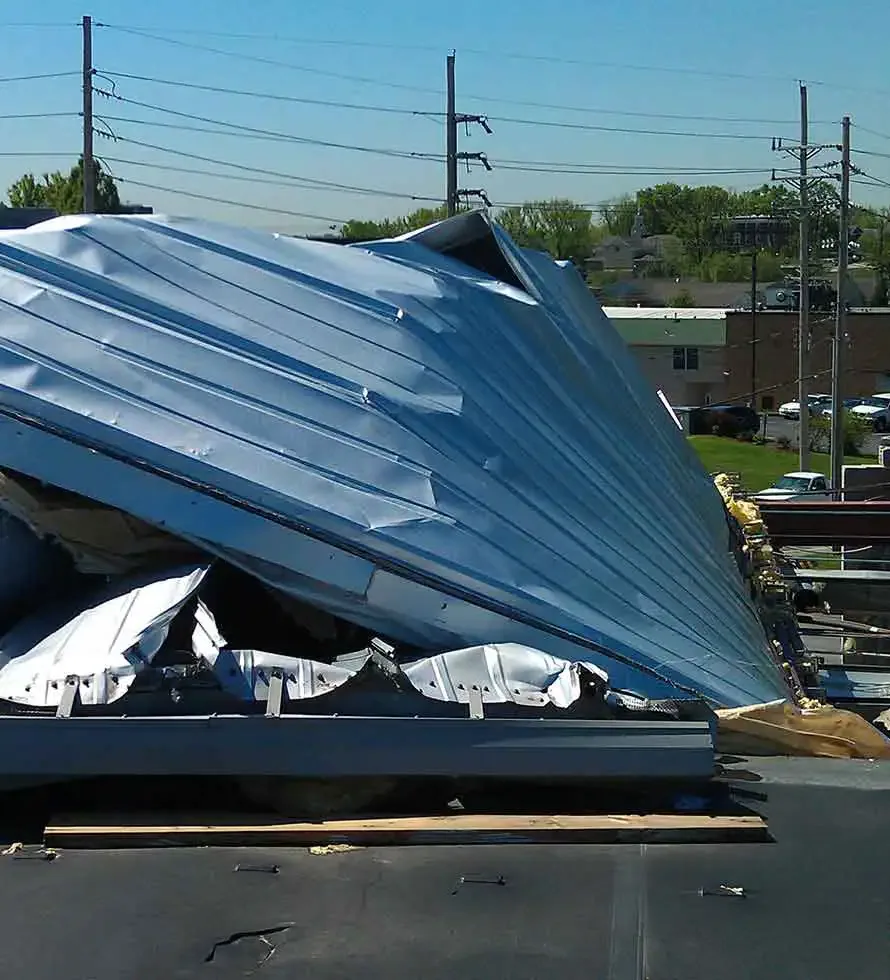
Because acrylic is water-based, drying depends on weather and the condition of the surface. Cool, humid, or wet conditions can extend the time before a next coat or traffic release. Tyler’s spring and autumn severe-storm exposure adds a closeout step: drains remain clear, exposed edges are protected, and the foreman records which zones are dry enough for the next operation. If a storm threatens, the contractor receives the area left open and the test or visual check needed before a new coat can tie in.
Seasonal schedule and site access
Tyler’s July daily high normal is 94.5°F, a useful planning reference; hail and wind threats are more active in spring and fall. For coating work, the immediate concern is whether each zone is cured, protected, and draining before a weather delay. These conditions affect scheduling, but current roof readings and forecast conditions decide the work sequence. We do not release coating over a surface that falls outside the system instructions. A weather delay is recorded by zone, with the material condition and the next approved task identified.
South Tyler's mobility proposal evaluates several corridors, while FM 2493 / Old Jacksonville Highway passes through multiple jurisdictions. Those local transportation settings can affect staging and deliveries, but we verify the property’s own gate, lift path, occupied routes, and access hours. The general contractor receives a work package with washing, repair, testing, application, and cure periods assigned to separate handoffs. That helps operations coordinate other trades without assuming that all roof zones can be released at once.
Coating records and future maintenance
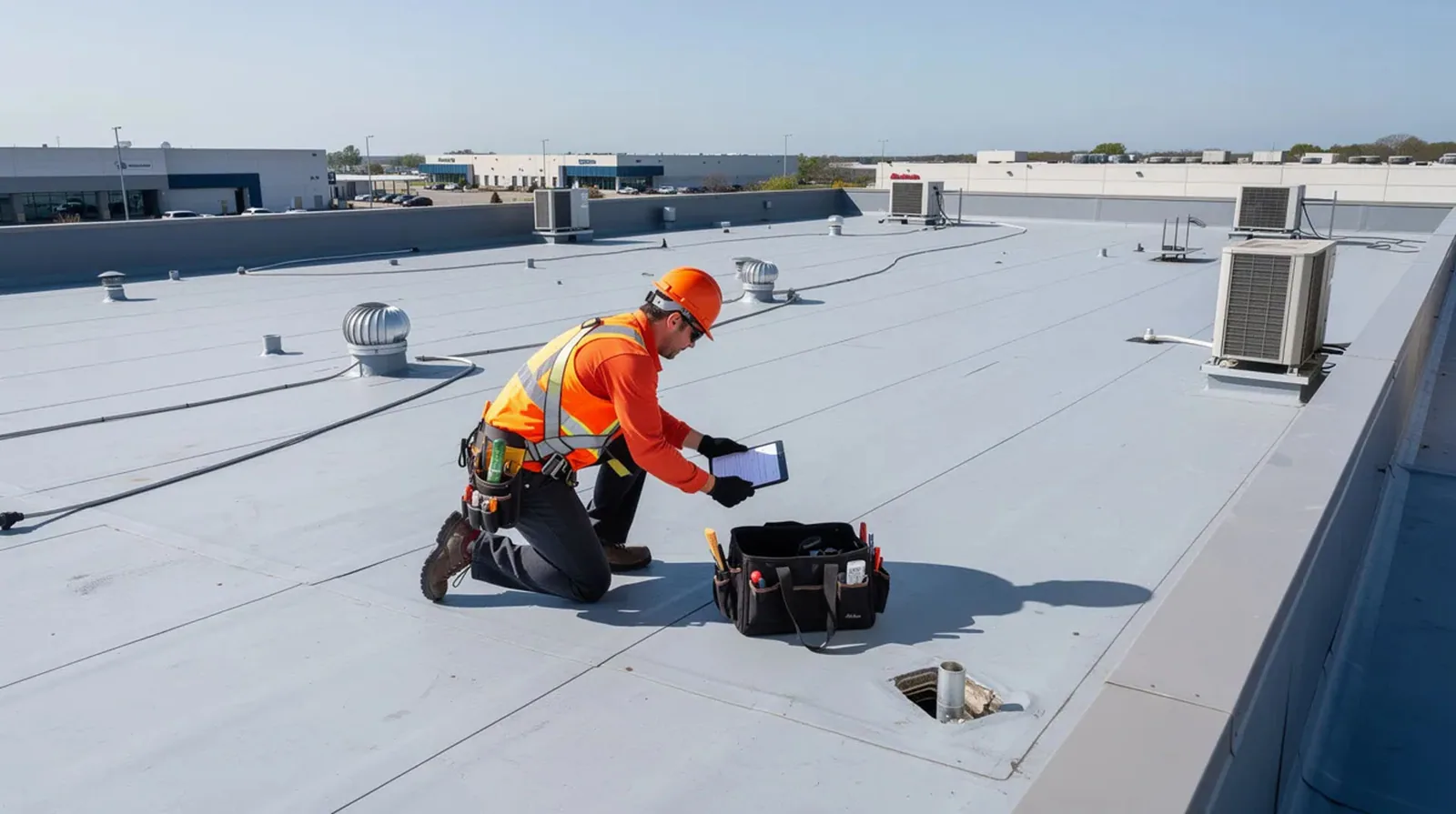
Closeout includes the prepared-area map, adhesion results, repair details, primer and coating product, wet-film checks, drain review, photographs, and zones left outside the scope. We note any areas where the coating could not be applied and identify what must be repaired before a future visit. The owner also receives the next inspection trigger from the system documents and the access route needed for maintenance. A coating record should make it possible to identify the work without opening an old bid file.
Restoration cost depends on cleaning, removal, repair, reinforcement, primer, number of coats, roof geometry, access, and weather delays. We show those items by work package and identify test-dependent assumptions. If moisture or attachment fails an eligibility check, we compare repair or replacement rather than expanding the coating scope. A silicone system may be considered where standing-water exposure differs, while TPO offers a new-membrane option. A Tyler roof review or condition report can preserve the findings for future planning.
Commercial Roofing Questions
Is acrylic coating suitable where water ponds?
Acrylic generally needs drainage and is not a default choice for recurring ponding. We check the outlet, slope, duration of standing water, product limits, and the existing assembly before recommending it. A drain or low-area correction may need to happen first.
How do you test an older roof before applying acrylic?
We identify the existing materials, prepare representative areas, and test adhesion under the selected system procedure. The result is recorded with the cleaning and primer used. Dissimilar substrates or coating histories may require separate test patches before the roof-zone release.
Does Tyler’s heat help acrylic dry faster?
The surface reading, humidity, dew point, air movement, and product instructions determine drying and recoat timing. Heat can change the application window, and cure timing follows the product instructions. We check each zone and record when it is ready for the next step.
What if rain arrives before an acrylic coat dries?
We limit the open area and identify how the wet film and drains will be protected before application begins. If weather changes, the crew records the zone and waits for the required inspection or preparation before recoating. The manufacturer’s instructions govern the next pass.
What belongs in an acrylic coating closeout?
We provide the substrate and adhesion record, preparation, primer, coating details, wet-film checks, repair photos, drain condition, and excluded zones. Open tests receive an owner and next step. The closeout also identifies the product-based inspection interval for future maintenance.
Related Pages
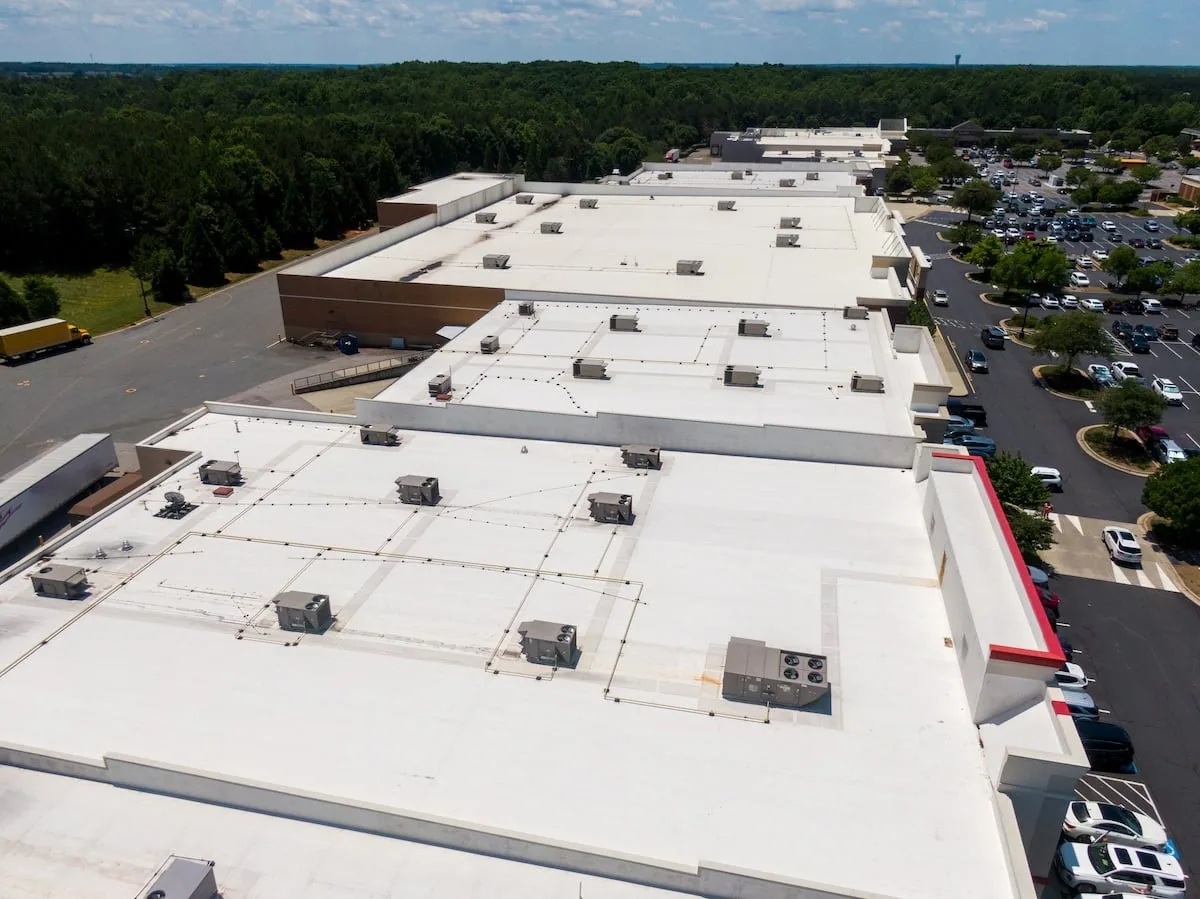
Commercial Roof Coating Restoration
Tyler, TX
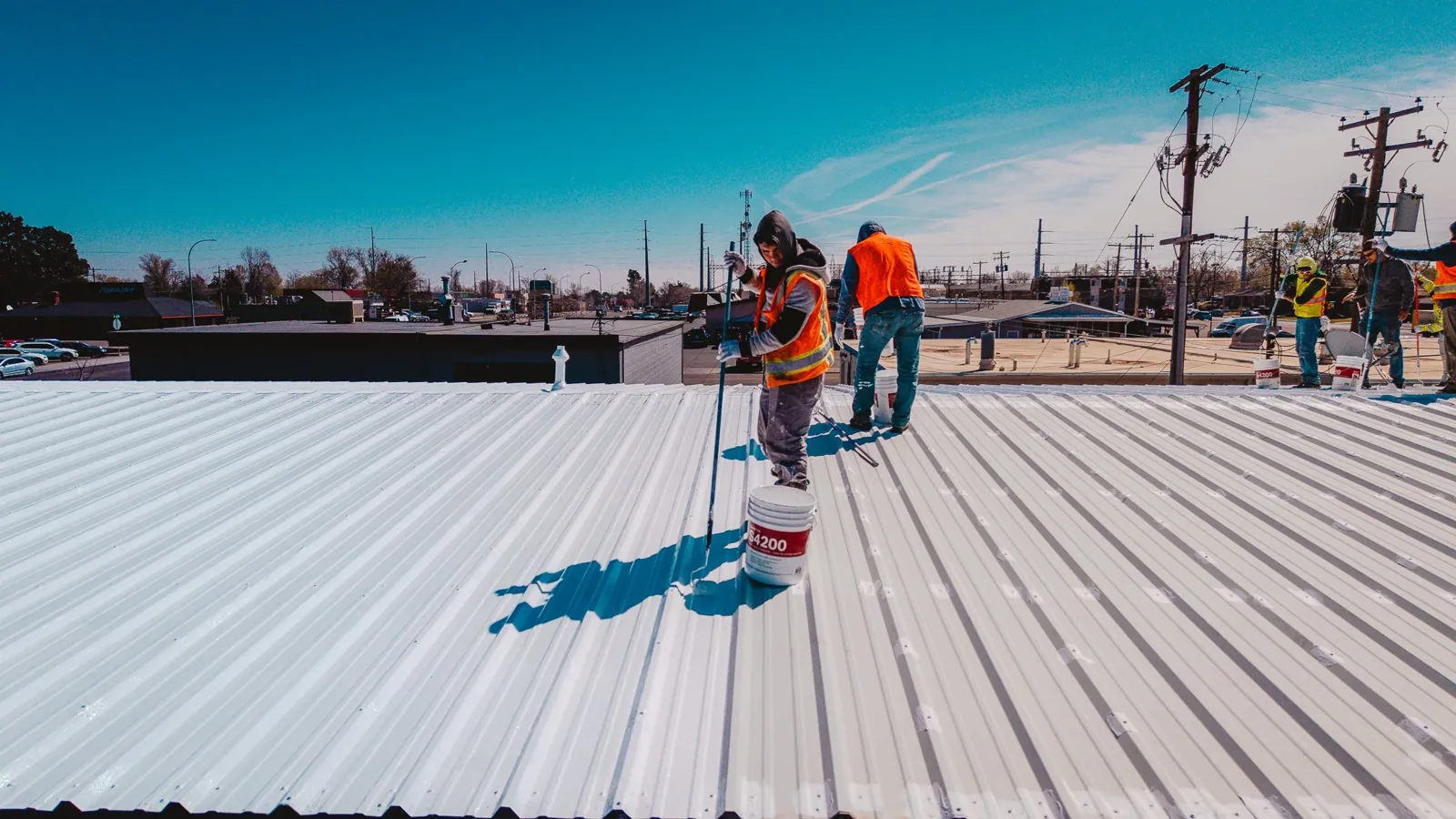
Commercial Roof Drains and Scuppers
Tyler, TX
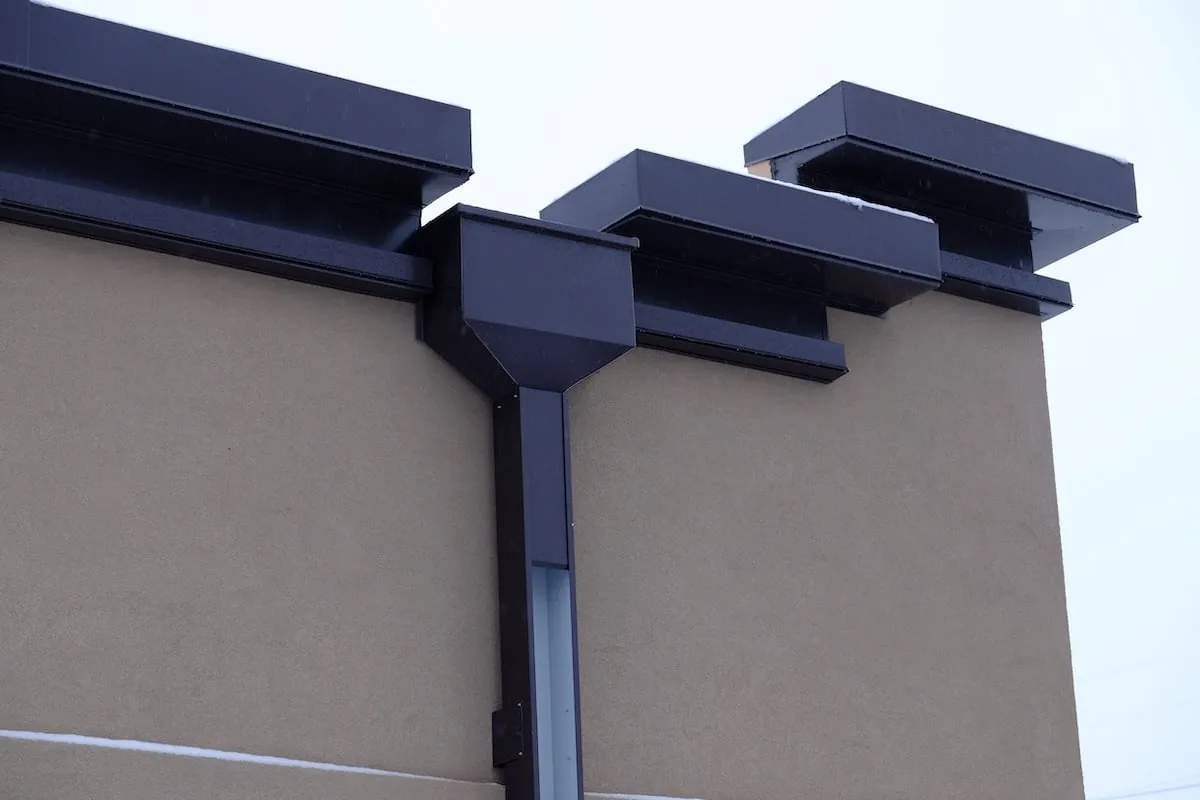
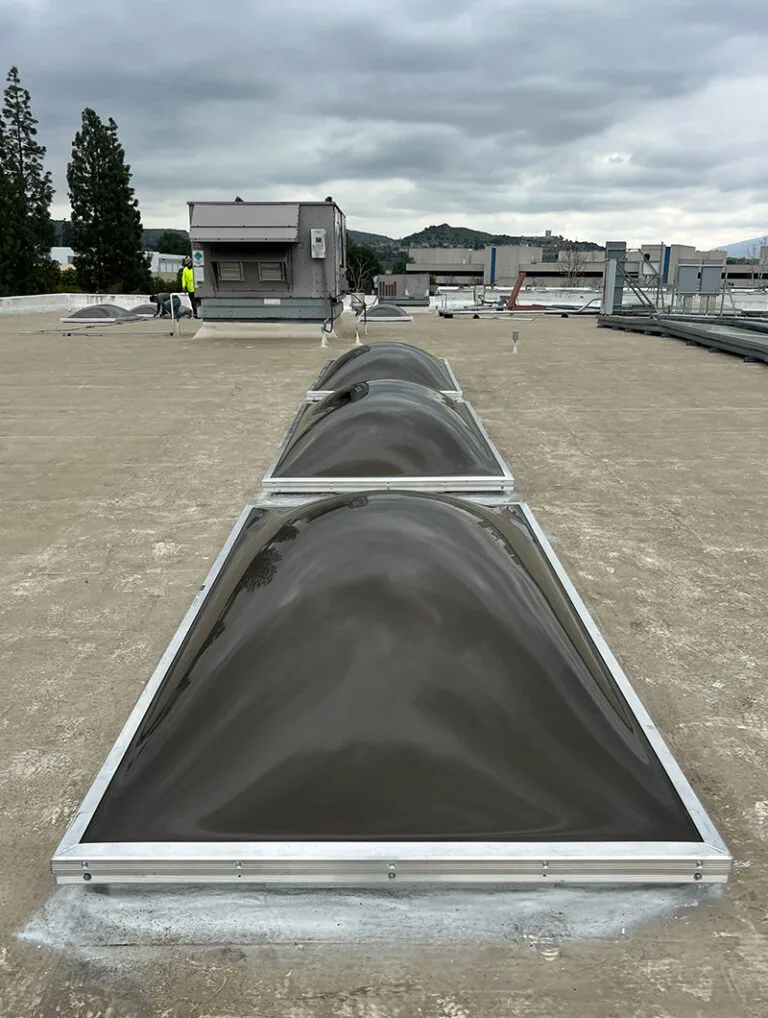
Silicone Roof Coatings
Tyler, TX
Release the acrylic eligibility test
Provide the roof plan, existing coating history, leak and ponding locations, access window, and decision date. We will return an acrylic coating assessment with preparation, adhesion tests, drain work, dry-weather controls, and zone release points.