
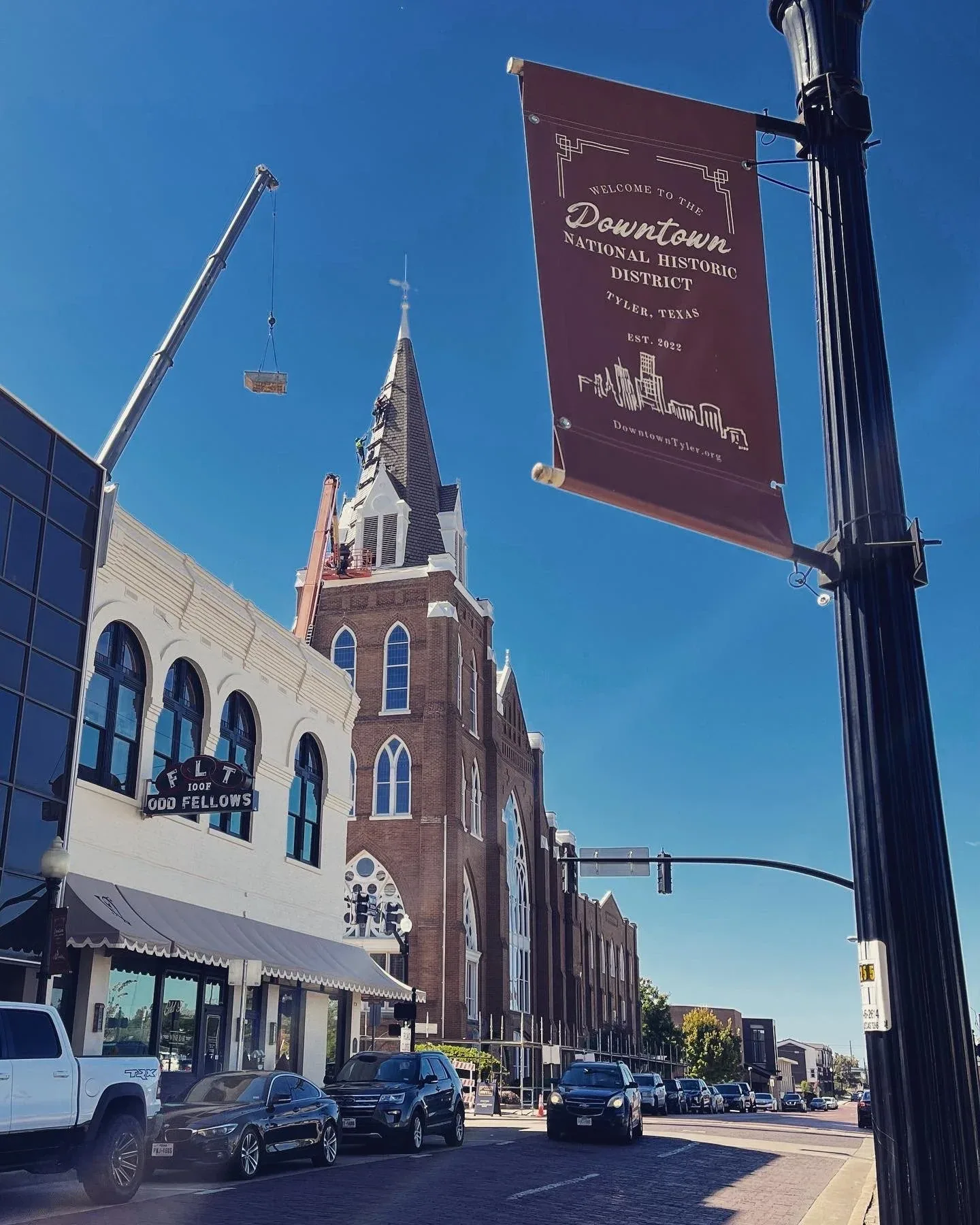
For a Winona commercial roof, the first planning question is where a crew can stop securely if a substrate reading or storm forecast narrows the day's work window. Winona sits at Farm Road 16 and State Highway 155, and its history records a Tyler Tap Railway station and a commercial mix that once included stores, a wagon maker, a blacksmith, a mill, and a cotton gin. That history identifies the town, not today's building stock. We inspect the property in front of us, map its roof assembly and access, and give the general contractor a work package with tests and hold points marked.
Nearby Tyler has a normal July high of 94.5°F, which helps reserve time for heat-sensitive preparation in the summer sequence. We check the actual substrate before work that depends on primer, adhesive, or coating conditions. Spring and autumn severe storms across the Texas region can include hail and damaging wind, so exposed sections need a documented closeout before a weather delay. A roof inspection establishes the starting condition; work elsewhere in the Tyler market area receives a separate assembly record and release plan for each building.
Access across a working town
Farm Road 16 and State Highway 155 provide geographic context, but the route names do not establish how a delivery reaches a particular building. We confirm property access, turning limits, loading hours, staging space, and the path from ground level to the roof before the crew is released. Winona lies three miles north of Interstate 20, a regional reference for arrival planning; each building still has its own delivery schedule and site rules.
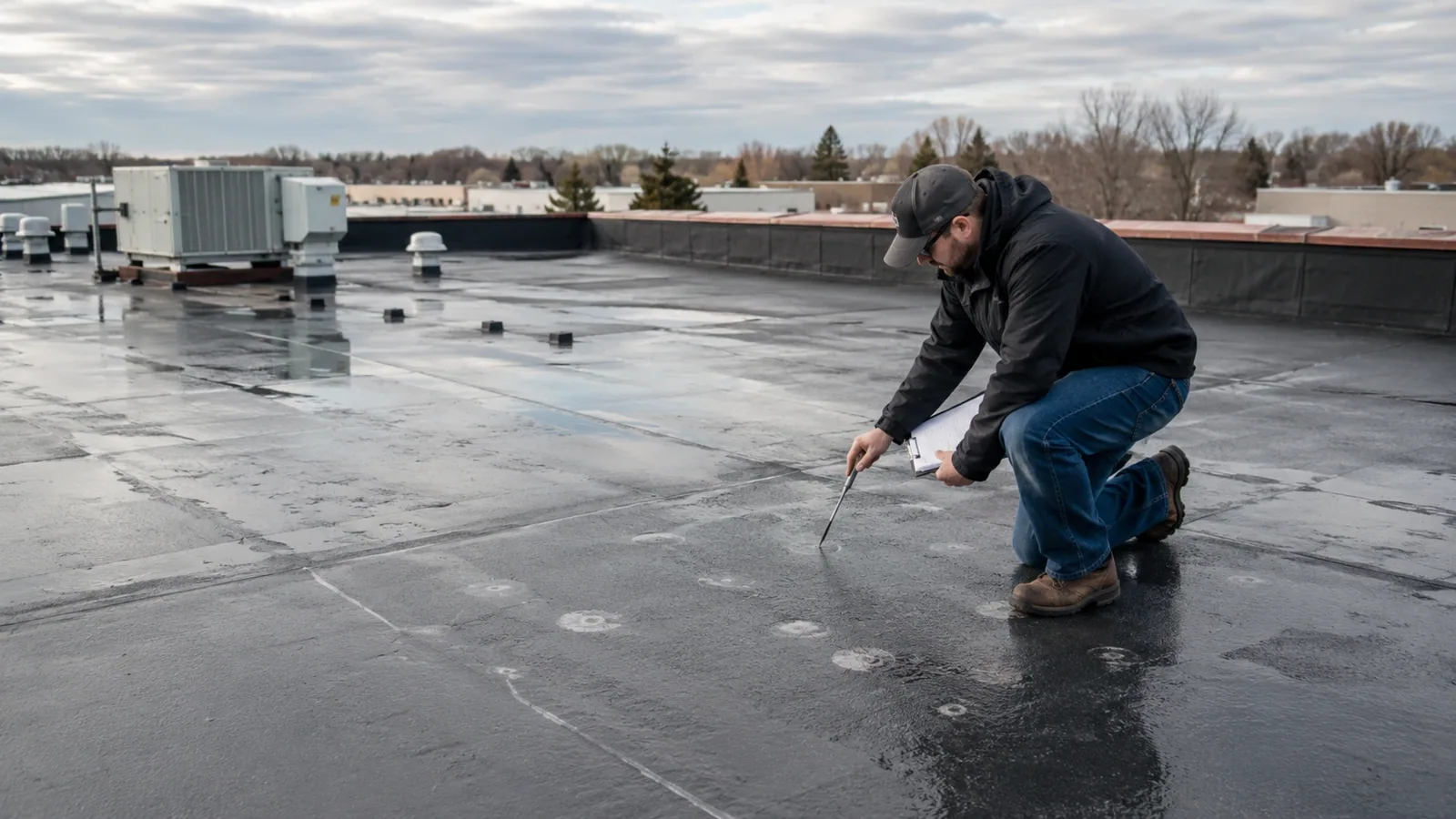
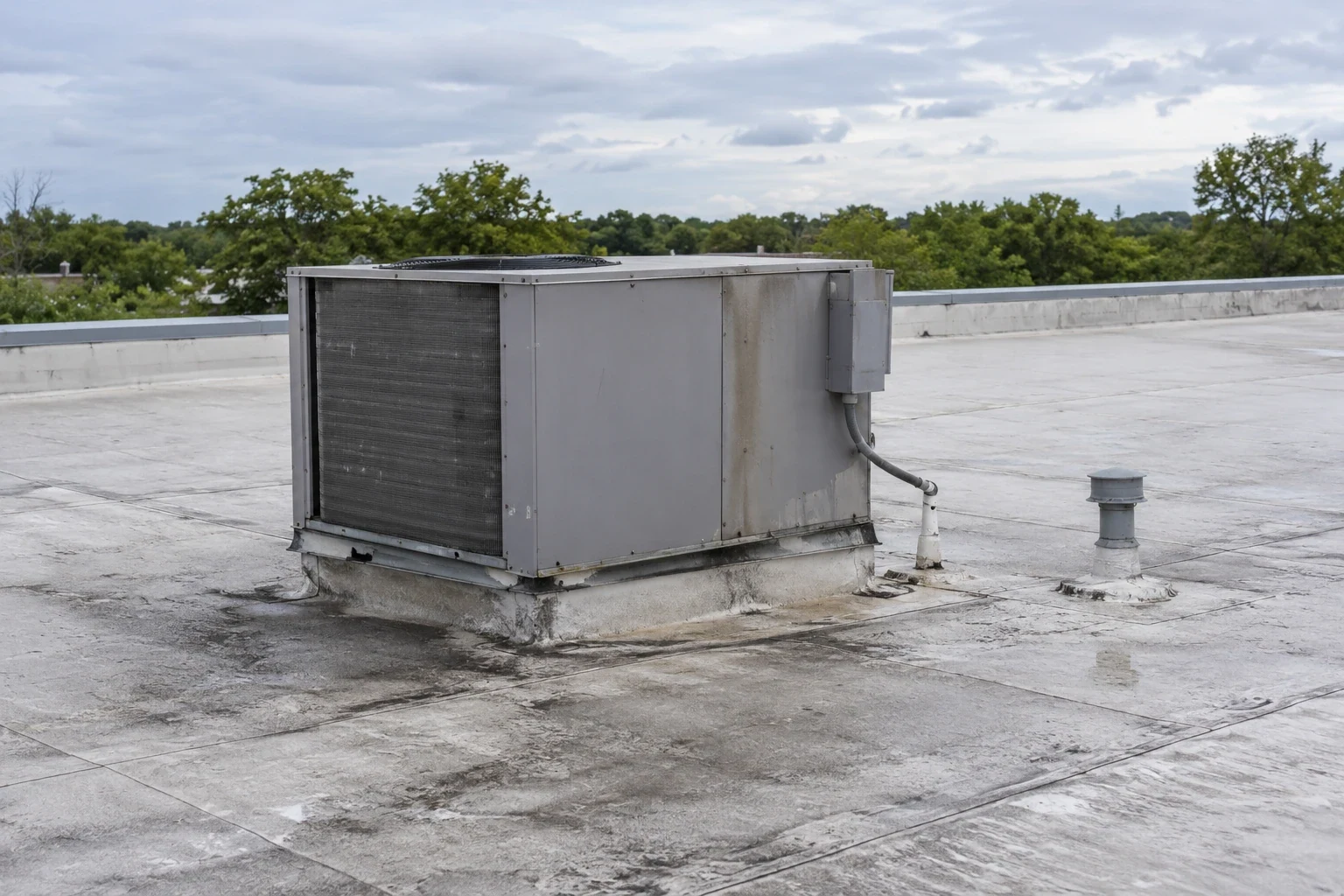
A field walk begins at the roof plan. We record the assembly where it can be identified, then inspect perimeter metal, seams, penetrations, wall transitions, and drains by zone. Photos tie a visible condition to its location and help distinguish an active opening from a stain or old repair. If a roof hatch is restricted, a tenant route is occupied, or equipment needs a shutdown, we document the access hold point before scheduling. The photo-supported condition record keeps those constraints beside the inspection findings instead of burying them in a general note.
Assembly and repair options
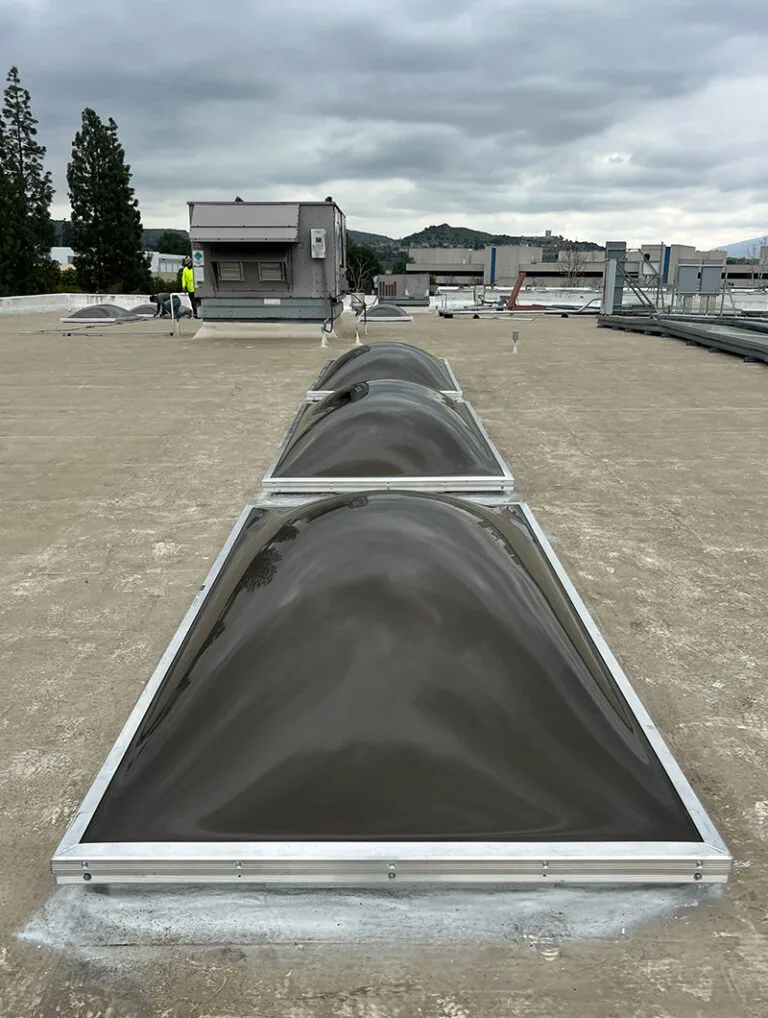
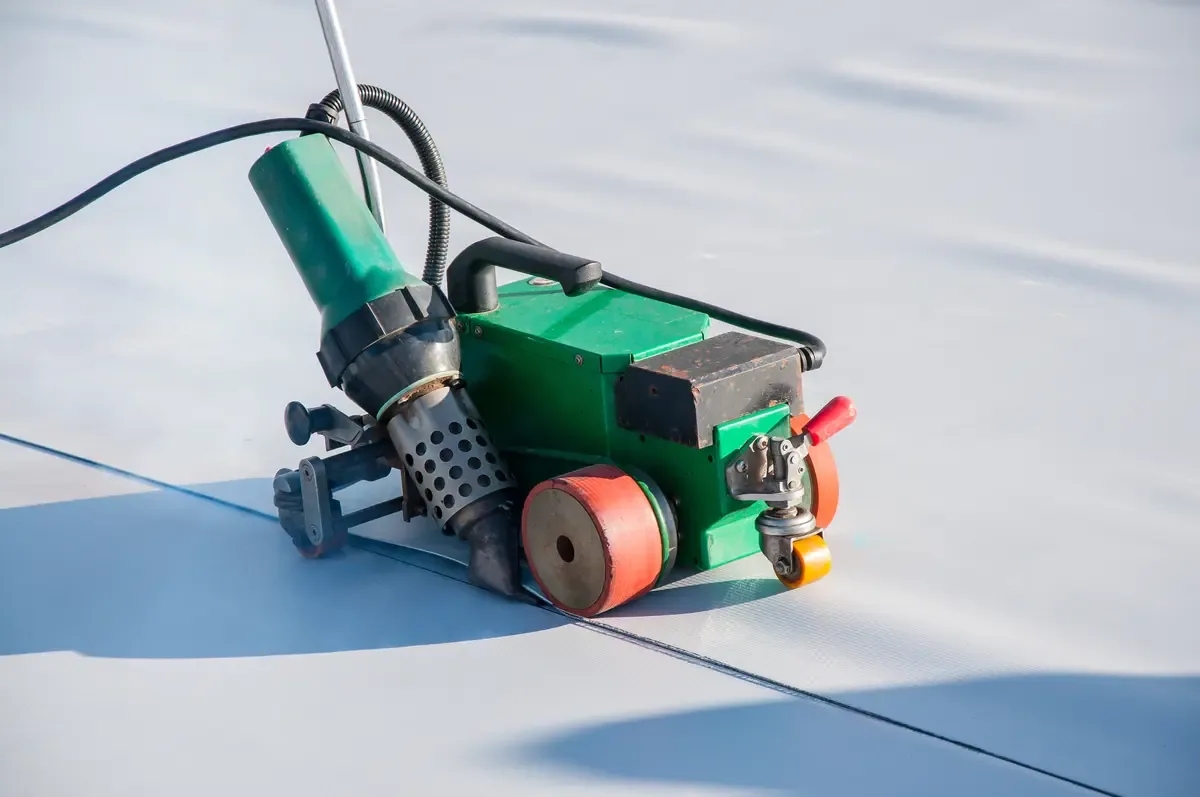
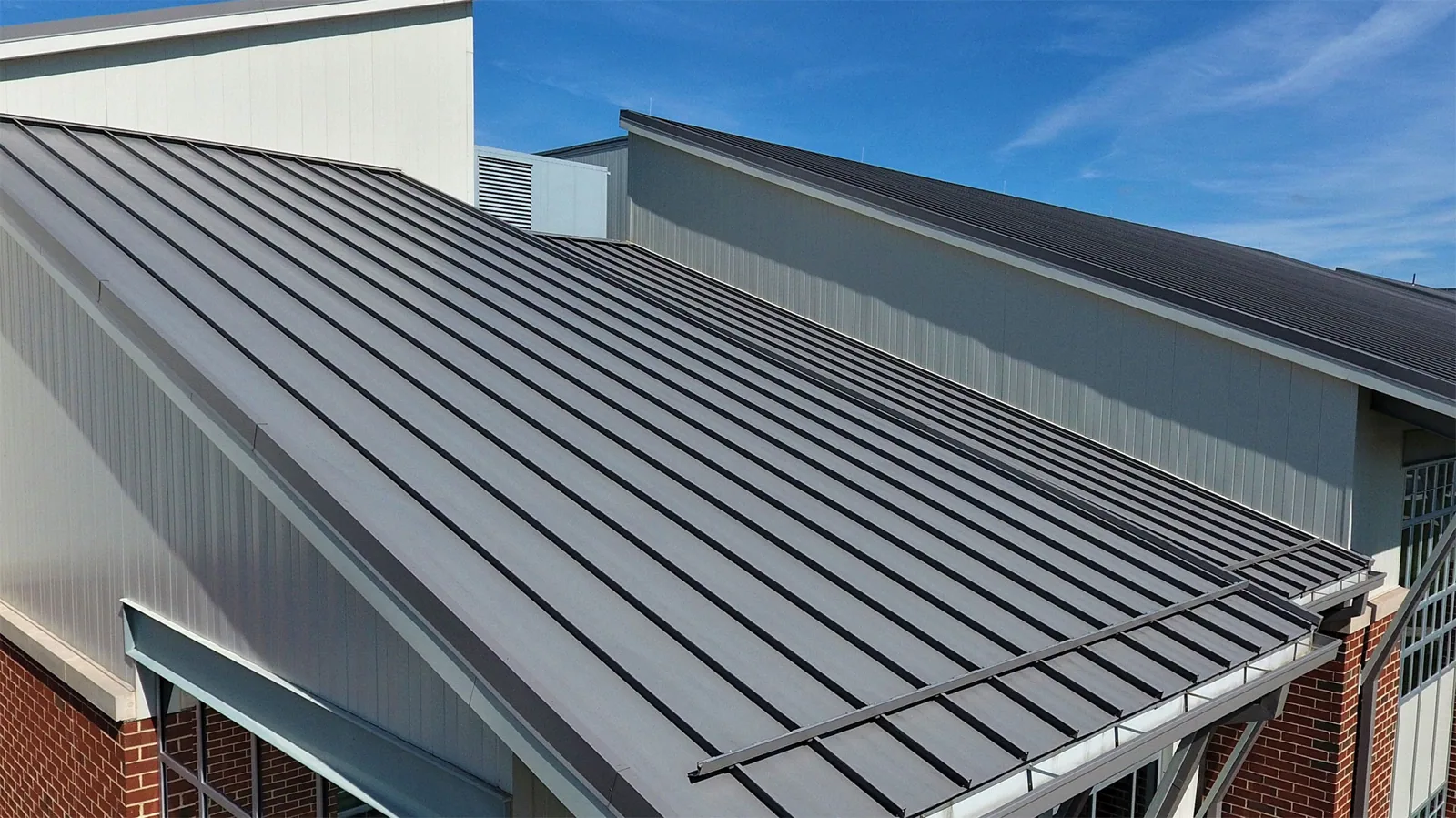
System identification comes before material selection. A single-ply membrane, built-up roof, modified bitumen, or metal panel needs its own preparation and tie-in method. We check seams, attachment, penetrations, drainage, and previous repairs against available records. For example, EPDM seam work depends on compatible cleaning and repair materials, while standing-seam metal requires attention to panel movement, fasteners, and transitions. We do not infer either system from the town's past commercial history.
A local defect can support a focused repair when the surrounding assembly is stable. Repeated failure, broad moisture, damaged insulation, or weak deck can change the decision. If a test point is needed, we state what it will answer and where it will be placed; opening the assembly is a hold point until the owner approves. A repair work package identifies preparation, materials, tie-in limits, and closeout. Where the evidence points to renewal, replacement planning defines removal depth and inspection steps before new layers conceal the deck.
Weather sequencing and roof-zone release
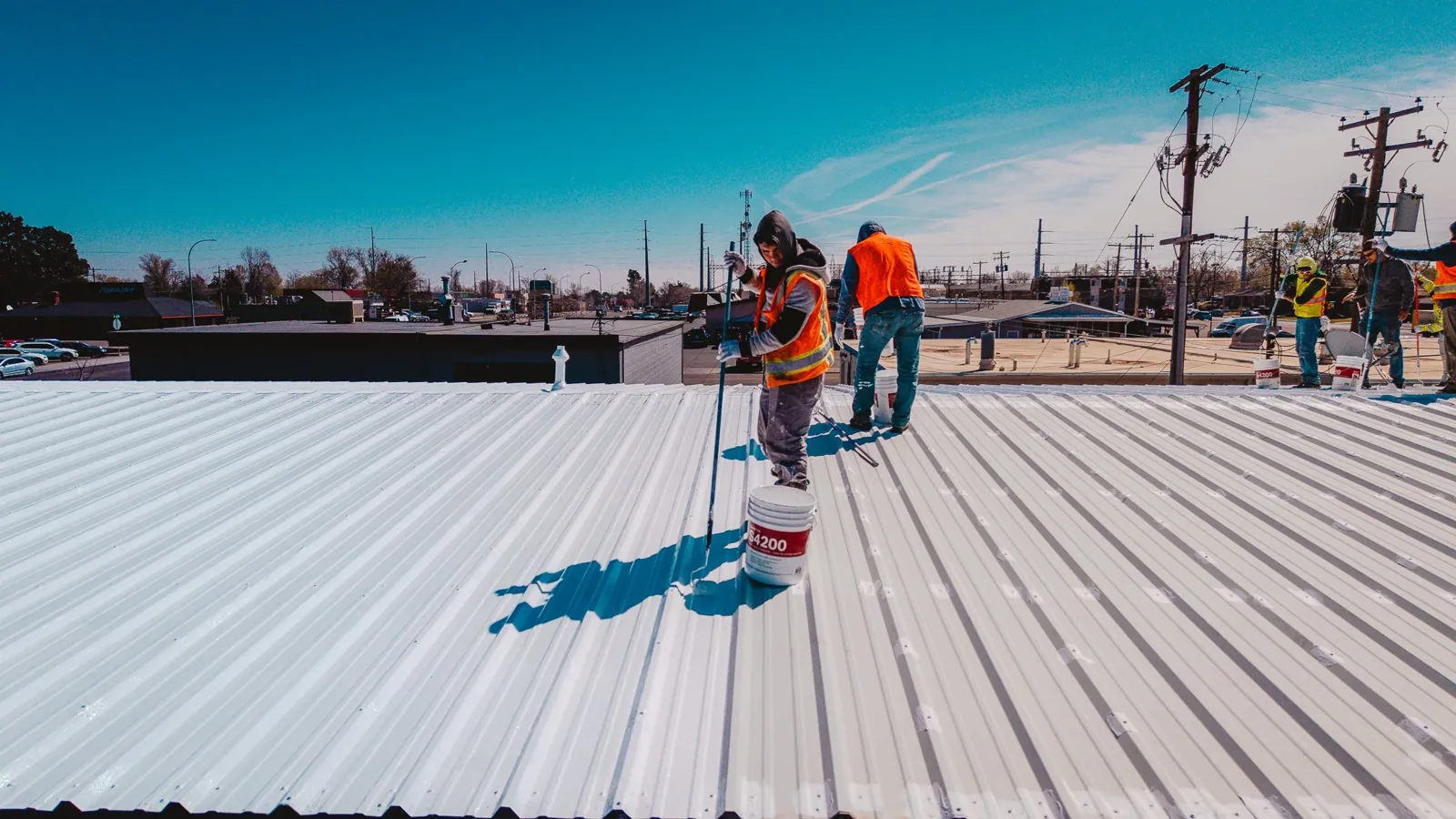
A flashing in shade can have a different preparation window from a membrane repair in direct sun. The daily plan checks each location before releasing a bonded detail. We take substrate readings and compare the conditions with the product instructions. If a coating or adhesive step cannot proceed within its specified window, we hold that task and move only to work that can be safely completed. The crew closes any exposed section, records what remains open, and names the inspection needed before the next roof-zone release.
Spring and autumn are the region's more active severe-weather periods, when hail or damaging wind may leave a roof edge, seam, or penetration needing a closer look. A Winona inspection records what the crew can actually see rather than assigning damage from the weather history. We photograph the membrane, metal, flashing, and drainage conditions, then keep immediate water control separate from permanent repair. A storm response scope can include a safe-access review, temporary protection, and a later inspection once conditions allow. Findings stay specific to the property and zone inspected.
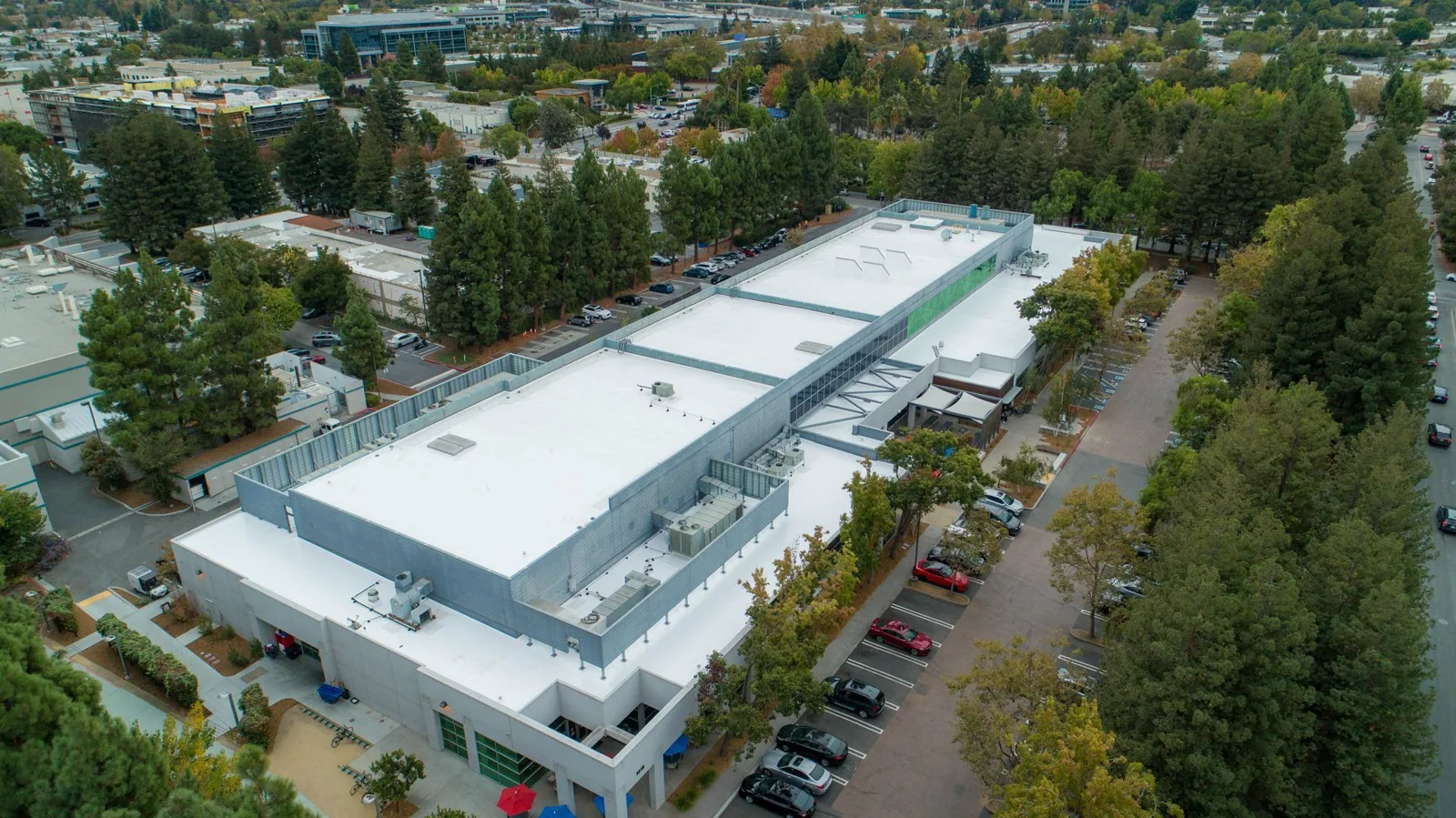
Timing, cost, and occupied operations
Price and duration depend on the roof system, height, access, staging, penetrations, removal quantity, insulation or deck repair, and how many weather-sensitive steps are required. A shift constrained by operating hours may need smaller work packages and more frequent crew handoffs. We put those assumptions in the scope, including which areas can remain open, where protection is needed, and what approval releases additional work. If a concealed condition changes the quantity, the owner receives the finding before the boundary expands.
For a property group that also operates near Jacksonville, each building needs its own roof map and access plan even if the same repair type appears more than once. Maintenance can be scheduled between larger renewal decisions, but its route follows the assembly and drainage features on each roof. The maintenance program can record recurring observations, while ponding-water repair review documents the drain path and any conditions that keep water from moving to an outlet.

Closeout record for the next crew
At shift end, we record the work completed, temporary protection, drain condition, material status, photos, and any test result still open. The roof plan identifies the zone that is released and the zone that remains held. That distinction helps the next trade avoid walking across an unfinished detail or disturbing a protected opening. A weather delay should leave a clear stopping condition, not a loose question about whether the prior work was complete.
When the findings point to more than one isolated repair, the general contractor can compare a scoped repair with a larger renewal path. We show which conclusions come from observation and which still depend on a test. Send available roof plans, assembly records, leak notes, access rules, and the decision deadline. Back comes a sequenced field plan with test points, protection, owner approvals, and the next crew handoff. For broader scheduling across locations, the capital planning review keeps immediate water control distinct from future work packages.
Commercial Roofing Questions
Does Winona's railway history identify the roof systems in town?
No. Winona once had a railway station and a mix of commercial trades. The age, use, and roof assembly of a current property must be checked from its records and field inspection. The inspection records seams, attachment, and drainage, then identifies a repair detail compatible with the material found on that roof.
How do you set delivery and roof access around FM 16 or SH 155?
We verify the specific property's entrance, loading limits, staging area, access route, and operating hours. The highway and farm-road intersections give location context, while the site contact confirms the route and releases each work period.
What if a leak appears during a heat-sensitive work step?
We protect the active opening if access and conditions permit, then record the exposed zone and the temporary measure. The permanent detail follows after the substrate and product requirements support the work. Any change from repair to broader removal waits for an approval at the documented hold point.
Can a focused repair be compared with replacement?
Yes. We document the repair boundary, surrounding material, moisture findings, drainage, and any test still needed. Those facts support a comparison with replacement when the assembly has repeated failures or concealed conditions that make a patch an incomplete answer.
What belongs in the roof handoff after a weather delay?
The record should show the zone opened, the condition at stopping, temporary protection, material status, and the inspection required before work resumes. We also identify who releases access. That gives the next crew a clear starting point without treating a forecast as a condition report.
Related Pages
Commercial Roof Inspection
Tyler, TX
Commercial Roof Condition Reports
Tyler, TX
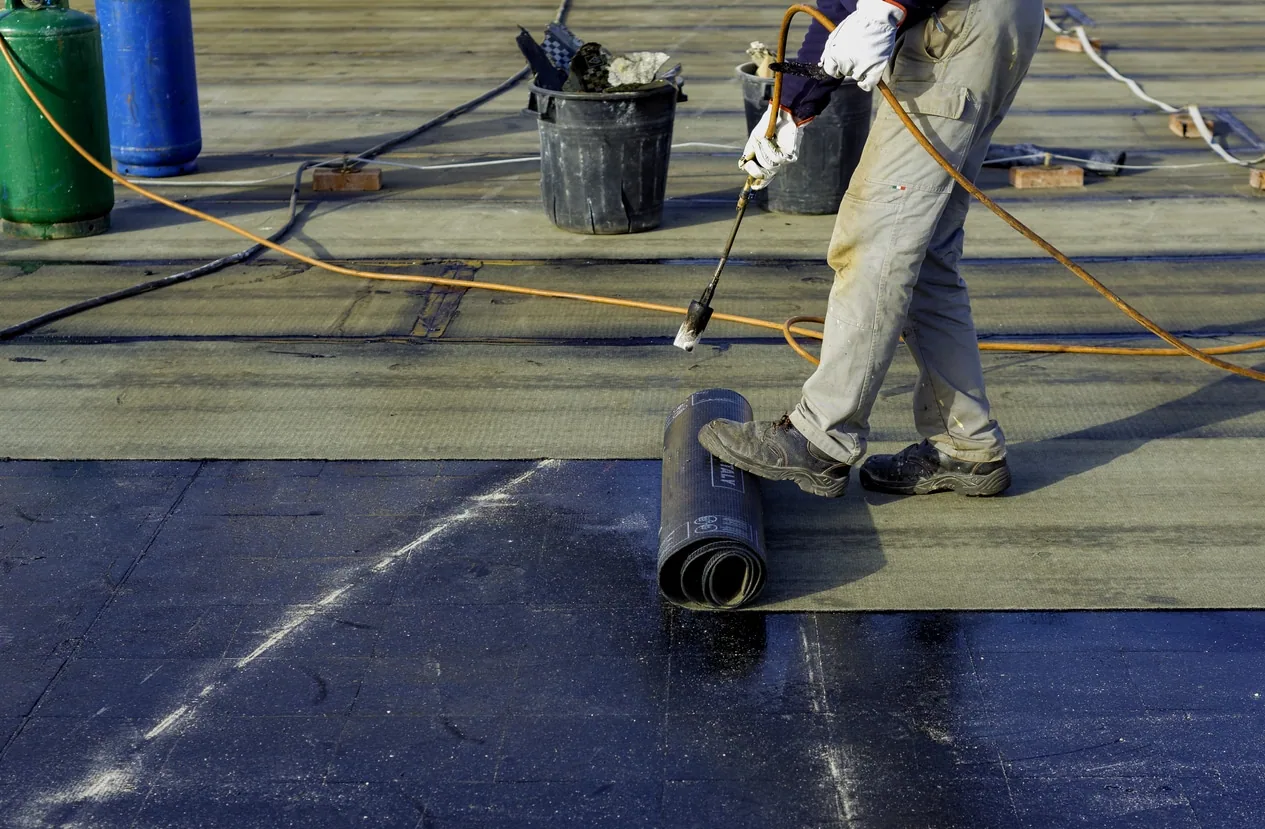
EPDM Roofing
Tyler, TX
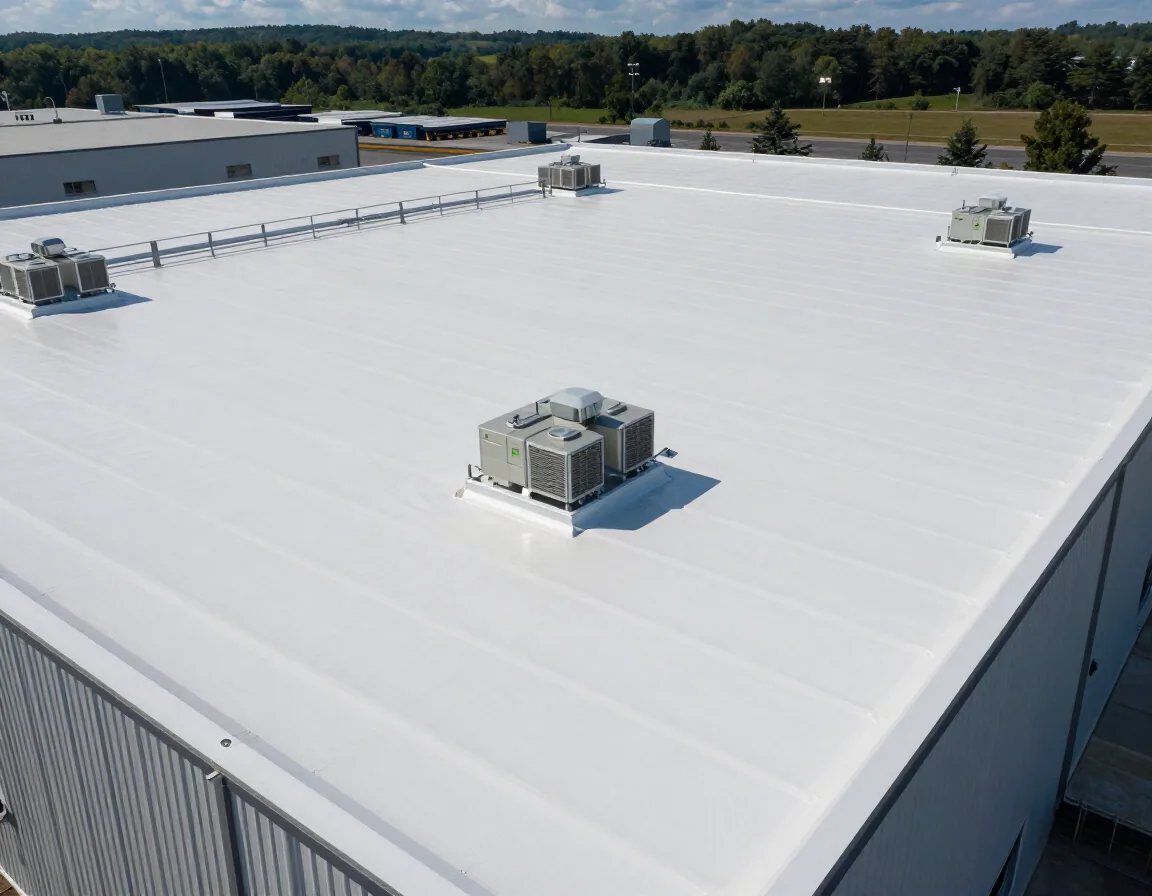
Commercial Roof Repair
Tyler, TX
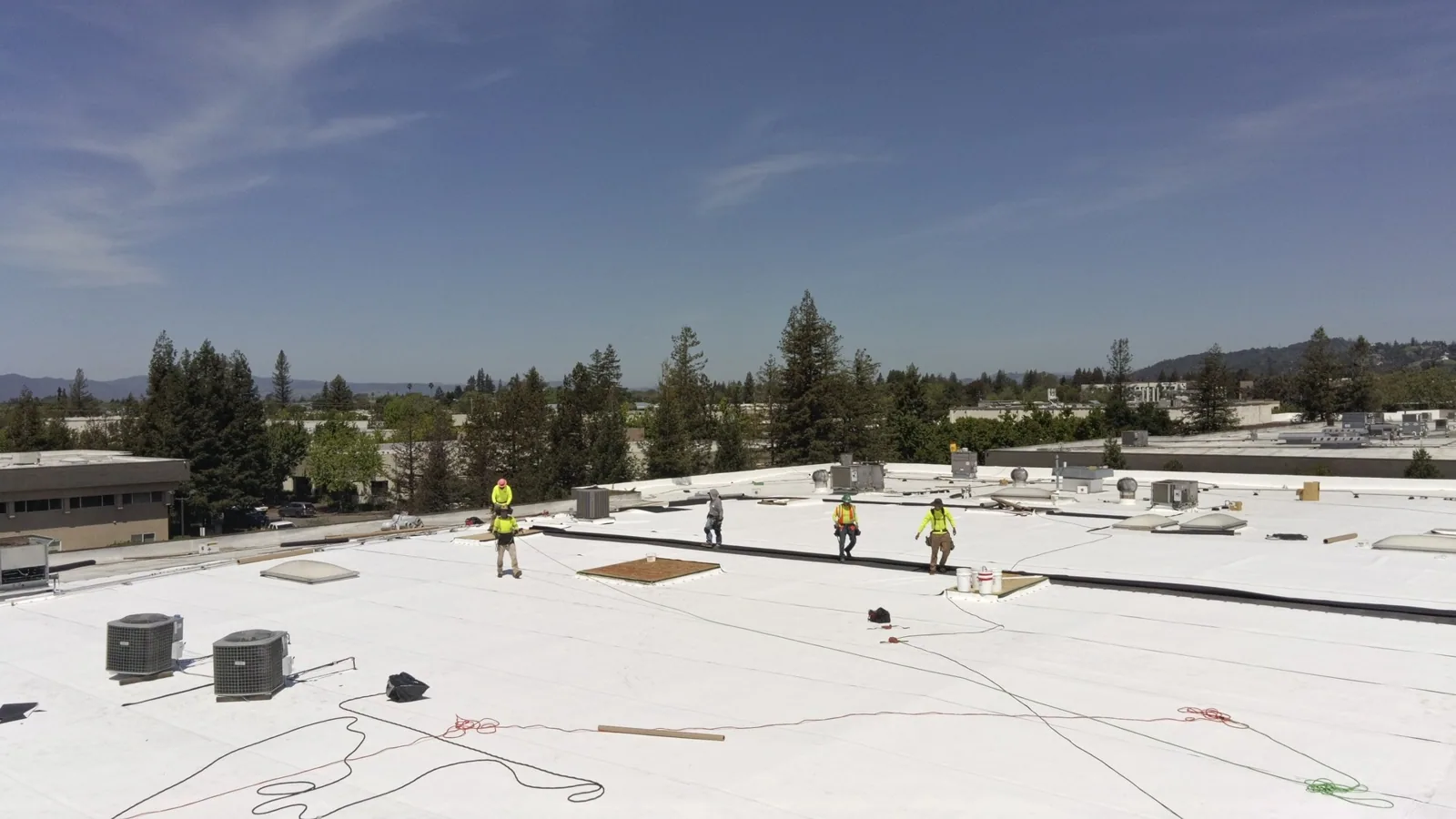
Set a field plan for Winona
Send the roof plan, available assembly records, reported symptoms, access rules, and decision date. We will return a sequenced work package with test points, weather hold points, and roof-zone releases marked.