
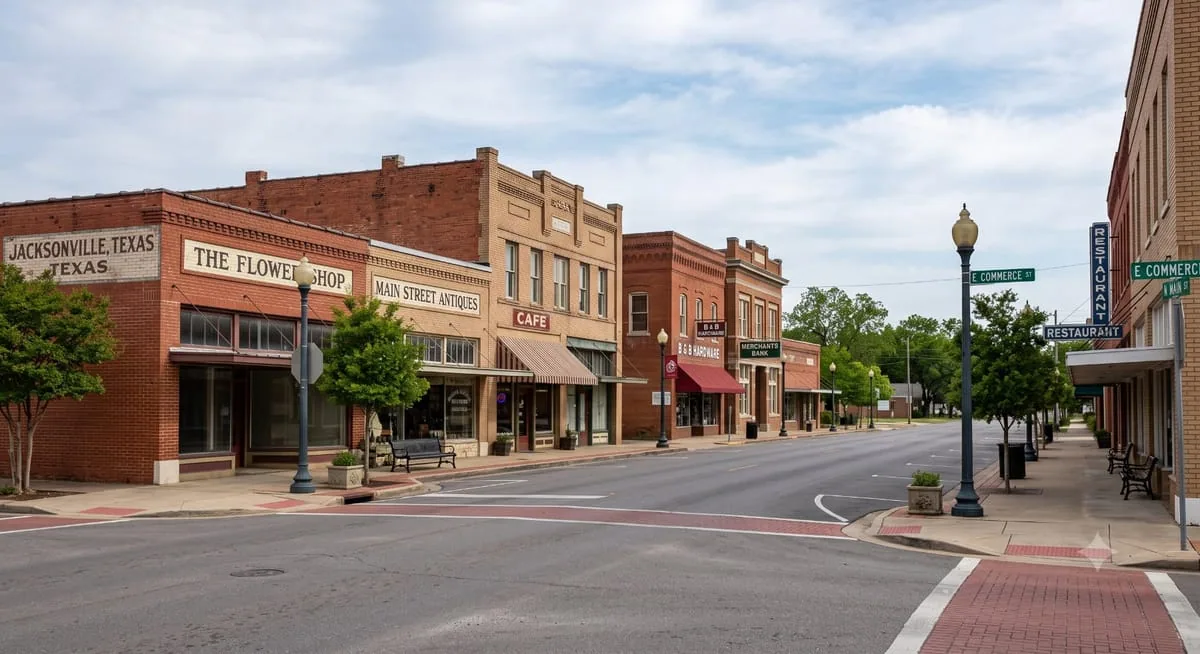
A Jacksonville, TX commercial roof repair begins with the affected detail, the existing assembly, and a work boundary that can be closed securely. Jacksonville's position at the U.S. Highway 69 and 79 intersection brings a regional mix of distribution, medical, manufacturing, recycling, and lumber-products activity, but those sectors do not tell us what any one roof contains. We begin with the building's records, access rules, leak history, and operating calendar. On the first walk, we map seams, edges, penetrations, transitions, and drain paths so the general contractor can see what is confirmed and what still needs a test point.
Tyler’s normal July high averages 94.5°F, so summer scheduling reserves suitable periods for heat-sensitive roof preparation and installation. Before adhesion-sensitive work, we check the actual substrate and product limits. Hail and damaging wind come with the region’s spring and autumn storms, so an exposed area needs a clear temporary closeout and named release point. A commercial roof inspection can establish that starting record, while a Tyler roof survey gives a separate property record for work elsewhere in the region.
Field sequence and access release
Distribution traffic, a medical schedule, or a manufacturing shift can narrow the time available to move people and materials. We confirm the loading route, roof access, equipment clearances, occupied areas, and any shutdown requirement before staging. A Jacksonville building's operating plan matters to the work package even when the roof repair itself is small. The crew handoff identifies the zone being opened, the task permitted there, and the person who releases the next access period.
At the roof edge, a walk follows the assembly instead of a guessed leak path. We look for membrane separation, loose metal, failed sealant, open laps, damaged flashings, and drainage restrictions, then connect each observation to a roof-plan location. If an interior stain is reported, the point below it is one clue, not a boundary for removal. We record the suspected entry, the evidence found, and any area that remains untested. A photo-supported condition report helps the project team compare those findings with past repairs and current drawings.
Assembly choices and repair limits
A repair starts with compatibility. TPO, PVC, EPDM, modified bitumen, built-up, and metal assemblies call for different preparation and tie-in details. We identify the existing surface and attachment where records or field evidence allow, then test a proposed material on the actual substrate when the specification requires it. A TPO repair detail requires its specified seam preparation, welding setup, and field check, and a metal panel repair must account for movement and the condition of its fasteners and laps.
The repair boundary stays narrow only while the surrounding material is sound. A test cut may reveal wet insulation, a deteriorated deck, or another concealed layer that changes the quantity and method. We stop at that hold point, photograph what is open, and give the general contractor a defined choice: authorize a limited patch, expand removal to a supported boundary, or commission further testing. If water entry is active, leak response and permanent repair are separate work packages, with temporary protection recorded apart from completed work.
Weather windows and exposed sections
Tyler's July normal high is 94.5°F, and that sustained heat can shorten a practical work window for some primers, adhesives, and coatings. A shaded curb and an open field receive separate readiness checks before their bonded details are released. We take a substrate reading, compare it with the selected product's installation range, and sequence preparation only when the conditions fit. When the adhesion window closes, the crew secures the work zone, records the exposed-section closeout, and identifies what must be checked before installation resumes.
Across this Texas service region, large hail and damaging wind are recurring severe-storm hazards, with spring and autumn the seasons of greatest activity. That regional pattern helps with scheduling, but it does not establish damage at a particular building. After a report, we document actual membrane marks, displaced edge material, punctures, and flashing movement by zone. A hail impact review keeps observed conditions distinct from the weather report and from the repair decision.
Options, timing, and cost drivers
A stable assembly with a localized defect may support repair. Repeated seam failure, broad wet insulation, poor drainage, or deteriorated deck can point toward replacement or another engineered scope. A recover is considered only after we check the existing layer count, attachment, moisture, drainage, and structural constraints. The owner receives the evidence behind each option, the limits of what has been tested, and the approval needed before quantities change. We do not turn one visible symptom into a larger scope without a documented reason.
Cost and duration depend on access, roof height, system type, penetrations, quantity of removal, insulation or deck work, material handling, and weather-sensitive steps. Occupied spaces, delivery schedules, and trade coordination can add hold points. For a portfolio that also includes commercial properties in Edom or Winona, we maintain separate roof plans and findings rather than carrying one property's assumptions into another. The replacement scope states tear-off depth, drainage work, edge details, and inspection points before new material covers the assembly.
Roof-zone closeout and records
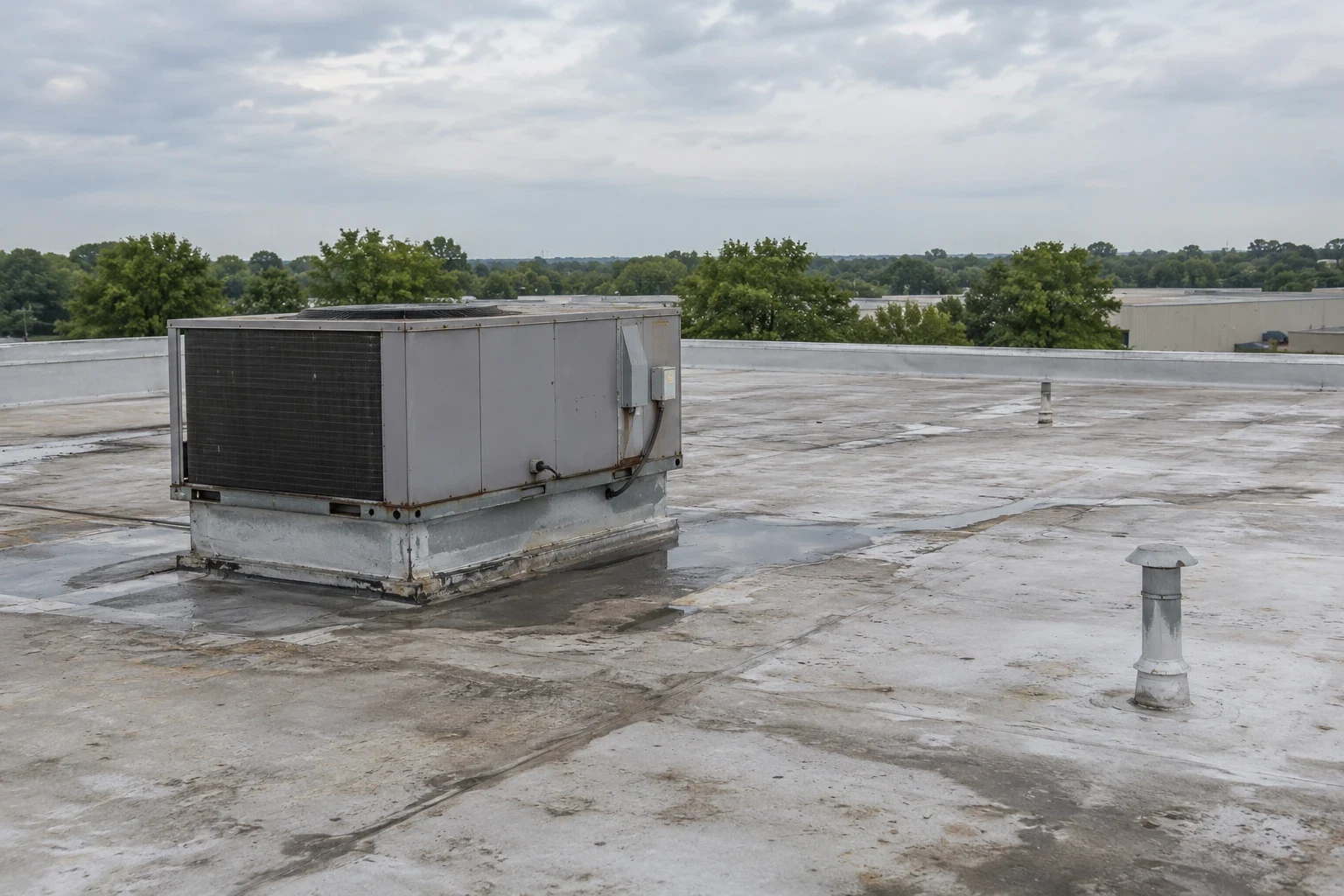
At the end of a shift, the record should show which area is complete, what remains open, and whether the roof-zone release is approved. We attach dated photographs to the plan, note the drain path and temporary protection, and list material changes or tests that are still pending. If another trade needs the roof, the access release identifies the boundary and the condition required before handoff. This makes a weather delay a recorded schedule item rather than an unclear gap in the work history.
When the field evidence points beyond a single repair, a capital-planning review can separate immediate water control from renewal that needs a budget cycle. The recommendation remains tied to the assembly, test results, and operating limits. The general contractor receives a roof-zone sequence that separates completed scope, unresolved tests, and the approval required before the next area opens.
Commercial Roofing Questions
Does Jacksonville's highway location determine how a roof is built?
No. Jacksonville serves as a regional center at the U.S. Highways 69 and 79 intersection, with employers across several sectors. That context helps frame access planning, but the building records and field inspection establish the roof system, attachment, drainage, and repair boundary.
What can a test cut tell the project team?
A test cut can expose the layers, insulation condition, and deck at one selected point. We document that finding and do not treat it as proof for every roof zone. If the result changes the assumed assembly or removal quantity, we pause for approval before extending the work.
How do you handle an active leak when permanent work must wait?
First we assess safe access and locate the opening that can be addressed. Temporary protection receives its own boundary and closeout record, with any remaining exposure called out. Permanent repair follows when the substrate, weather window, material requirements, and authorized scope support it.
Can the roof work stay within a limited operating window?
We plan the work package against the building's hours, loading rules, restricted areas, and any equipment shutdown. The crew handoff states what can be completed in the approved period and what requires another release. A tighter window may change staging and sequence, so it is included before the schedule is set.
What should be separated in a storm assessment?
We keep reported weather, observed roof conditions, temporary water control, and permanent repair as distinct records. Photographs and roof-plan zones show where we inspected and where access or testing remains open. The owner can then authorize the next test or repair from the condition found, not from a broad regional storm description.
Related Pages
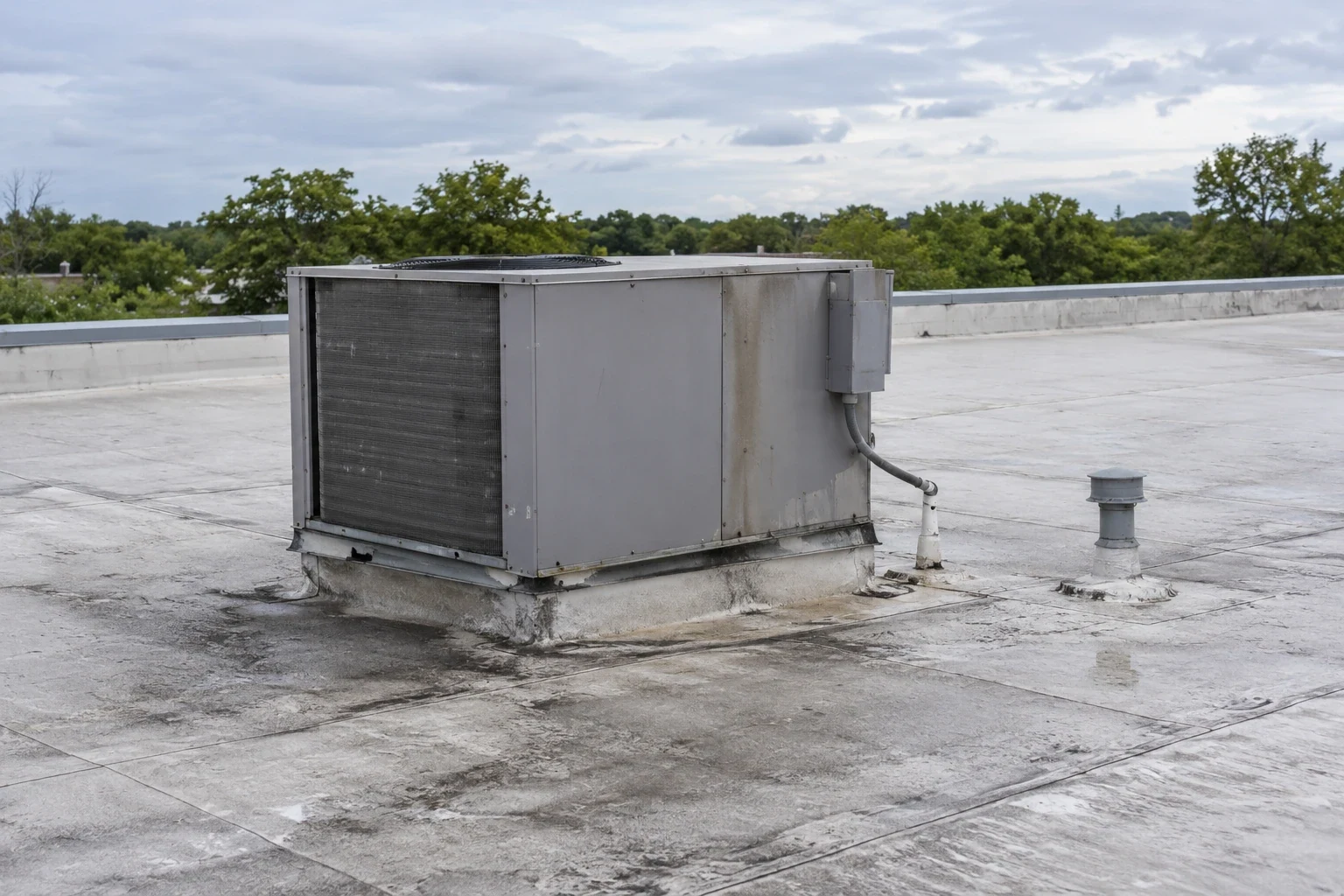
Commercial Roof Inspection
Tyler, TX
Tyler
Tyler, TX
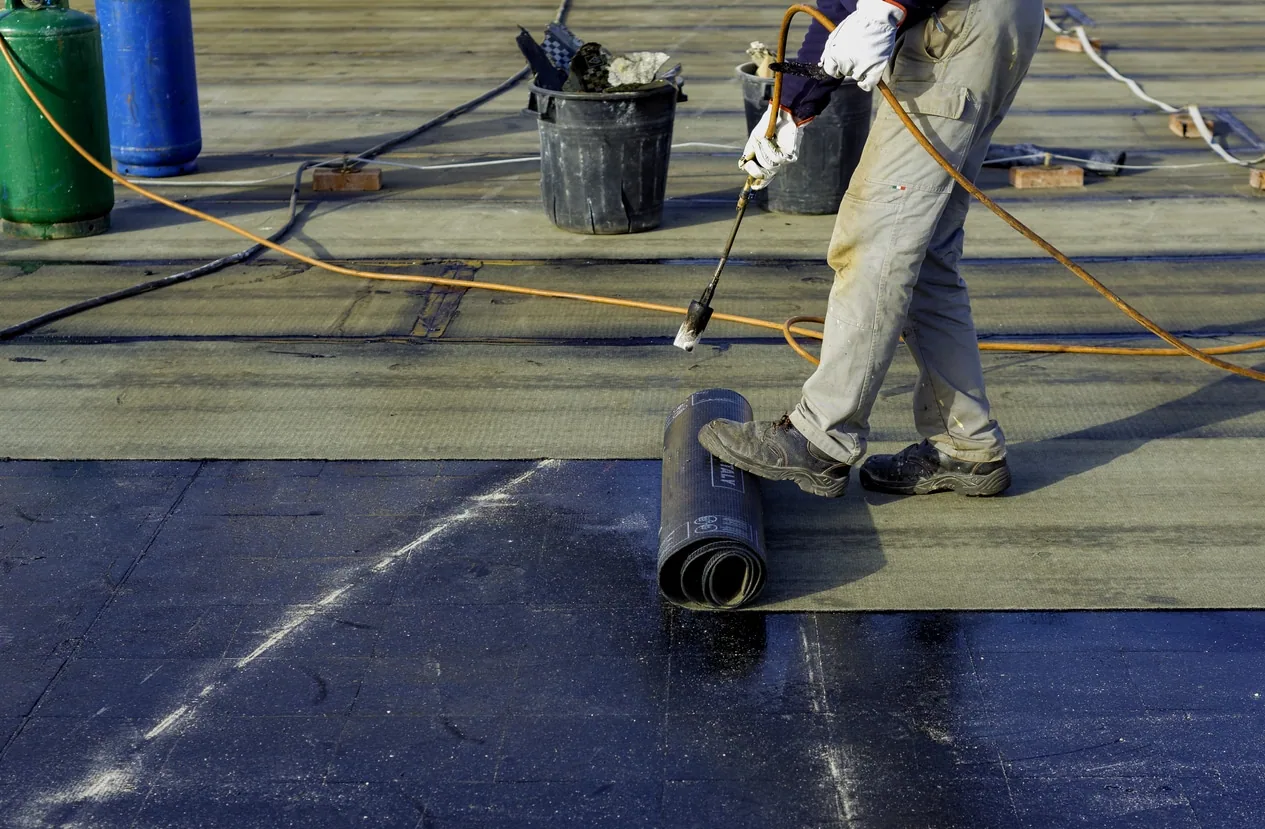
Commercial Roof Condition Reports
Tyler, TX
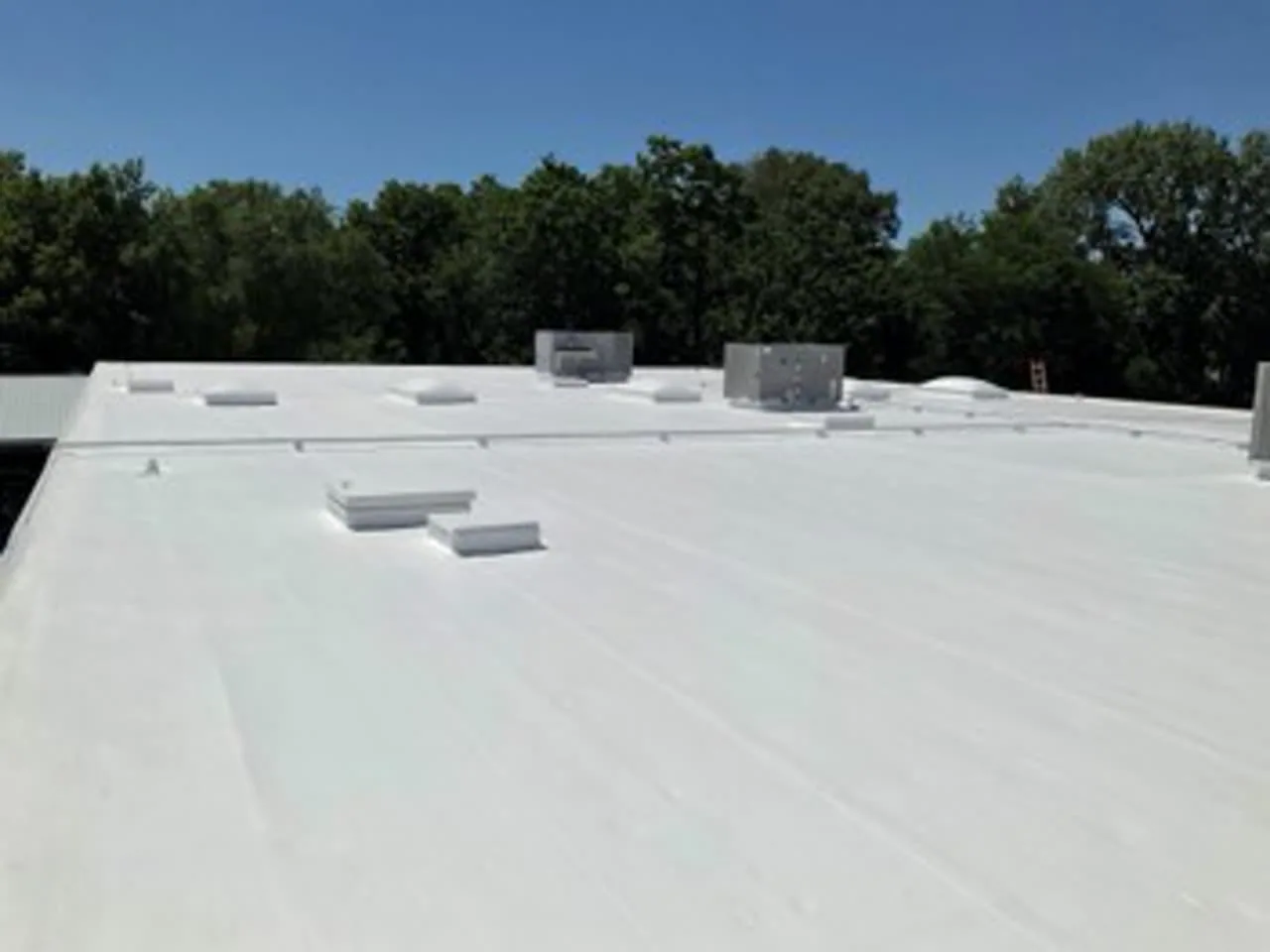
TPO Roofing
Tyler, TX
Set the next roof-zone release
Share the roof plan, assembly records, current condition, access limits, and decision deadline. We will return a sequenced field plan with open tests, temporary protection, and approval points marked.