
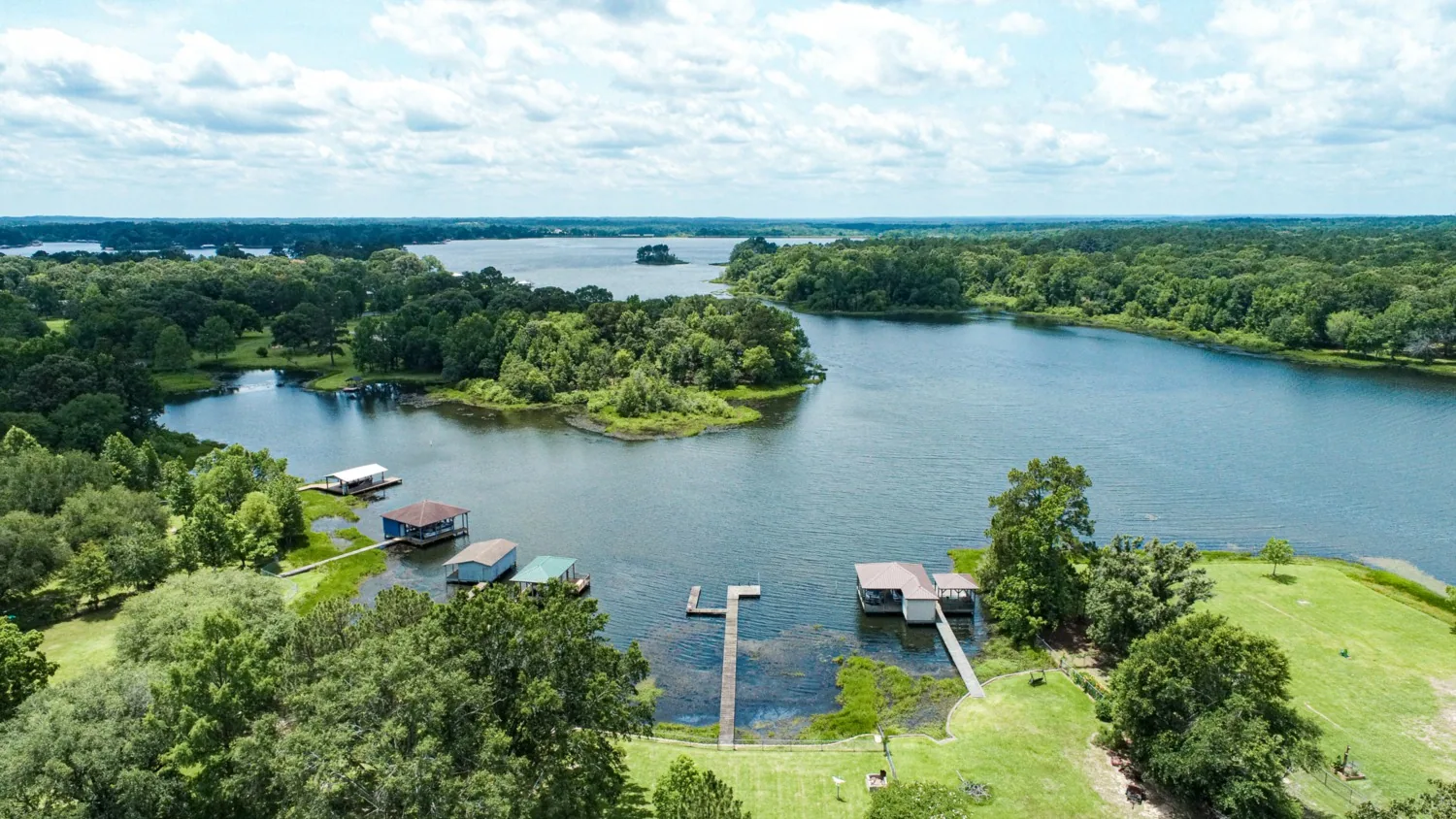
Commercial roof work in Gresham starts with the membrane or metal assembly, drainage, and the opening or worn detail that needs attention. The community sits at FM 2493 and FM 2813, about six miles south of Tyler. Nearby Tyler’s normal July high averages 94.5°F, making heat-sensitive preparation a practical part of the daily repair sequence. We check the actual substrate, product instructions, and roof zone before setting the next crew release.
Gresham developed as a railroad shipping point in 1877 and had a cotton gin by the early twentieth century. Gresham later added businesses and small commercial services alongside new housing. A current roof’s age and construction still come from property records and field inspection. We begin each project with the current roof plan, repair history, access limits, and operating schedule, then record visible seams, flashings, drains, and penetrations. A commercial roof inspection turns those observations into a work boundary.
A roof record at the property line
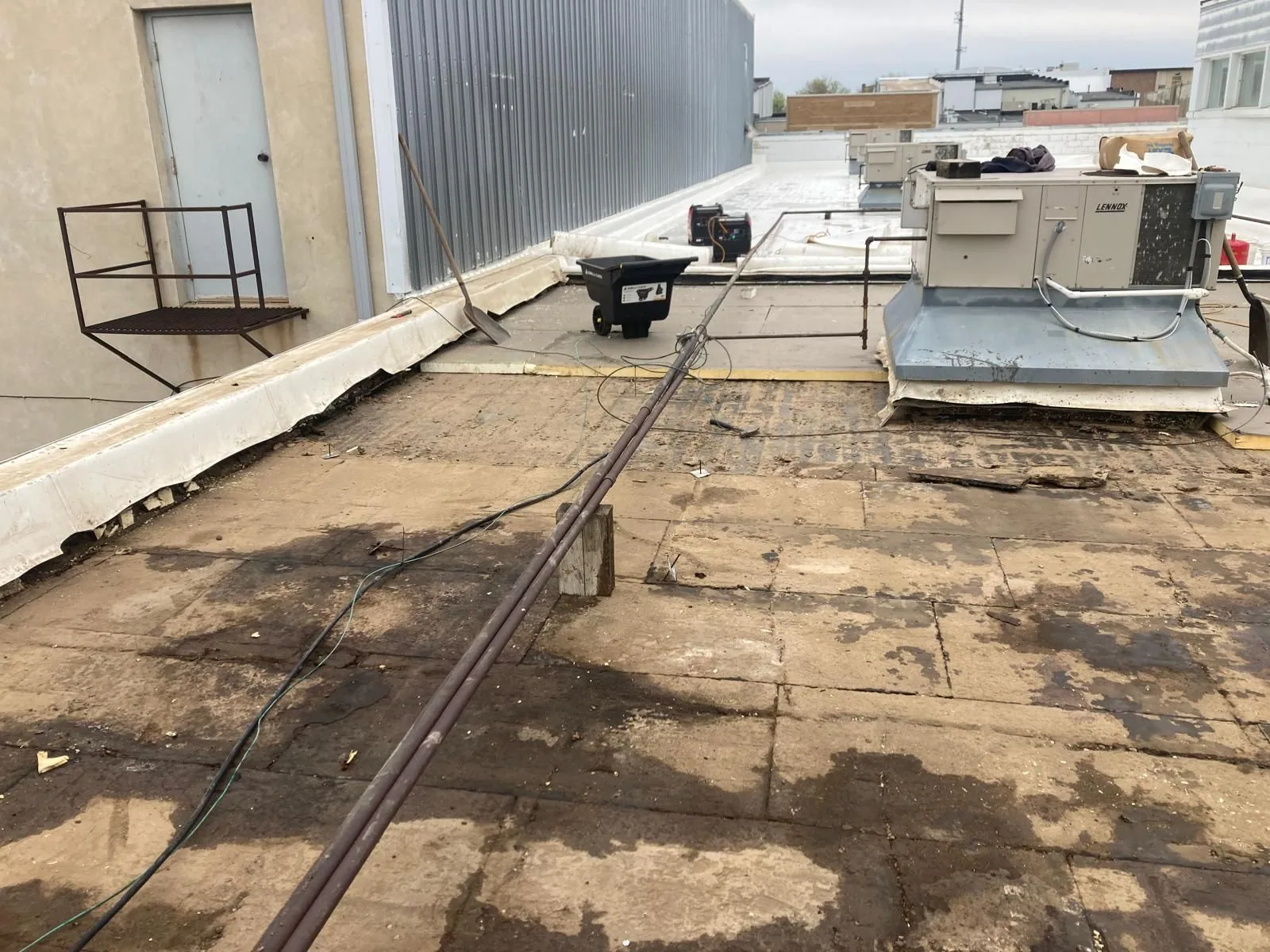
FM 2493 and FM 2813 locate the community, while a nearby road junction does not tell us how a particular delivery should reach a roof hatch. We confirm the actual entry, staging point, lift limits, occupied hours, and any equipment shutdown with the property team. The approved roof plan then identifies each work zone and the surface that can be protected before the crew leaves. Those details matter on a small repair as much as on a replacement.
The broader FM 2493 / Old Jacksonville Highway corridor connects the location to a multi-jurisdictional work area, and Flint has a separate community record. We keep inspection photos and access notes attached to the correct property. If a portfolio includes more than one site, the project team should not carry a roof assembly or repair assumption from one address to another. Each location receives its own field reading, marked boundary, and release contact.
Seams, transitions, and concealed layers
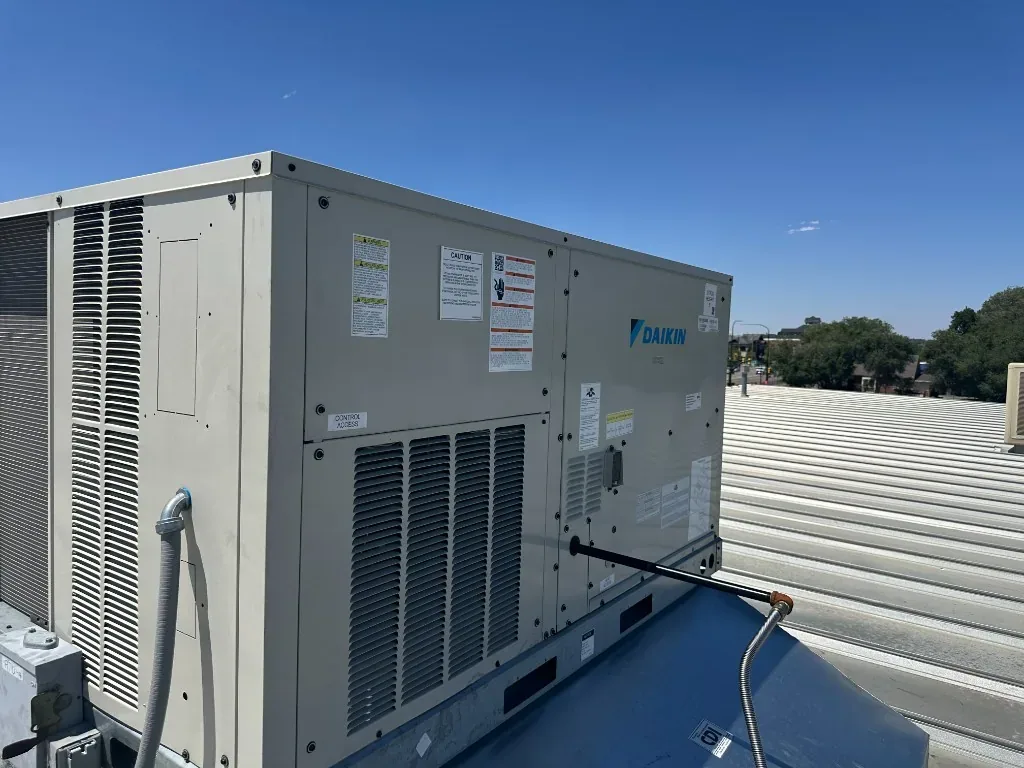
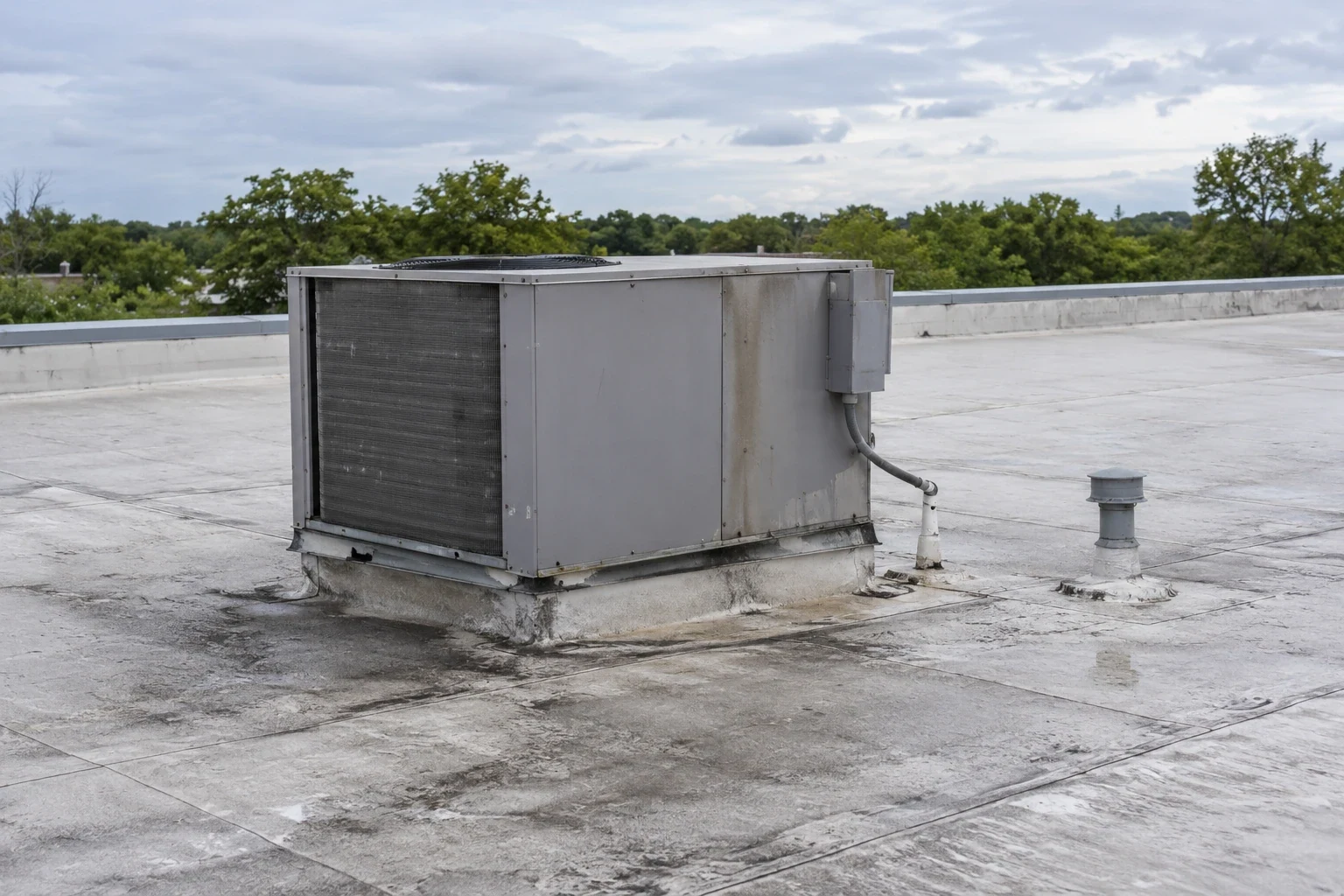
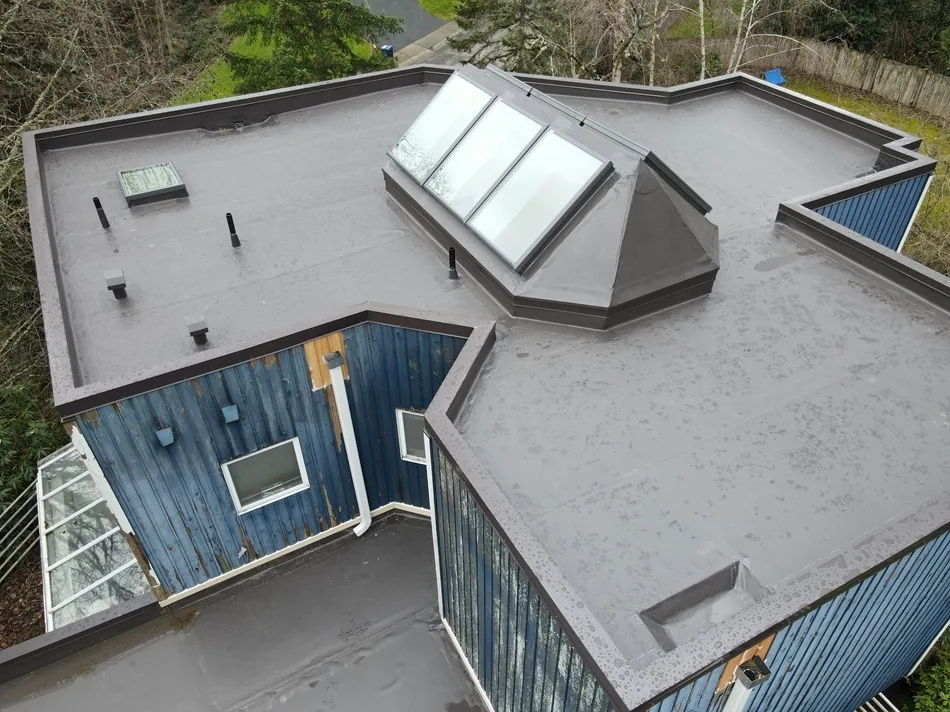
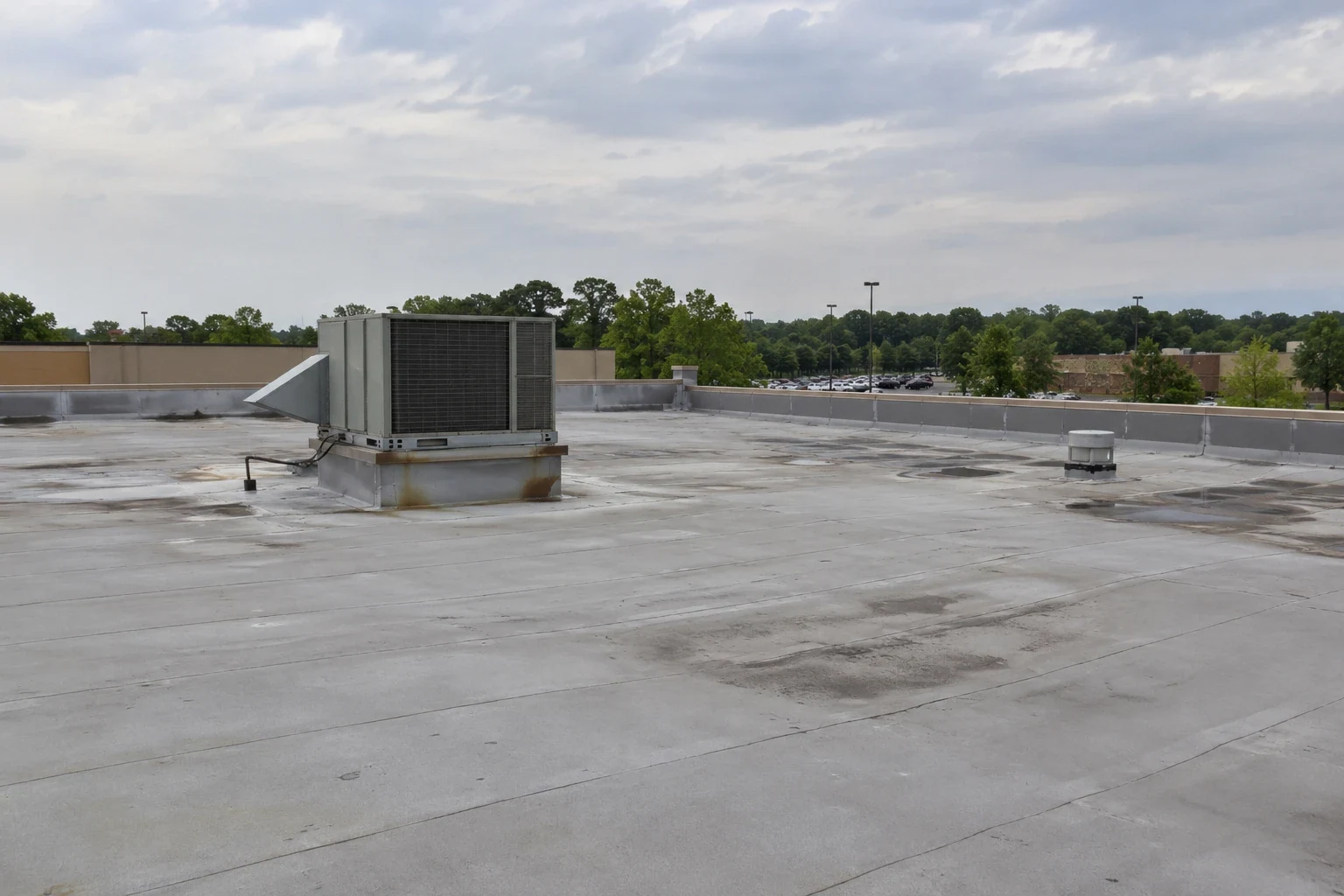
A field walk traces the membrane or metal surface, seams, penetrations, curb flashings, perimeter edge, and drain path. We photograph the condition by zone and note where equipment, stored materials, or standing water restrict a view. A visible opening can support a limited repair, but a soft area or recurring leak may require a moisture survey or approved test cut before the assembly is understood. The report distinguishes the observed condition from the question that remains open.
Infrared readings can help identify areas for closer review, but interpretation depends on roof conditions and the survey method. If a test cut is proposed, we mark its location, what the opening will answer, how the roof will be restored, and who approves it. The general contractor receives a hold point before any test or removal that expands the agreed work. Our photo-based condition report records that decision next to the roof plan, which gives the repair crew a clear handoff.

Summer preparation and material limits
Tyler’s July climate normal provides context for summer planning around Gresham, but the roof surface can differ from the air temperature. We take substrate readings and check the selected adhesive, primer, sealant, or coating instructions before preparation begins. If a material window is missed, the crew can move to an approved task that does not depend on that bond. The held zone stays protected, and the work package names the reading and access release required to resume.
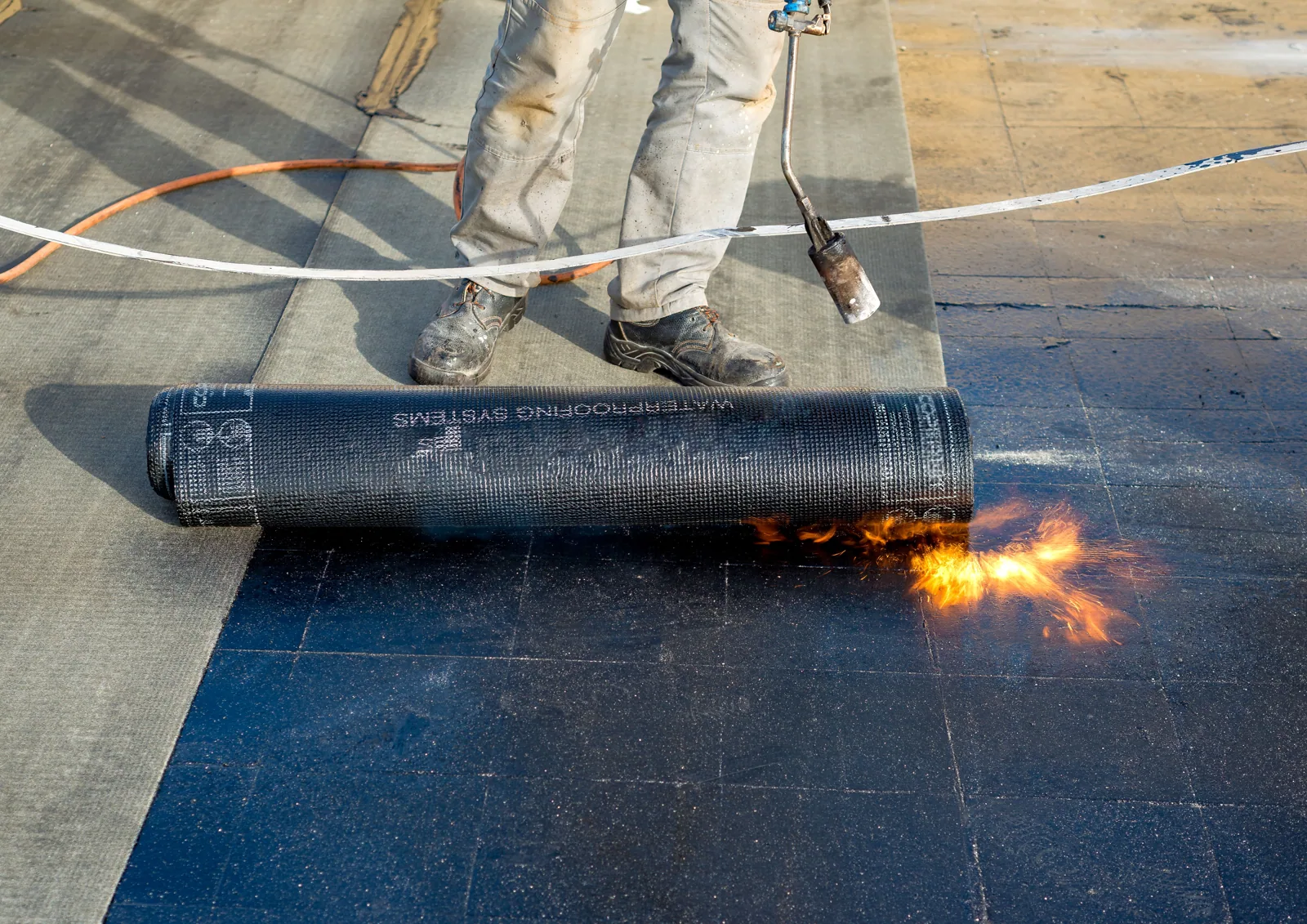
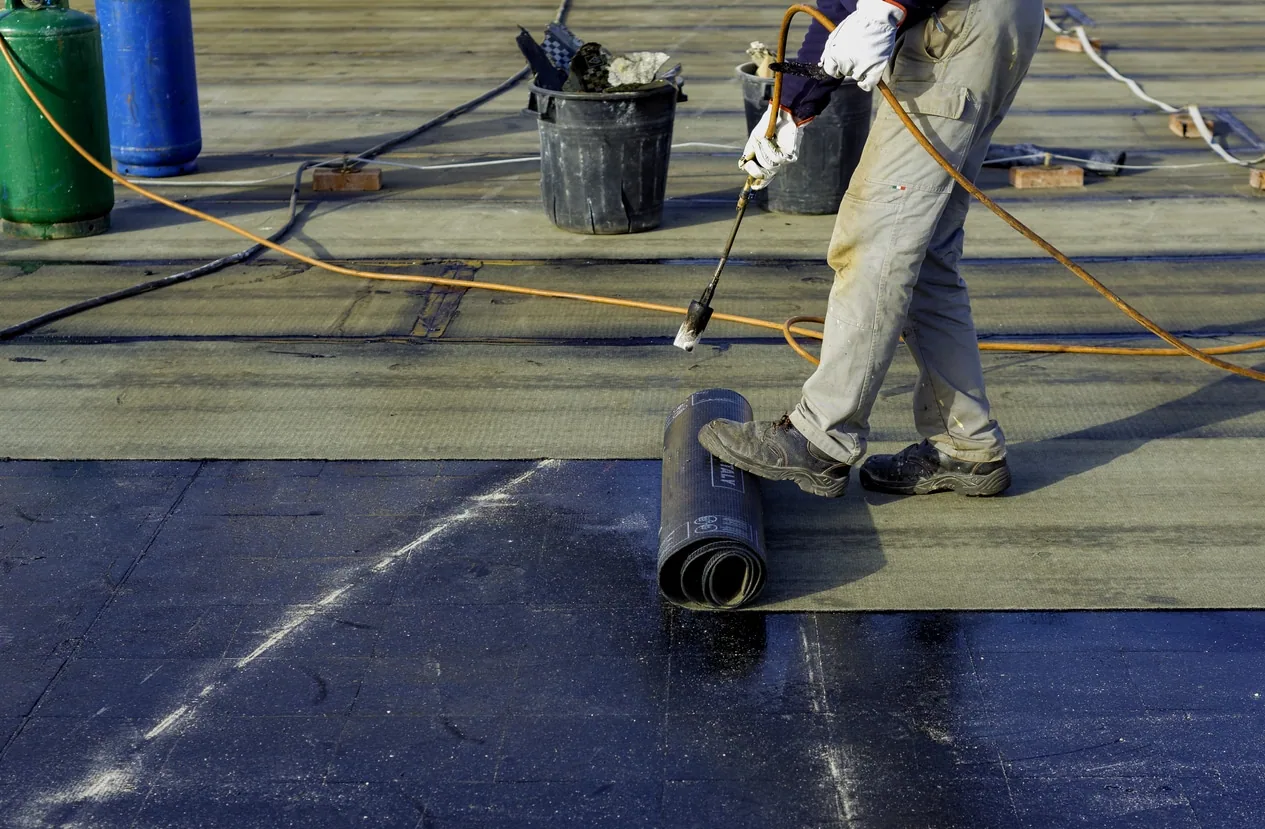
Heat-sensitive preparation includes more than application. A surface may need cleaning, drying, or removal of loose material before a patch or flashing detail can bond. We confirm the existing membrane type and compatibility, then keep the prepared area within the time allowed by the system instructions. A compatible EPDM repair uses the right seam and flashing materials for that assembly, while a coating proposal requires its own substrate and adhesion checks. Product choice follows what is present, not an assumption based on the community’s history.
Repair boundary and replacement options
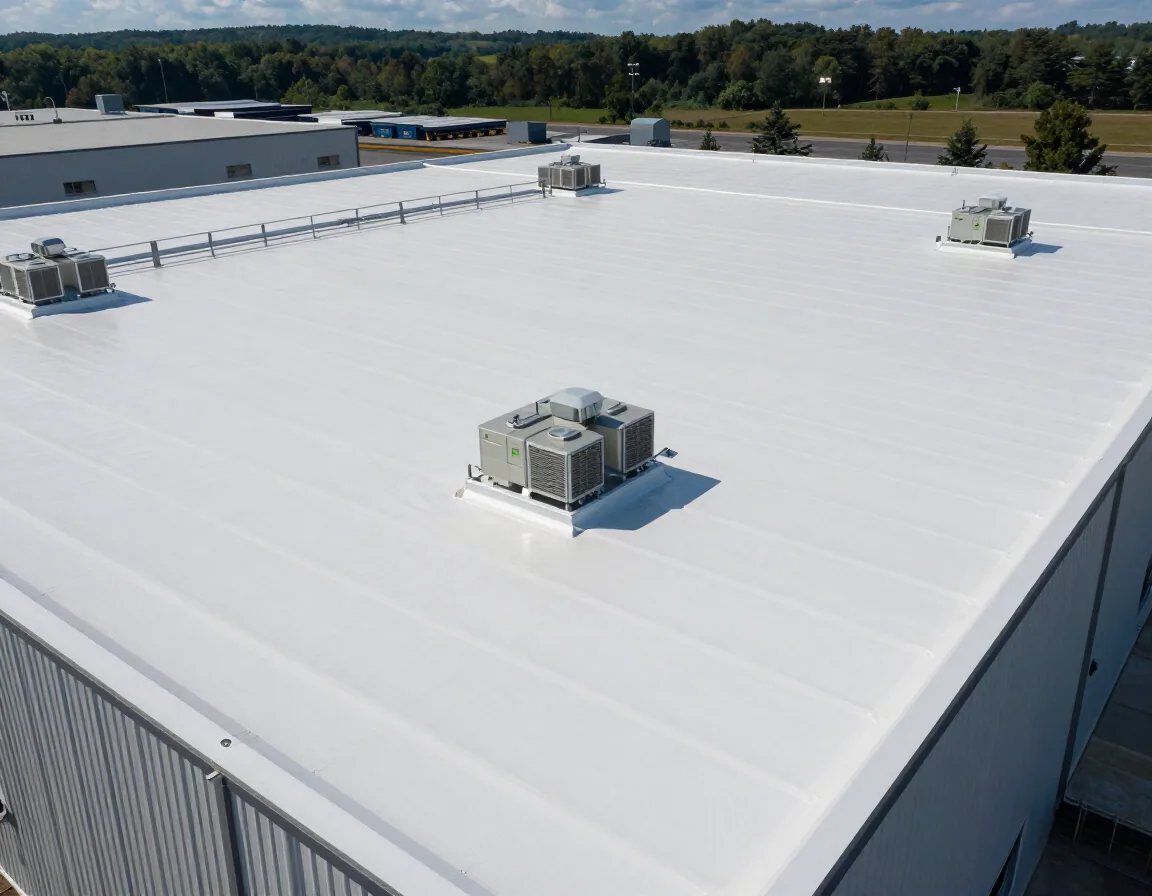
A localized seam or penetration defect can stay within a defined repair when nearby material is stable and the drainage path works. We remove material only to the approved boundary, check exposed layers, and tie the new detail into sound surfaces. If moisture extends past the opening, the deck has deteriorated, or attachment is not reliable, we document the changed condition and request a decision before the scope expands. That keeps a water-control action separate from a capital replacement choice.
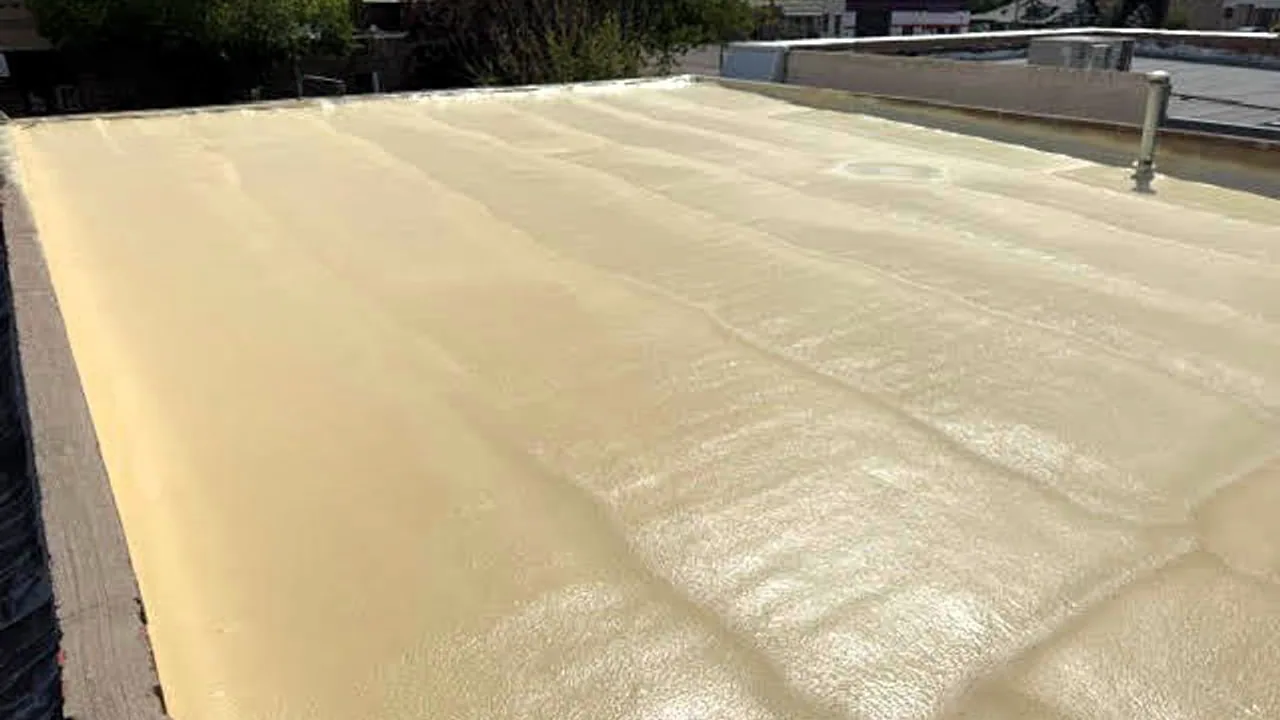
Recovering over an existing roof requires review of layer count, moisture, attachment, edge height, drainage, and applicable code requirements. Coating can be considered only when the surface is compatible and the underlying assembly is suitable. Replacement may involve tear-off, insulation, deck work, edge metal, disposal, and interior protection, each affecting schedule and cost. A repair scope can isolate the immediate issue, while a maintenance visit records drain and flashing conditions for later comparison.
Storm review and daily closeout
Severe thunderstorms in the broader region can bring hail and damaging wind, particularly in spring and autumn. That timing can prompt a roof review, but weather exposure is not a finding about a Gresham property. We inspect the membrane, seams, edges, penetrations, and drains and compare new observations with dated prior records when available. If water is entering, check current crew availability with the property contact. A confirmed visit can document temporary protection before permanent work is released. The emergency roof repair process keeps those scopes distinct.
At shift end, the crew records finished details, remaining exposure, temporary protection, drain status, and the test or approval needed before work resumes. We attach dated photos to the marked zone, not just the project folder. The record marks each area as released, held for a material reading, or awaiting inspection. For a hail review, a hail condition check keeps impact observations separate from prior wear. Send the roof plan, assembly records, current condition, access window, and decision date for a sequenced field plan.
Water control also needs a defined end point. We record where temporary protection begins and ends, how runoff leaves the work zone, and what condition triggers a return visit. If the drain path is restricted, the closeout notes the check required before the area is released. That keeps an overnight measure from being mistaken for a permanent repair.
Commercial Roofing Questions
Does Gresham’s history identify the roof assembly on an existing business?
No. The railroad and cotton-gin history, along with later commercial activity, describes the community over time. We identify a present roof from property records and field inspection, then check seams, attachment, drainage, flashing, and concealed conditions before choosing a repair.
What sets the start time for a bonded repair in Gresham?
The crew checks moisture, preparation, and substrate temperature at the proposed detail. We compare those conditions with the selected product instructions. The reading determines which adhesion-sensitive tasks can proceed and which zone needs a later release.
What should be checked before a recover is approved?
We review layer count, moisture, attachment, drainage, edge height, and the governing code path. If a test could change the decision, we mark the opening and restoration detail, obtain approval, and keep the recover on hold until the result is recorded.
How are storm findings separated from an older leak?
We map the observed condition by roof zone, photograph it, and compare it with dated prior records if they exist. The weather report can set inspection timing, while the actual membrane, flashing, and drainage establish the property finding.
What belongs in the first access package?
Include the roof plan, known assembly and repair records, access rules, occupied hours, staging limits, current condition, and decision deadline. We use those details to mark the work boundary, test points, and person responsible for each release.
Related Pages
Release the first Gresham roof zone
Send the roof plan, assembly records, access window, current condition, and decision deadline. We will return a sequenced field plan with open tests and hold points marked.