
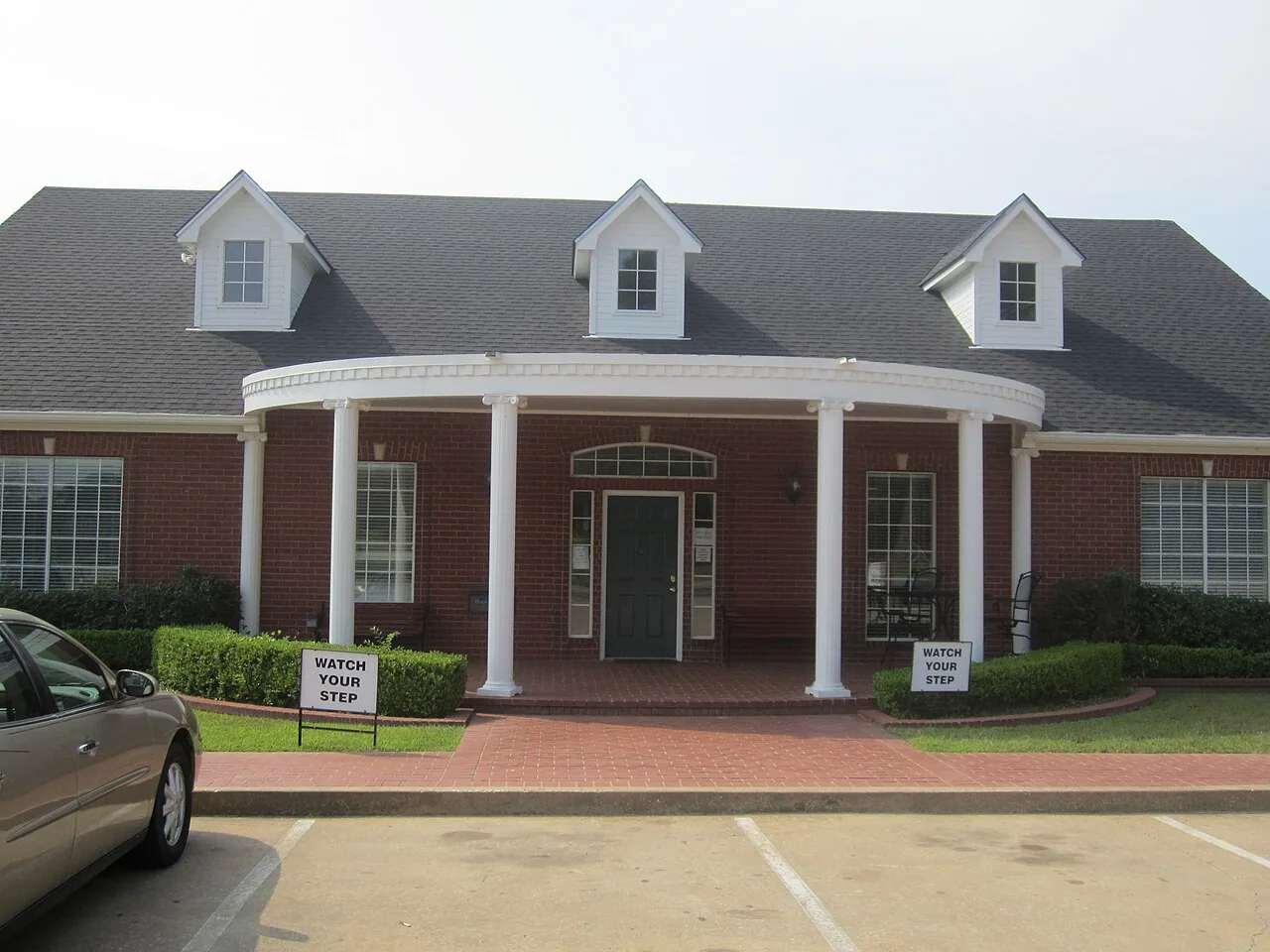
Commercial roof repair in Chandler begins with the existing assembly, the active defect, and a secure stopping point. For a Chandler commercial roof, we first confirm the assembly, access plan, and task that must be finished before a surface is exposed. The property contact identifies the occupied areas below, delivery limits, and access period that the repair crew can use. We inspect the actual seams, edges, penetrations, and drainage, then show the general contractor which work is confirmed and which test or approval remains open.
Chandler's commercial zoning allows low-intensity office, business, and commercial uses near major arteries, with standards for building placement, coverage, parking, and loading. That context makes access and delivery coordination relevant, while the owner still confirms each site's route and operating hours. Tyler’s normal July high averages 94.5°F, and East Texas storms in spring and autumn can carry hail and damaging wind. We use those conditions as scheduling inputs, not property-level readings. A commercial roof inspection marks the next hold point before the crew enters another zone.
Access, loading, and work zones
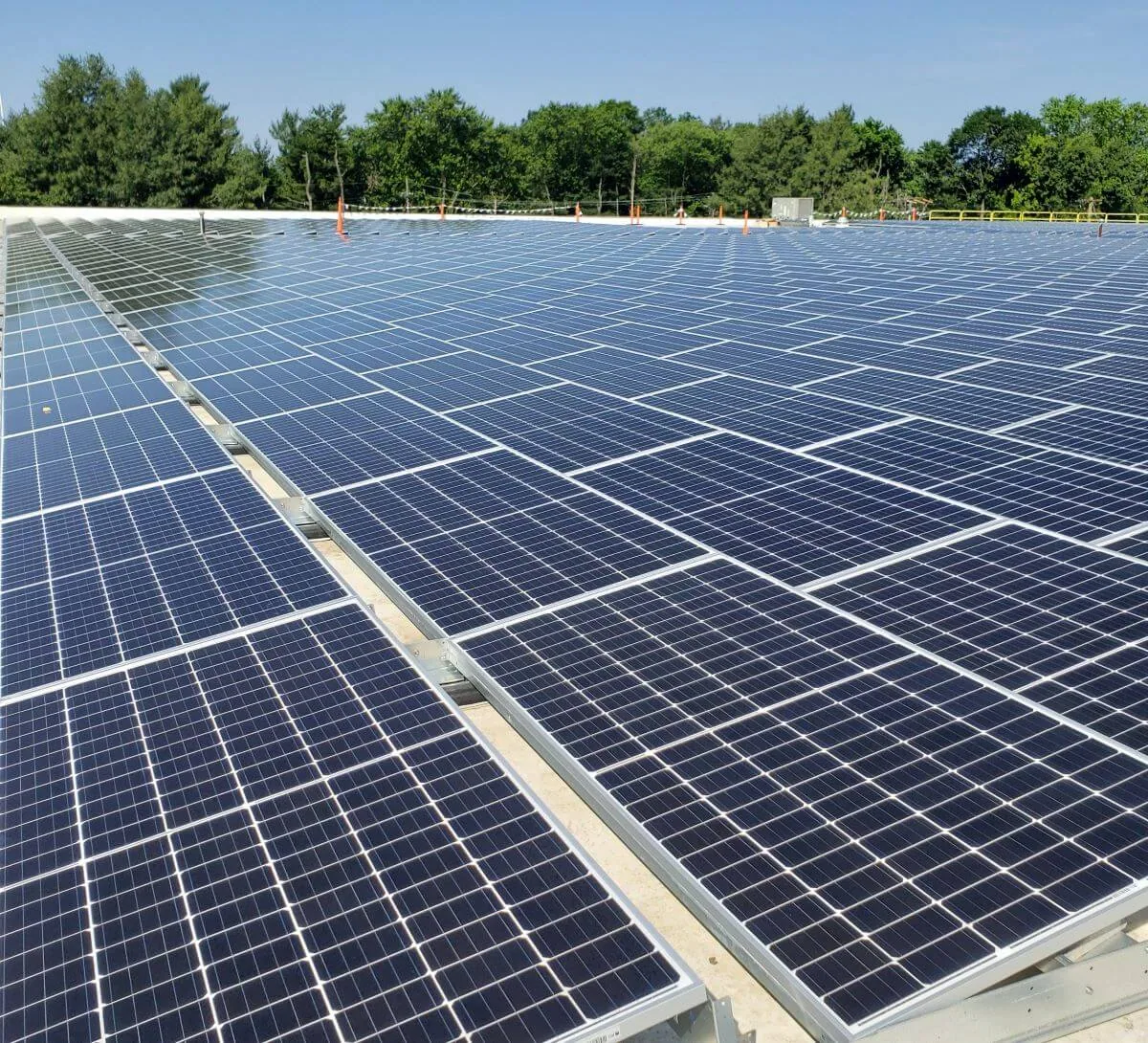
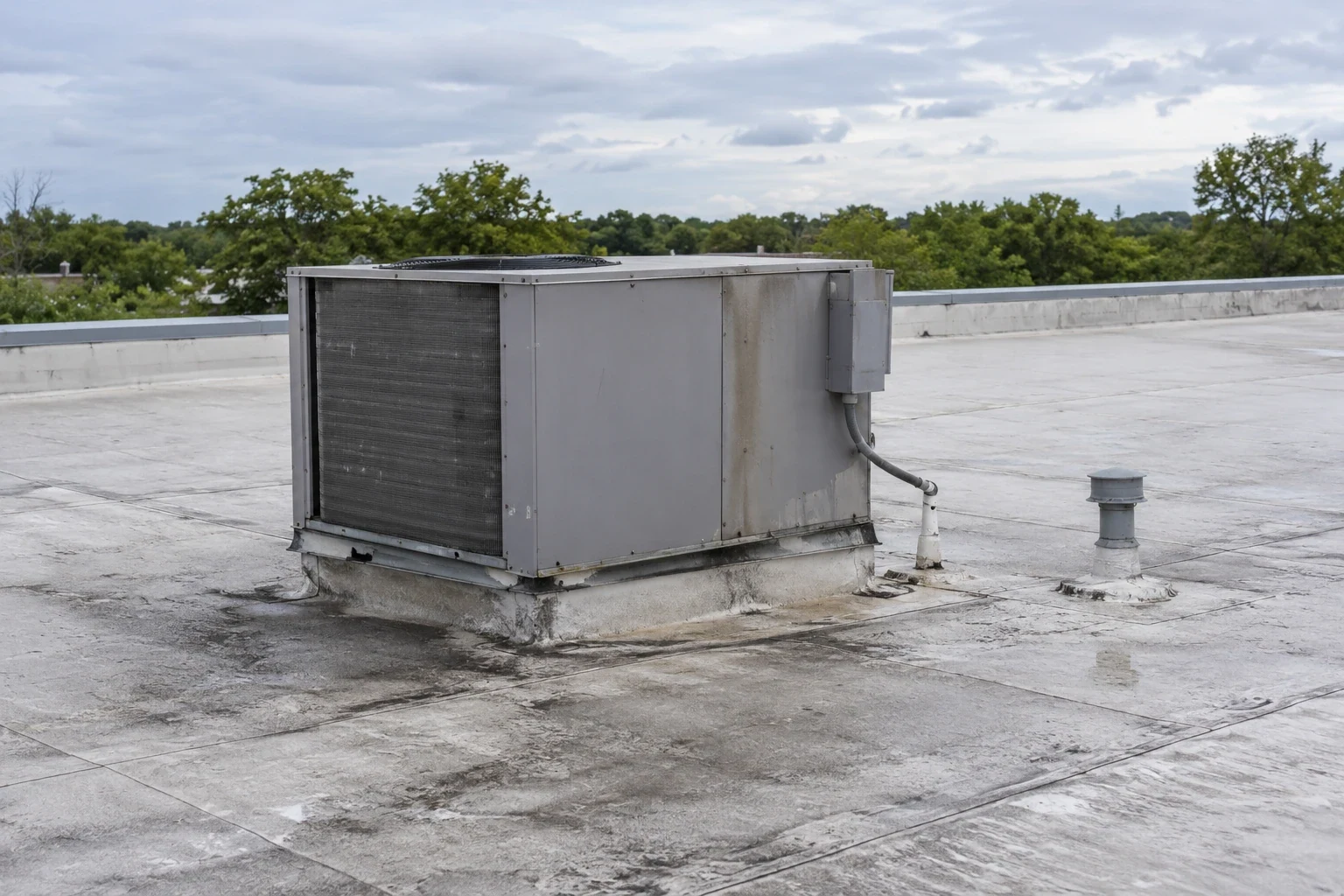
Loading and roof access need to fit the building's day, not just the proposed material sequence. We confirm staging, lift locations, delivery hours, equipment clearances, tenant routes, and interior protection with the project contact. Then the roof walk maps the system that is present and the details that can control the work: drains, curbs, penetrations, perimeter metal, and prior repairs. On a membrane, we check seam direction and weld condition; on metal, fasteners, laps, and panel movement can govern the next detail. Chandler's zoning framework includes loading and placement standards, but a roof plan and site-specific direction determine how a crew reaches the work.
Chandler’s business-development priorities include retaining and expanding local businesses and attracting new activity. For an owner evaluating an existing asset or a planned project, that makes a clear roof record useful without implying any particular building's condition. We can build a roof capital plan from confirmed condition, remaining tests, and decision dates. A Tyler commercial roof review may support a regional portfolio, but Chandler's access notes and roof findings remain tied to the property inspected.
Existing details before a repair
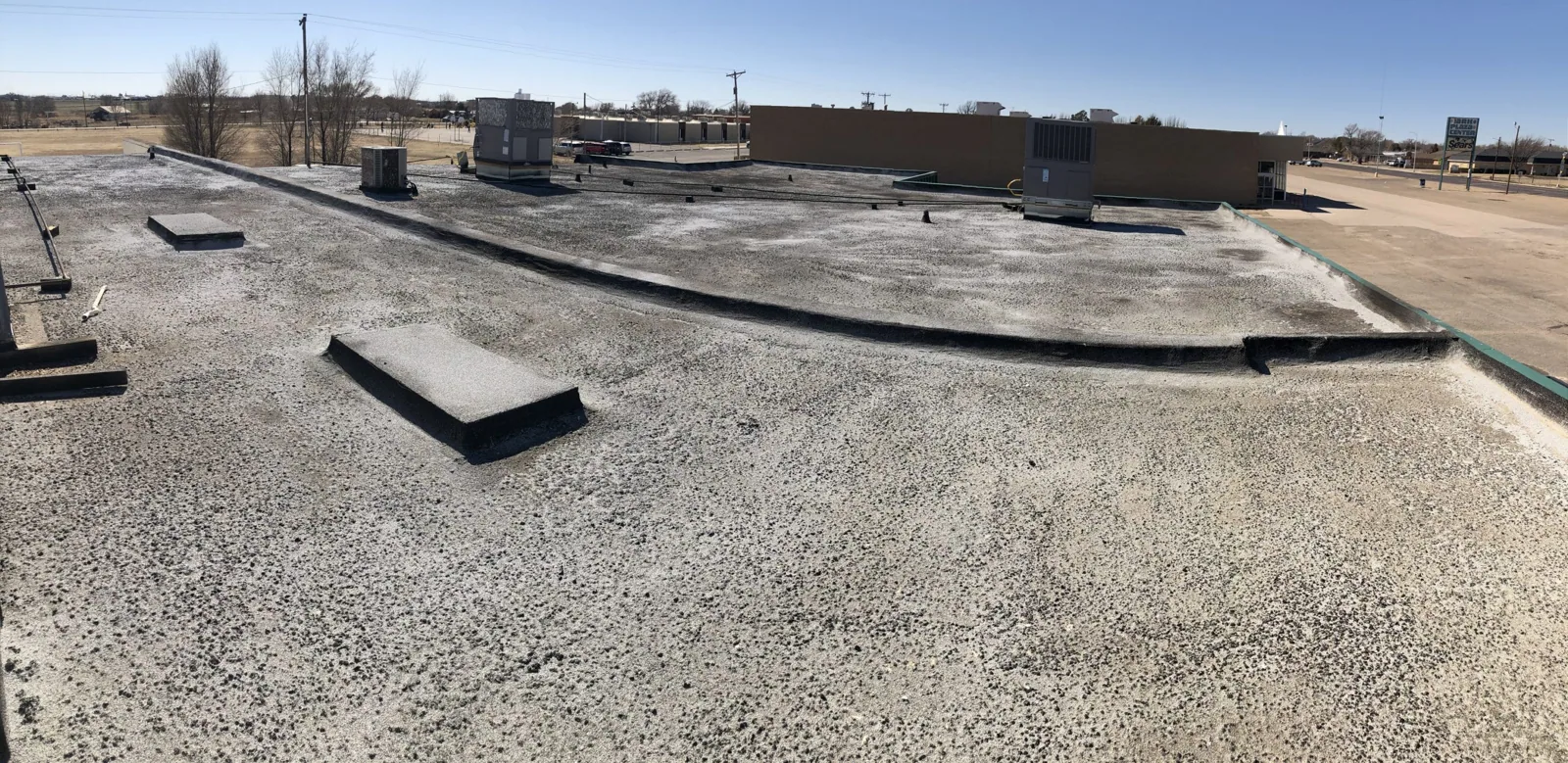
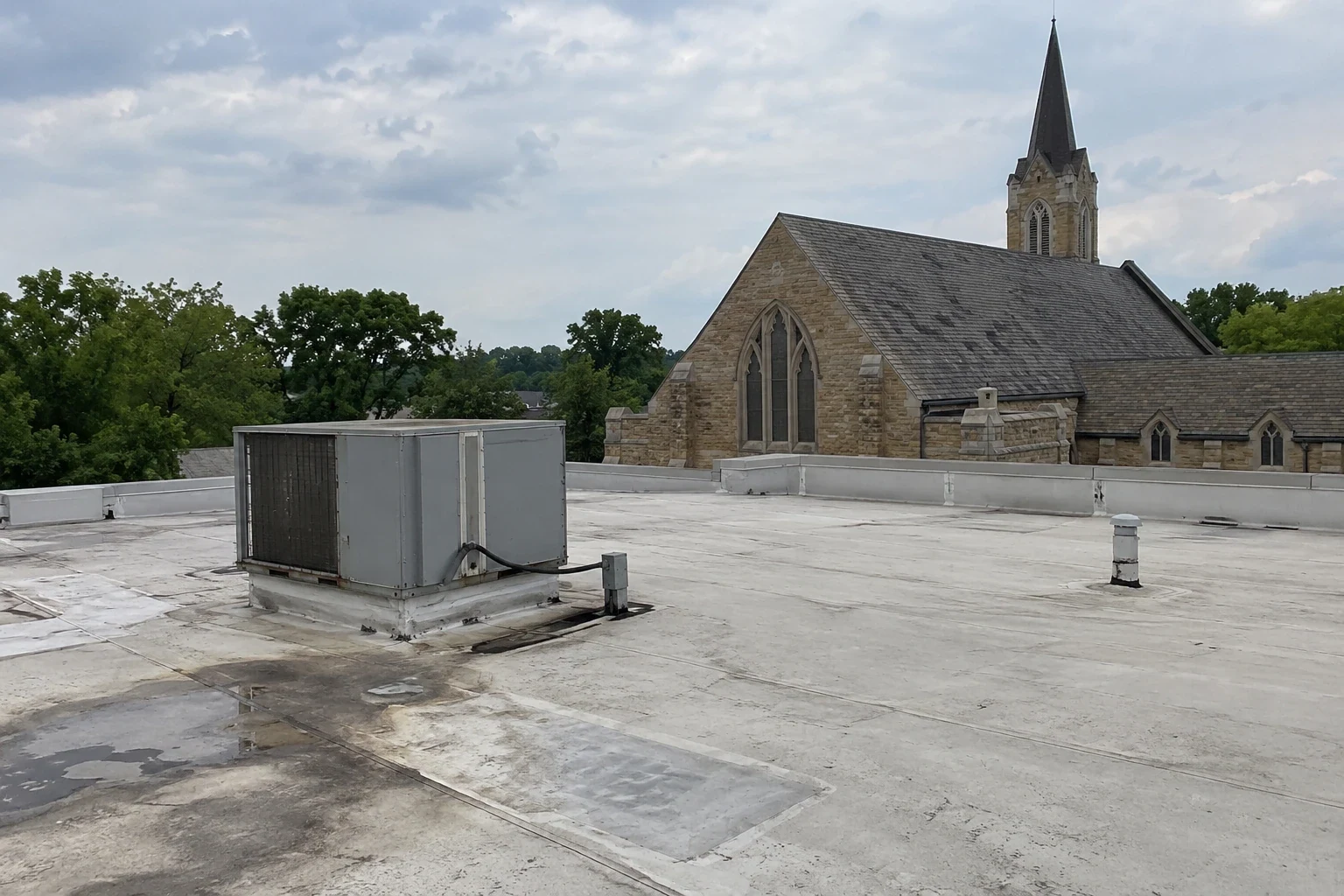
Chandler’s early business district grew around the railroad, with retail once occupying the first floor of a two-story brick building. A current inspection identifies membrane or metal, seam and fastener condition, flashing transitions, rooftop equipment, and the route water takes toward drains. We photograph each finding and note whether the detail is visible, tested, or still concealed. Changes in slope, parapet corners, and transitions between roof sections receive separate marks because each can redirect water or alter a tie-in.
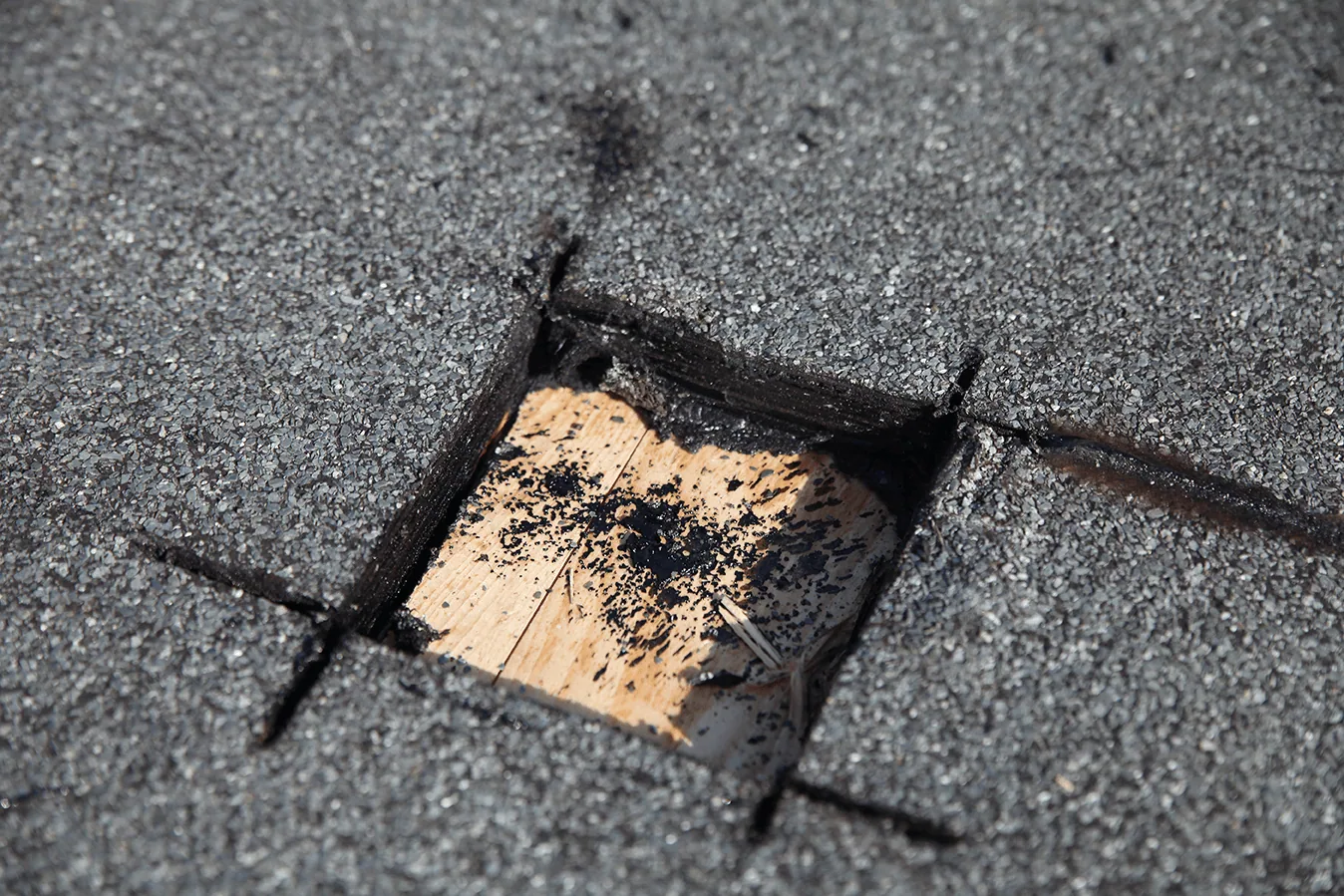
A leak report may begin below a curb while the entry point sits farther uphill or along a seam. We compare the interior report with the roof-zone map and follow the drain path before setting the removal line. If a test cut or moisture survey could alter the scope, we mark its location and obtain approval first. The infrared moisture survey is selected for a question it can help answer, while a condition report with photographs records the evidence and limits. That gives the owner a basis for choosing a repair rather than treating a visible stain as a complete diagnosis.
Heat-sensitive work and storm checks
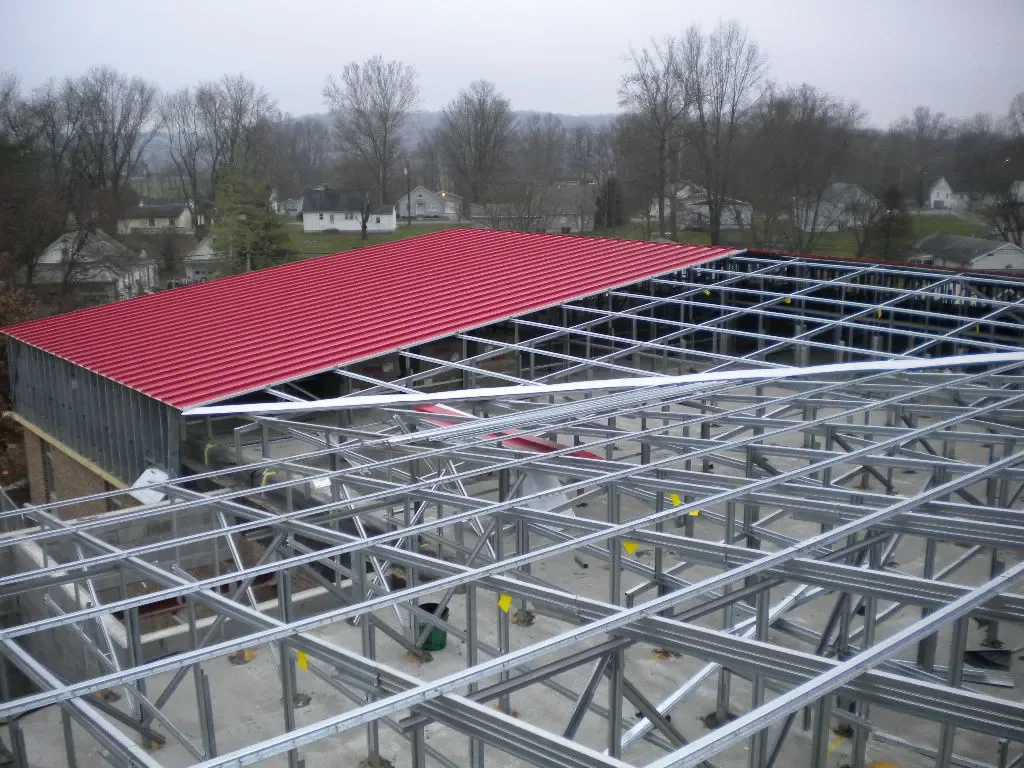
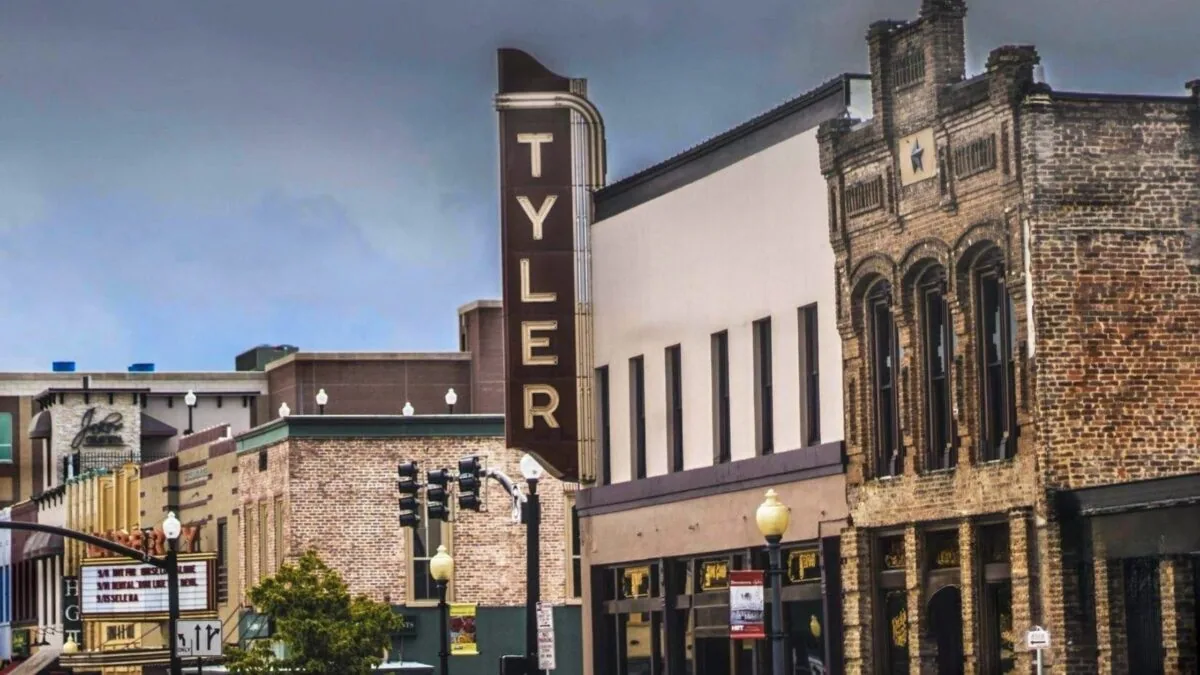
Nearby Tyler has a normal July high of 94.5°F, so summer work planning reserves suitable periods for bonding and sealing details. Before adhesive, primer, sealant, or coating application, we check current readings and the selected product's requirements. A hot substrate can change preparation and timing, so the field plan names the hold point before a bond-dependent task. If conditions move outside the method's limits, the crew closes the exposed section and shifts that work package to another window.
For a Chandler project, the seasonal storm review should account for regional hail and damaging wind, hazards that peak most often during spring or fall. A tornado occurred in Tyler on June 8, 2021. If a storm is reported in Chandler, we inspect the roof for impact, displacement, and water entry. The review checks seams, penetrations, flashing, edges, and drainage by zone. Where storm damage leaves an opening, call us; once dispatch and safe access are confirmed we record temporary water control and the approvals still needed for repair. The closeout notes what was protected, what remains hidden, and which approval releases permanent repair.
Repair limits and system choices
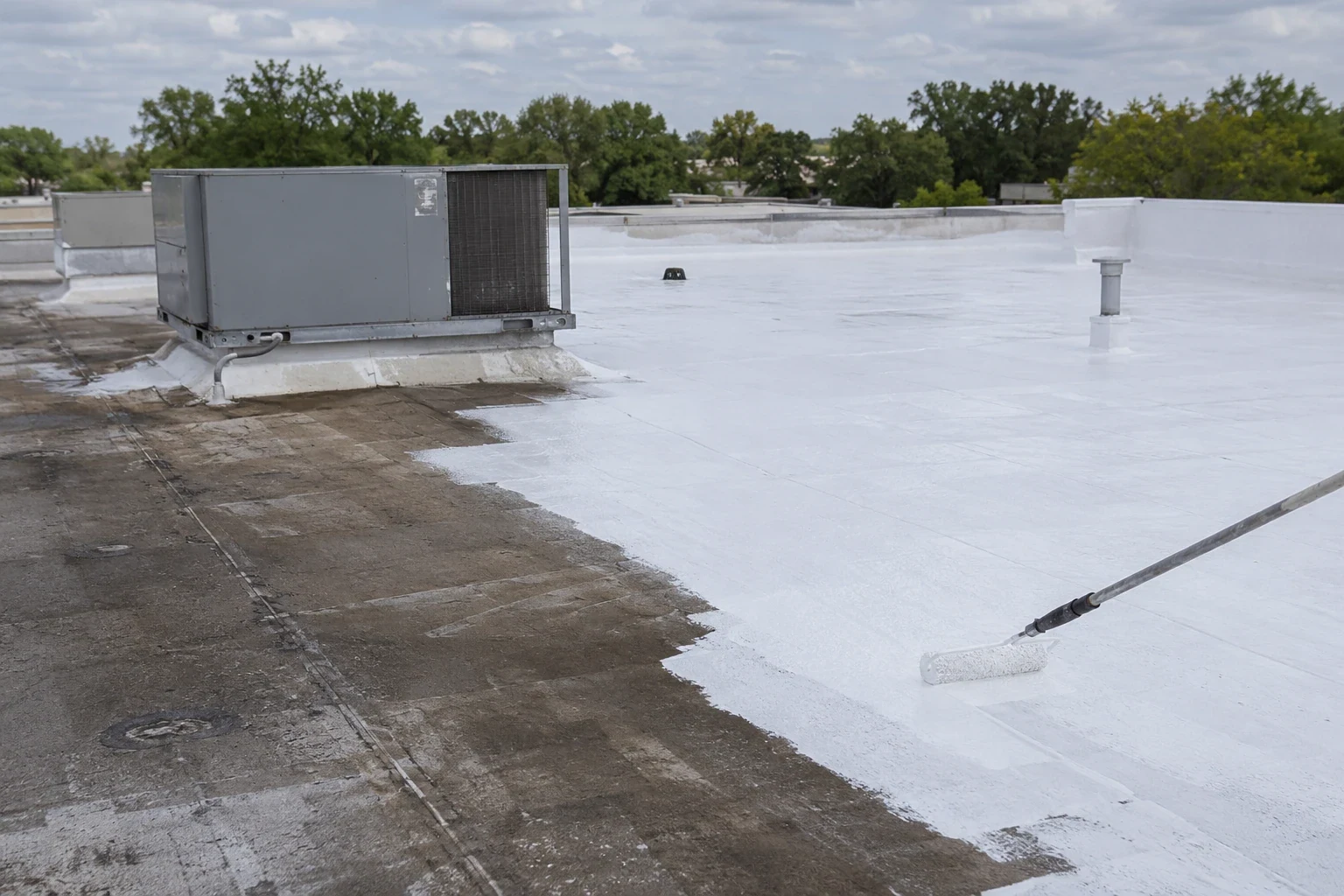
A repair can stay localized when the surrounding assembly is stable and the material will accept a compatible tie-in. Cutting stops at the approved boundary; then the exposed substrate is checked, the surface is prepared, and the finished detail is photographed. Repeated seam failure, wet insulation, weak attachment, or a compromised deck may call for testing beyond the initial area. We stop at that decision point and keep an unconfirmed quantity out of the authorized work.
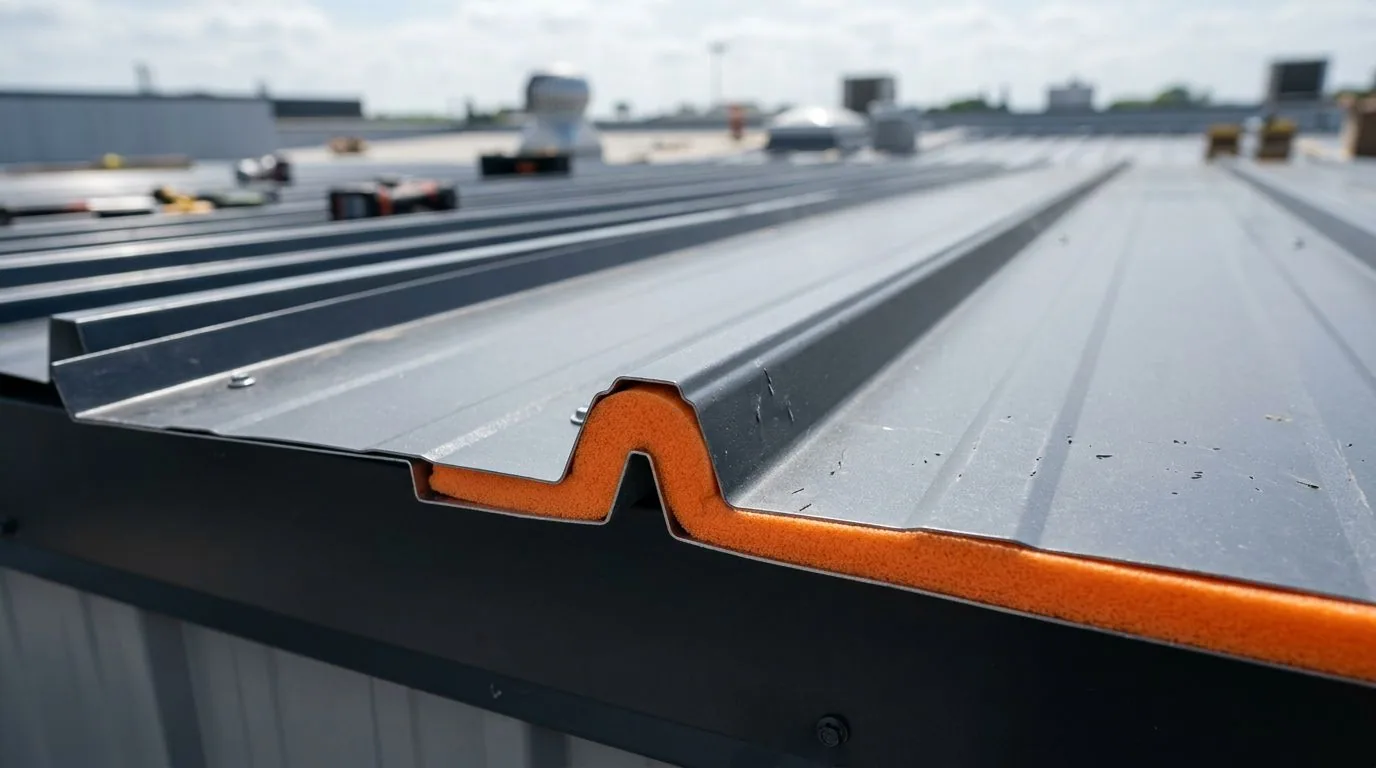
A recover requires a dry and sufficiently stable assembly, acceptable roof count and drainage, and a system allowed by project requirements. Replacement may be more direct if water or attachment problems extend across several zones. Our estimate compares a bounded repair with replacement planning, using removal depth, insulation and deck scope, penetrations, edge details, access restrictions, and weather-sensitive shifts as cost and duration factors. A standing-seam metal option is assessed against the existing structure and details rather than selected from appearance alone. The owner receives confirmed work, open tests, and approval points in separate lines.
Records for the next release
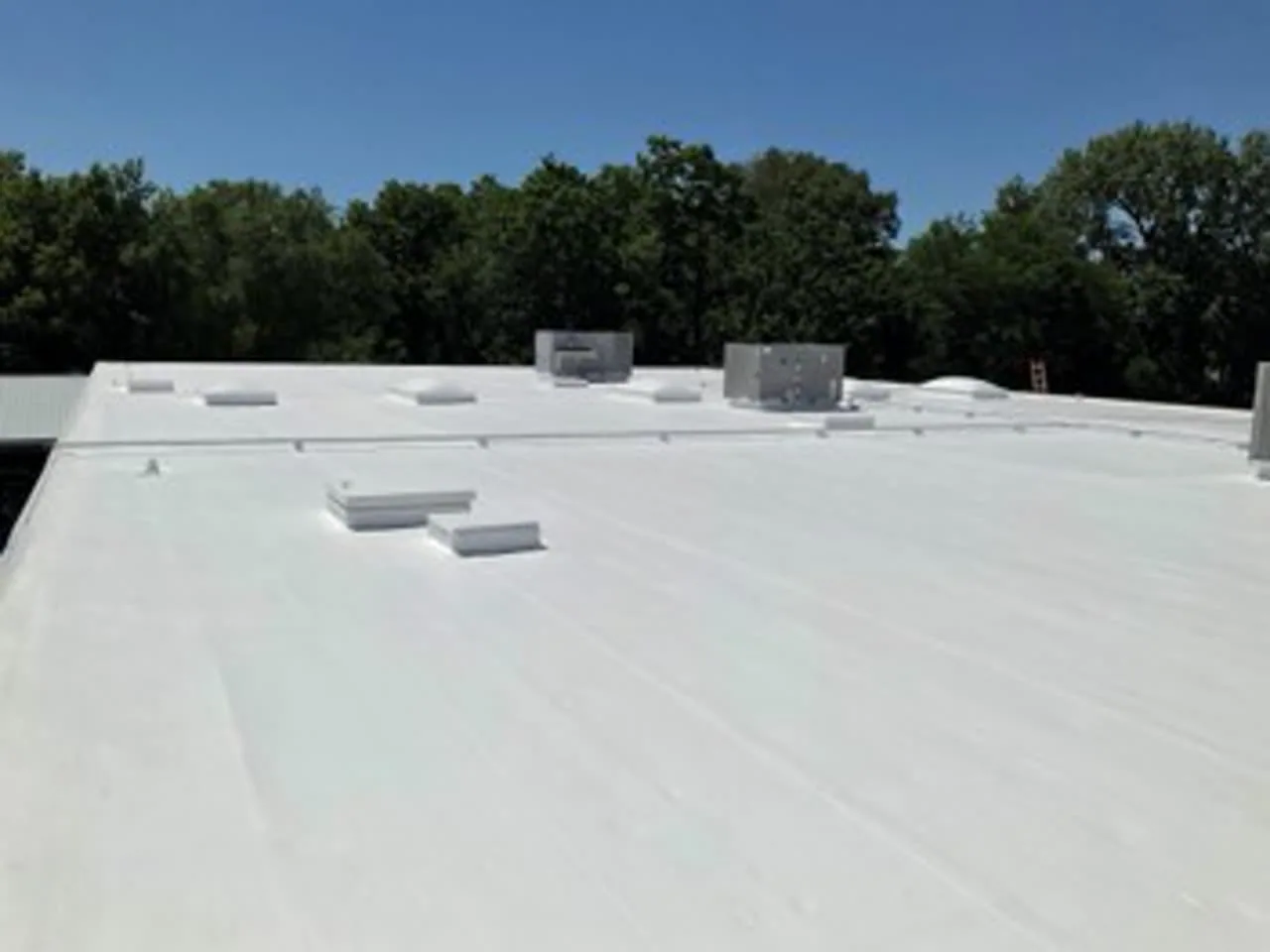
At shift end, the work package records the last completed detail, temporary protection, open test, and roof-zone status. We attach photos to a marked plan and note drains, materials, and the next access release. That prevents the next crew from relying on a verbal account of where work stopped. If heat or a storm changes the schedule, the project record distinguishes a released zone from any area still held for review.
Chandler and Brownsboro are distinct locations with their own property records. A Brownsboro roof-area inspection begins with its own route and assembly, even when the same owner oversees work in both communities. The closeout gives a later maintenance visit a baseline for comparing seams, penetrations, and drainage after repair. We keep each building's photos and test results with its plan, so the next work package starts from evidence the owner can identify and approve.
Commercial Roofing Questions
Does Chandler's zoning determine the roof on a commercial property?
No. Zoning describes permitted uses and development standards, not an individual roof assembly. We inspect the building, review available plans, and verify drainage, edges, penetrations, and materials before recommending work.
How do loading or delivery limits affect reroofing?
We confirm the staging route, equipment clearances, and delivery window with the project contact. Those constraints become part of the roof-zone sequence, including when materials arrive and which access release follows each shift.
Can the historic business district help identify a current roof system?
It provides historical context only. The present membrane, metal, deck, and prior repairs must be checked on the building. We record visible conditions and propose tests where a concealed layer could change the scope.
What do you document after a spring storm?
We map each roof zone and photograph seams, edges, penetrations, flashings, and drains. The report separates surface marks from a confirmed opening or moisture path, then identifies temporary protection and permanent work as separate tasks.
What information helps compare repair and replacement?
Assembly records, moisture results, roof count, drainage, edge conditions, access, and the decision date help define the comparison. We state confirmed quantities separately from tests and approvals that could change the boundary.
Related Pages
Commercial Roof Inspection
Tyler, TX
Commercial Roof Capital Planning
Tyler, TX
Tyler
Tyler, TX
Infrared Roof Moisture Survey
Tyler, TX
Set a controlled work sequence
Send the roof plan, assembly records, access limits, current condition, and decision date. We will return a field sequence that marks confirmed work, open tests, hold points, and the next release.