
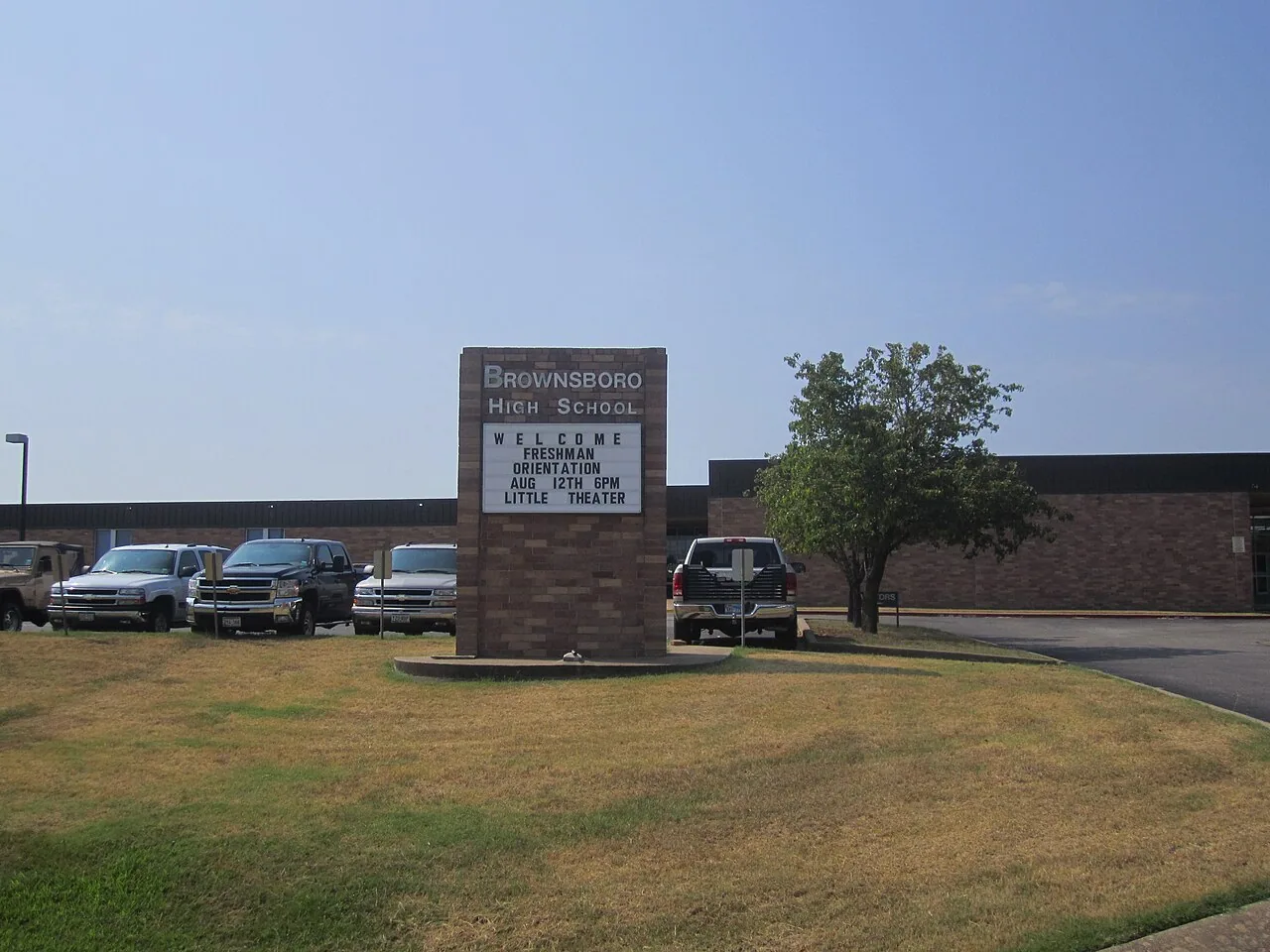
A Brownsboro commercial roof repair starts with the assembly record and a work zone the crew can close securely. In Brownsboro, we start with the building's current condition, access limits, and roof records, then map seams, penetrations, edge metal, and drains before setting a repair boundary. Along State Highway 31, Brownsboro’s commercial-core zoning permits commercial and service uses; our field walk starts with the property’s current assembly and access limits.
Brownsboro developed commercial activity around a sawmill and cotton gin before growth followed the railroad. Tyler’s normal July high averages 94.5°F, a seasonal reference for planning adhesion-sensitive work. Storms in the region can bring hail and damaging wind in spring and autumn, and Tyler experienced a tornado on June 8, 2021. We use the commercial inspection to separate a visible mark from a confirmed opening and identify the next test or approval before the crew receives access.
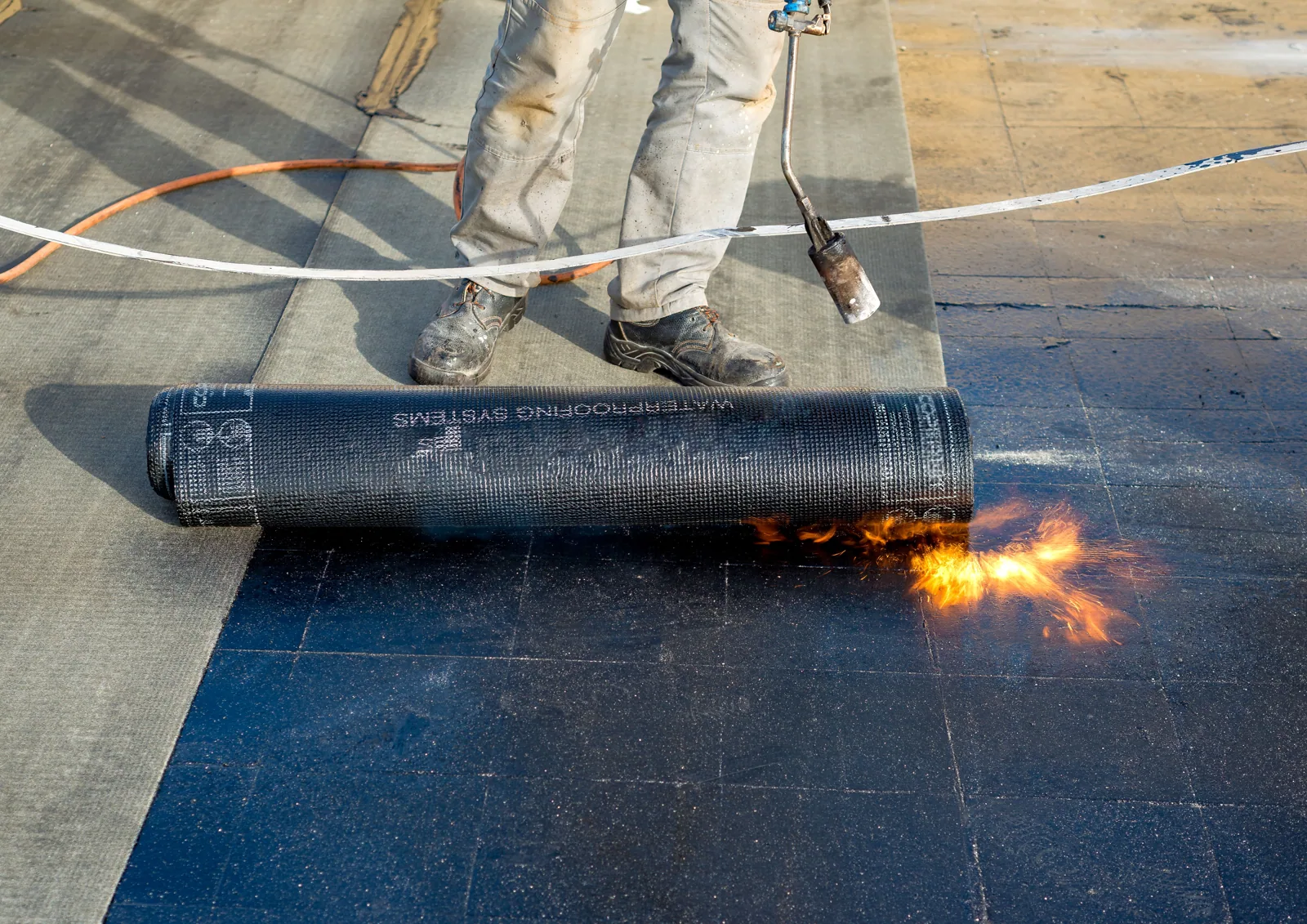
Work across a commercial core
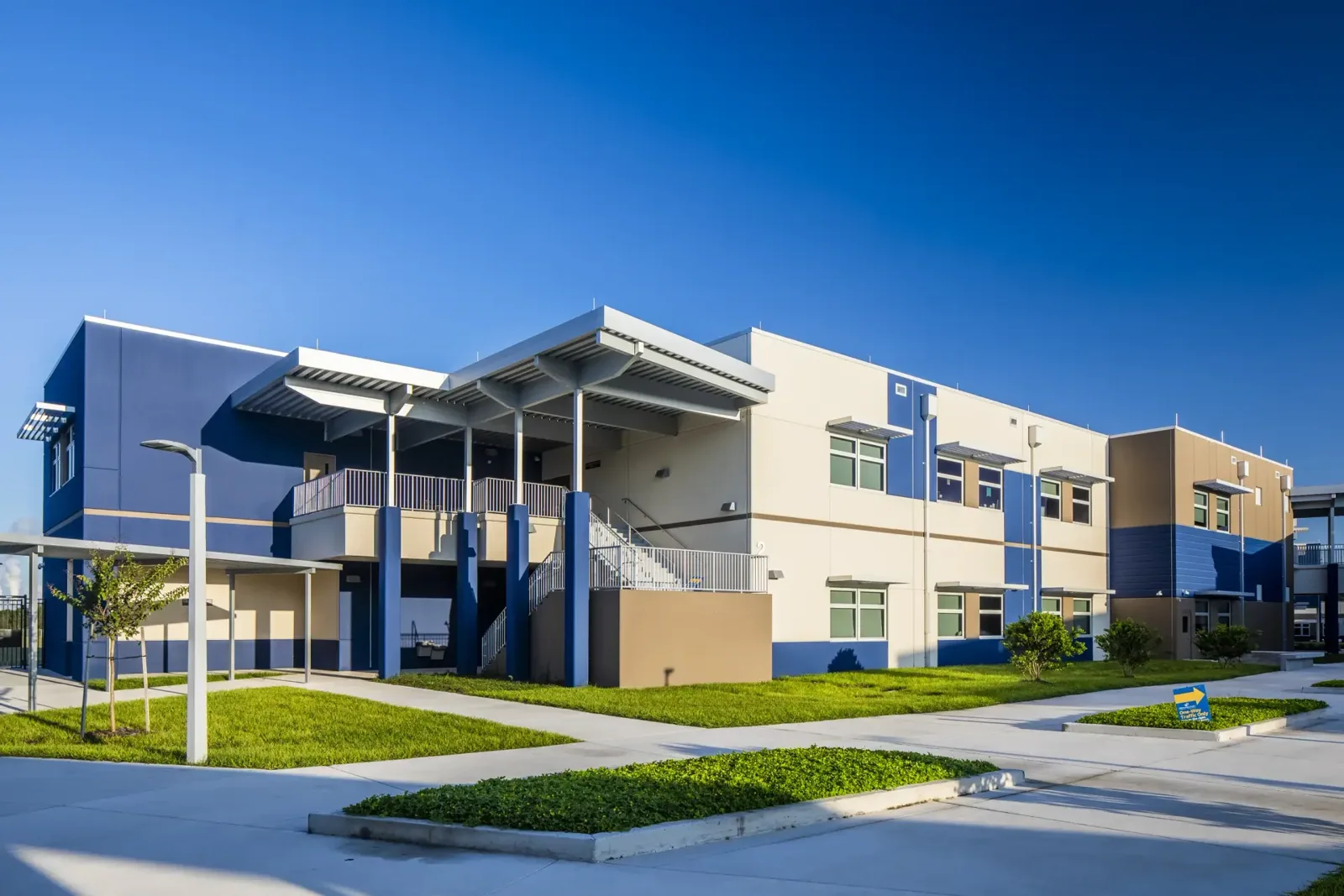
A roof project near a town's central route can require a precise delivery and staging plan. We confirm the site entrance, lift area, pedestrian or tenant routes, restricted hours, and interior protection with the project contact. The field walk then follows the actual assembly from the perimeter to curbs and drain points. Highway 31’s central business district permits commercial and service uses, including equipment and building-material businesses; the owner still sets access and operating limits for the roof work.
We mark each finding on a zone plan and attach a photograph. Equipment sales, repair, building materials, and contractor uses can involve different hours or staging needs, so the access notes belong in the work package before materials arrive. A photo-based roof condition report distinguishes visible areas from portions that could not be reached. A Highway 31 business-district review starts with the selected property’s entrance, occupied hours, and roof access. Each inspection then records the assembly and the detail that needs repair.
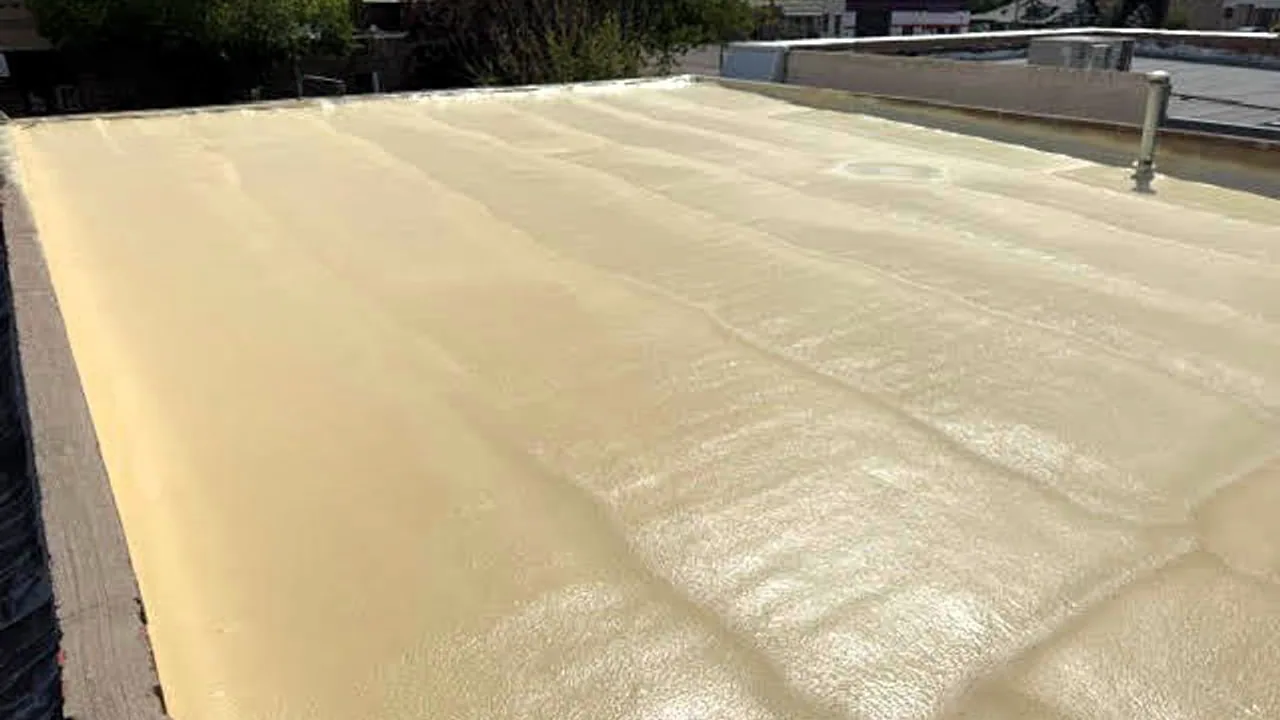
Roof-zone findings before removal
A leak may appear below a wall transition while water enters at a seam farther uphill. The reported interior area is checked against the roof plan, and then we inspect laps, fasteners, flashing, penetrations, and drainage along the likely path. The removal limit stays open until the surrounding layers can support a compatible repair. If moisture mapping or a test cut would change the recommendation, we identify that question and get approval before exposing more of the assembly.
Brownsboro's past railroad and agricultural commerce does not establish a present-day roof type or condition. We inspect the membrane or metal that is actually there and photograph its details. A targeted moisture survey can guide further testing when the result would change the boundary, while flashing repair addresses a confirmed transition failure. We record what is visible, what was tested, and which layer remains concealed so an owner can release a specific task rather than a broad allowance.
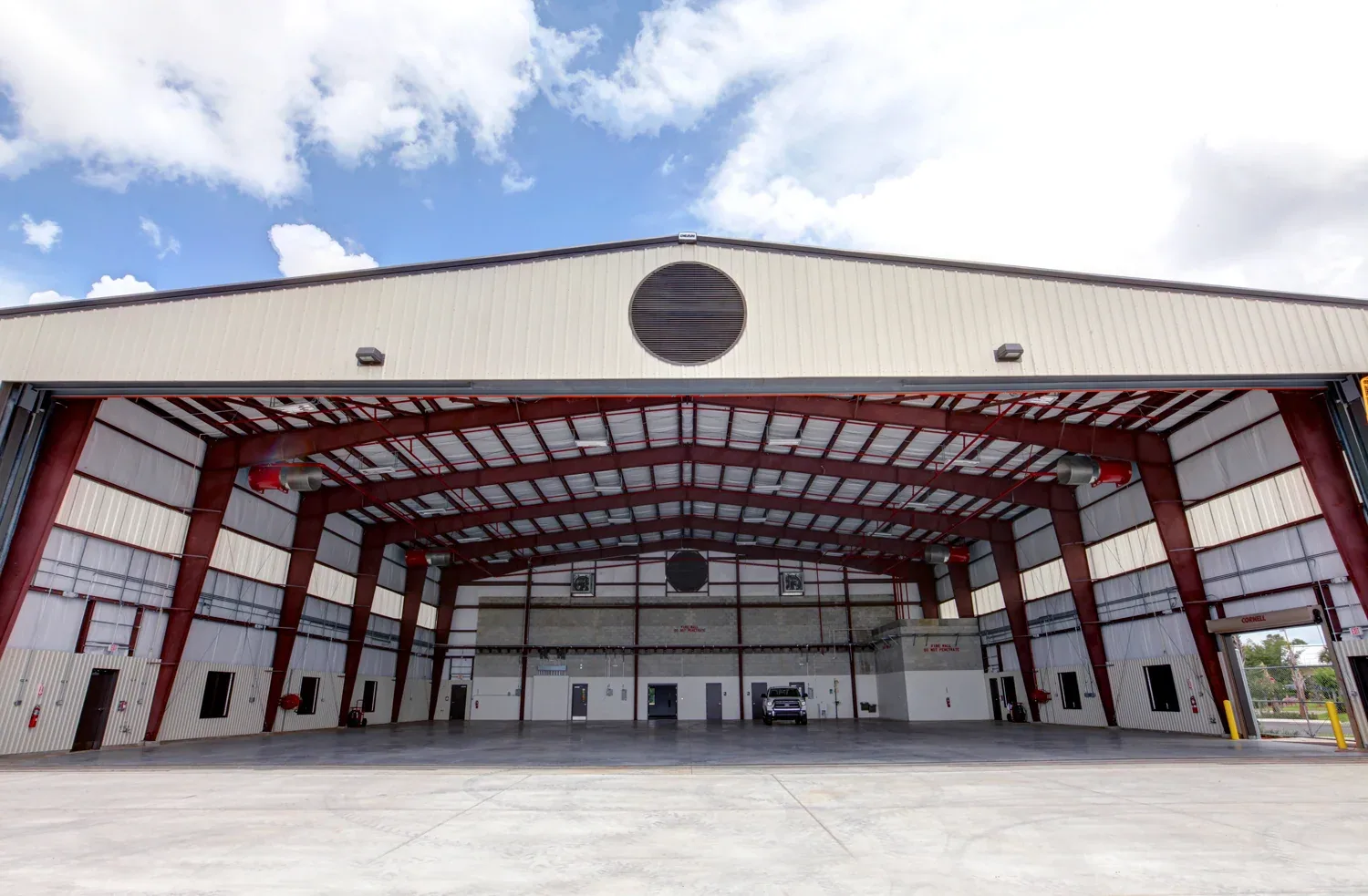
Heat windows and storm holds
Nearby Tyler’s normal July high is 94.5°F; before adhesion-sensitive work in Brownsboro, the crew records the receiving-surface reading and checks product limits. A shaded transition and sunlit field can reach different conditions, so readiness is recorded at each planned detail. Primer, adhesive, sealant, and coating systems each have application limits. We check the selected product requirements, mark a hold point before the bond-dependent task, and release the work only when conditions fit the method. A weather delay can move that package while the completed zone receives an exposed-section closeout.
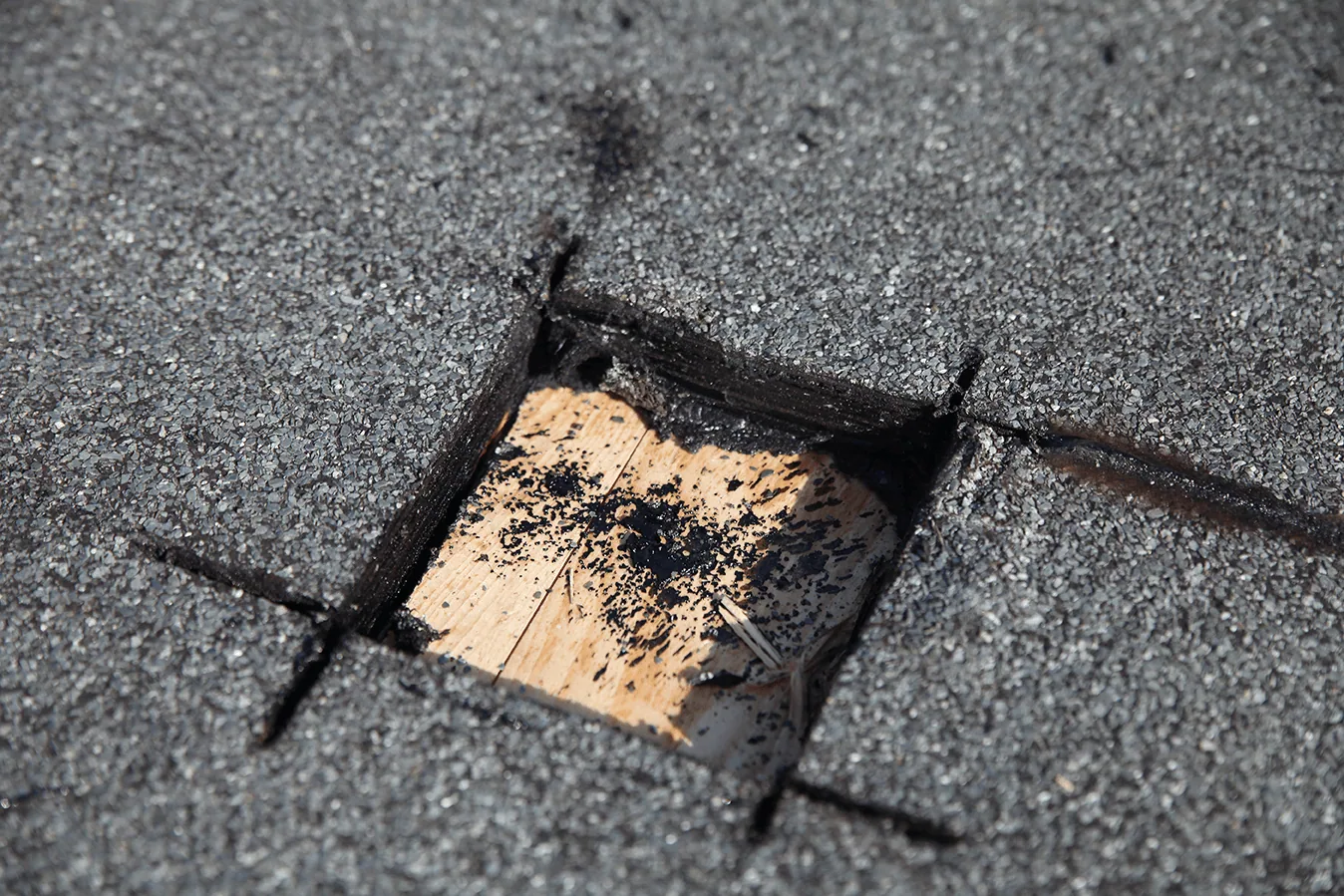
Large hail and damaging winds belong to the severe thunderstorms that are most common in spring and autumn. If hail or damaging wind is reported for a Brownsboro project, we inspect seams, edge metal, flashings, penetrations, and drains rather than assume damage. For a reported opening, verify crew availability and approved roof access first. A scheduled visit can record interim protection and hidden conditions; permanent repair follows only after its boundary is approved. The closeout photographs identify the protected area, remaining exposure, and next roof access release. We keep hail-related roof review kept distinct from emergency stabilization.
Repair or replace by confirmed condition
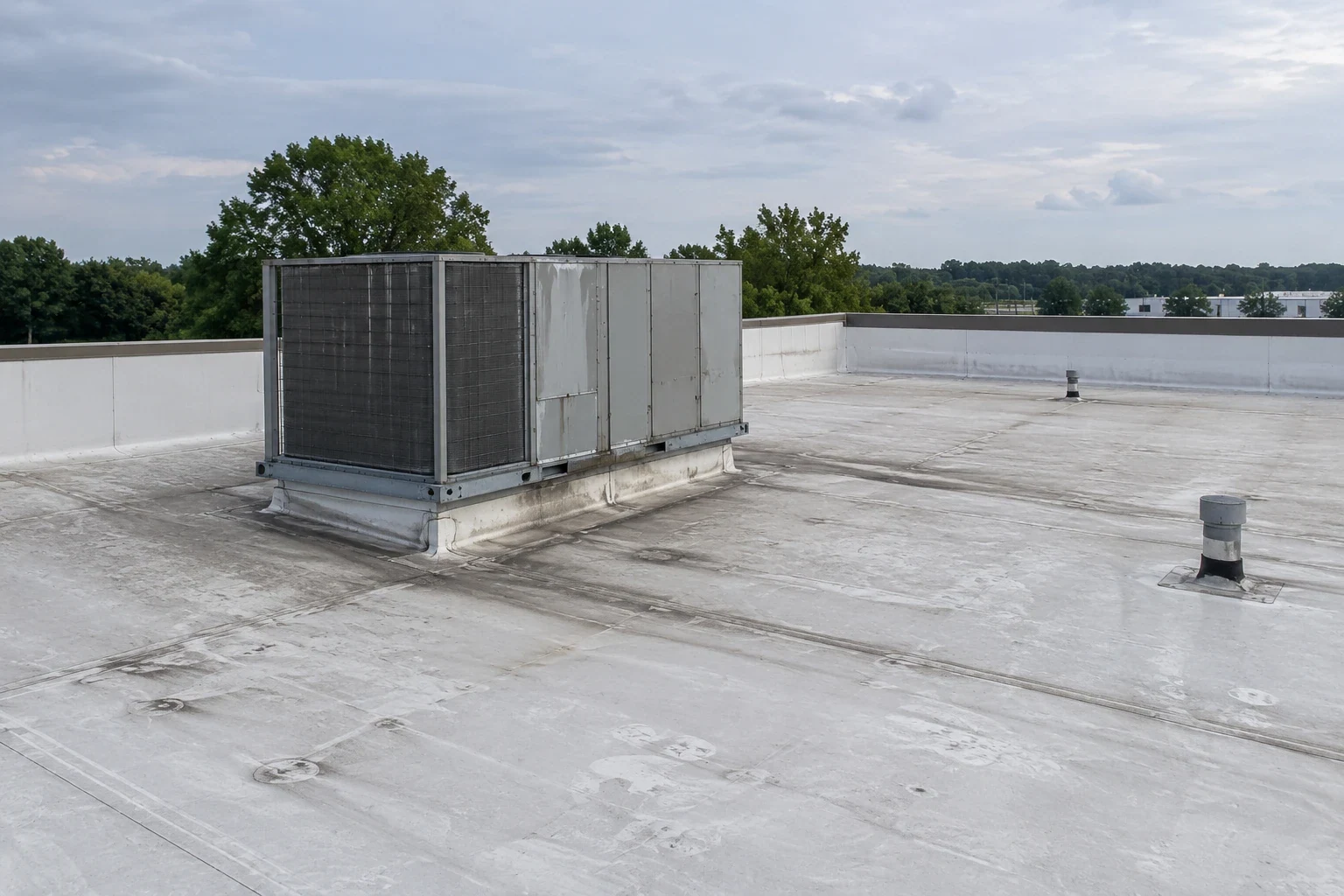
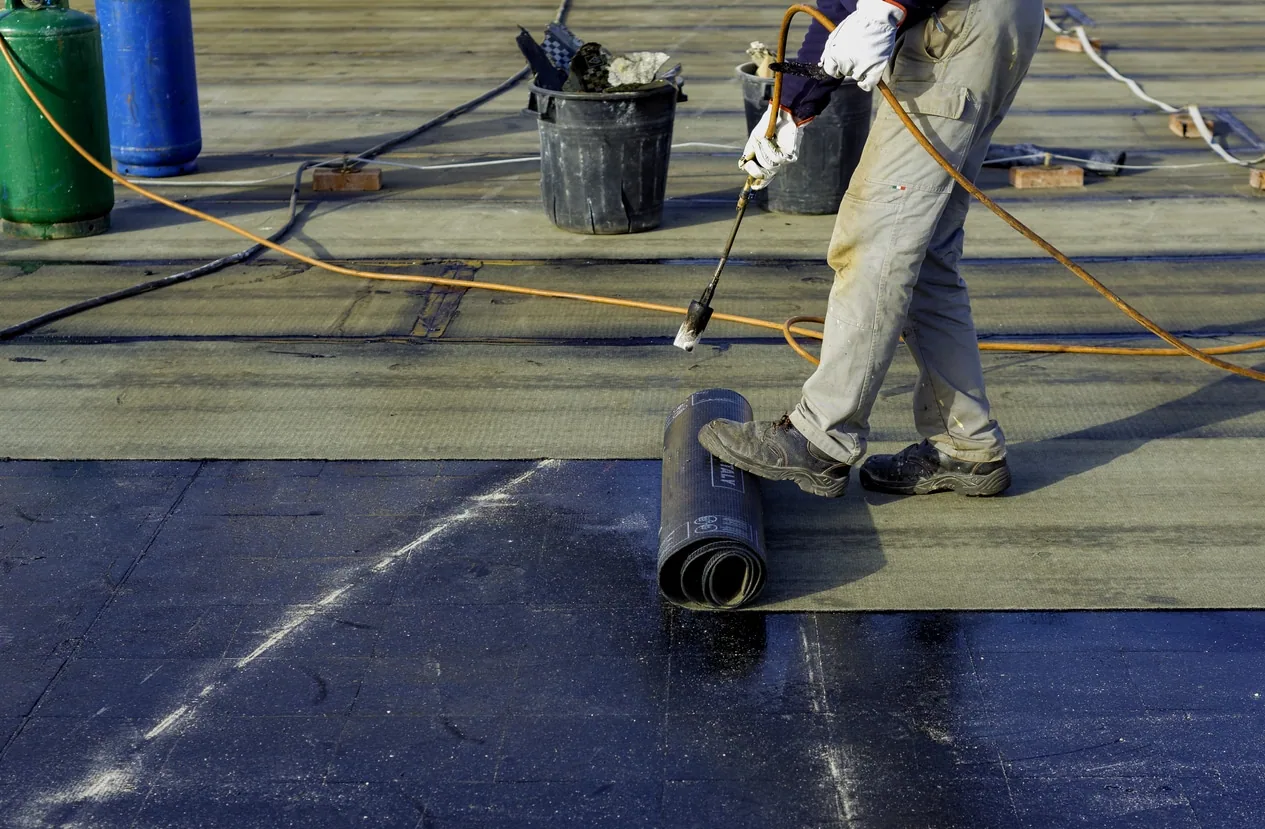
A localized patch can work when the surrounding assembly is stable, sufficiently dry, and compatible with the repair material. We take material off to the approved line only, check the substrate, prepare the tie-in, and photograph the result. Wet insulation, repeated seam failure, loose attachment, or deck damage may extend the scope. At that point, we identify the test or owner decision needed before adding quantities, keeping the confirmed work separate from a possible expansion.
A recover is considered only when roof count, moisture, attachment, drainage, edge height, and project requirements support another layer. Replacement may be clearer if concealed damage spans several zones. We compare a defined repair package with replacement planning, including removal, insulation, deck work, penetrations, edge details, material method, access, and weather-sensitive shifts. For a membrane, we check seam compatibility and edge attachment; for metal, panel movement and penetration flashing require different details. We confirm which condition applies before selecting materials, because a surface label does not identify approved attachment or drain transitions. Cost drivers and open tests are stated so the owner can choose a sequence with the remaining decisions visible.
Daily closeout for the next crew
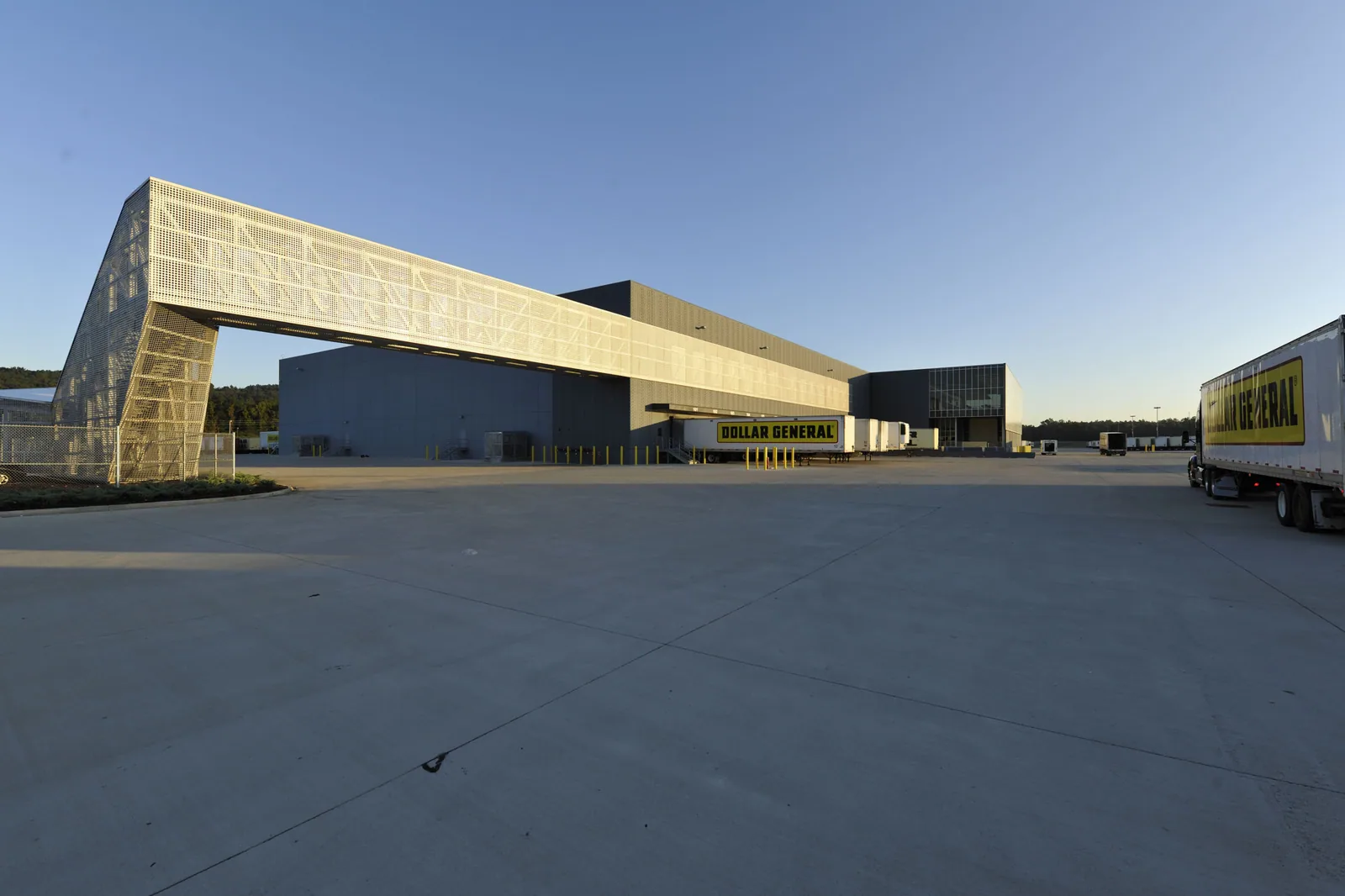
Each shift ends with a record of the last completed detail, the condition of temporary protection, and the check required before work resumes. We attach photos to the marked plan and note the drain path, materials used, open tests, and who releases the next roof zone. That handoff is useful when a delivery window changes or a weather hold shifts the sequence. The team can resume from the recorded condition rather than a verbal summary.
Brownsboro and Chandler remain separate locations even when one manager coordinates work at both. A Chandler roof-zone review starts from its own records and access route. For a Highway 31 property, the handoff also names the approved arrival point, lift window, and contact who releases the next roof zone. The next maintenance visit can compare repaired seams, flashings, and drainage with the earlier closeout and prioritize a test if water reappears. The owner receives a work package that shows completed scope, remaining exposure, and the approval needed to proceed, while each property's photographs stay with its own plan.
Commercial Roofing Questions
Does the Highway 31 commercial district define the roof at my property?
No. The Highway 31 district includes commercial and service uses, but the building’s assembly and condition come from inspection. We confirm access, drainage, seams, penetrations, and edge details before setting scope.
How do you decide where to stop a leak repair?
We trace the likely water path and inspect the receiving material around the opening. The removal line is set where the substrate and adjacent assembly can accept a compatible repair. Any test that could move the line is approved first.
What is documented after a hail or wind inspection?
We map visible conditions by roof zone and photograph edges, seams, flashings, penetrations, and drainage. The report separates suspected impact from a confirmed breach or moisture path, then lists temporary protection and permanent work separately.
Can you work around a delivery or operating window?
We build the access route and material arrival into the sequence with the project contact. Each shift records the completed zone, exposed-section closeout, and next release, subject to actual weather and product limits.
What must be known before comparing a recover with replacement?
Moisture, attachment, roof count, drainage, edge height, and project requirements control the comparison. We identify the tests that could alter the result and keep open quantities separate from confirmed work.
Related Pages
Commercial Roof Inspection
Tyler, TX
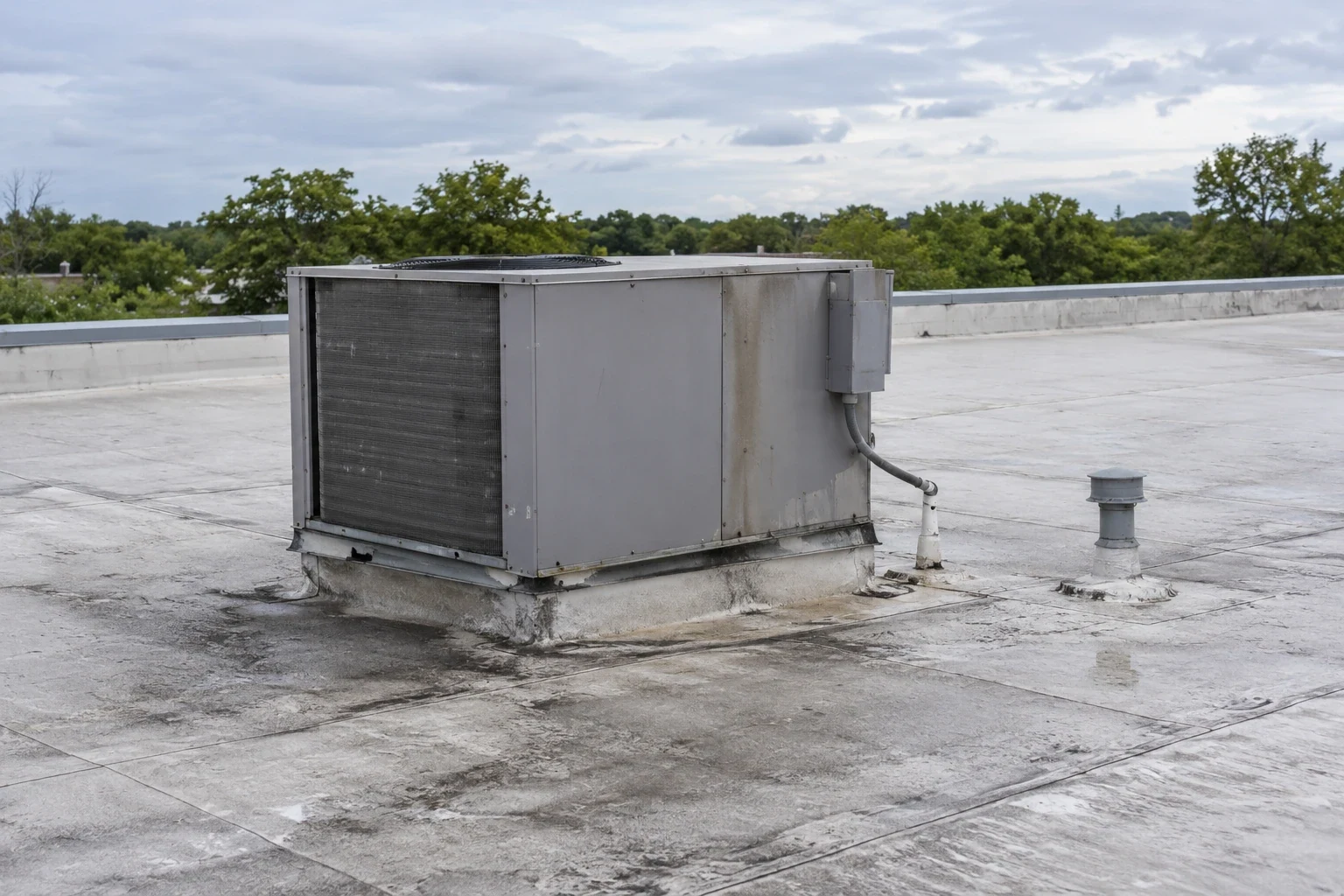
Commercial Roof Condition Reports
Tyler, TX
Infrared Roof Moisture Survey
Tyler, TX
Set the next roof-zone release
Send the roof plan, available assembly records, access window, current condition, and decision date. We will return a sequenced field plan with confirmed work, open tests, and approval points marked.