
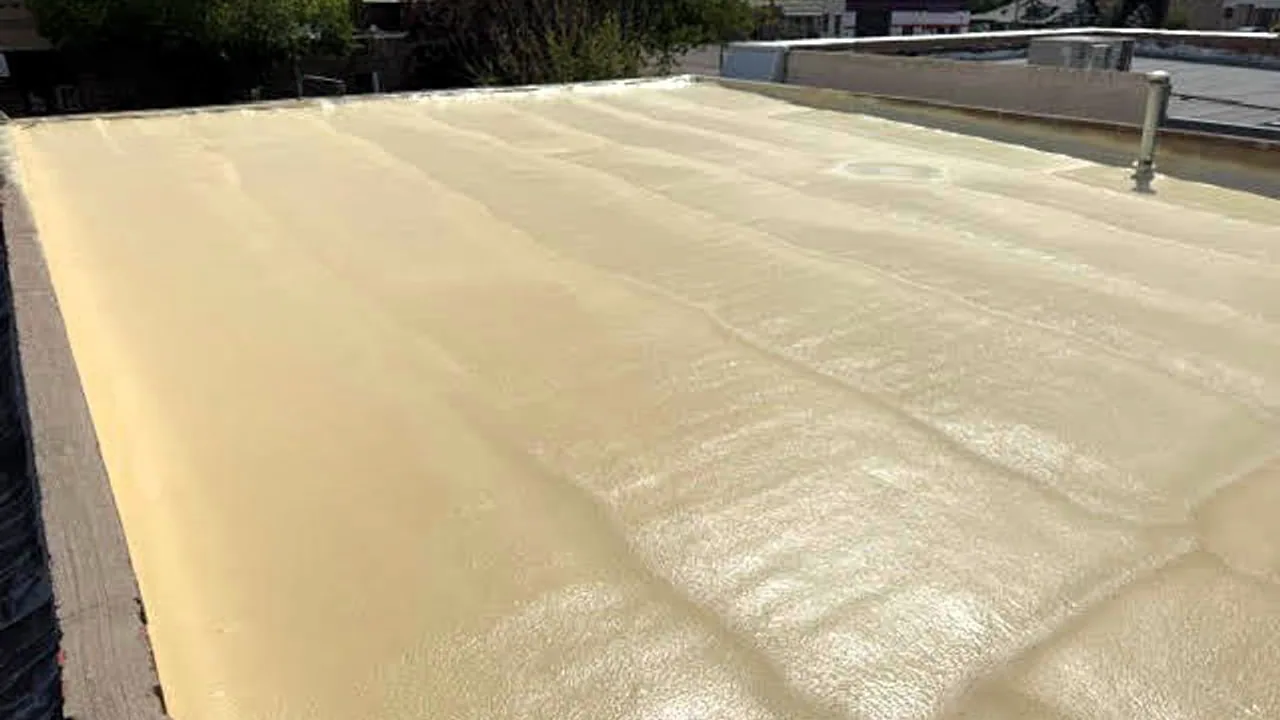
Spray foam roofing depends on a clean, dry substrate and a weather window that allows the foam and protective coating to bond. Tyler’s July normal high is 94.5°F, a seasonal signal for heat-sensitive scheduling rather than a roof temperature. We take a substrate reading, inspect the existing roof, and mark test areas before releasing the spray sequence. Delivery and access conditions at the Tyler Interstate Commerce Park differ from those along South Broadway Commercial Corridor, so the work zone and masking plan must be confirmed at the property.
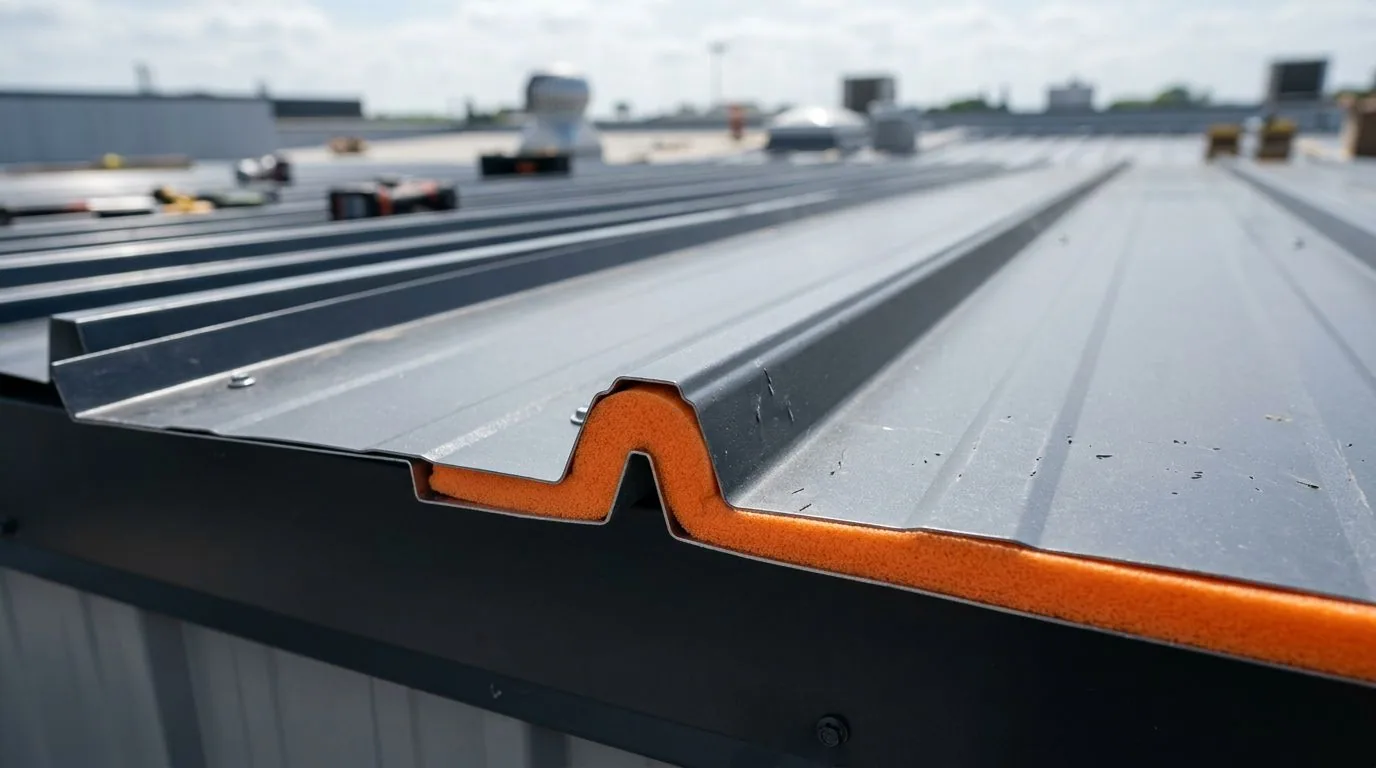
Spray polyurethane foam is applied as a liquid that expands into a continuous insulation layer, then receives a protective coating. The system can help form slope and reduce seams, but surface preparation, thickness, drainage, penetrations, and coating condition all matter. We inspect the substrate, estimate the required build-up, and define the test and acceptance points. A condition survey establishes what the existing surface can support, with a coating restoration review available when the assembly may be renewed without new foam.
Substrate and adhesion checks
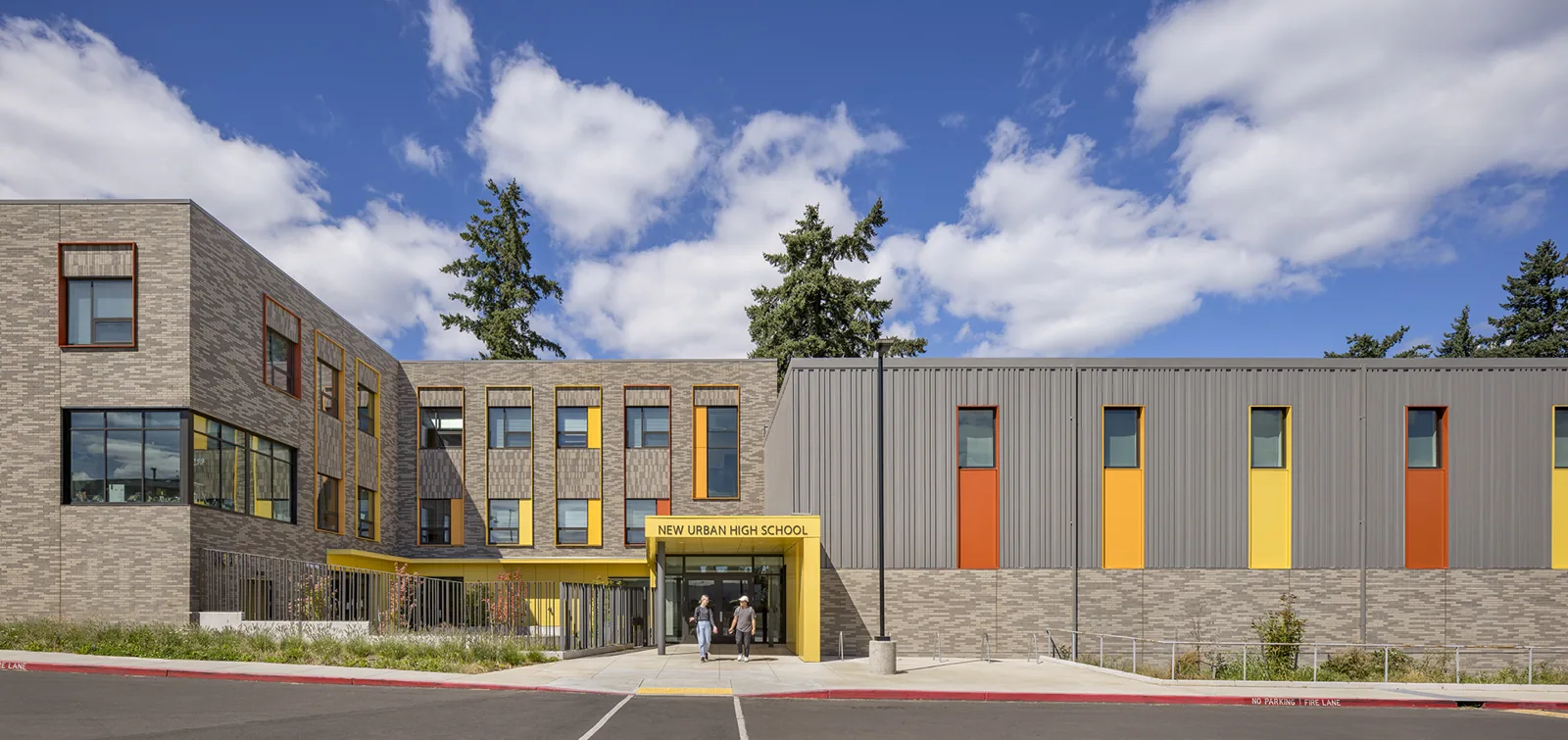
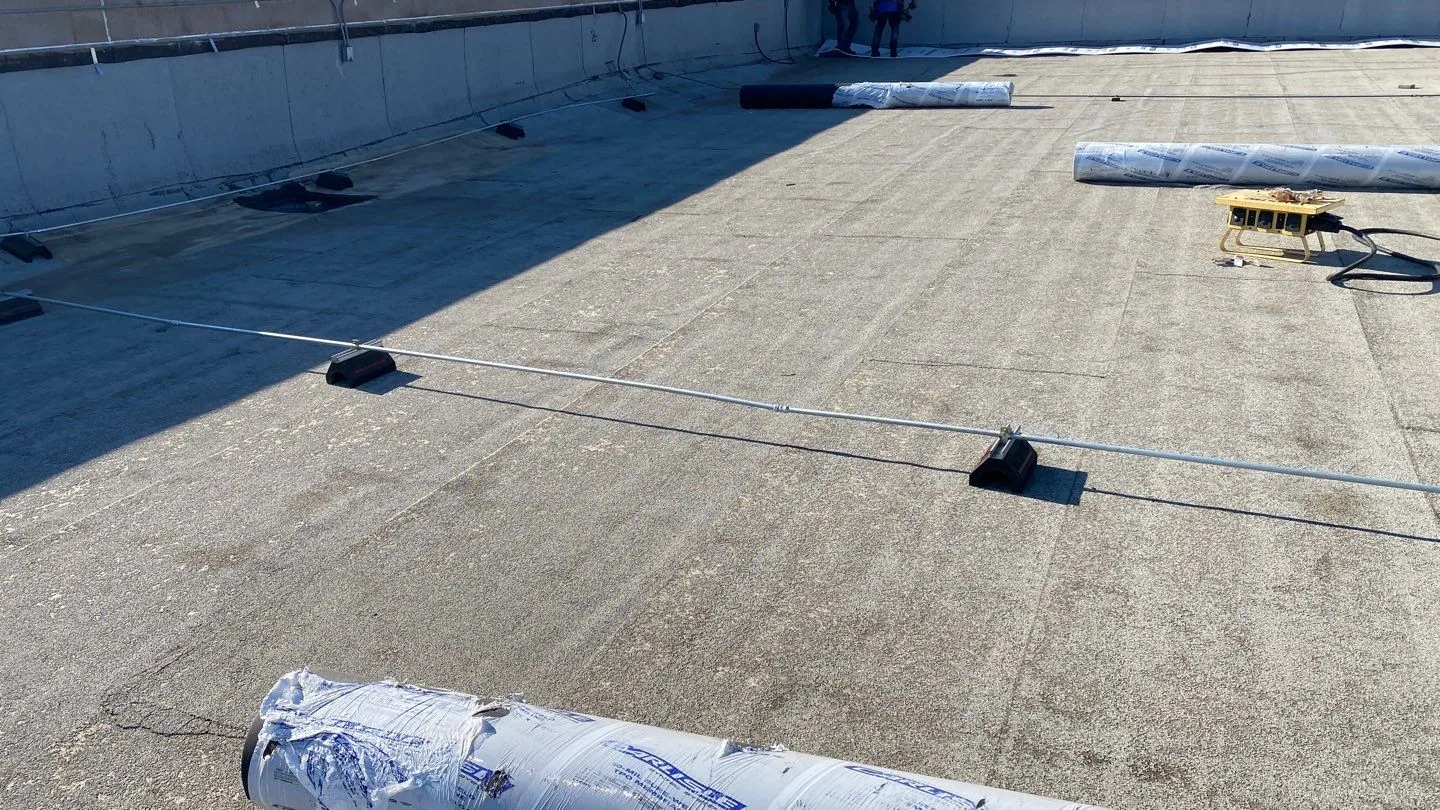
Foam does not correct a roof that is wet, unstable, contaminated, or moving beneath it. We identify the existing material, check for moisture, loose surfacing, oil, dust, and failed coating, then specify cleaning or removal before application. Test patches establish adhesion to the prepared surface under the project procedure. Where existing layers vary, a single patch cannot represent every zone, so the roof plan marks each substrate and the locations that need a separate test.
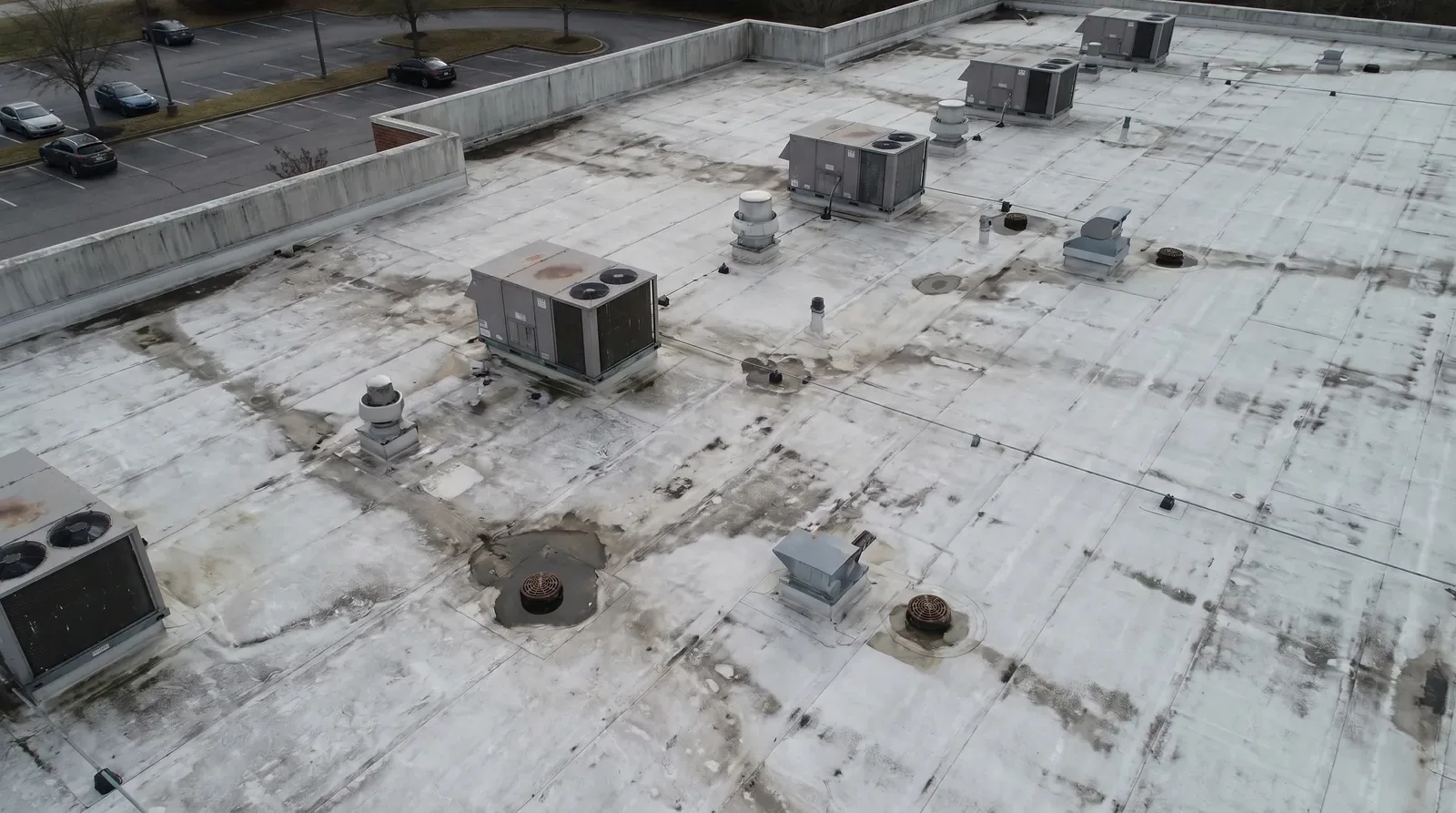
Near equipment curbs and exhaust outlets, grease or condensate may contaminate the surface and affect bond. We coordinate shutdown and protection with the facility contact, then verify that the prepared area is clean and dry before spray. If the test fails, the crew pauses and changes preparation or system design at the hold point. The work package records the test result, ambient and substrate conditions, and who authorizes production. That makes the next crew handoff clear when the preparation team and spray crew are separate.
Foam build-up and spray control
The foam crew controls proportioning, temperature, spray pattern, lift thickness, and movement across the roof. A pass that is too thick, poorly bonded, or uneven can create voids or insulation variation. We divide the roof into application zones and use test areas to confirm the specified thickness and adhesion. The plan identifies transitions at curbs, drains, parapets, and equipment bases before production, so crews know where a tapered field ends and a detail begins.
Tyler’s sustained summer warmth can narrow the application window for certain products. We check actual substrate and ambient readings against the selected system’s instructions and protect the foam from moisture during application and cure. If a temperature, wind, or moisture limit is reached, the foreman marks the exposed section and stops at an agreed boundary. The general contractor receives the weather delay, remaining work, and next test point instead of an informal promise to resume when conditions improve.
Slope, drains, and water paths
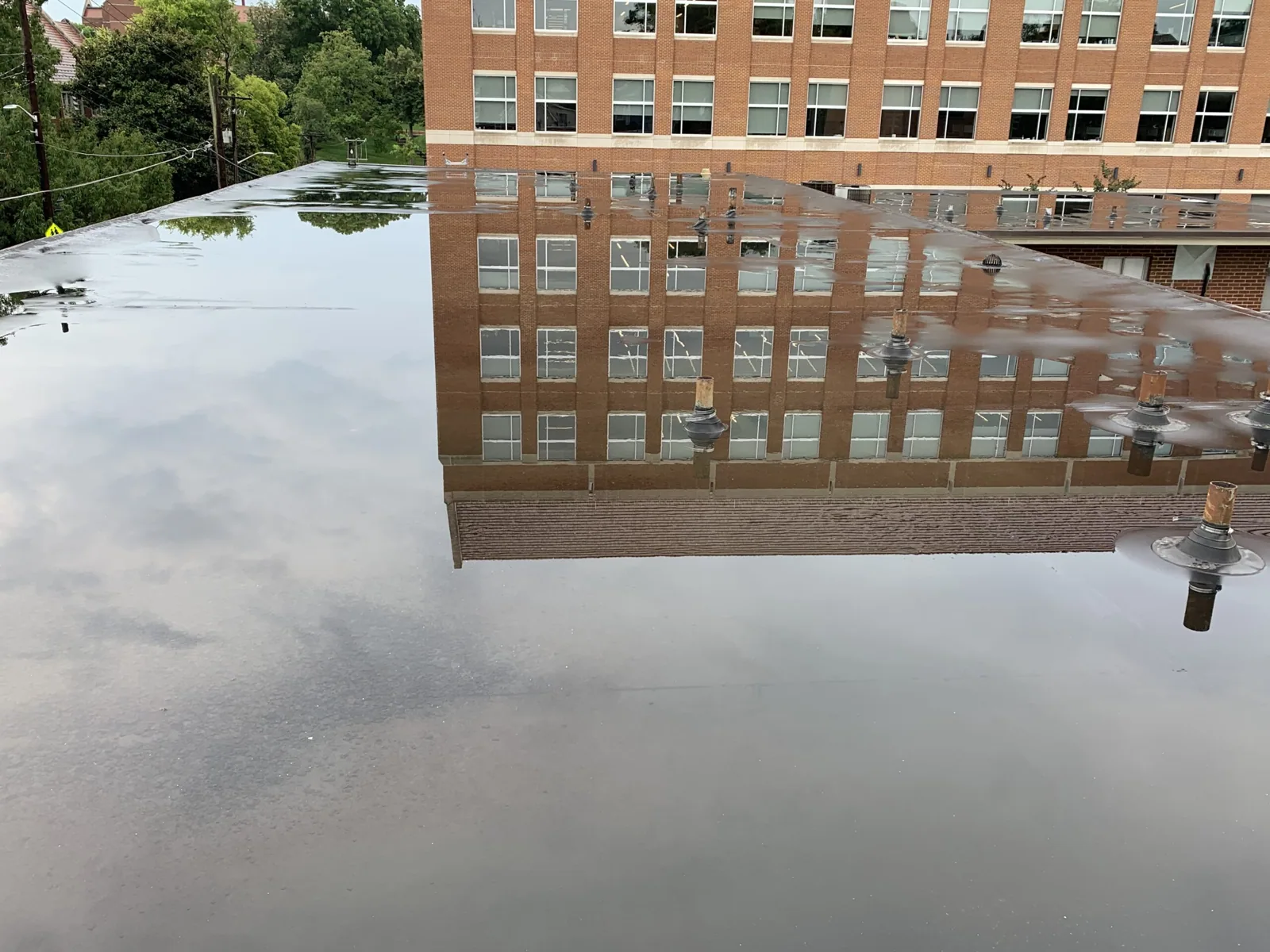
Foam can be shaped to improve drainage, but the design needs elevations and a verified outlet path. We map existing low points, drain bowls, scuppers, overflow provisions, and penetrations, then identify whether tapered application can correct the observed condition. If a drain is undersized, blocked, or improperly set, foam should not simply bury the issue. The owner receives a plan showing the finished elevations, drain tie-in, and any drainage work that remains separate.
Spring and autumn thunderstorms around Tyler can bring hail and damaging wind. Before the surface is coated, the foam remains vulnerable to damage and water exposure. We limit open work, establish temporary drainage, and assign who protects each area at the end of the shift. A drainage assessment or hail inspection can be sequenced before coating when the outlet or substrate needs repair first. The zone release states when the foam is ready for coating inspection.
Protective coating and fire details
The topcoat shields the foam from ultraviolet exposure and weather. The selected coating must be compatible with the foam and applied at the specified coverage and thickness, including reinforcement at seams, penetrations, and transitions. We record wet-film checks, cure conditions, repaired areas, and the recoat interval if another pass is required. A coating defect can allow exposure of the foam, so the application crew and inspector need a shared map of completed and open zones.
Tyler’s 2021 IBC and IECC code editions apply to building-plan applications starting January 1, 2024. SPF submittals also need the assembly’s fire classification, ignition-source controls, and air-intake protection resolved for the specific building. We carry those details into site controls before spraying or coating begins. A silicone coating or acrylic finish may be compared only when the substrate and exposure fit the product system.
Access, masking, and daily closeout
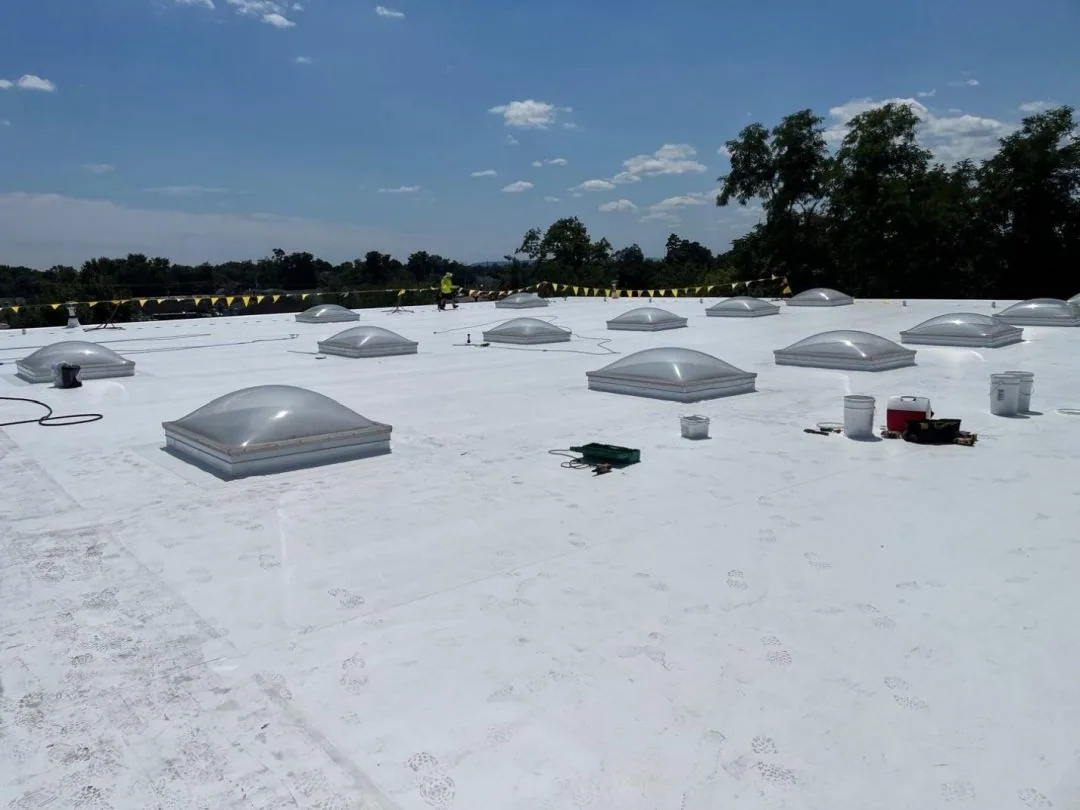
Overspray control matters near vehicles, mechanical equipment, skylights, pedestrian paths, and open-air intakes. We document the masking boundary, wind limits, staging, and access release before spray starts. We agree on occupied routes and who can stop work. Noisy preparation or odors may require a separate window from application, so the schedule shows those tasks rather than merging them into one mobilization block.
After each shift, the field lead confirms which foam is covered, which area still needs a coating, whether drains remain open, and what temporary protection is secured. A weather delay may change the next crew assignment, but the closeout remains tied to the exposed section and its cure state. Tyler North End Area planning includes commercial development alongside infrastructure, while individual site access still depends on the owner’s layout and operations. We identify the property’s delivery route and the next person who releases roof access.
Acceptance record and future inspections
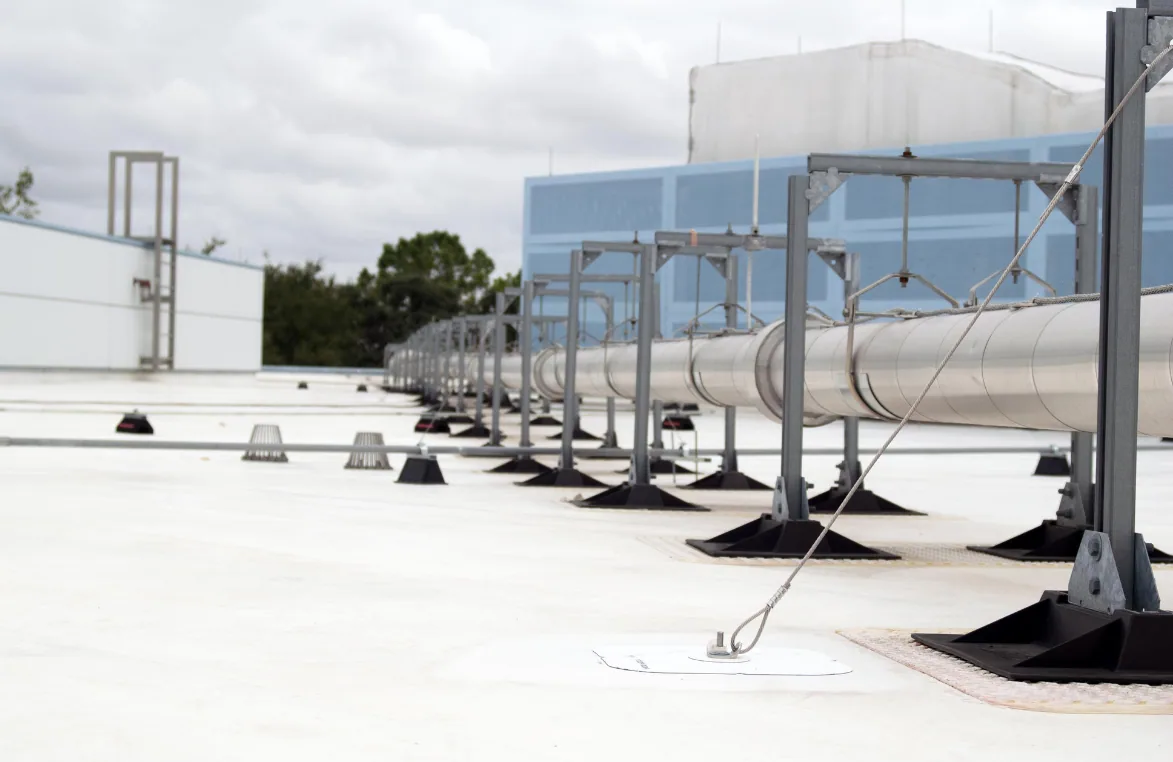
Closeout includes substrate tests, foam thickness checks, coating readings, drain elevations, detail photographs, and the final zone map. We note areas outside the scope and any condition that needs monitoring or follow-up. Product and installation information are matched to the approved submittal, so future service can identify the foam and coating system before testing or repair. The report names the party responsible for the next inspection point and any open warranty documentation from the actual project.
Budget and schedule vary with substrate removal, foam depth, slope correction, perimeter details, coating coverage, protection, and access. We show those drivers and any test-dependent allowance before the owner releases the work. A condition report preserves baseline findings, and a Tyler inspection plan can coordinate follow-up with maintenance windows. The completed-zone record guides the next work package.
Commercial Roofing Questions
Can spray foam be applied over my existing roof?
We first identify the existing material and verify moisture, stability, cleanliness, and adhesion with the proposed system. The prepared substrate needs to pass the agreed test. Wet or loose layers may need removal, and incompatible coatings or contaminants require a different preparation plan before foam is considered.
How is the foam thickness checked?
The crew measures designated points across each roof zone and compares the build-up with the approved design. We record the locations and results, then correct low or uneven areas before the protective coating covers them. Transitions and drains receive separate checks because they control the finished water path.
What happens if rain threatens before the foam is coated?
We limit the open area, protect the foam, and confirm that temporary drainage remains clear before leaving the roof. The next step depends on the foam condition and the system instructions for moisture and coating readiness. The closeout identifies the exposed zone and who releases it after inspection.
Does spray foam work in Tyler’s summer heat?
The schedule follows measured substrate and ambient conditions, wind, moisture, and product requirements. Tyler’s July normal informs seasonal planning but does not replace a jobsite reading. We assign work only within the system’s application limits and record the hold point if a condition closes the window.
What should the spray foam closeout include?
The record should show substrate tests, foam thickness, coating checks, drainage, detail photos, and zones accepted or left open. We also include the approved product information and next inspection item. The owner receives any remaining test or maintenance decision with a named follow-up.
Related Pages
Commercial Roof Inspection
Tyler, TX
Commercial Roof Coating Restoration
Tyler, TX
Commercial Roof Drains and Scuppers
Tyler, TX
Commercial Hail Damage Roof Repair
Tyler, TX
Release the spray foam sequence
Provide the roof plan, existing assembly records, access and masking limits, known leaks, and decision deadline. We will return a spray foam work package with adhesion tests, application conditions, drainage elevations, and exposed-section closeout points.