
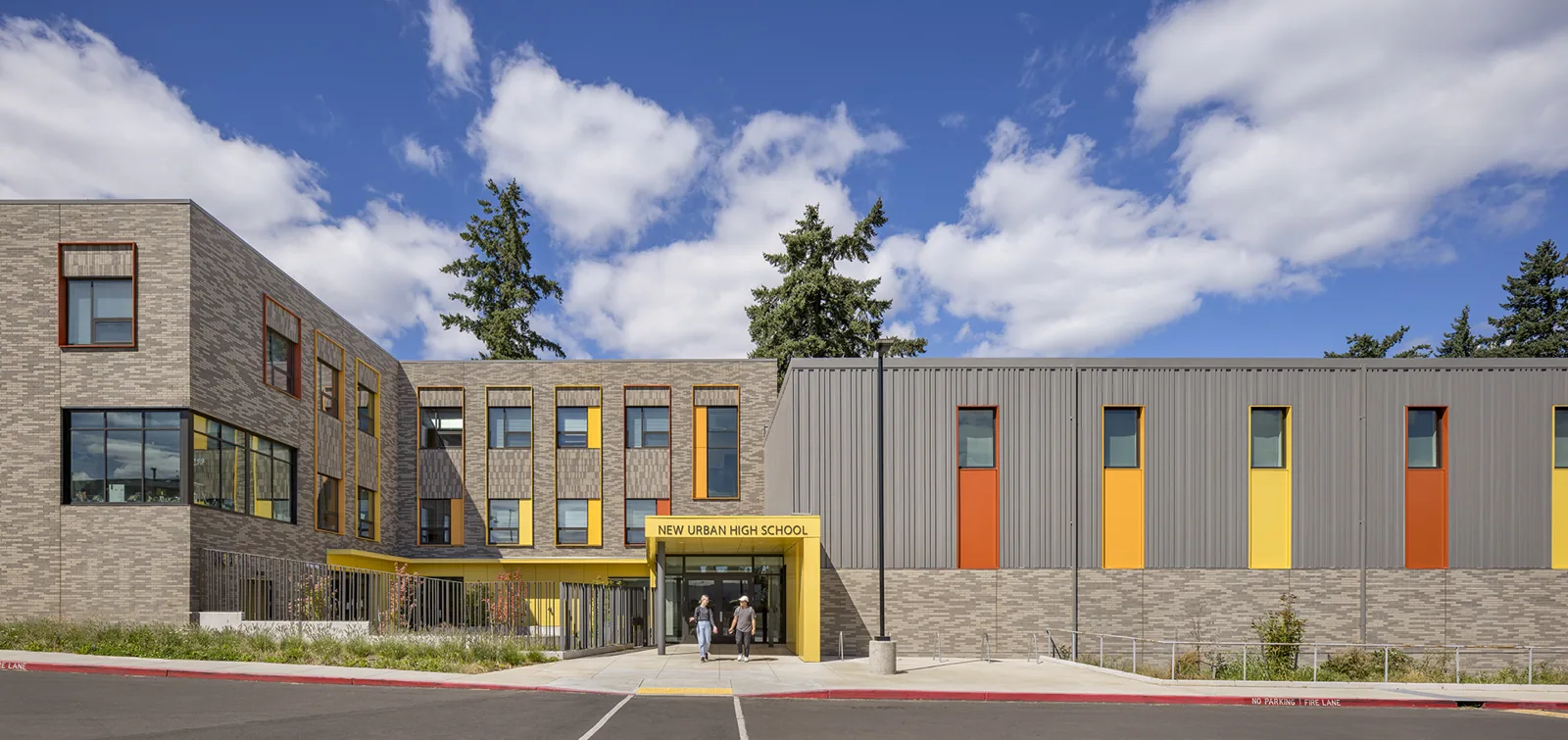
Kitchen exhaust and summer heat in Tyler, TX create a demanding work zone above a restaurant. Tyler's July normal high is 94.5°F, but the surface reading at a particular roof controls adhesion-sensitive preparation and flashing. Before releasing work, we mark roof access, exhaust curbs, service lines, and the area below that must stay protected. Downtown Tyler Business District and the South Broadway Commercial Corridor include different building and traffic settings; each site's service hours and loading constraints determine how the crew reaches and closes its roof zone.
A restaurant leak can begin at a curb, pipe penetration, seam, or drain and travel before it reaches the dining room. We inspect the assembly, follow the water path, and note grease or exhaust residue that may affect adjacent roofing materials. The roof survey records visible conditions and selected test points. A Tyler work plan then ties roof-zone access, kitchen service windows, and temporary closeout to the building's operating schedule.
Kitchen exhaust and flashing interfaces
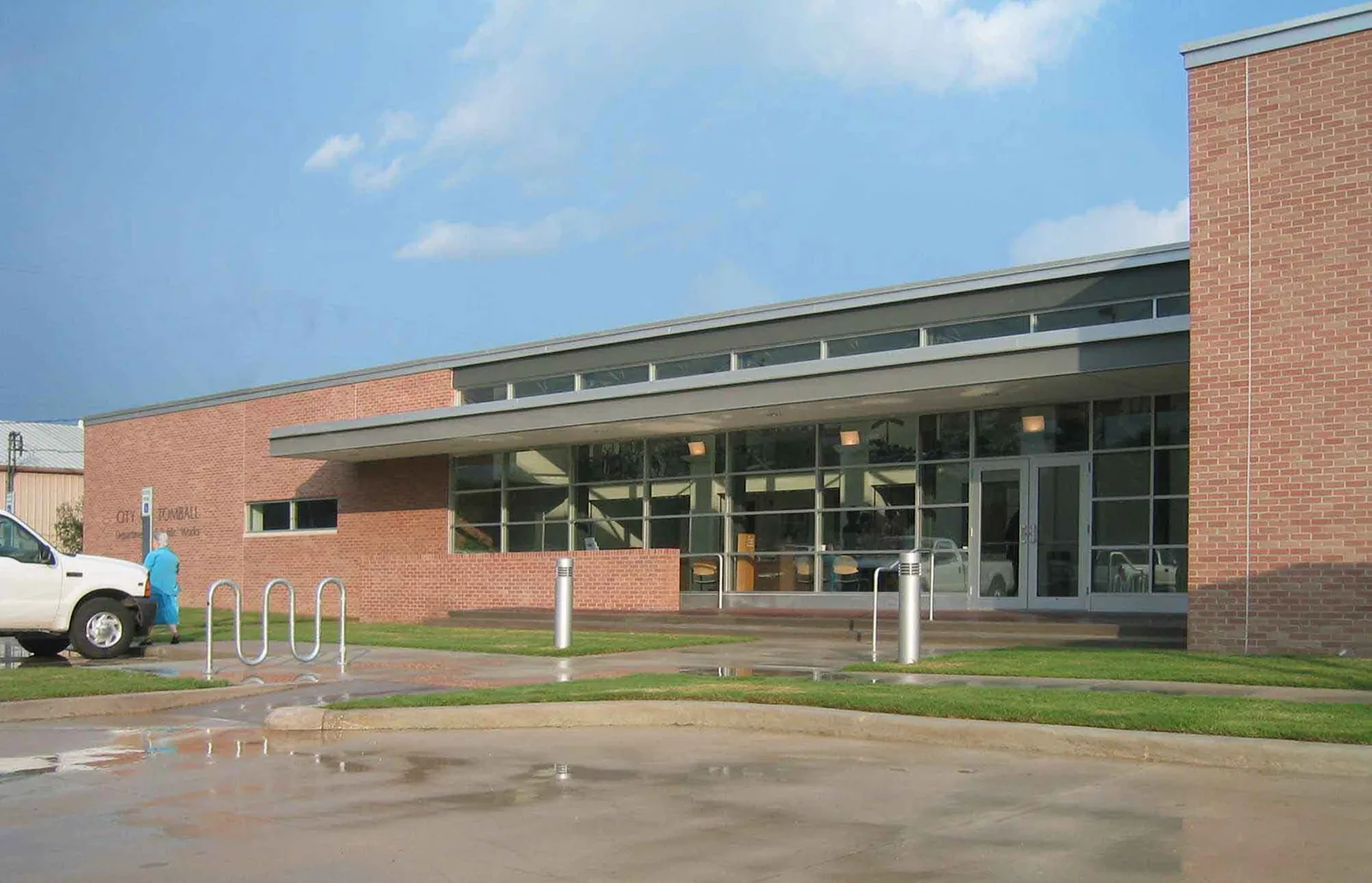
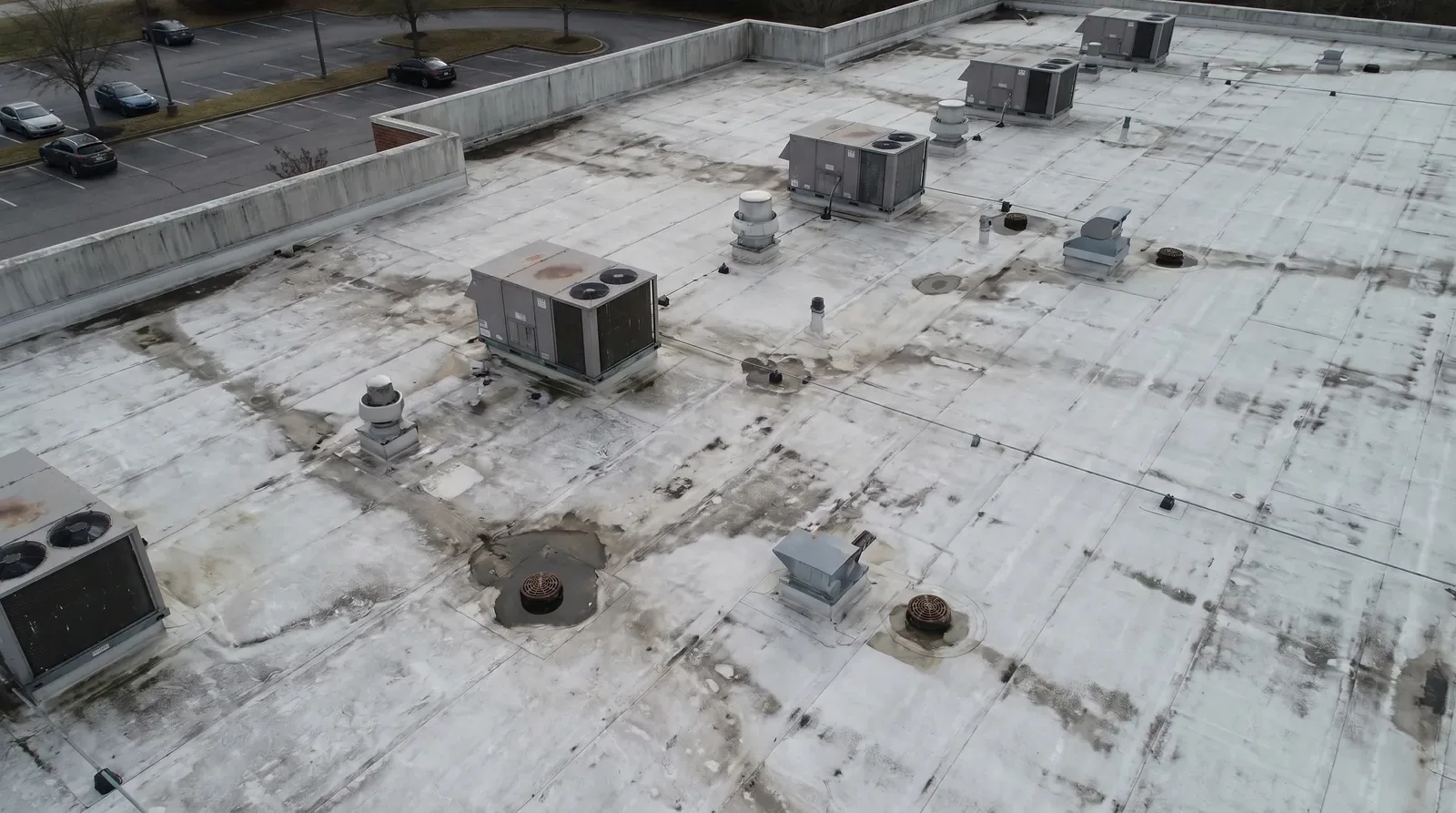
Exhaust curbs, grease ducts, plumbing vents, refrigeration lines, and electrical supports interrupt the roof field. Each opening needs flashing compatible with the membrane or metal system, plus a drainage detail that does not trap residue or water. We inspect corners, pitch pans, pipe boots, and nearby seams for separation, shrinkage, or movement. If a hood contractor or mechanical trade must disconnect equipment, the roof package identifies the boundary and the required handoff before work begins.
Grease residue can collect near exhaust discharge and complicate adhesion or coating preparation. We document affected surfaces and specify cleaning or replacement steps only where the roof system and product requirements allow. Rooftop walk paths should remain clear for maintenance technicians. A curb and equipment detail may need repair independently of the membrane field, so the estimate should identify each interface instead of grouping it as a general roof patch.
Dining hours and overhead protection
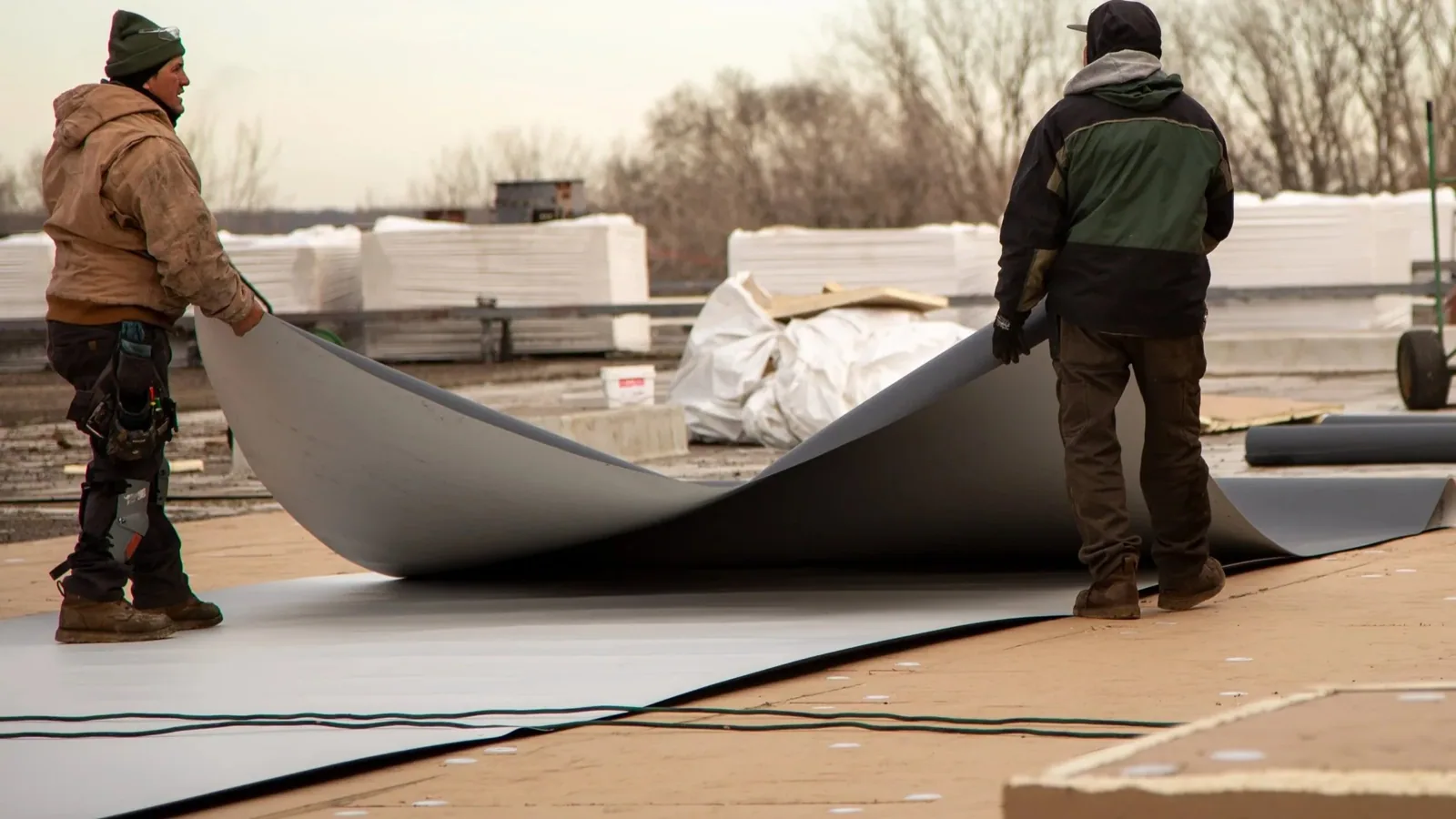
Restaurant schedules can leave only limited access around deliveries, prep, service, and closing work. The manager identifies busy periods, customer entrances, loading areas, roof hatch access, and any room needing extra protection. We place staging and lifts away from dining circulation where possible, then schedule noisy or overhead work for the approved period. The crew's daily release names the area below, the active roof zone, and the check required before staff reopen a nearby space.
For an occupied building, the schedule also includes weather coverage and a closeout route if a shift ends early. We limit tear-off to what can be secured that day and record any unfinished test or flashing work for the next crew. A restaurant that shares walls or a roof deck with other tenants may require additional access coordination. We confirm who can authorize each area and who receives the final handoff before materials arrive.
Drain paths and interior leak tracing
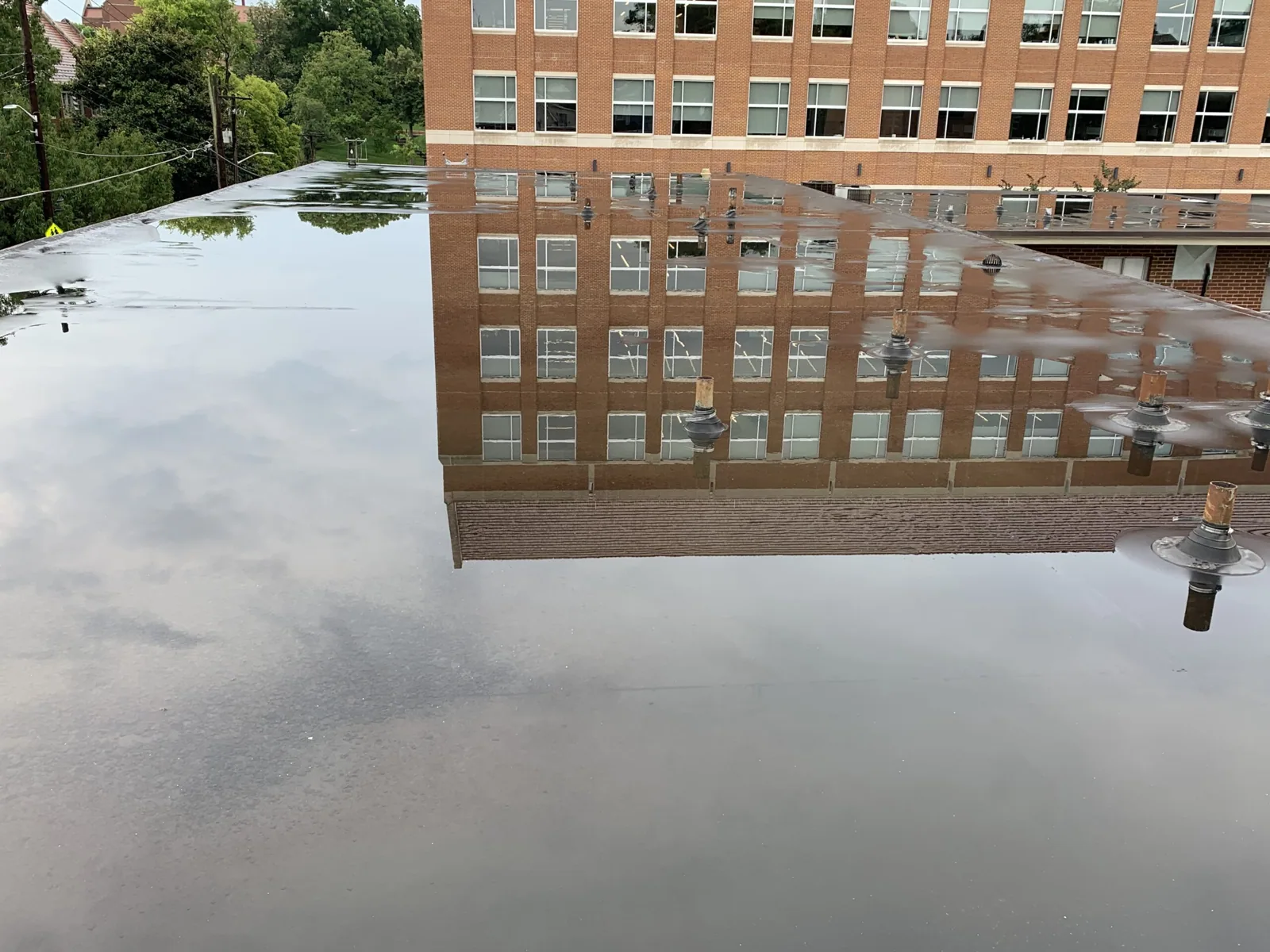
Roof drains and scuppers need a clear path through the areas around exhaust curbs and service platforms. We check for ponding, debris, grease contamination, loose strainers, and damaged drain flashings, then mark where water discharges. A leak over a kitchen or dining room can originate farther upslope. The survey compares the interior report with seams, penetrations, and low areas; infrared review or test cuts may help confirm moisture inside the assembly.
The condition report separates temporary protection from permanent work and lists any open test point. If moisture affects insulation above food preparation or electrical spaces, the owner may need interior safeguards while the roof scope is developed. We document the extent that field evidence supports and leave unverified areas identified as such. A drainage repair package can address blocked or failed components alongside a membrane repair when both conditions are present.
Compatible repair and restoration options
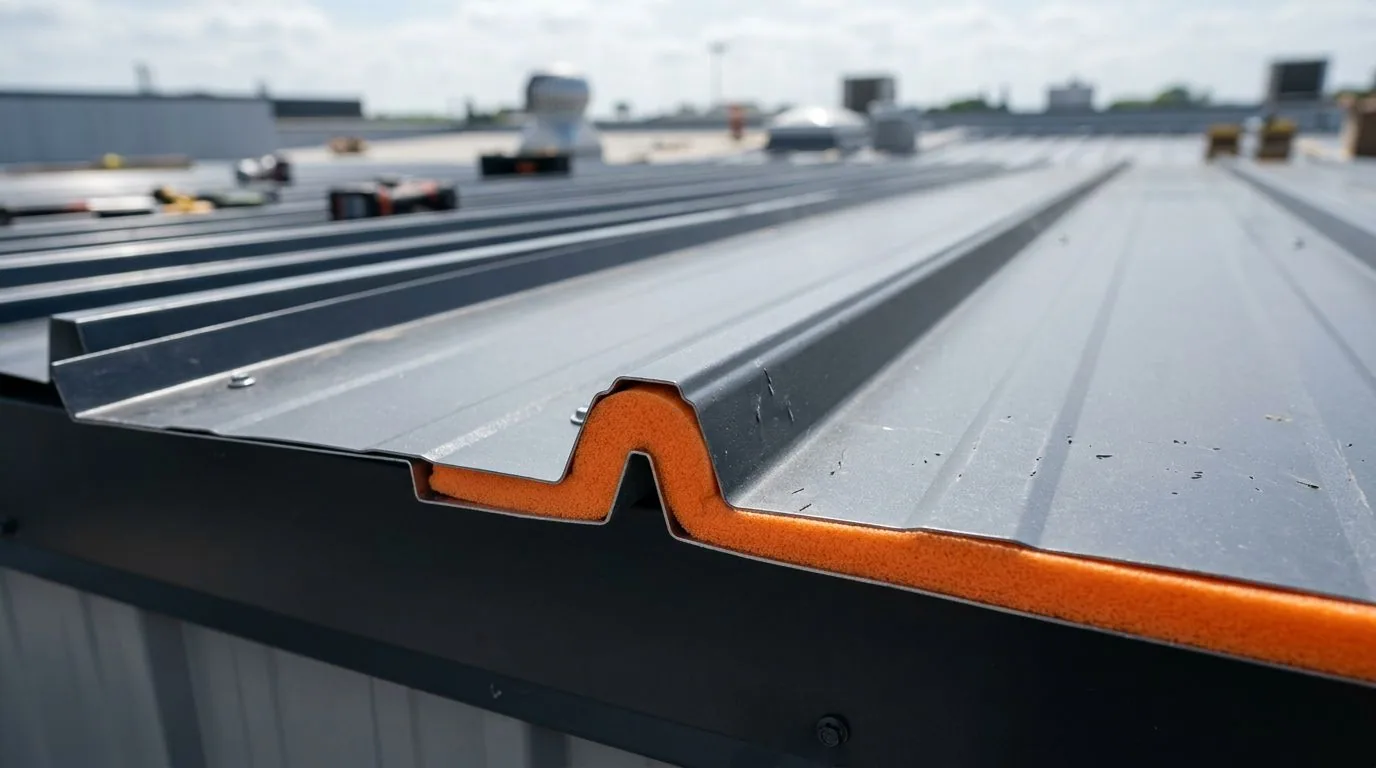
We identify whether the roof uses TPO, PVC, EPDM, modified bitumen, built-up roofing, or metal before specifying a patch or flashing. Surface preparation, compatible materials, seam condition, and detail geometry govern whether a local repair will hold. For a sound existing assembly, a focused repair may address isolated damage. Where moisture, repeated failure, or deck condition extends across several zones, replacement or a tested restoration system may be more suitable.
A coating is not a shortcut around preparation. The existing surface must pass moisture, adhesion, drainage, and detail checks before the system is proposed. Tyler's heat conditions make substrate temperature and product limits relevant to application timing. A coating scope identifies surface preparation, reinforcement at details, and cure-related access restrictions. If those conditions are not met, the work package should state what repair, removal, or testing is needed first.
Heat window and storm closeout
Actual roof temperature can differ from the air temperature and from Tyler's 94.5°F July normal. We check the substrate and follow product instructions for bonding, flashing, and coating steps. If the surface is outside the required range, the crew protects the zone and moves to another task or a later window. The schedule records that delay and the next release condition so kitchen access and interior protection stay aligned with the roof work.
Hail and damaging wind can follow the spring and autumn storms of this region. A post-event check looks for membrane punctures, lifted seams, edge movement, damaged flashings, loose rooftop items, and blocked drains. Tyler has recorded tornadoes, but the report describes only damage actually found at the restaurant. A storm repair scope lists temporary coverage, testing, permanent repairs, and claim documentation as separate work items.
Repair records and the next shift
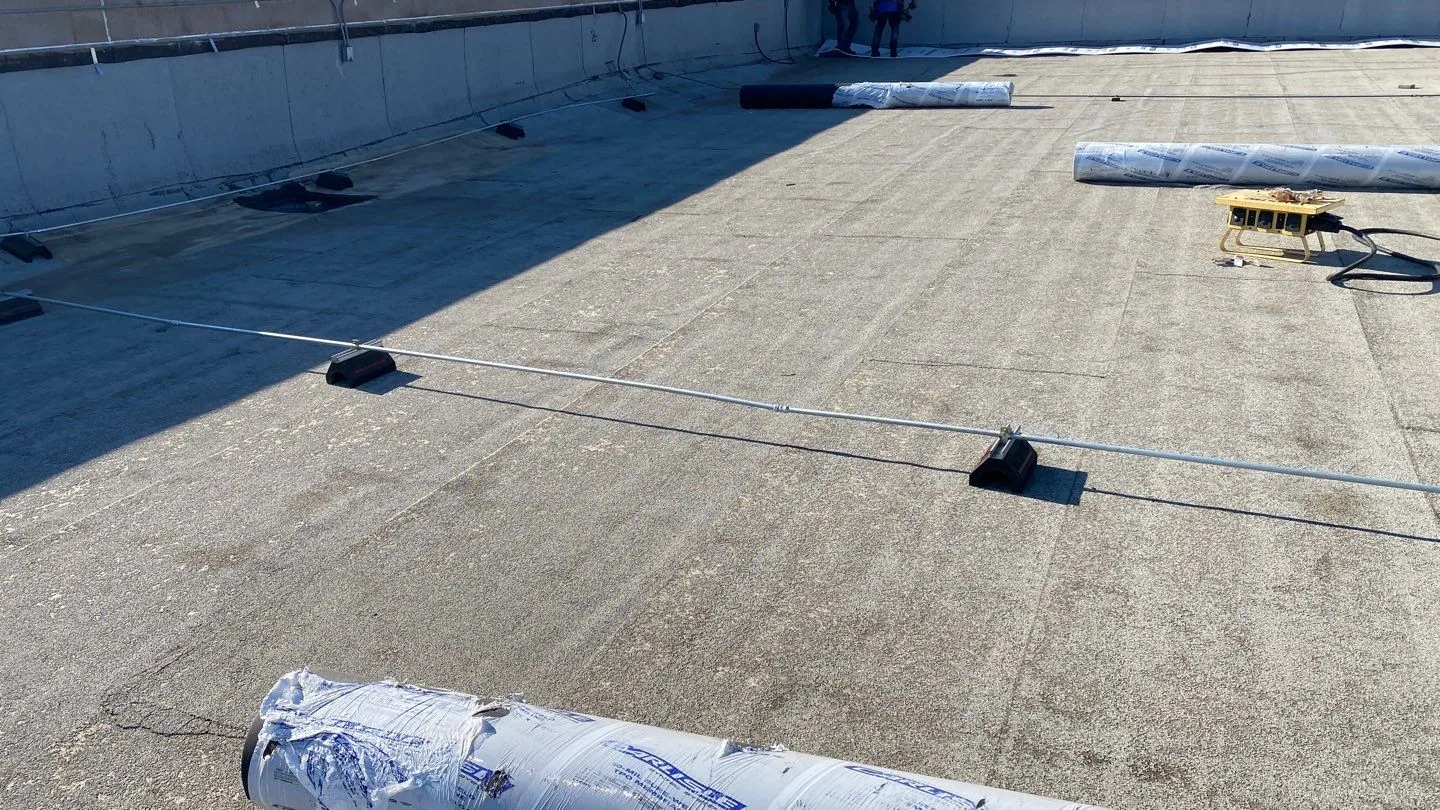
Each crew handoff includes the roof zone completed, test results, any exposed-section closeout, and conditions that remain on hold. The restaurant contact needs a clear status for overhead work, entry access, and equipment coordination before the next service period. Photos and marked locations help distinguish a completed repair from a temporary measure. We keep the daily record specific enough for another shift to continue without reopening an area that has already passed its check.
Final turnover includes repair notes, photographs, product information, maintenance recommendations, and unresolved conditions. A grocery building may have overlapping equipment concerns, while a hotel roof adds guest and room scheduling; each building still needs its own roof map. Give us roof plans, exhaust and equipment records, leak locations, operating hours, and the decision date. We will return the work package with access releases and hold points marked.
Commercial Roofing Questions
Can roof repairs happen before or after dining hours?
We can plan work around service windows when roof access, noise limits, crew hours, and safe daily closeout allow. The property contact identifies delivery and preparation periods that cannot be blocked. We then divide the repair into work zones and confirm which areas can be reopened after the crew's final check.
How do you handle grease near a roof penetration?
We inspect the curb, flashing, nearby membrane, and surface condition, then determine whether contamination affects preparation or adhesion. Cleaning or material replacement follows the roof system and product requirements. The report records the affected area and any coordination needed with the kitchen exhaust contractor.
What information helps trace a restaurant ceiling leak?
Share the room location, time the leak appeared, weather conditions, and any recent equipment or exhaust work. We compare that report with the roof above, including drains, curbs, seams, and nearby transitions. If hidden moisture remains uncertain, we identify a test point before expanding the repair boundary.
Can a coating be applied over a restaurant roof with exhaust residue?
The surface must be suitable for the proposed system and prepared to its requirements. We check adhesion, moisture, drainage, detail condition, and residue before recommending coating. If the substrate or flashing needs repair first, that work is included as a prerequisite rather than covered over.
How is an open roof section protected if weather changes?
The work plan limits daily exposure to the area that can be closed within the shift. The crew secures temporary details, keeps drainage paths available, and records the final check. If a weather delay interrupts work, the property contact receives the zone status and conditions for the next release.
Related Pages
Commercial Roof Inspection
Tyler, TX
Tyler
Tyler, TX

Rooftop Equipment Curbs and Supports
Tyler, TX
Commercial Roof Drains and Scuppers
Tyler, TX
Coordinate the restaurant roof work package
Send roof and equipment plans, leak locations, operating hours, and access rules. We will sequence each roof zone, trade interface, weather-sensitive task, and handoff.