
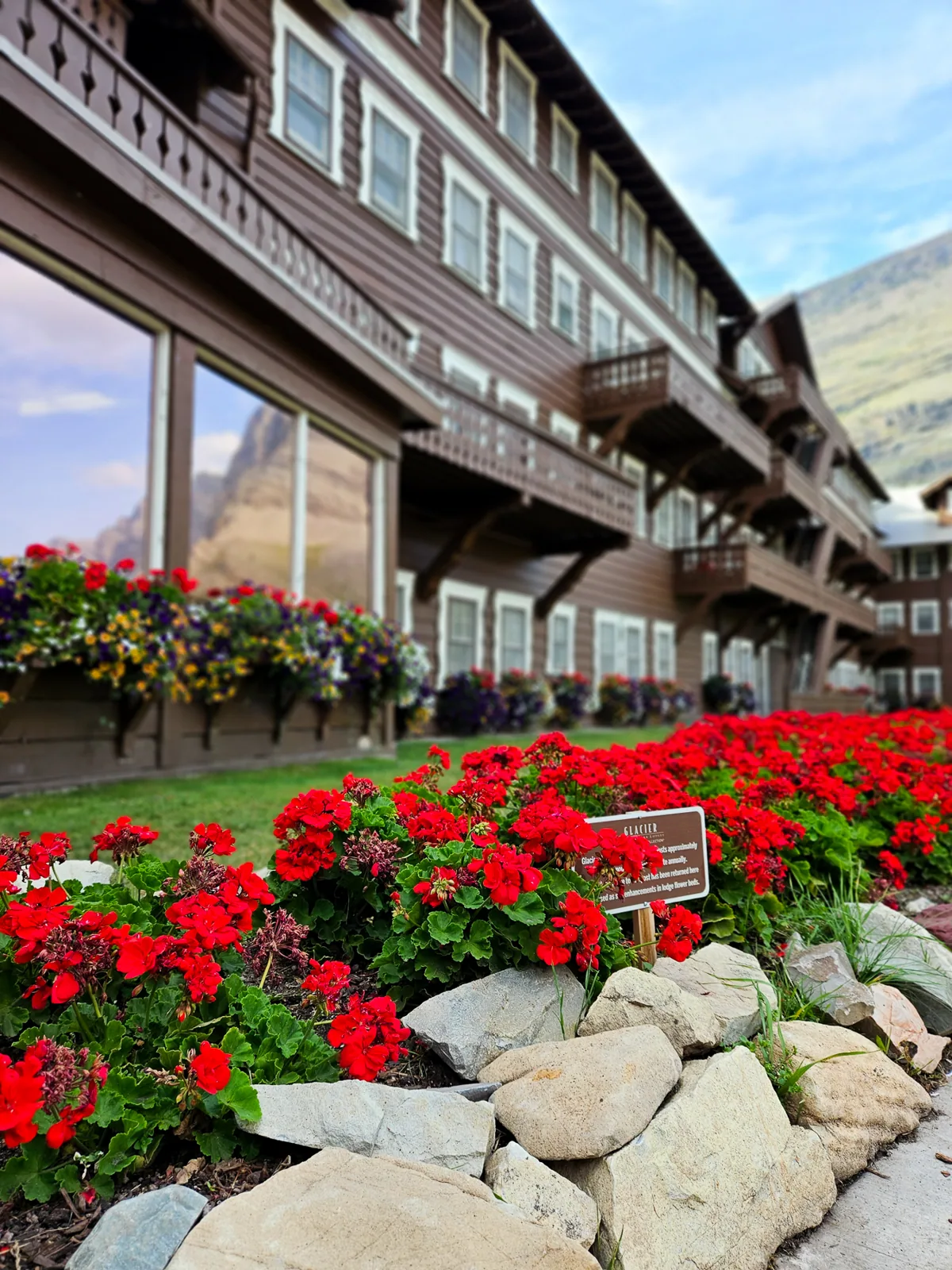
A storm-related roof opening above rooms in a Tyler, TX hotel requires a controlled sequence: protect the interior, locate the roof-zone defect, and set the next access release before permanent repair begins. The June 8, 2021 Tyler tornado record gives local storm history a specific date; seasonal thunderstorms can also bring hail and damaging gusts. The Downtown Tyler Business District and Lindale Business Park are distinct commercial settings in the service area; hotel work in either place depends on the building's room use, deliveries, event schedule, and roof access. We record those constraints with the first inspection findings.
Hotels combine guest rooms, kitchens, meeting areas, mechanical spaces, and public circulation beneath roof sections that may differ by addition or renovation. A water mark does not define the entry point. We inspect seams, drains, curbs, penetrations, parapets, and equipment screens, then compare conditions with plans and repair history. A roof survey sets the boundary for repair, recover, or replacement. The Tyler work sequence connects roof-zone access with room protection and operating hours.
Guest circulation and room protection
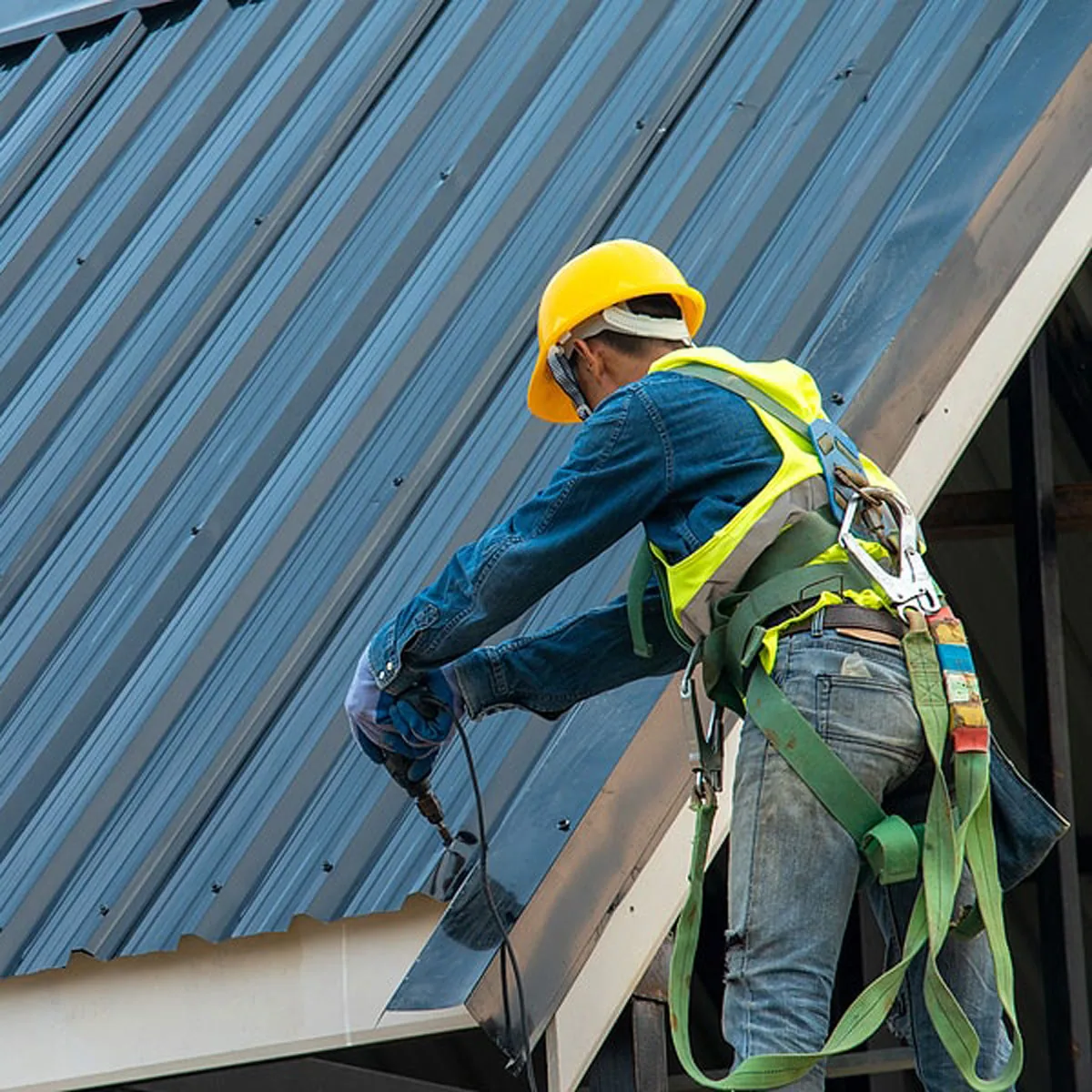
Hotel operations continue around the clock, even when a wing or floor has lower occupancy. The property contact identifies room blocks, guest routes, event periods, delivery access, quiet hours, and mechanical spaces that need uninterrupted service. We map the roof zone above each sensitive area and agree on noise, debris control, and interior protection before staging. Where a lift or material route crosses guest circulation, the access release needs clear timing and an alternate path.
A phased sequence can limit disruption by separating roof zones and scheduling higher-noise work in approved periods. It still requires a daily check of the exposed section and an agreed response if weather changes. The crew handoff lists completed tasks, temporary protection, open test points, and who releases the next area. This detail matters when housekeeping, room turnover, events, or deliveries change the operating plan during a roofing shift.
Roof assembly and leak-path review
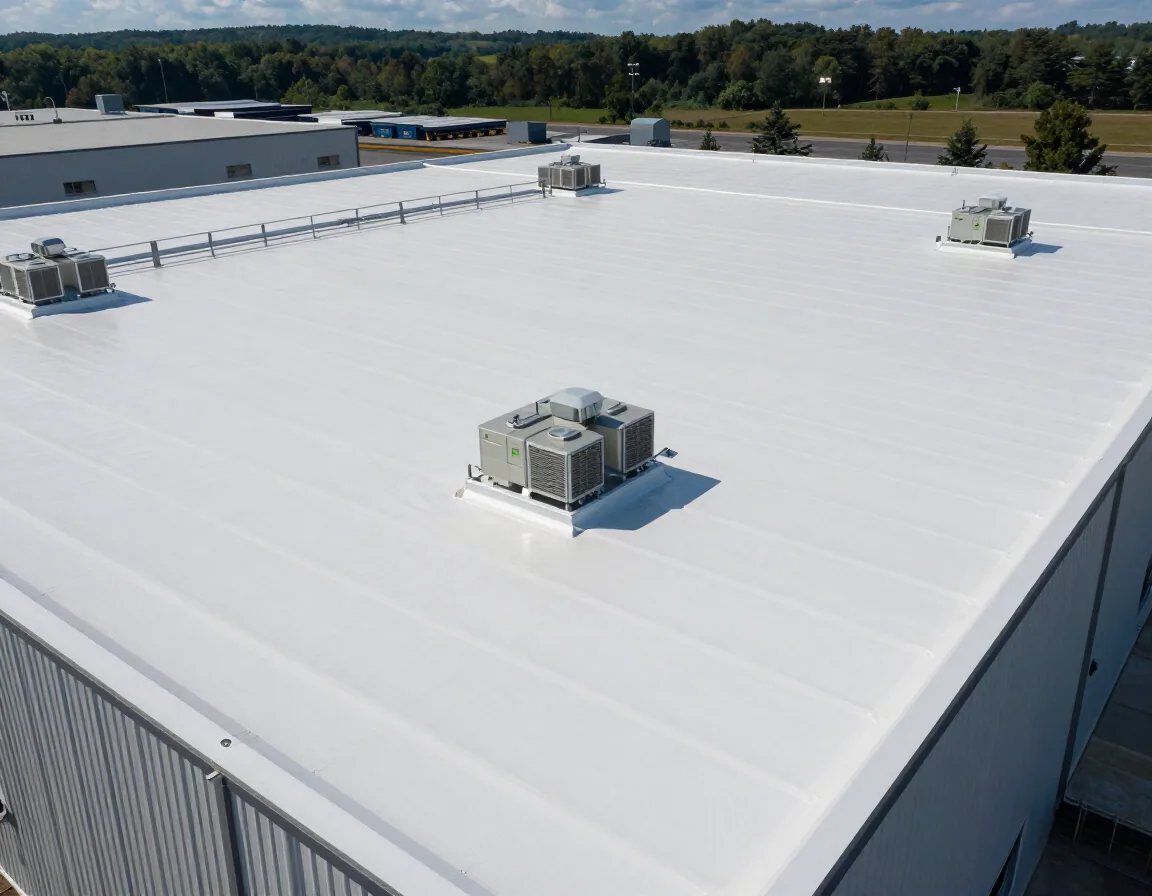
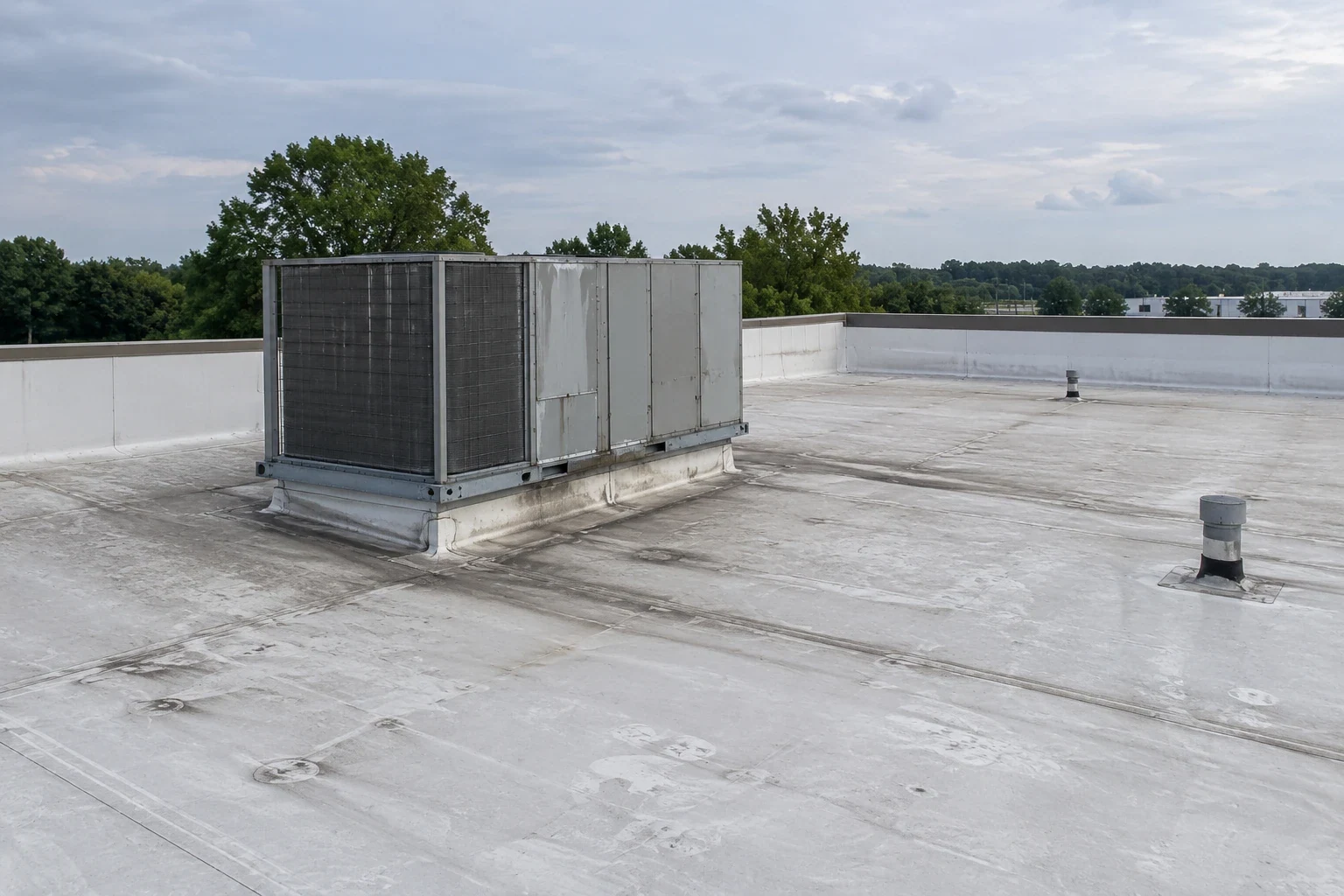
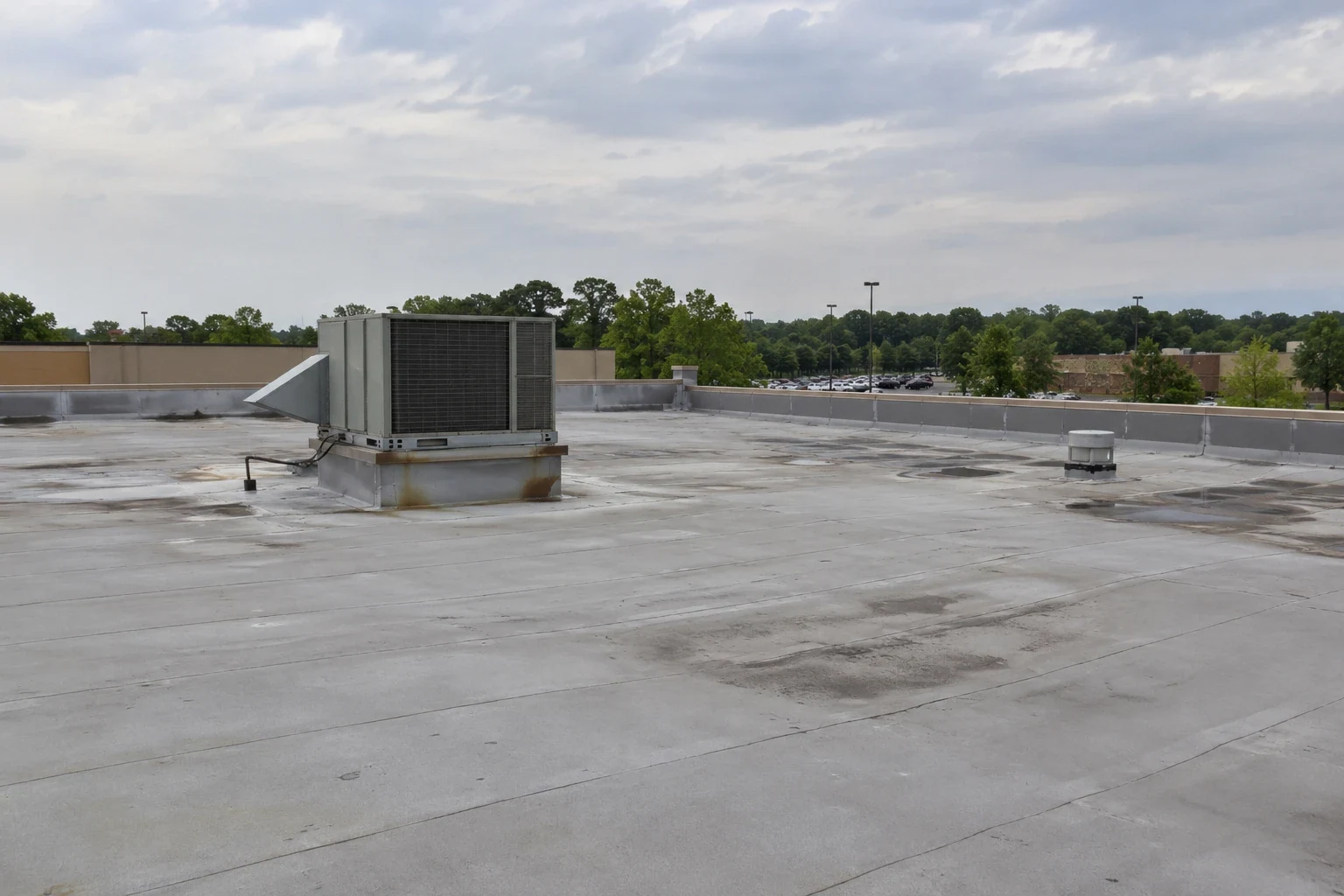
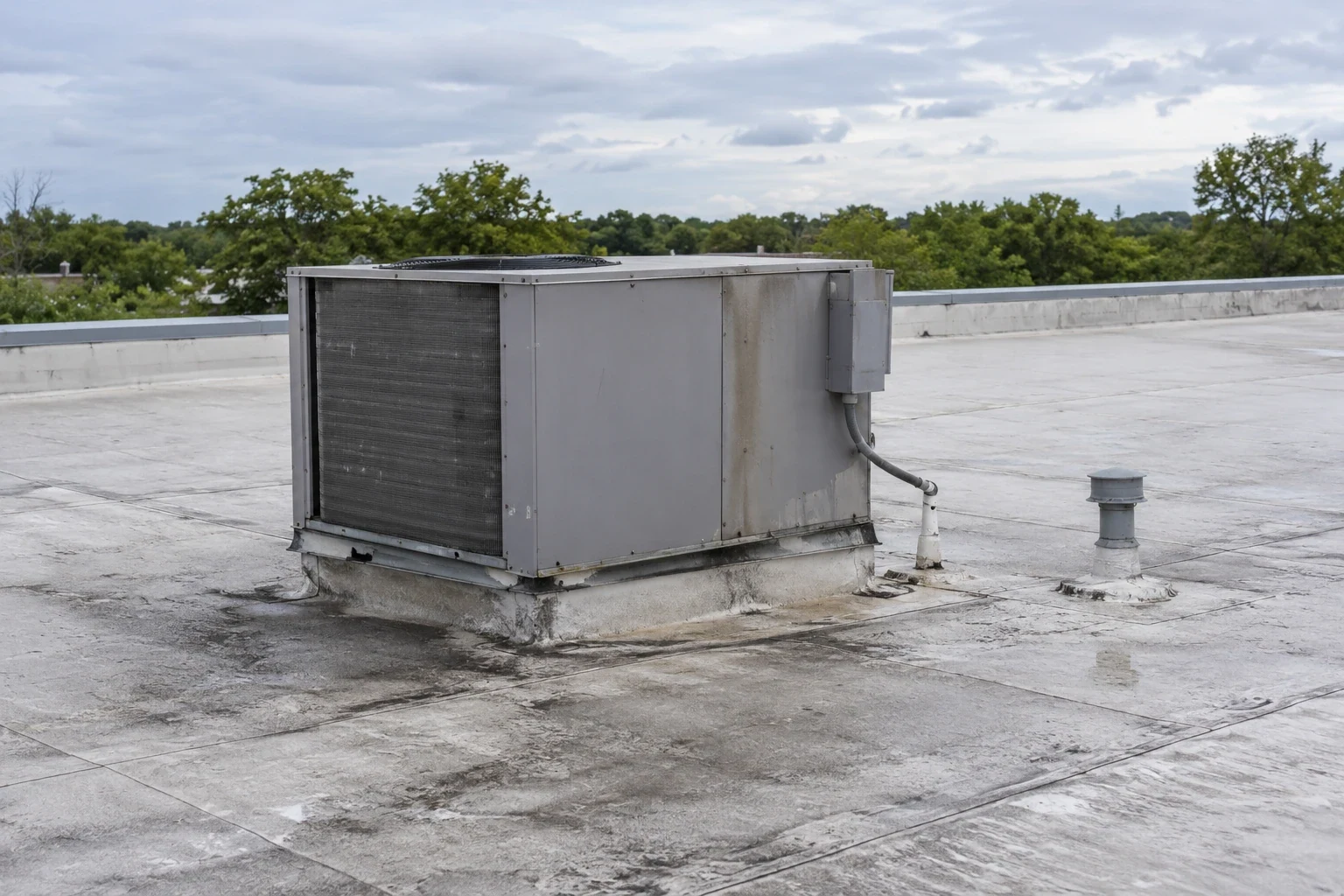
We identify the system in each area, including membrane fields, modified bitumen, built-up sections, metal transitions, and later additions. The inspection follows water paths around skylights, parapets, drains, mechanical curbs, and wall connections. We record visible seam separation, punctures, failed flashing, ponding, and interior reports by location. Infrared review can show moisture patterns, while selected test cuts help confirm insulation and deck condition when the roof assembly remains uncertain.
The written report distinguishes observations from open questions. It notes accessible areas, completed tests, and conditions that could change repair quantity or system selection. A condition record gives ownership a basis to compare immediate leaks with longer-term capital needs. If moisture is isolated, repairs may remain local; if it extends through multiple guest-room zones or affects deck integrity, the scope should include removal, protection, and schedule changes.
Drainage across additions and roof levels
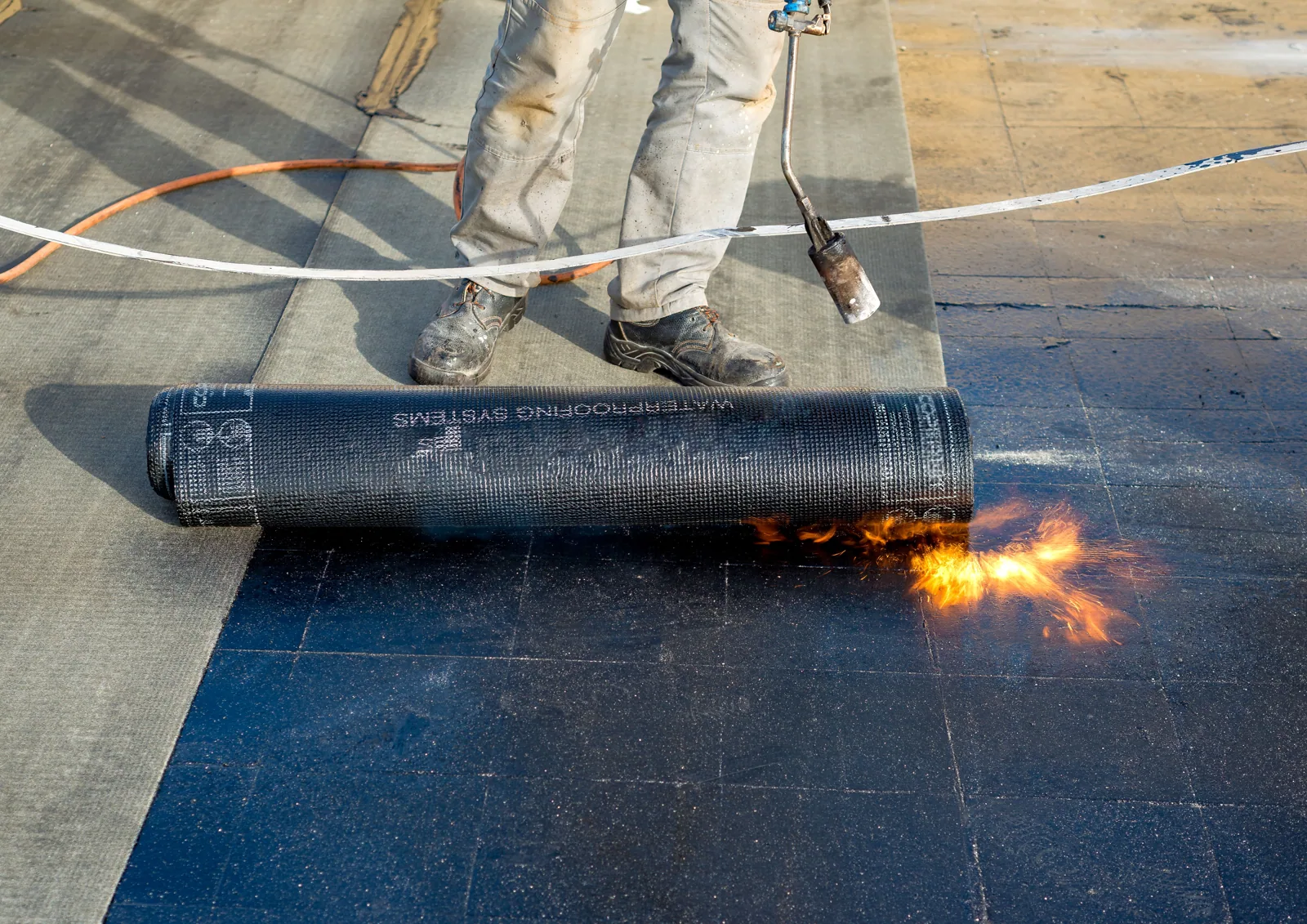
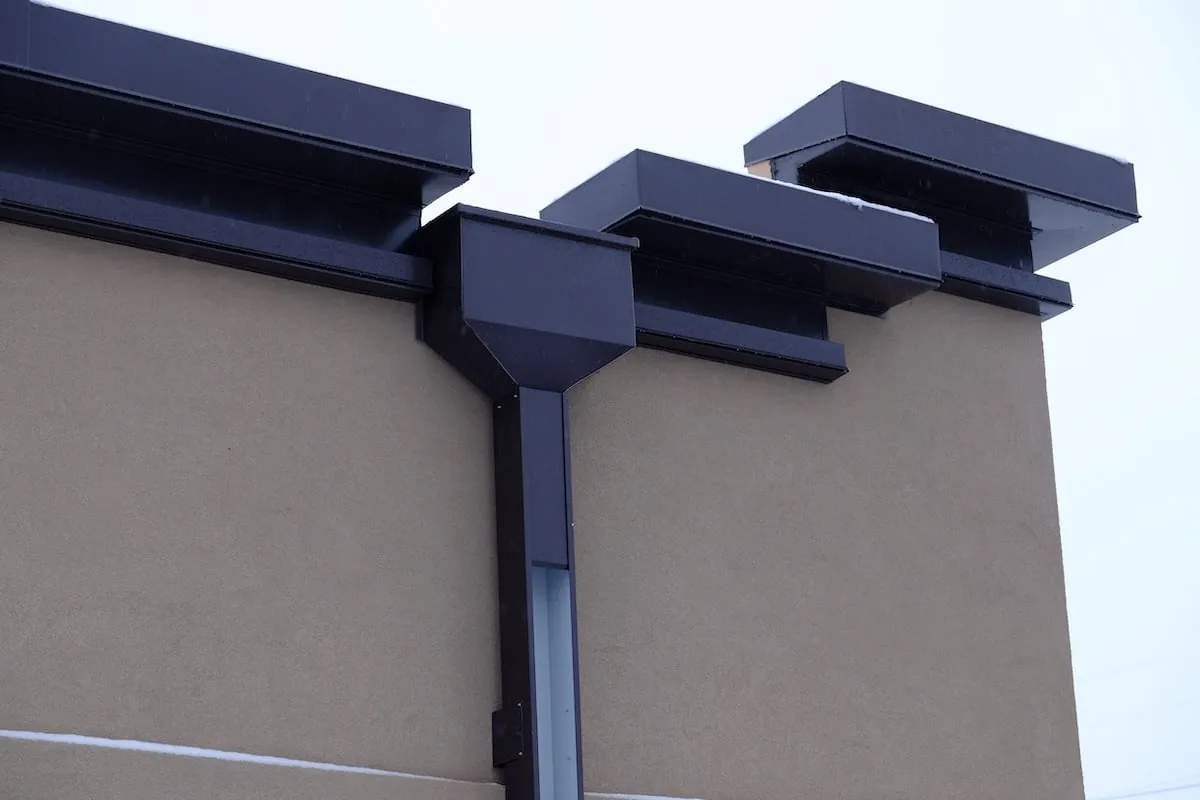
Hotels may have several roof heights that discharge into different drains, scuppers, or internal piping. We trace the path from each roof plane to its outlet and check for debris, ponding, open seams, and transitions where additions meet older sections. A blocked drain can worsen interior water entry, but it does not rule out a separate flashing failure. We mark drainage findings alongside the interior report so temporary measures address the right zone.
During repair, the crew protects open areas and maintains a usable drain path wherever the assembly allows. If water has reached insulation or the deck, testing helps define the material to remove and the area requiring interior protection. A drain repair package may be needed with seam or flashing work when both conditions are documented. The property representative receives the exact closeout requirements before a zone is opened.
Repair, recover, or replace
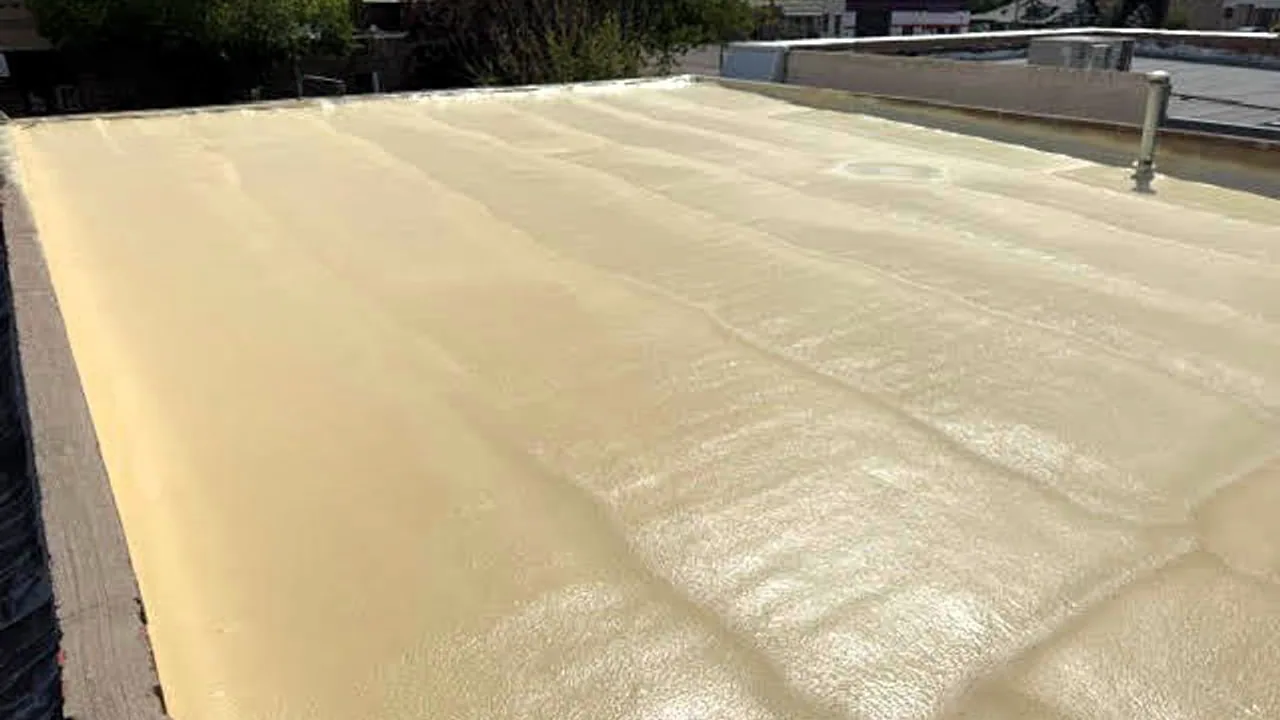
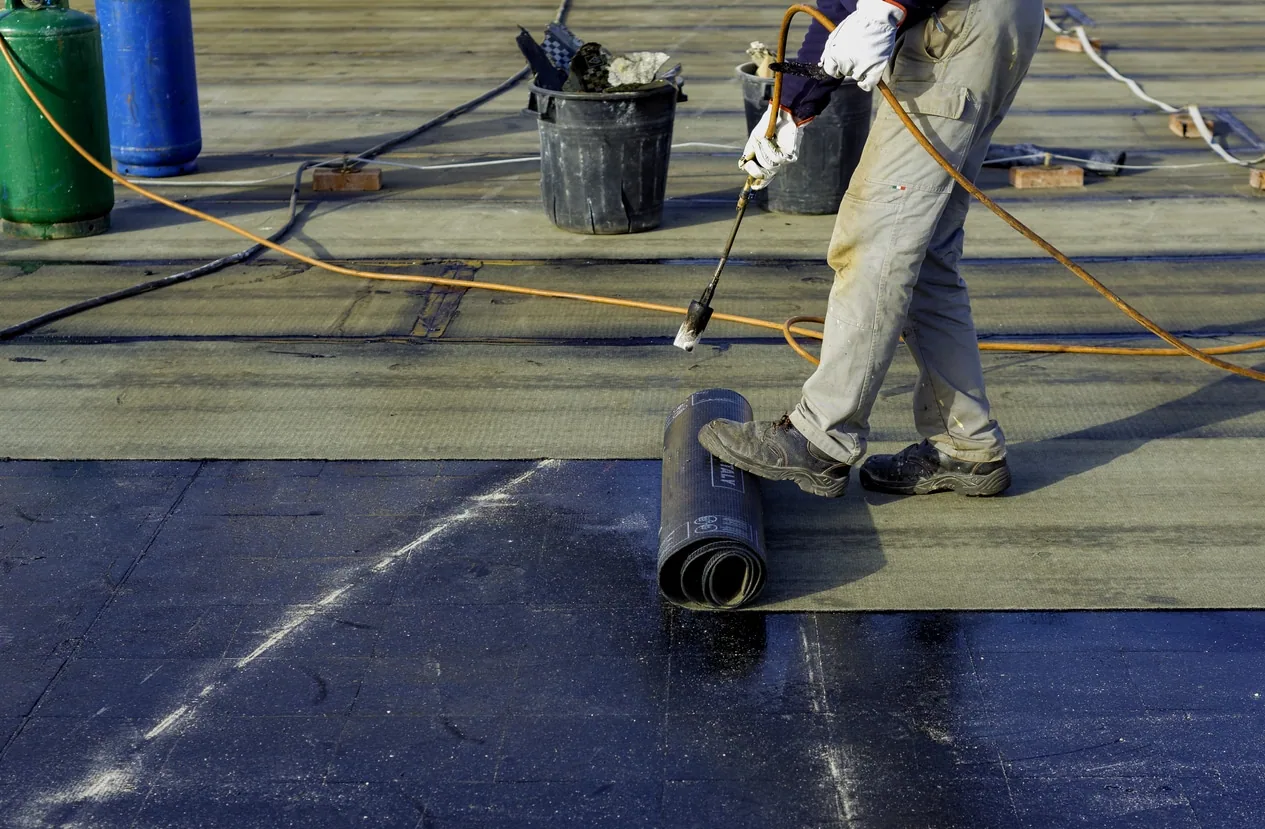
The choice of system depends on the existing assembly, deck support, moisture, attachment, drainage, and roof traffic. We compare compatible repair materials and replacement assemblies, then mark transitions around parapets, curbs, and additions. A PVC membrane system may be considered for a suitable low-slope roof, while other assemblies may require TPO, EPDM, modified bitumen, built-up roofing, or metal. We do not select by hotel category alone.
Recovering can avoid removing an existing roof if moisture, attachment, height, drainage, and applicable requirements support another layer. Test cuts establish hold points before a recover option is approved. Widespread wet insulation, repeated detail failure, or damaged deck may shift the plan toward replacement. We explain which field findings could change the recommendation so approval includes the right allowance, protection, and duration for occupied rooms.
Heat scheduling and post-storm checks
Tyler's July normal high is 94.5°F. Actual roof temperature and product instructions govern adhesive, flashing, and coating installation. We check the substrate before releasing an adhesion-sensitive step and sequence preparation so the surface is ready for the specified work. When heat shortens the workable period, the crew shifts the task or returns during a suitable window, protecting the area and recording the revised handoff.
After hail or damaging wind, we check membrane seams, edges, flashings, rooftop equipment attachments, drains, and reports from rooms below. Photographs record visible findings by zone; further testing is listed when hidden moisture or deck condition remains unresolved. A storm work package separates immediate protection from permanent repair and any insurance documentation. Regional storm history supports readiness, while property-specific scope follows what the inspection finds.
Room schedule and closeout records
Each shift ends with a roof-zone inspection, temporary drainage review, and update on work remaining above occupied areas. The property contact receives the expected access period for the next release, including any noise or room-protection requirement. If a trade or test is pending, the record names the hold point and avoids reopening a roof area before the decision is complete. These handoffs keep the operating schedule attached to the actual field work.
Closeout includes photos, repair locations, system and test notes, unresolved conditions, and maintenance recommendations. A restaurant roof may involve similar operating-hour coordination, while an apartment building requires resident access planning. Each property still gets its own scope and release plan. Send roof plans, assembly records, room or event restrictions, leak locations, and the decision deadline; we will return a sequence with exposed-section limits and approval points marked.
Commercial Roofing Questions
Can hotel guests remain in rooms below active roof work?
Some zones may remain occupied when the property approves access, noise, overhead protection, and daily exposure limits. We map room use and circulation with the hotel contact before staging, then keep work within a section that can be closed safely. Any area requiring a room block or interior protection is identified before the crew begins.
How do you limit noise near meeting rooms or guest areas?
The hotel contact identifies quiet periods, events, room blocks, and service routes. We sequence high-noise tasks around those windows when the roofing scope and weather allow. The daily release names the active zone and expected work period, and the crew updates the handoff if conditions change.
What decides whether the hotel roof can be recovered?
Moisture, attachment, deck condition, existing layer count, drainage, and available height all affect recovery. We compare records with field observations and use agreed test cuts where needed. The recommendation states which findings support an added layer and what could shift the work to removal or replacement.
What should happen after a storm leak reaches guest space?
Protect the affected interior, record when and where water appeared, and request a roof-zone inspection. We trace nearby seams, drains, curbs, and transitions and document visible conditions. Temporary measures are listed separately from permanent repair so the hotel can manage the room and approve the next step.
What is included in the hotel roof closeout?
The closeout provides dated photos, marked repair locations, test and product notes, remaining concerns, and any maintenance actions. It also records each roof-zone release and the final check of exposed work. The property team can use those details to compare later service calls with the completed scope.
Related Pages
Commercial Roof Inspection
Tyler, TX
Tyler
Tyler, TX

Commercial Roof Condition Reports
Tyler, TX
Commercial Roof Drains and Scuppers
Tyler, TX
Plan hotel roofing around room use
Provide roof plans, assembly history, room and event restrictions, leak reports, and the decision date. We will map access, protection, weather-sensitive steps, and zone handoffs.