
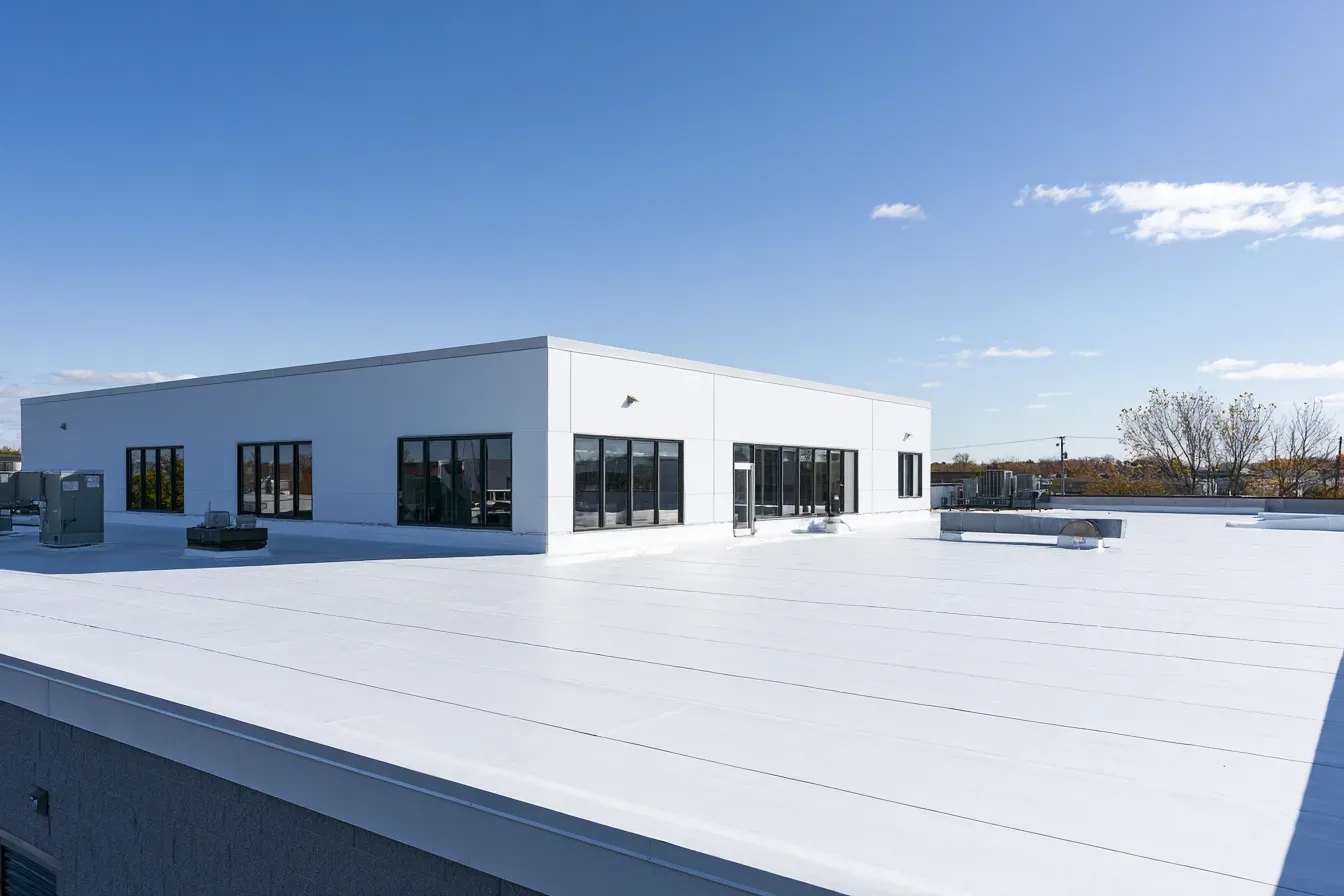
A reflective roof installation in Tyler still has a heat-sensitive work window. July normal highs average 94.5°F, but that climate value does not tell us the temperature of a membrane at noon. We check the existing assembly, actual substrate reading, product limits, and the roof-zone plan before primer or adhesive is scheduled. That field release controls preparation and installation, especially when the building must remain accessible to staff, deliveries, or mechanical service.
A cool roof begins with a roof assembly that can accept the selected surface and keep water moving to drains. Reflective color alone does not correct wet insulation, failed seams, weak attachment, or ponding. We inspect the roof and compare repair, recover, and replacement paths before recommending an installation. A coating restoration review may suit a compatible, sound surface, while a new TPO roof system is assessed for its full assembly and attachment needs.
Assembly and surface review
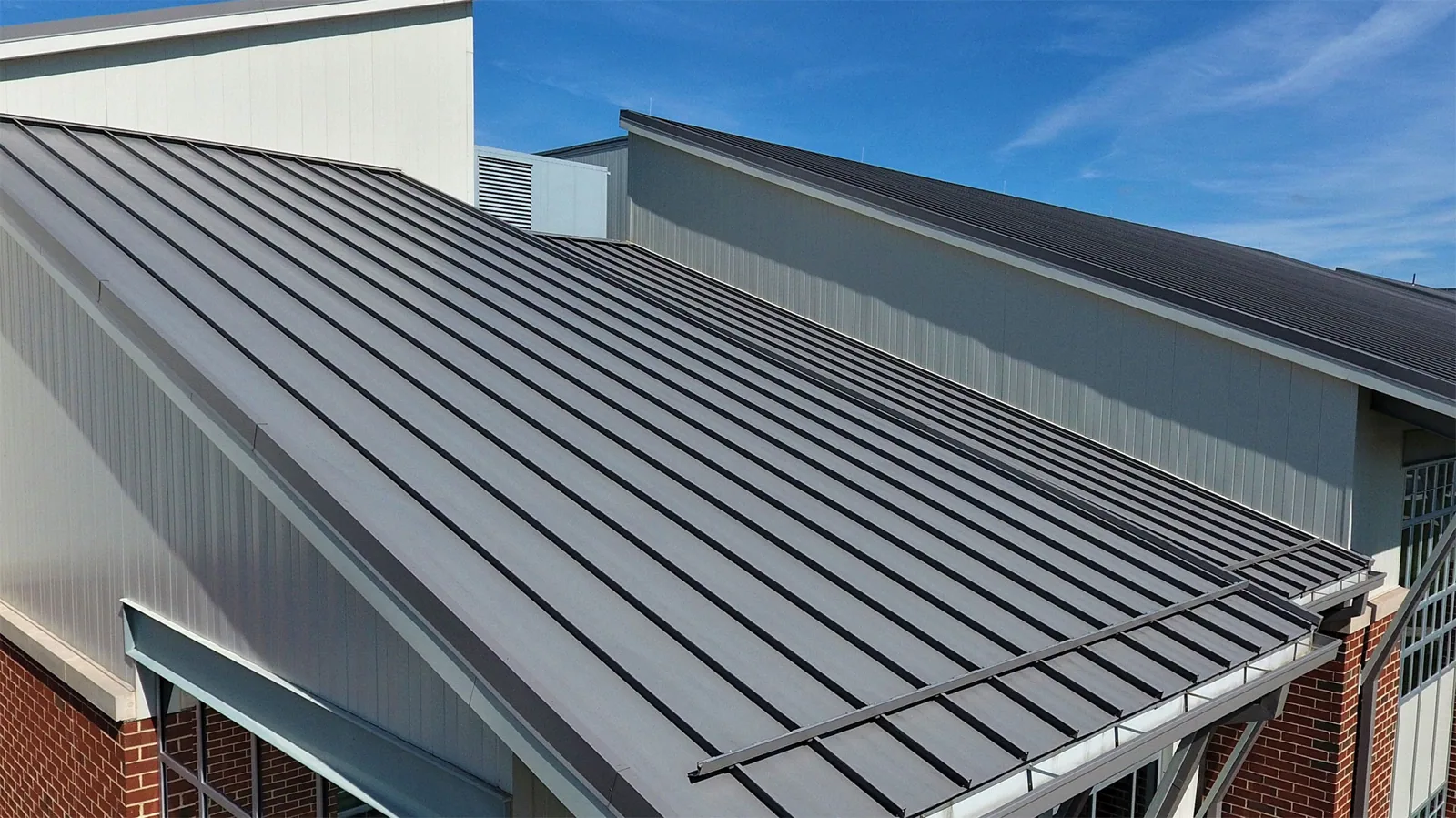
The first work package identifies the membrane, cover board, insulation, deck where known, drainage, edge conditions, and prior repairs. We check for blisters, open seams, loose laps, cracked coating, wet areas, and material incompatibility. Moisture testing or selective cuts can answer whether concealed water would make an overlay unsuitable. The condition report maps confirmed findings to roof zones and keeps untested areas visible. That lets the owner compare a reflective recover with repair or removal on evidence rather than appearance.
Tyler’s target industries lean toward advanced manufacturing, corporate offices, and technology. The roof of an operating plant or office may carry different equipment, access needs, and shutdown limits, so we record the actual site conditions rather than select a surface by building label. The Tyler service area includes properties with different assemblies and operating schedules. A manufacturing roof review can include production access, exhaust locations, and protected equipment routes in the initial survey.
Heat window and adhesion
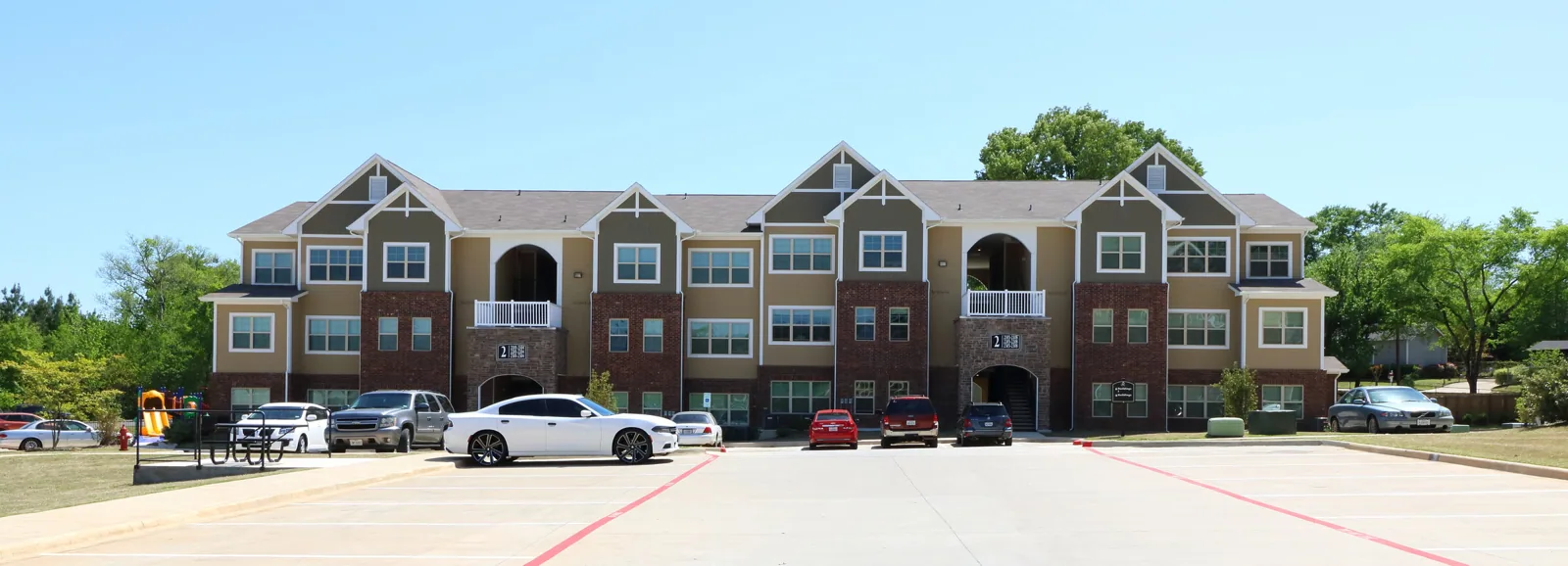
Primer, adhesives, coatings, and some flashing materials have temperature and moisture limits set by their installation instructions. High ambient temperature can also change working time and surface conditions. We take a substrate reading at the work area, check dew point and weather conditions where the product requires it, and sequence preparation, application, and inspection accordingly. If conditions move outside the approved range, the crew holds that operation and completes work that can be safely closed instead.
South Broadway Commercial Corridor makes access coordination part of the work plan. Material deliveries, equipment staging, and an open loading area affect the crew handoff, but the route does not predict access at a specific building. We confirm the gate, staging location, lift plan, and delivery window with the general contractor. The scope records who releases the area and how a weather delay changes the next scheduled roof zone.
Reflective system choices
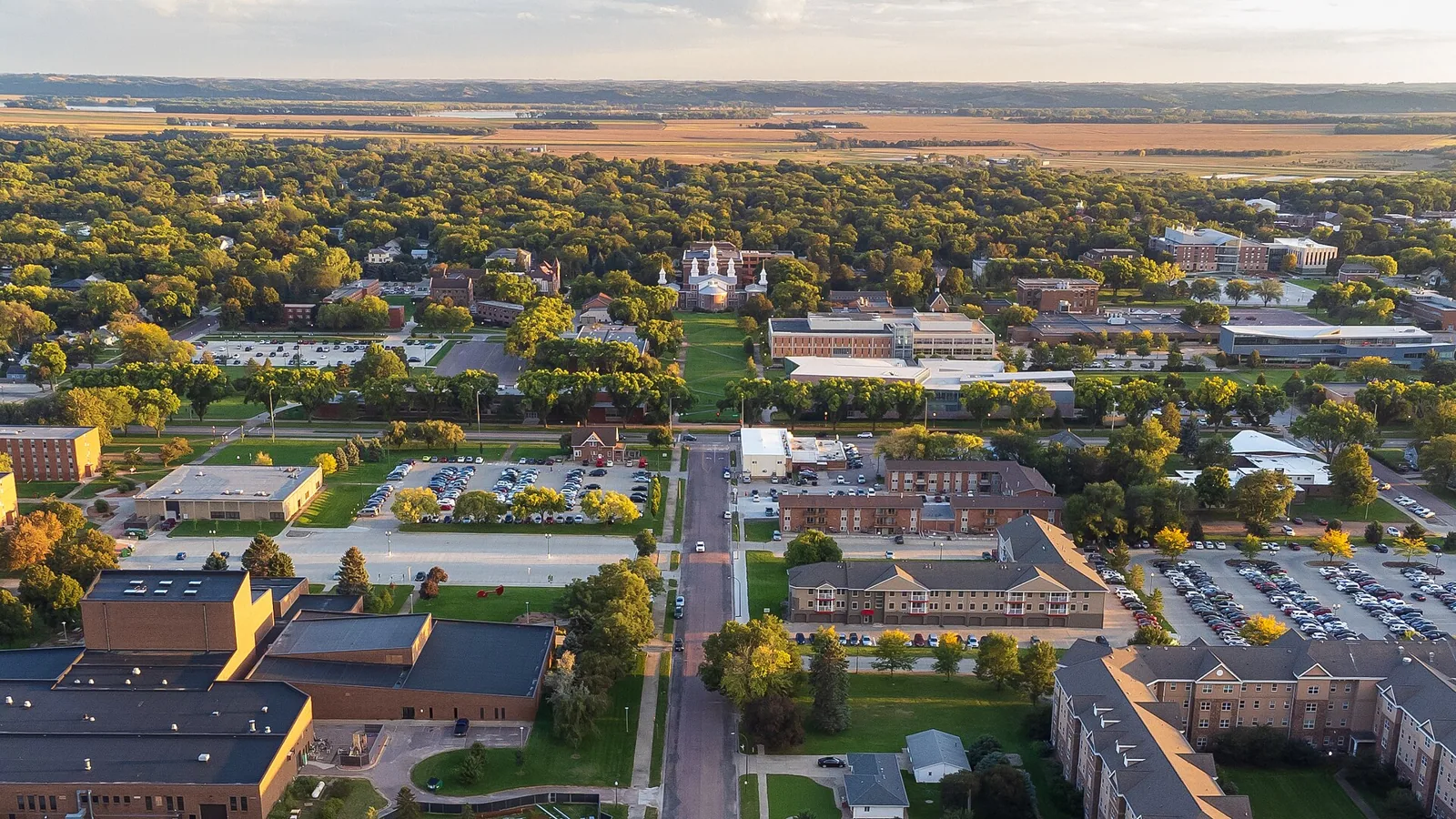
White or light-colored membranes and compatible coating systems can reflect more sunlight than darker surfaces, but system selection must still fit the roof. We compare membrane type, seam method, attachment, insulation, edge detail, and expected maintenance. A PVC assembly or KEE membrane may be considered where its full specification suits the project; we verify product identity, substrate compatibility, and installation instructions before carrying it into the work package. We do not treat reflectivity as a repair for a failing assembly.
Existing roof color and surface condition also affect whether a coating is appropriate. Chalked, contaminated, wet, or poorly bonded surfaces may need cleaning, repairs, test patches, or removal before the field can be coated. We mark adhesion test locations, acceptance criteria, and the responsible reviewer before production begins. If a test does not meet the agreed condition, the owner can choose a different assembly or additional preparation before a full roof-zone release. That prevents an untested assumption from spreading across the field.
Insulation and drainage balance
A reflective finish is one part of thermal performance. Insulation level, continuity, air leakage, drainage, and equipment penetrations affect the assembly as a whole. Tyler adopted the 2021 International Energy Conservation Code effective January 1, 2024, alongside the 2021 International Building Code for plans beginning that date. The designer and permitting authority determine the requirements for a specific project. We coordinate insulation, cover board, edge height, and drain details with the approved documents before material is released.
Changes in roof height can alter drain and curb relationships. We inspect scuppers, internal drains, overflow paths, sumps, and low areas before resurfacing so a new layer does not conceal a drainage problem. A drain and scupper review can be included where ponding or a restricted path changes the scope. If insulation must be tapered, we mark design elevations and confirm the tie-in at perimeters and equipment curbs. The general contractor receives any open survey point before the crew installs cover board.
Installation sequence and access
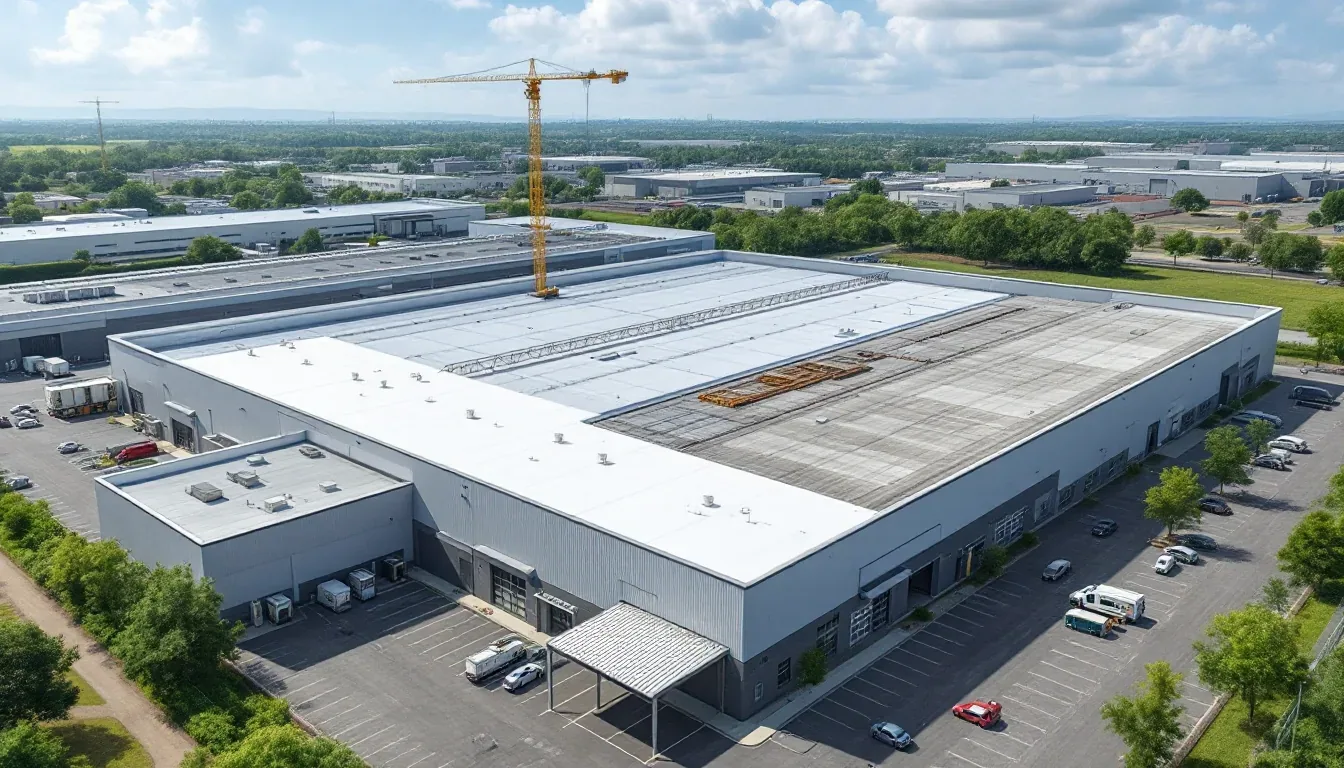
We separate cleaning, repairs, substrate preparation, test areas, field installation, and final inspection into roof-zone releases. For a coating, the sequence includes surface preparation, detail work, adhesion checks, application rate per product instructions, and cure protection. For a membrane replacement, it includes removal limits, deck review, insulation placement, attachment, seam inspection, and temporary closeout. The daily plan sets where materials can be staged and what must remain clear for rooftop service.
Tyler's Interstate Commerce Park is located beside I-20 at the SH 155 interchange, a planned commercial and industrial area where delivery routes and work access deserve advance coordination. We confirm the actual property approach, crane location, and traffic control with the site team. Existing operations may require a smaller daily work area or off-hour deliveries, which changes crew sequencing and temporary protection. Every weather delay adds a named release decision so a partially completed surface is not left exposed without an assigned closeout.
Inspection and maintenance record
At completion, we record installed products, test results, completed roof zones, repairs, and photographs of seams, penetrations, perimeters, and drains. The owner receives any remaining conditions and maintenance points as separate items. If a leak occurs during severe weather, the property contact should first confirm safe access and limit exposure below. An inspection can then define any temporary protection before permanent repairs are scoped. Hail and wind exposure in spring and autumn make post-storm roof observations useful, but each reported condition needs field review.
Cost and timing vary with removal depth, deck repairs, insulation changes, surface preparation, equipment moves, roof geometry, and approved access hours. A condition report can preserve the new baseline, while a capital planning review can relate future repairs to the assembly's documented condition.
Commercial Roofing Questions
Does a reflective roof lower indoor temperatures by a set amount?
There is no single temperature change that applies to every building. The result depends on insulation, air leakage, roof area, equipment, occupancy, and the existing assembly. We can document roof conditions and compare system options, while the building team evaluates energy use against its own operating records.
Can a white coating go over the roof that is there now?
A coating needs a compatible, dry, well-bonded substrate and repaired details. We inspect the membrane and test adhesion where the result affects the selection. Wet insulation, loose seams, incompatible repairs, or poor drainage can require a different scope before coating is considered.
Which Tyler weather conditions change the installation plan?
Heat, surface moisture, rain risk, and wind can affect preparation, application, lifting, or closeout. The July normal high is a planning signal, while field readings and product limits control the actual release. Spring and autumn storms also make a clear temporary protection step necessary when a zone is open.
Will a reflective roof resolve ponding water?
A reflective surface does not correct low areas or blocked drains. We map water paths, check drains and scuppers, and review elevations before work. Tapered insulation or drainage repairs may be needed if the approved design calls for a slope correction.
What should be compared in reflective roof bids?
Compare the full assembly, preparation, repairs, insulation, attachment, flashing details, access assumptions, testing, and closeout. We separate known work from open substrate conditions and show when a weather delay or equipment move affects the sequence. A color name alone is not a complete scope.
Related Pages
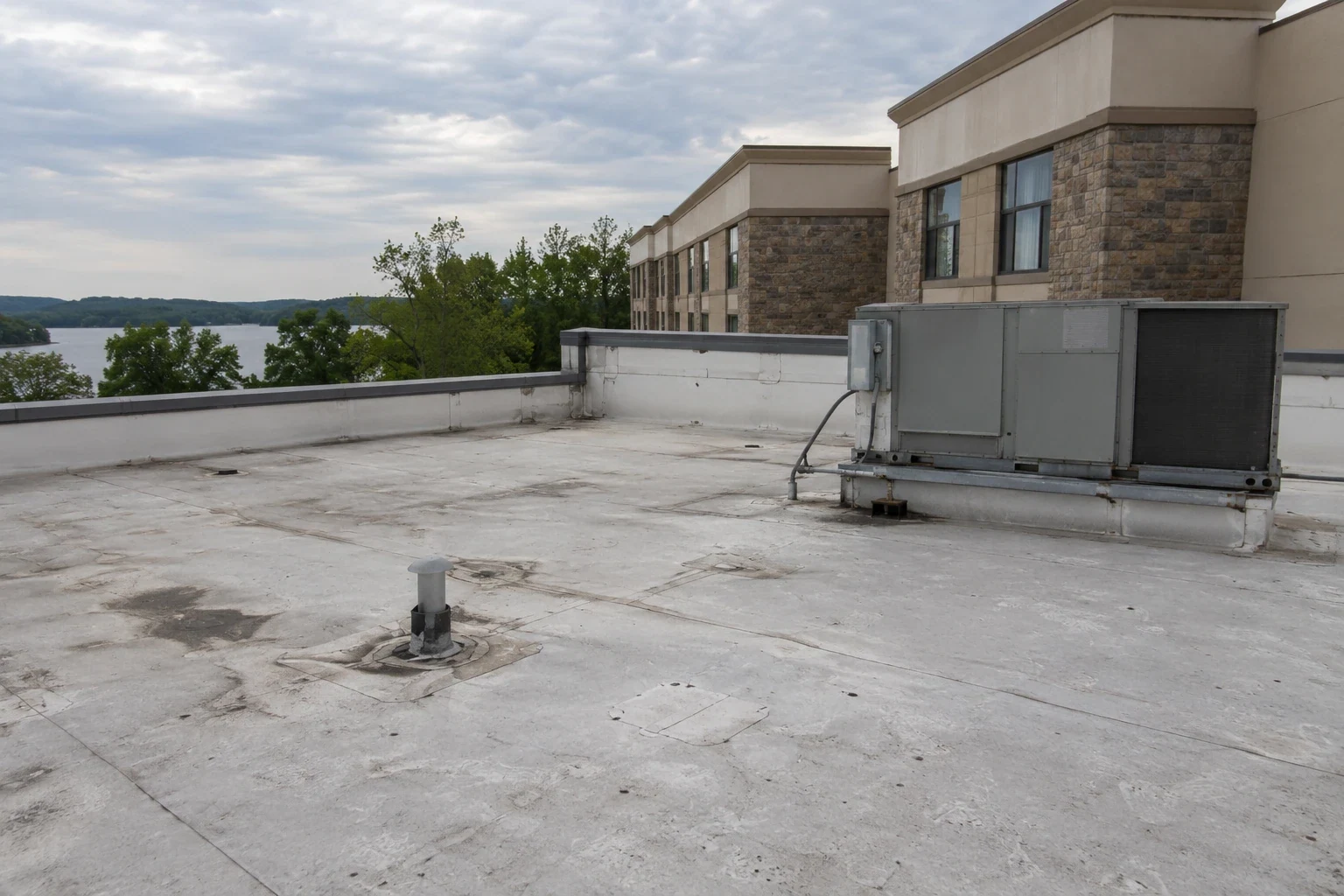
Commercial Roof Coating Restoration
Tyler, TX
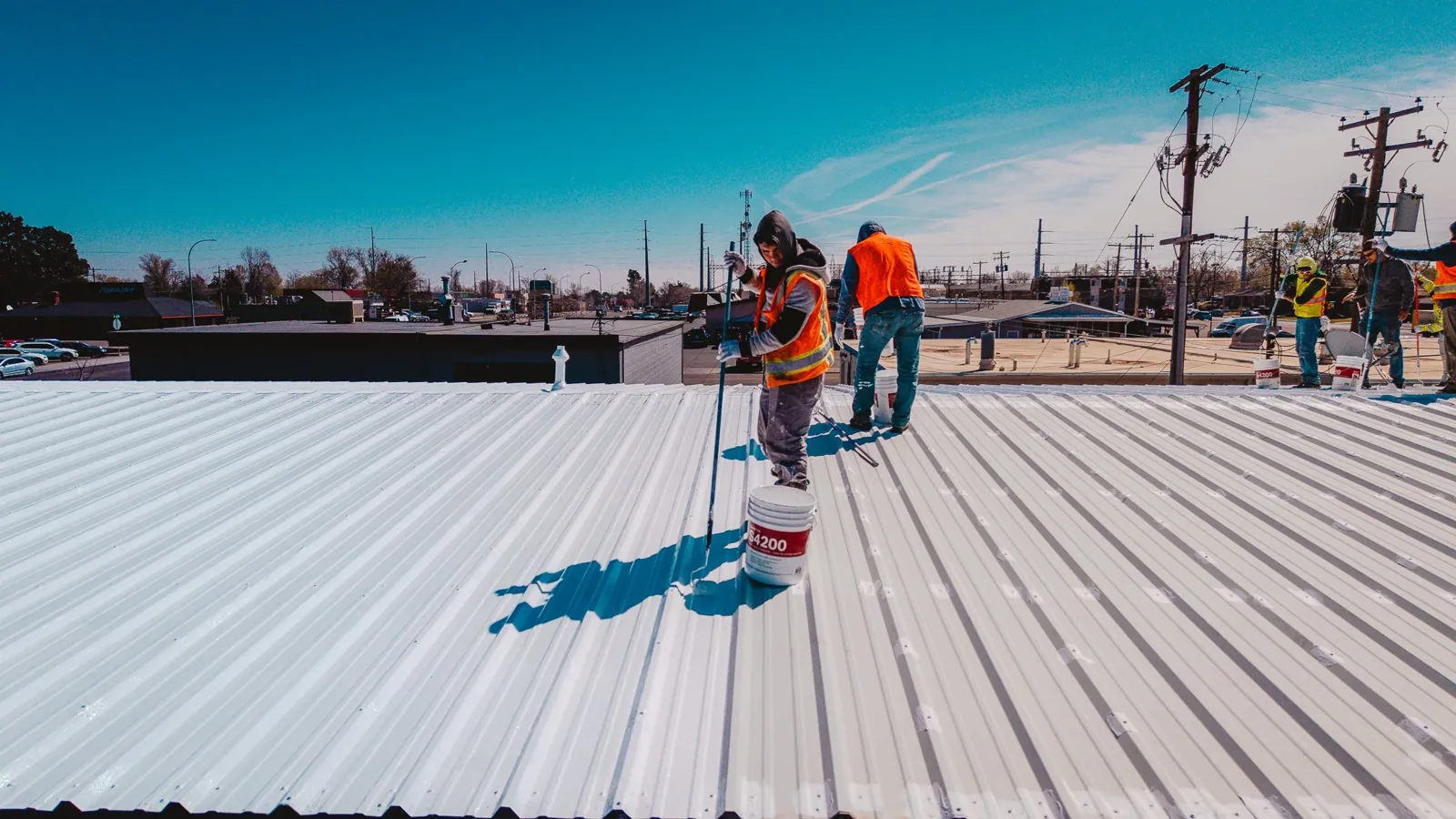
TPO Roofing
Tyler, TX
Tyler
Tyler, TX
Manufacturing Plant Roofing
Tyler, TX
Set a reflective roof work plan
Send the roof plan, assembly records, access window, current roof condition, and decision deadline. We will return a Tyler installation sequence with substrate checks, system options, open tests, and roof-zone release points marked.