
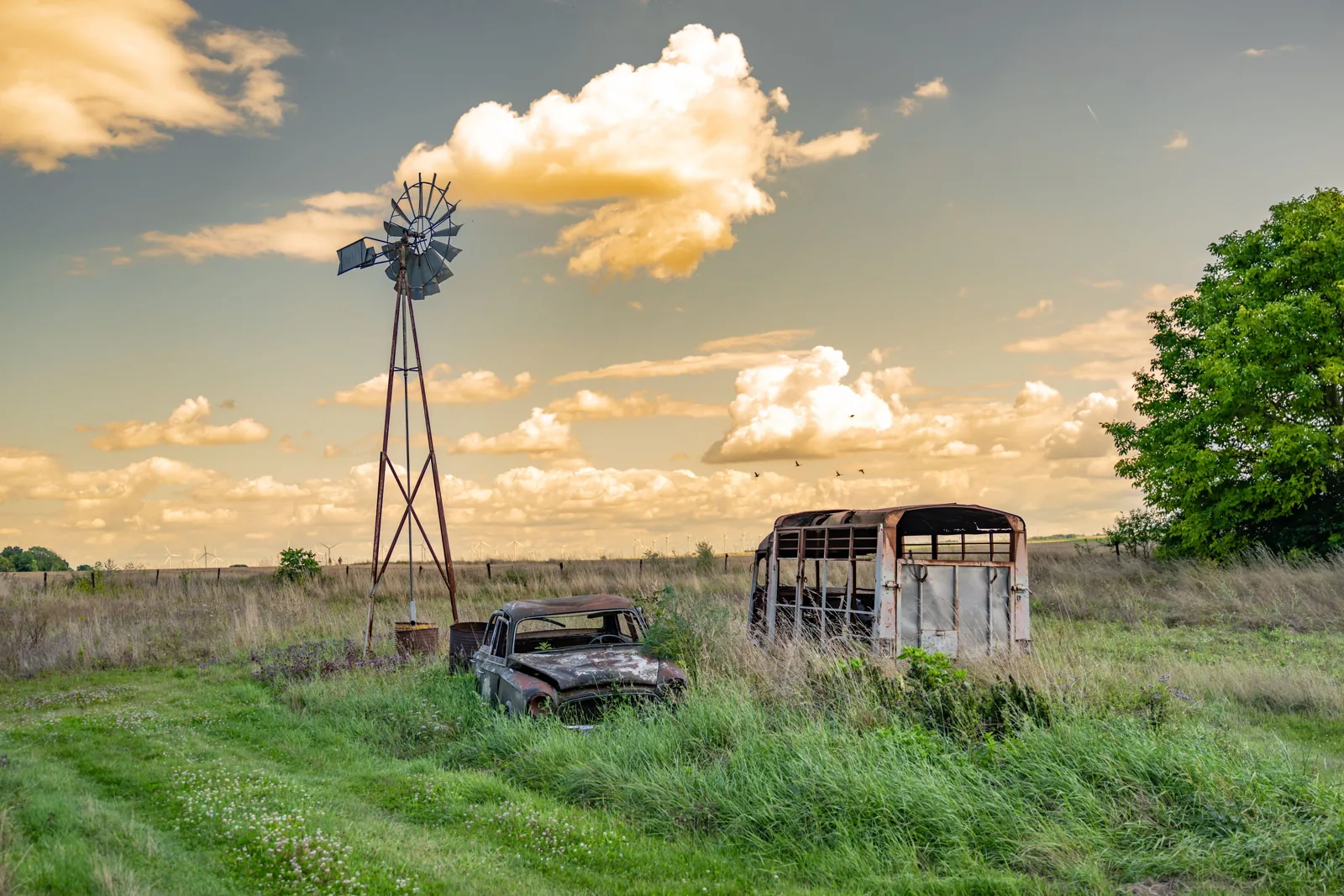
Van's commercial properties sit within a town where Interstate 20, State Highway 110, FM 16, and FM 314 cross the local network. New homes and commercial properties continue to be built in Van, so an existing-roof repair and a new project require separate assembly records. The local economy includes manufacturing, construction, finance and real estate, plus food and entertainment services. Those uses call for roof plans tied to each building's equipment, access, and operating hours. We begin with records and a field walk, then mark the roof zones, test points, and next release for the general contractor.
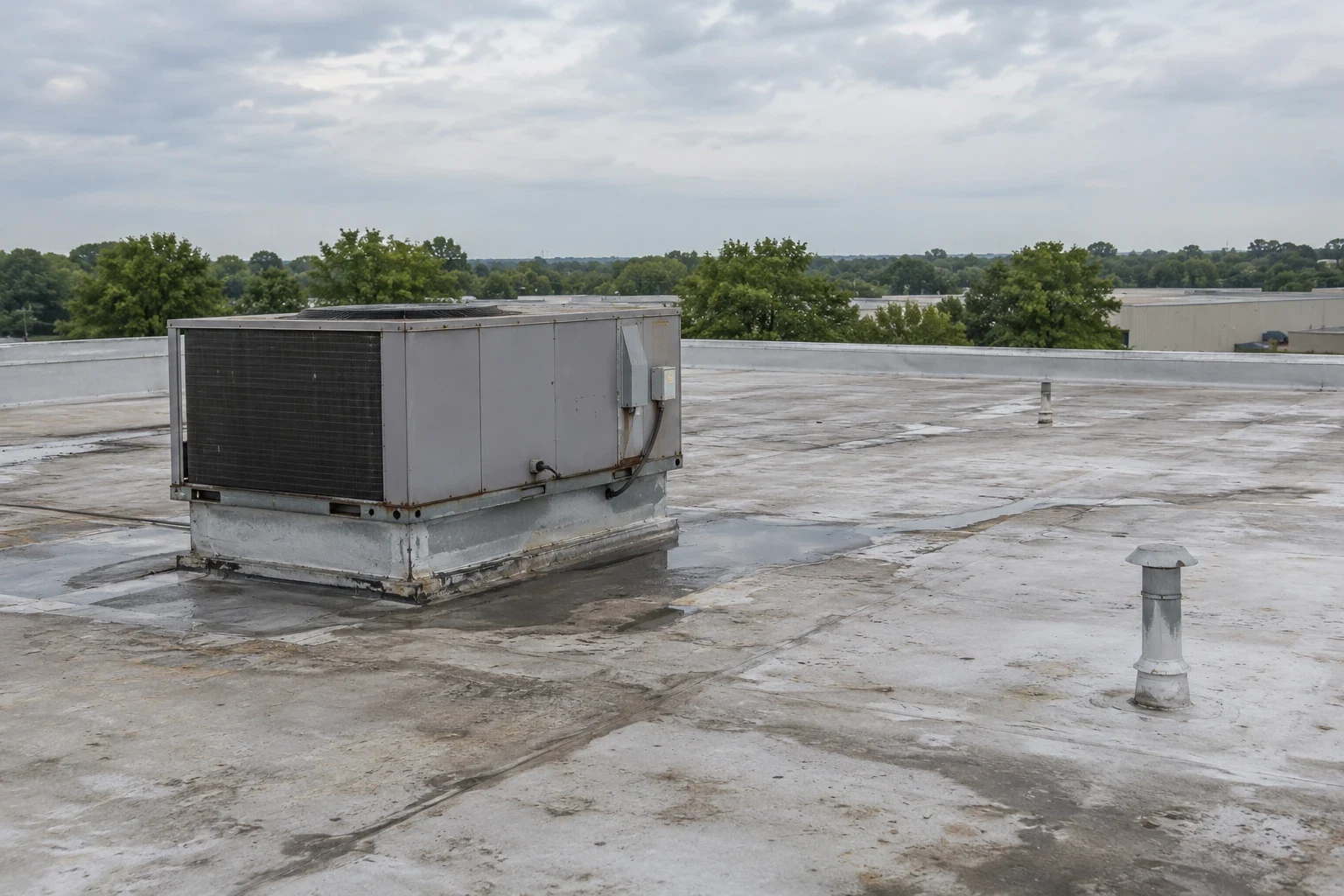
Tyler's normal July high averages 94.5°F, a market-level climate reference for scheduling heat-sensitive work. The Van work package reserves suitable periods for preparation, bonding, and inspection of heat-sensitive details. Before an adhesive, primer, or coating step, we take a current substrate reading and check the selected product instructions. A commercial roof inspection captures the actual assembly, drainage, seams, penetrations, and edge details before the crew begins a repair or renewal scope.
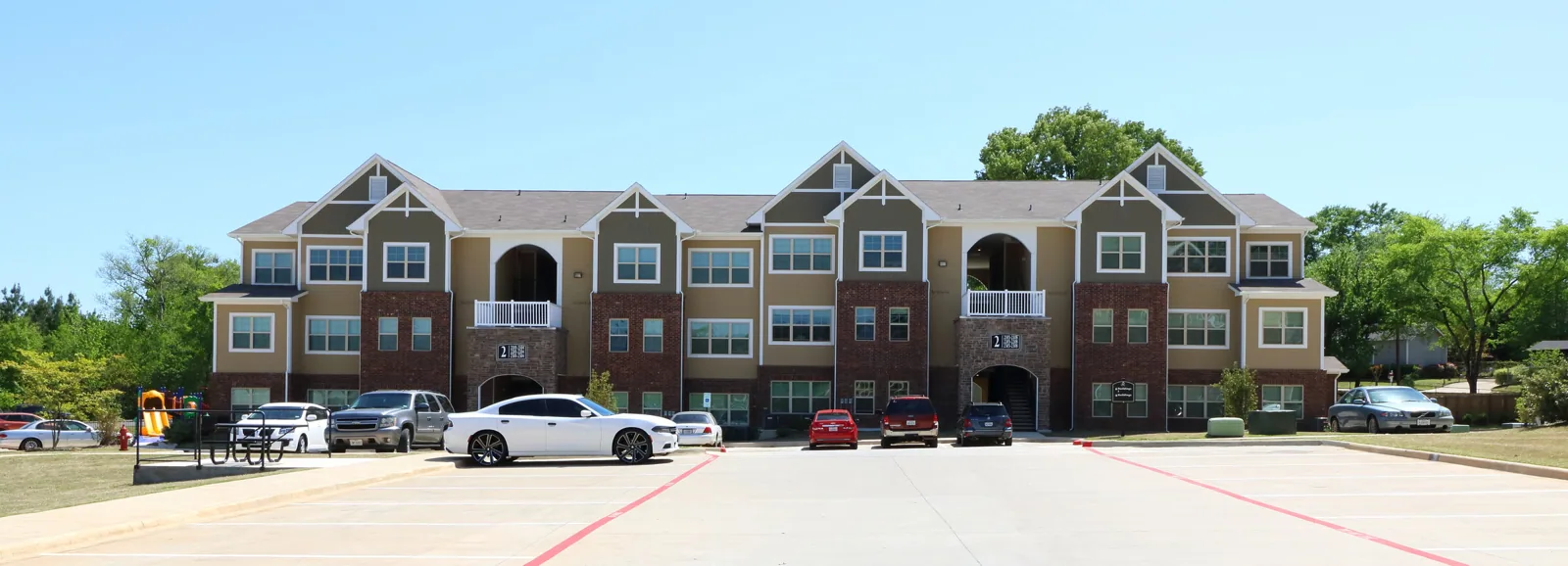
Roof scope across Van's working properties
Manufacturing and construction uses can place equipment, penetrations, and service access on a roof, while food and entertainment operations can have defined occupied periods. The local industry mix helps frame those coordination questions, but it does not prove what a particular building contains. We verify equipment clearances, roof hatch access, loading limits, shutdown needs, and the spaces that must remain open. Each property receives its own work package and access release.
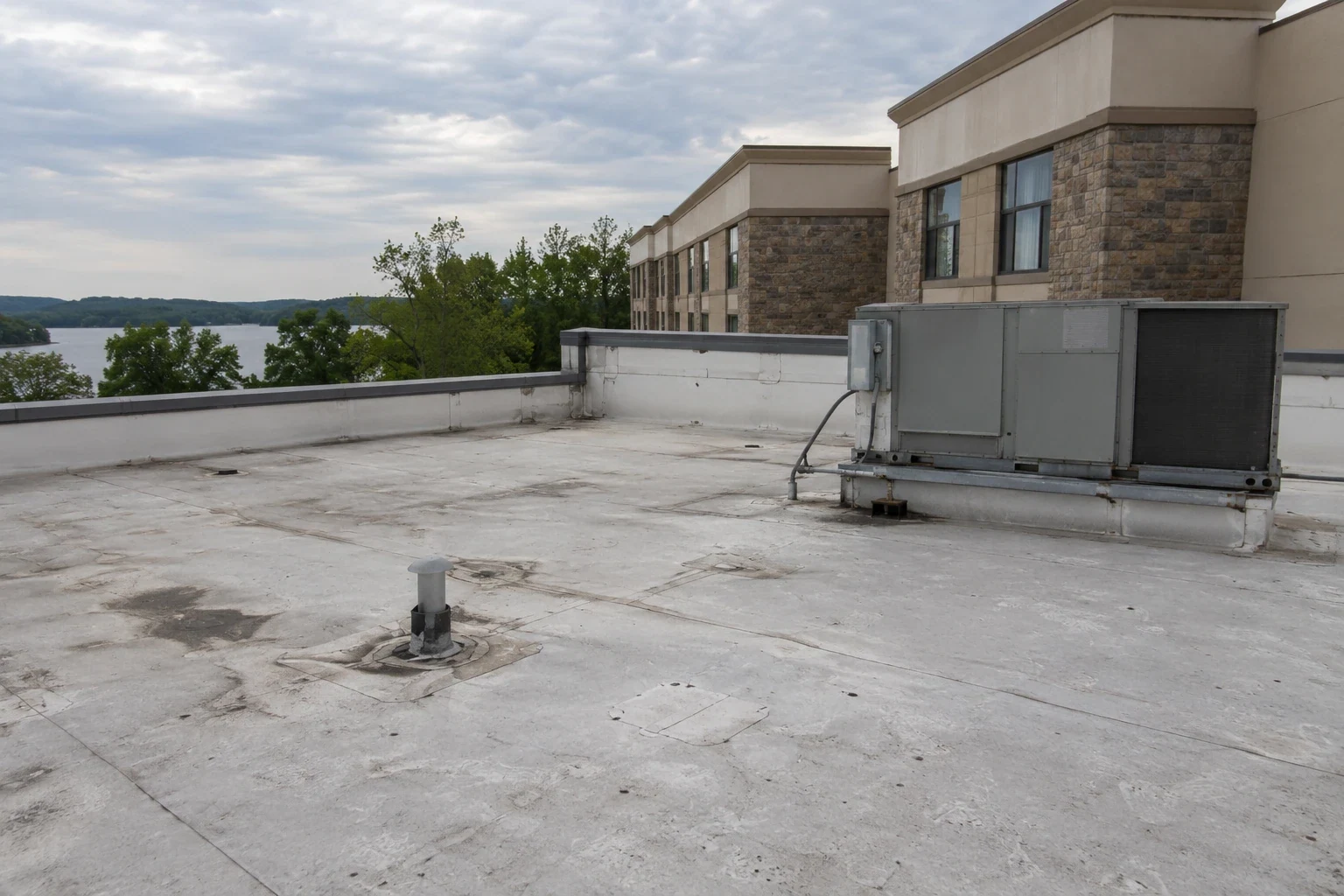
The inspection follows the assembly. We check the membrane or metal panels, seams, fasteners, wall transitions, curbs, drains, and prior repairs. Photos are matched to the roof plan so the owner can review where the finding sits and what remains concealed. A roof condition report identifies confirmed conditions and open tests. For a property program that also serves Tyler or Lindale, those records remain separate rather than inheriting a system or access assumption from another site.
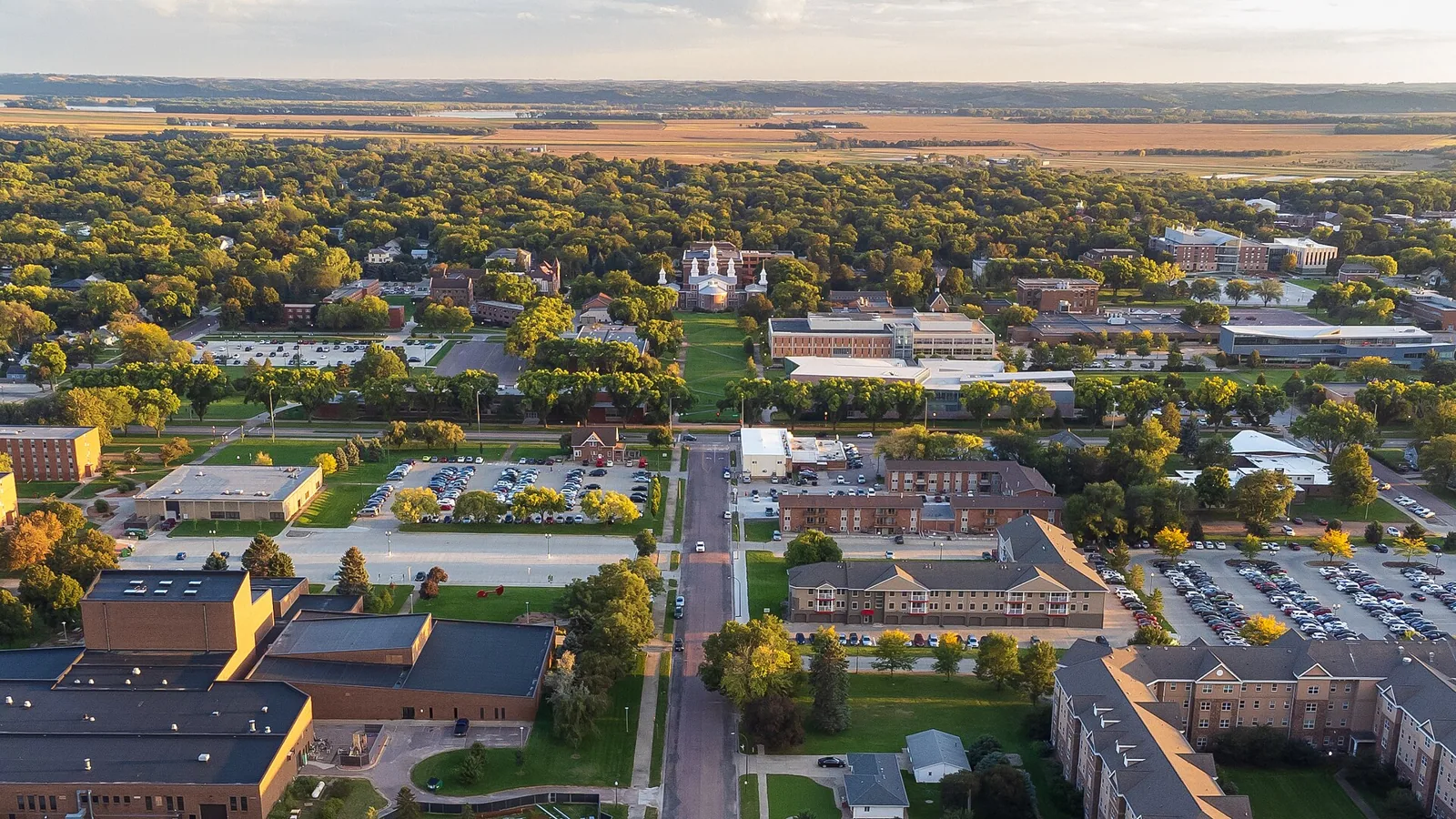
Interstate timing and property-level access
Van’s I-20 corridor is a regional gateway, with economic activity directed toward downtown, neighborhoods, and the interchanges. That gives the area a useful logistics frame, not a promise about a specific driveway, delivery slot, or staging area. Before mobilization, we confirm the actual route, property hours, gate rules, material drop point, and roof access. If traffic or operations narrow the available window, the sequence shows what can be completed and safely closed within it.
On multi-trade work, a roof-zone release names who may enter and which detail must remain protected. The crew records material staging, debris removal, equipment movement, and any area held for testing. If a work window changes, the next handoff identifies what is finished and what remains open. A occupied-building sequence can keep entries and active work areas distinct, while a roof asset record carries confirmed service history into later maintenance or capital decisions.
Heat and storm steps that affect release
Tyler's July normal high of 94.5°F is a seasonal signal. A Van roof can have a different surface reading because of shade, materials, prior preparation, and the hour of work. We check the substrate before adhesion-sensitive steps and compare it with the product's permitted range. If the reading or surface condition falls outside that range, the crew holds the step and protects the area. The work package identifies what may continue and which release depends on a new reading.
Spring and autumn severe thunderstorms in the Texas region can bring large hail and damaging wind. Regional weather context helps plan readiness, but it cannot tell us whether a Van roof was struck or displaced. After a reported event, we document the actual field seams, edge metal, fasteners, penetrations, flashings, and drains. A hail review or wind-event inspection records observed conditions by zone. Temporary water control and permanent repair have separate boundaries, materials, approvals, and closeout notes.
What changes the repair decision
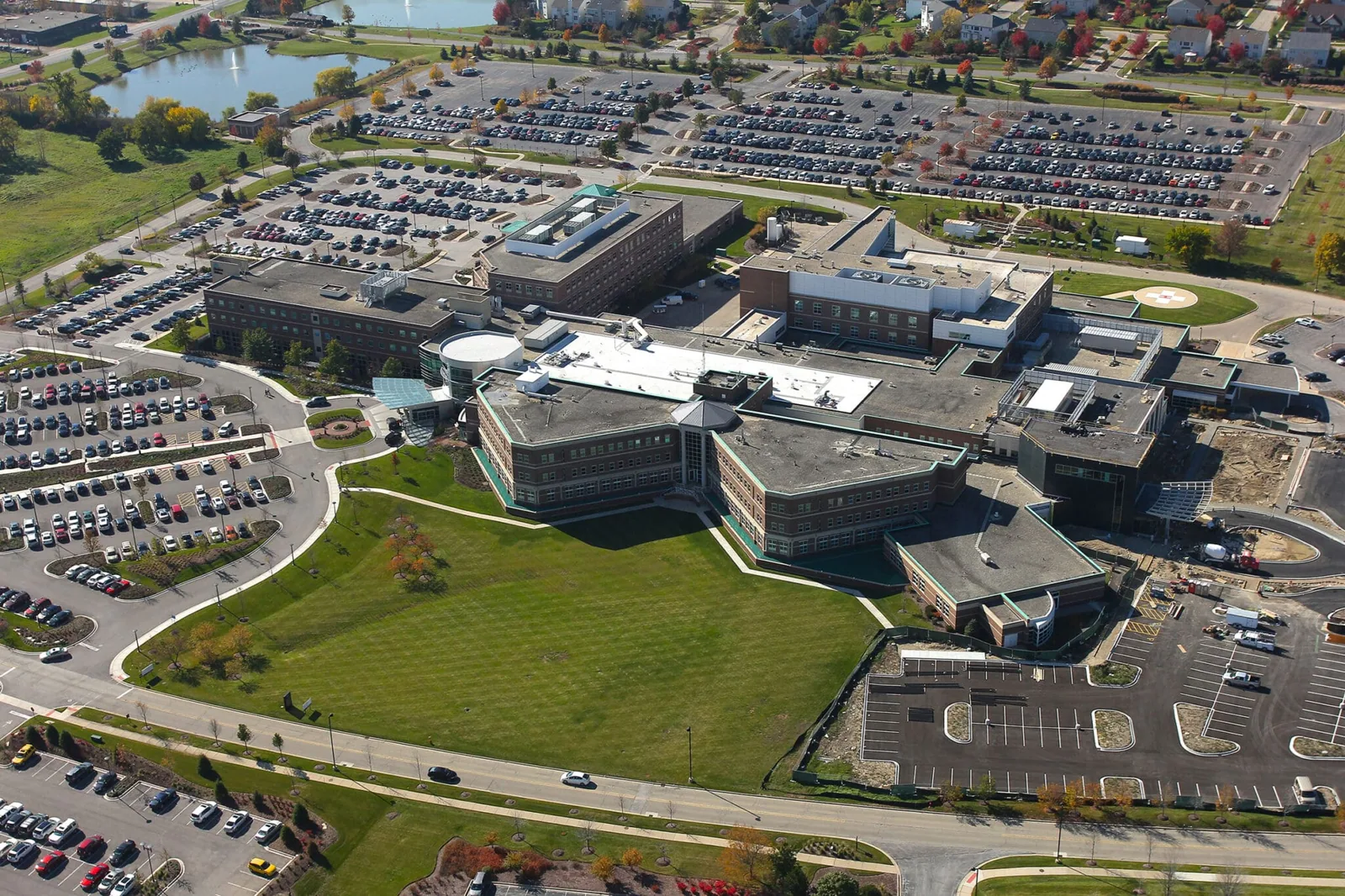
A contained opening with stable, dry material around it can support a local repair. Broad moisture, repeated seam failure, poor attachment, or a damaged deck may change the scope. We confirm the assembly and drainage before comparing patching, recovery, coating restoration, or replacement. A recover needs a suitable existing roof, acceptable roof count, compatible materials, and a sound enough substrate. If a test point reveals wet layers or a different construction than the records show, the owner receives the finding before more material is removed.
Timing and cost follow the measured work, roof height, access, penetrations, insulation or deck repair, edge conditions, material handling, operating hours, and weather holds. We separate quantities supported by inspection from allowances that depend on an approved opening. A commercial repair scope identifies preparation and tie-in. A replacement plan states removal depth, drainage work, and the inspection point before cover-up. Restoration is considered only when compatibility and surface preparation support it; it cannot correct concealed moisture by itself.
Before a crew handoff, the estimate should identify the limit of each planned repair and the conditions that change it. We note membrane type, attachment, insulation, deck observations, flashing interfaces, drain details, and material compatibility in the field record. If a test has not been authorized, the estimate labels that item as unresolved rather than folding it into a fixed quantity. The sequence names who approves an opening, who reviews the exposed assembly, and what closeout is required before another trade enters. That keeps the roof work legible to the owner and general contractor.
The handoff after each roof zone
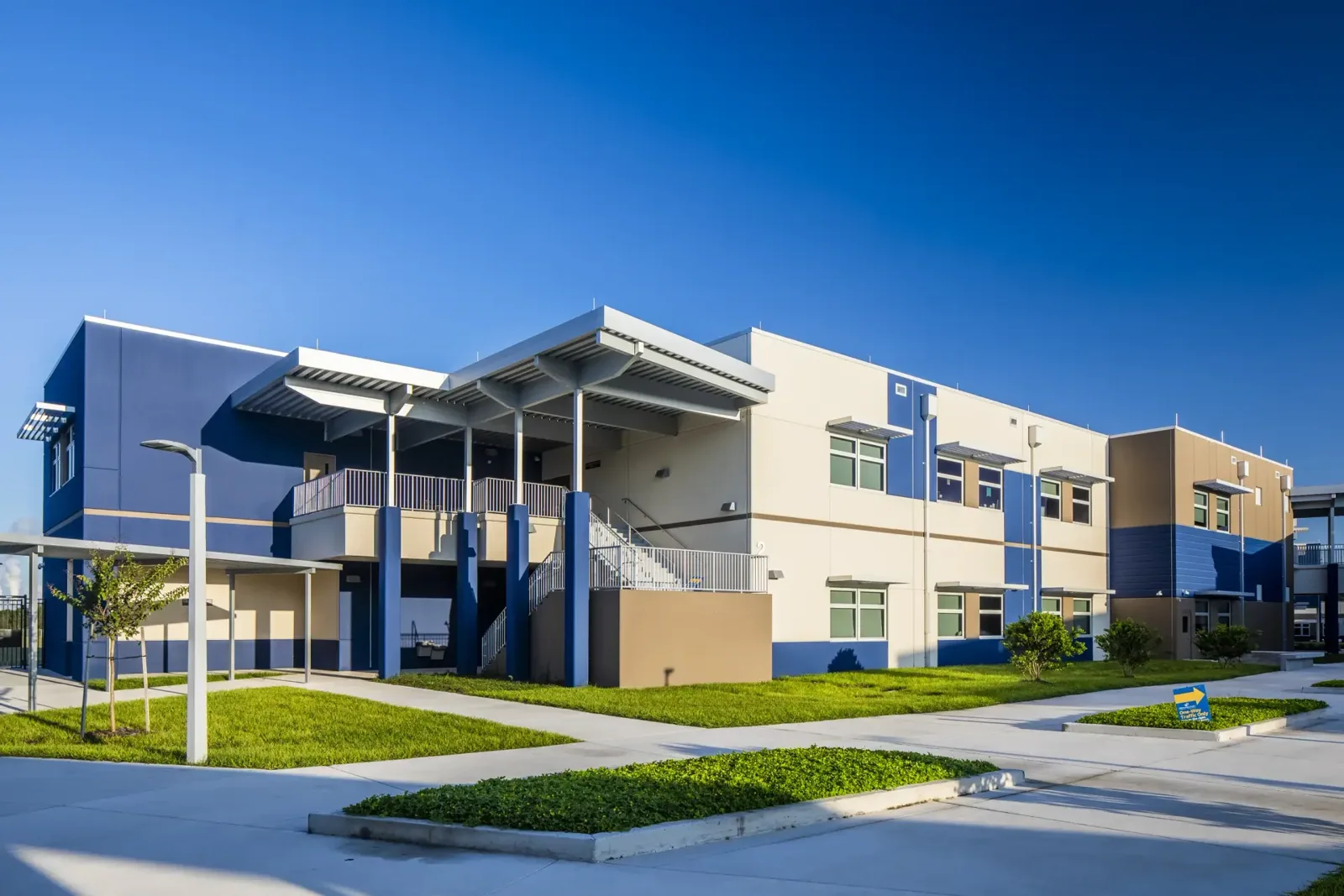
At the end of a shift, the record lists the completed detail, drain path, open test, installed material, and any section protected for the stopping period. The photos show the zone and any interface the next crew must inspect before covering. A weather delay names the task affected and the condition needed to restart. The general contractor can see which access release is ready and which area remains held for owner review.
Van and nearby communities do not share a single roof log. For work coordinated with Troup or a broader Tyler service plan, we preserve the condition, access, and approval record for each property. Send the roof plan, available assembly records, operating limits, current leak notes, and decision date. The reply is a sequenced field plan with tests and hold points named, so the next crew handoff follows the documented roof conditions.
Commercial Roofing Questions
Does Van's industry mix identify a roof system?
No. It describes broad local business sectors, not what is installed on an individual property. We verify the roof through records and field inspection, including membrane or panel type, attachment, drainage, penetrations, and prior repairs.
Does the I-20 corridor establish a clear delivery route?
No. Area planning does not establish a property's access rules or current traffic conditions. We confirm the route, gate schedule, material drop, loading limits, and roof access with the project contact before mobilization.
How do you handle a hot work surface?
We take a current substrate reading and compare it with the chosen product instructions. Tyler's climate normal helps frame seasonal scheduling, but the Van project reading controls the adhesion step. A hold point protects the sequence when conditions are outside the permitted range.
What is the first step after a reported wind or hail event?
We arrange safe access, document the roof by zone, and separate observed impacts from uninspected areas. Temporary water control can be scoped while the assembly is reviewed. Permanent repair follows the actual findings and the owner's release.
What should be ready before a crew handoff?
The roof plan, access window, assembly records, operating limits, and current condition help define the release. We add photos, completed details, open tests, temporary protection, and the next approval point so the following crew knows where work can resume.
Related Pages
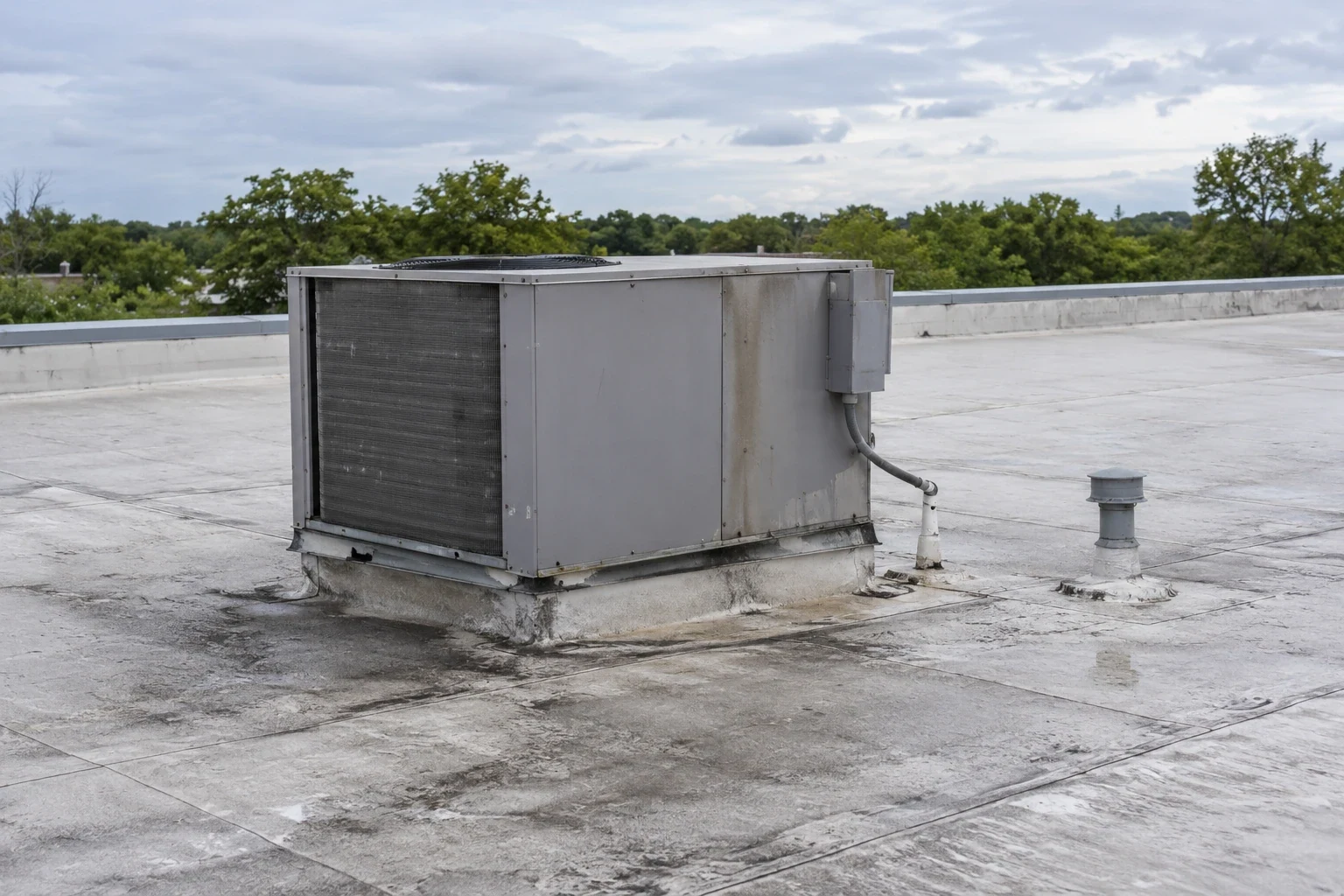
Commercial Roof Inspection
Tyler, TX
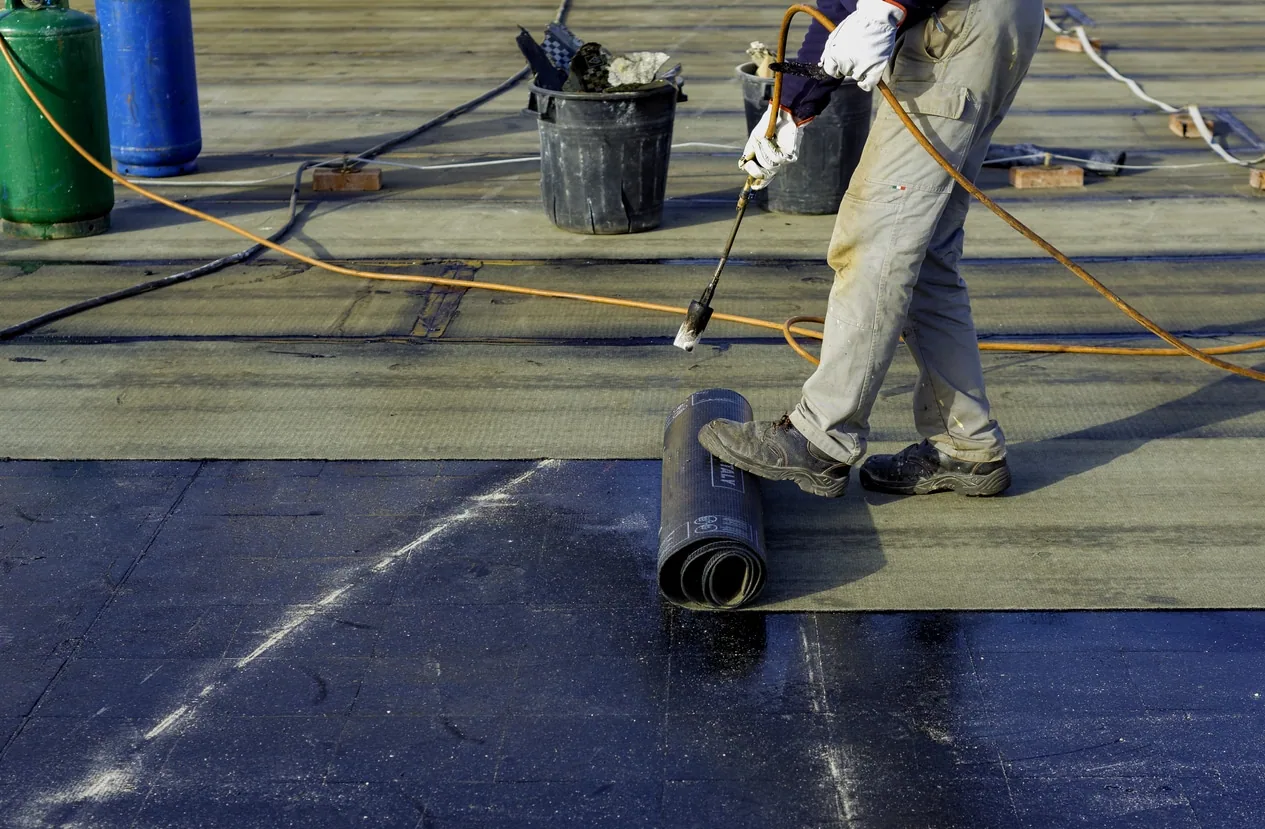
Commercial Roof Condition Reports
Tyler, TX
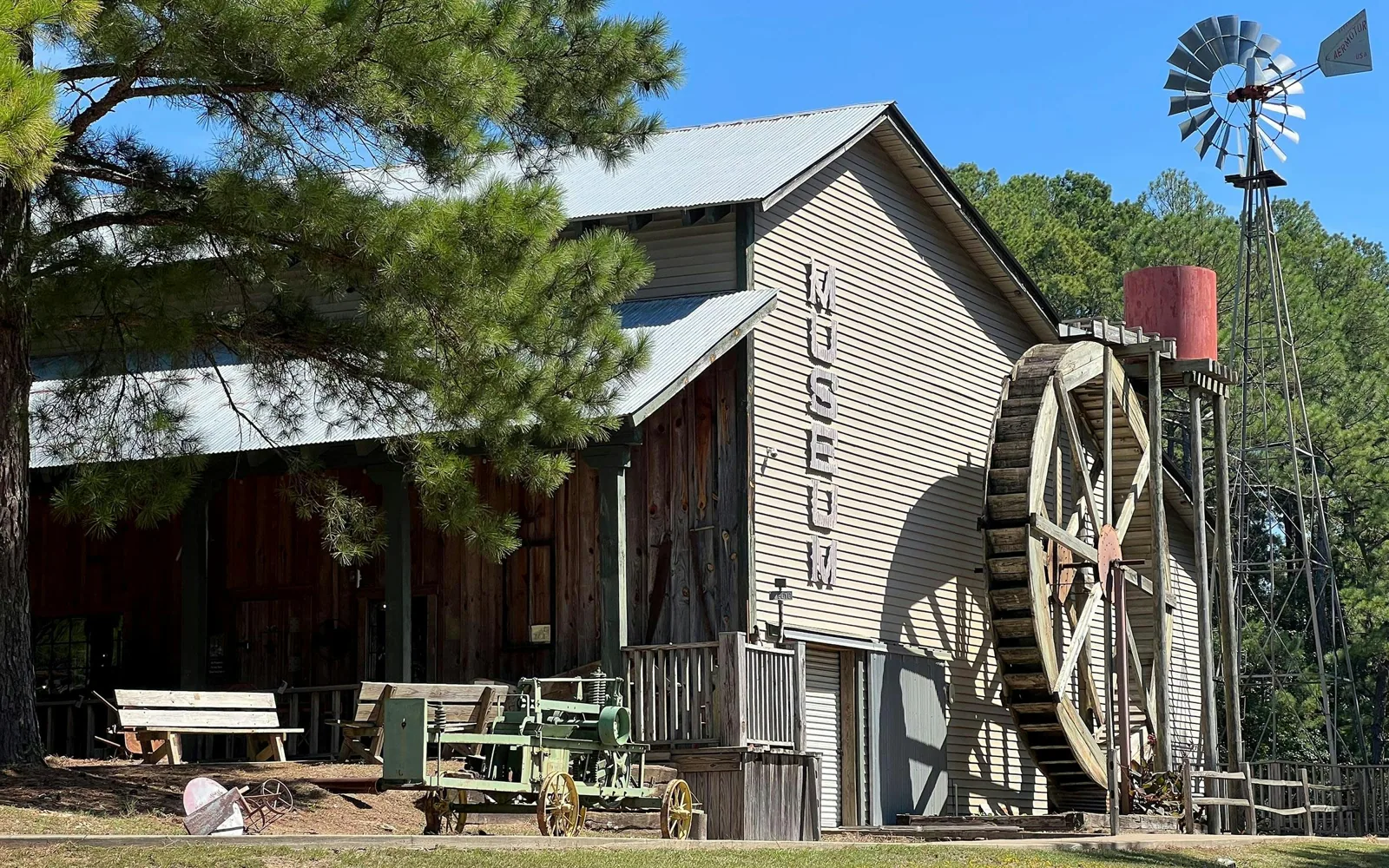
Lindale
Tyler, TX
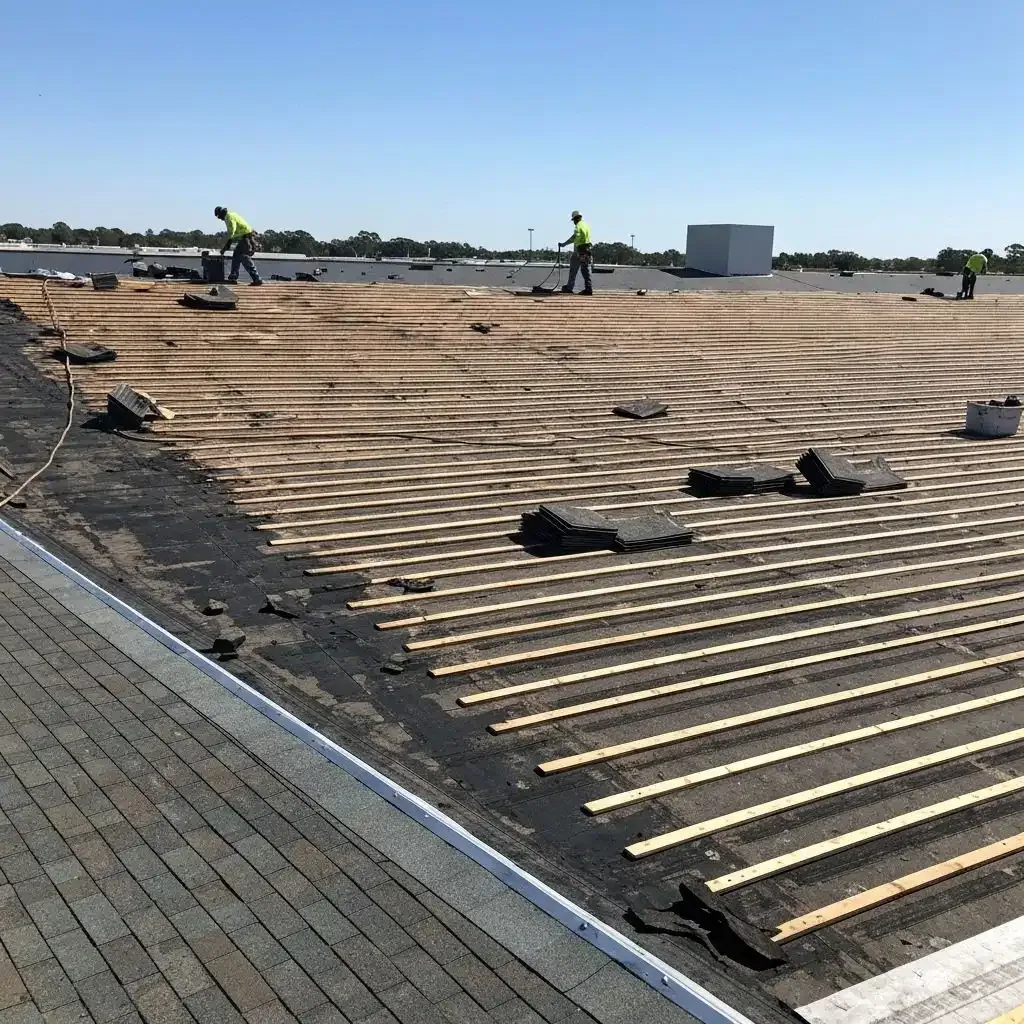
Occupied Building Reroofing
Tyler, TX
Prepare a Van roof work package
Share the roof plan, assembly records, access rules, current condition, and decision deadline. We will return a sequenced field plan with tests, protection, and approval points identified.