
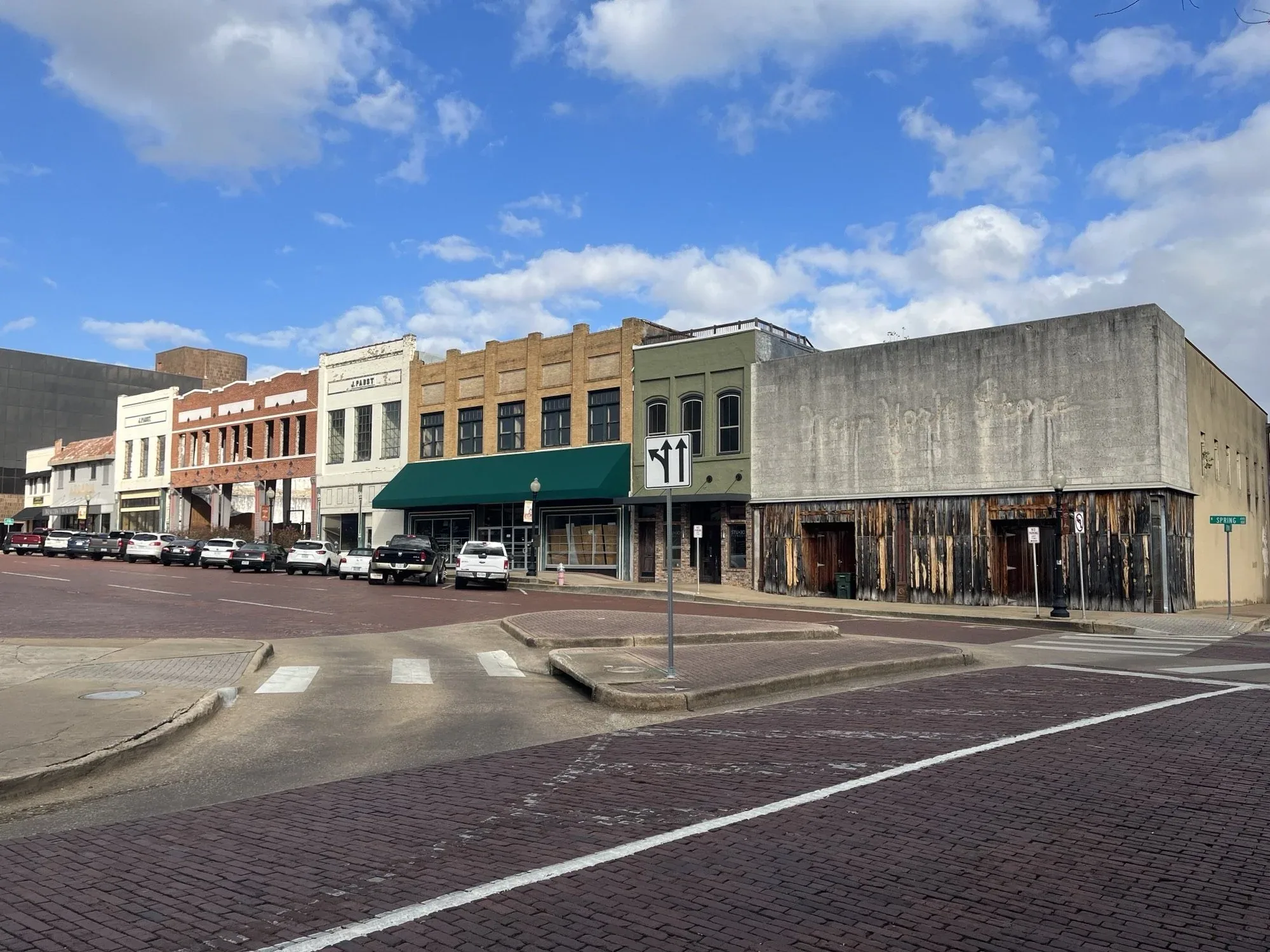
Commercial roof repairs in Noonday start with the building’s assembly, drainage, and the area that can be closed within the work period. In Noonday, commercial uses include food production, manufacturing, retail, equipment sales, storage, and local services, but the use alone does not identify the roof assembly. We start with the roof plan, access limits, and the condition that prompted the call. Seams, drains, curbs, edge metal, and prior patches are mapped by zone so the general contractor can separate a confirmed repair from a test or approval that remains open.
Nearby Tyler’s normal July high averages 94.5°F, so the work sequence reserves suitable periods for heat-sensitive preparation and installation. Before adhesive, sealant, or coating work, we check the actual surface and substrate against the product requirements. Spring and autumn storms across the region can bring hail and damaging wind, while Tyler's June 8, 2021 tornado record supports a separate wind-review conversation. A Tyler-area roof inspection can help coordinate a wider portfolio, but every building keeps its own findings and release points.
A roof walk tied to the operating use
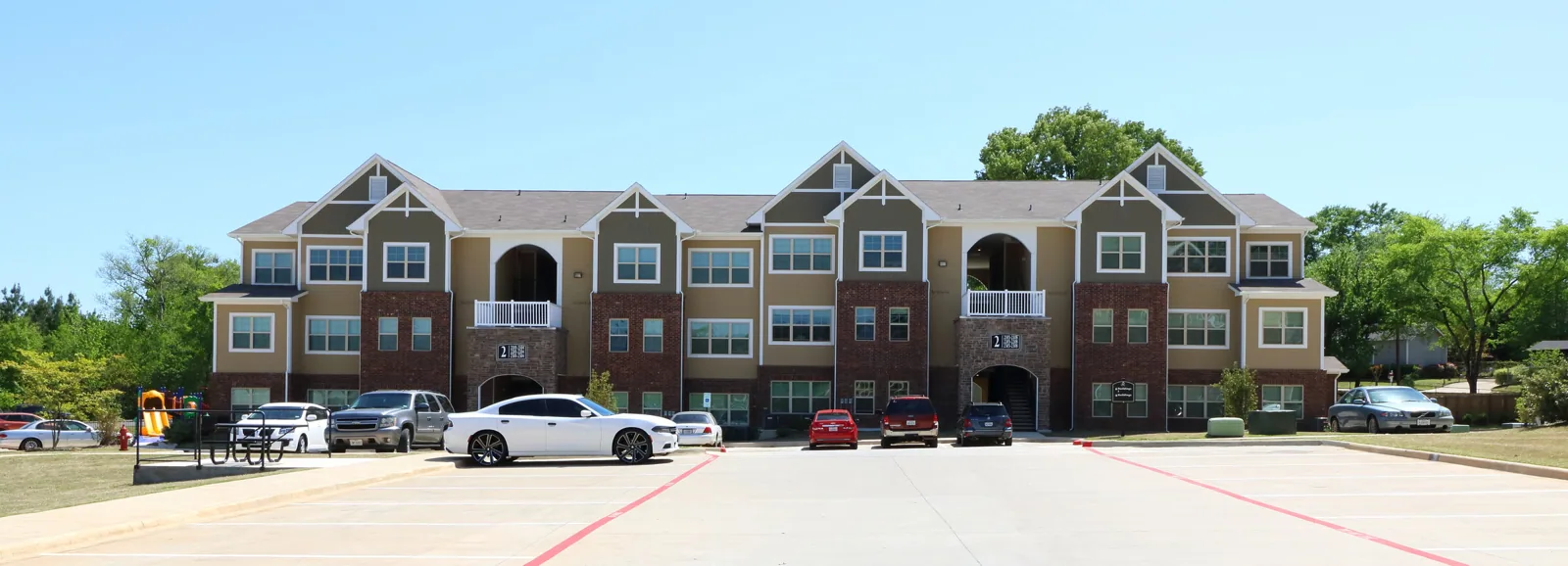
A food production area, storage building, or retail operation may have different limits for deliveries, exhaust equipment, odors, and interior protection. We collect those requirements before choosing the path across the roof. The field walk then identifies the membrane or metal system actually present, the condition of laps and fasteners, and the way water moves toward drains and overflow points. Noonday's mix of commercial services makes a coordinated work plan useful, while the roof itself determines which trade sequence applies. We also note equipment that needs clearance and any route that must stay open for the building's daily work.
We record the roof-zone finding with photographs and note areas that could not be reached. A commercial roof inspection can establish that baseline, and a photo-based condition report helps the project team compare open items with the roof plan. If a leak starts inside, we trace the likely path through the assembly rather than treating the ceiling mark as the opening. A targeted moisture test is useful when its result could change the repair boundary, recovery decision, or replacement quantity.
Heat-sensitive preparation
Tyler's July average high of 94.5°F is useful for seasonal planning, not for estimating a particular roof's surface temperature. A dark membrane, metal panel, or coated surface can read differently from the air, and application limits vary by material. We take a substrate reading, check the product instructions, and set a hold point before any bond-dependent step. If the adhesion window has passed, the affected work package moves to a safer period instead of being rushed across an exposed section.
That sequence matters during repair as well as restoration. We verify that old material can be removed cleanly, that the receiving surface is compatible, and that moisture has not weakened the surrounding layers. The TPO assembly option requires different seam and flashing checks from a metal roof or a coating system. For an existing roof, we compare the recommended preparation with its actual condition and keep quantities tied to the confirmed area. The crew handoff records the last completed detail and the next access release.
Hail, wind, and temporary protection
Spring and fall are the region's primary severe-storm periods, when hail and damaging wind can put exposed roof details under pressure. A tornado affected Tyler on June 8, 2021. At a Noonday property, the storm review starts with the reported event date, interior effects, and accessible roof details. Following a report, we photograph punctures, shifted edge metal, opened seams, flashing movement, and obstructed outlets by roof zone. Each observation stays distinct from an interior report until the likely water path and assembly are checked.
An active opening may need temporary water control before the permanent scope is ready. For an open roof condition, call us; we confirm dispatch, then record safe access, temporary barriers, and the exposed-section closeout before work resumes. We mark the protected area, materials used, and any condition still hidden, then identify who can release the next work period. A hail-damage roof review or wind-related repair scope keeps immediate protection distinct from the final repair. A report of damage is the start of the inspection, not a substitute for it.
Repair limits and replacement choices
A localized defect may support a repair if nearby material is stable and dry enough to receive a compatible tie-in. The removal limit is the approved boundary, and inside it we inspect the exposed substrate, prepare the receiving surface, and photograph the completed detail. Wet insulation, loose attachment, repeated seam failure, or deck damage can move the decision beyond a patch. We identify the test that would resolve the question and pause before adding unapproved removal or replacement quantities.
Another roof layer is considered only after the existing assembly passes review for moisture, attachment, drainage, layer count, and project constraints. If concealed wet areas or recurring failures cross several zones, replacement may be the more supportable path. The estimate separates tear-off extent, insulation or deck work, penetration and perimeter detailing, selected system, and access or weather allowances so the owner can see which item drives cost or duration. The repair work package can remain separate from a replacement comparison. New commercial projects in Noonday require permits, so we coordinate the proposed scope with the owner's project team and applicable review before work is released.
Closeout by roof zone
At the end of a shift, a useful closeout shows what is complete, which area remains protected, and what must be checked before another crew enters the roof zone. We attach photos to a marked plan and record the drain path, repaired detail, material, open test, and next approval. That keeps a handoff clear if production hours, deliveries, or access change. If the next work period moves because of heat or rain, the exposed-section status is still visible to the project team.
A property manager with work in both Noonday and Bullard can compare the records without carrying one building's condition into another. The Bullard service-area review follows the same discipline of confirming the assembly and access before setting quantities. We preserve prior repairs, inspection photographs, and test results as separate evidence, then update the next package only when the owner releases it. The result is a practical sequence, not an assumed roof profile based on a town's commercial activity.
Commercial Roofing Questions
Does a Noonday business type tell you which roof system is present?
No. The local commercial mix includes production, retail, storage, equipment, and service uses, but none establishes a particular property's roof. We review records and inspect the assembly before recommending a compatible repair or replacement path.
How is adhesive or coating work timed in a Noonday summer?
We check the actual substrate and surface readings against the selected product's limits. The work package names the heat window and hold point, then releases the step only when conditions fit the installation method.
What happens after hail or damaging wind is reported?
We first address safe access and any active opening, then map roof-zone conditions with photographs. Loose edges, punctures, seams, flashing, and drainage receive separate findings so temporary protection does not get mistaken for permanent repair.
When is a recover worth evaluating?
A new membrane layer belongs in the comparison only after moisture, attachment, roof count, drainage, and project requirements support that assembly. We inspect those conditions before estimating cover work. If a test could change the choice, we leave it as an approval point instead of pricing an assumption.
Which records help set the first work package?
Send the roof plan, available assembly details, access window, leak notes, operating limits, and decision date. We use them to organize the walk, identify open tests, and return a field sequence with the next approval point marked.
Related Pages
Tyler
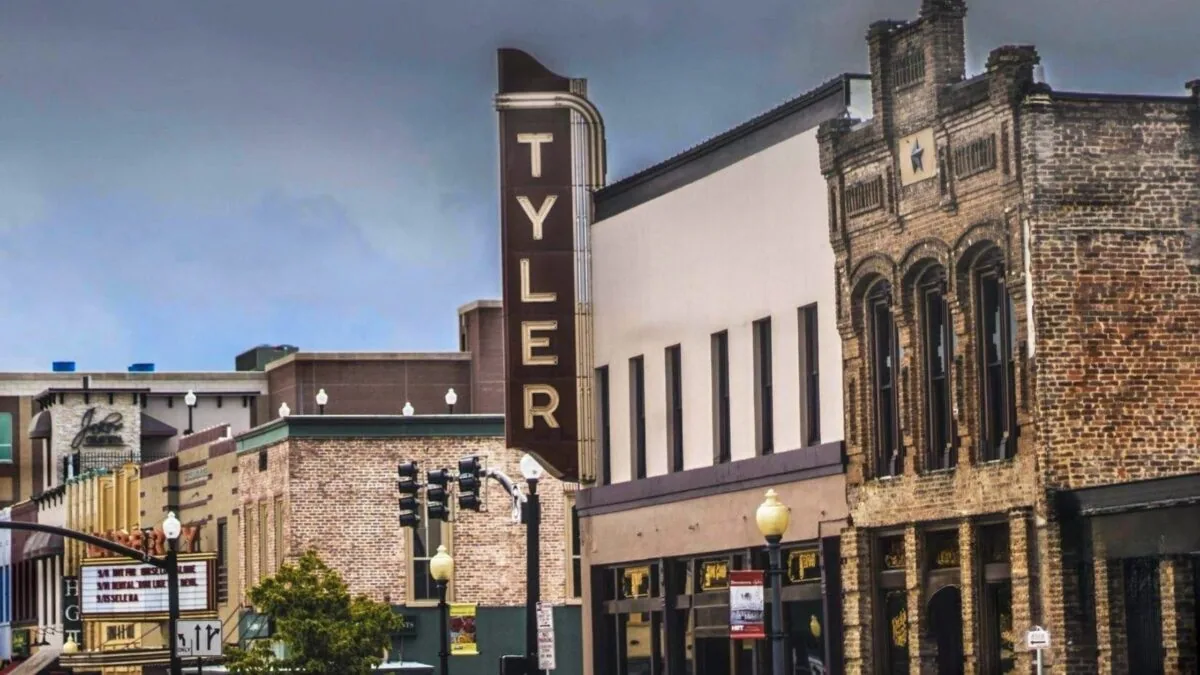
Tyler, TX
Commercial Roof Inspection
Tyler, TX
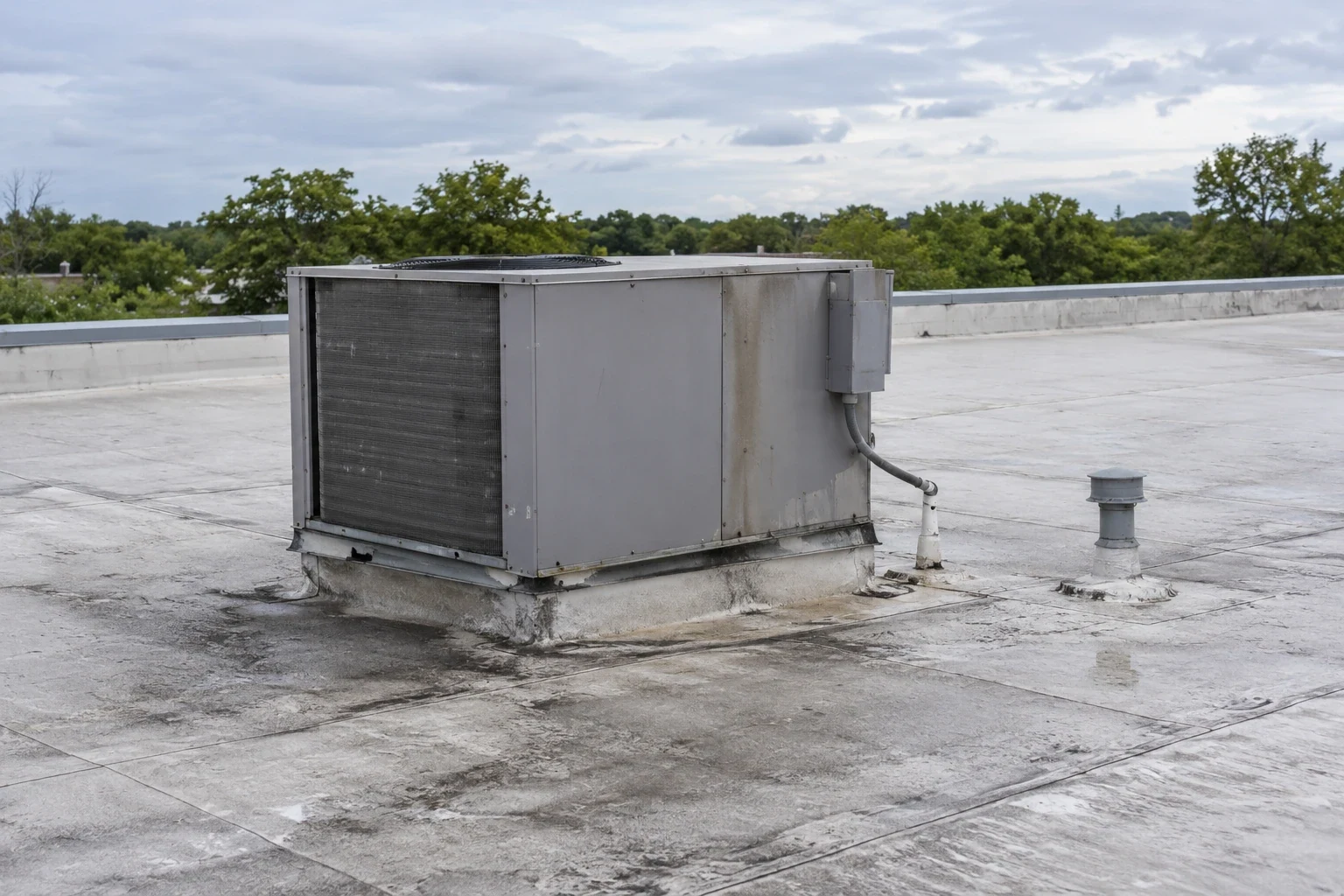
Commercial Roof Condition Reports
Tyler, TX
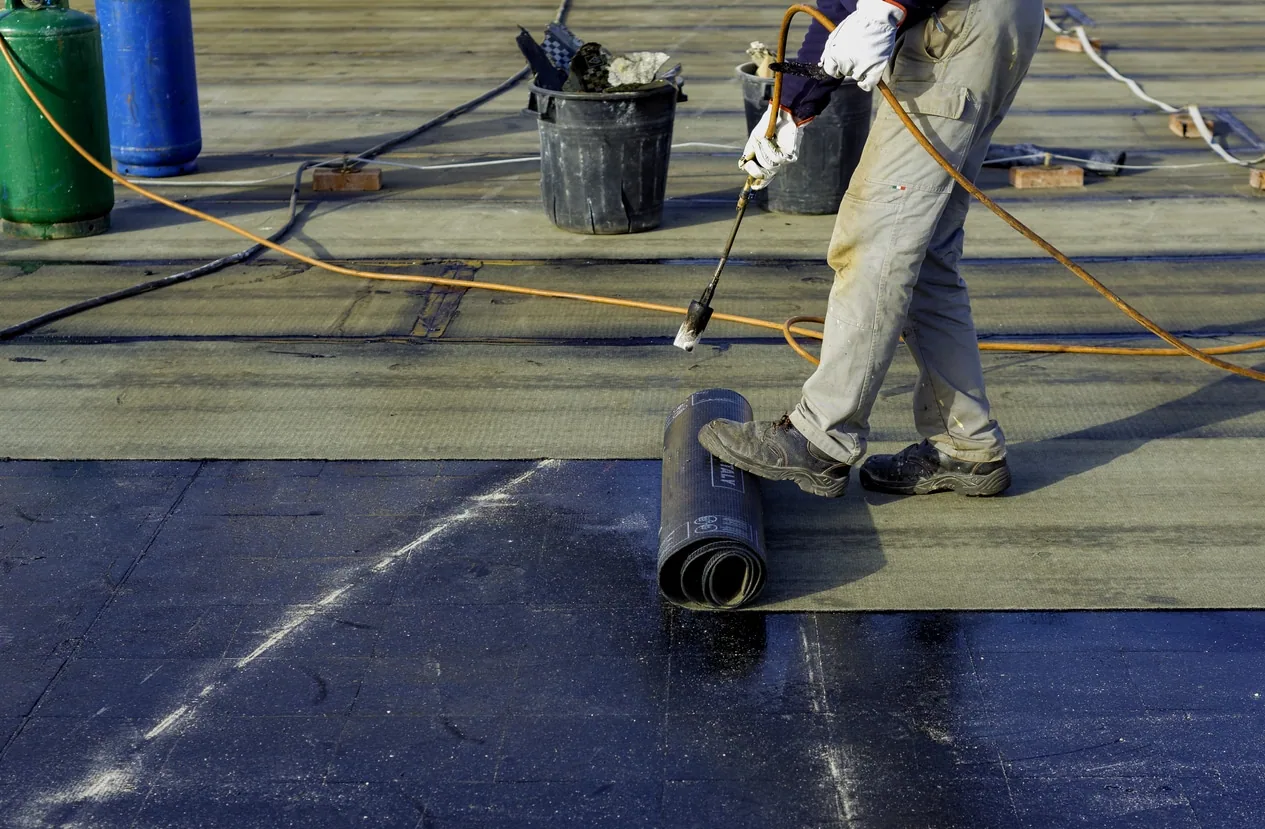
TPO Roofing
Tyler, TX
Set the first roof-zone release
Share the roof plan, available assembly records, access window, condition notes, and decision deadline. We will return a sequenced field plan with confirmed work, open tests, and hold points marked.