
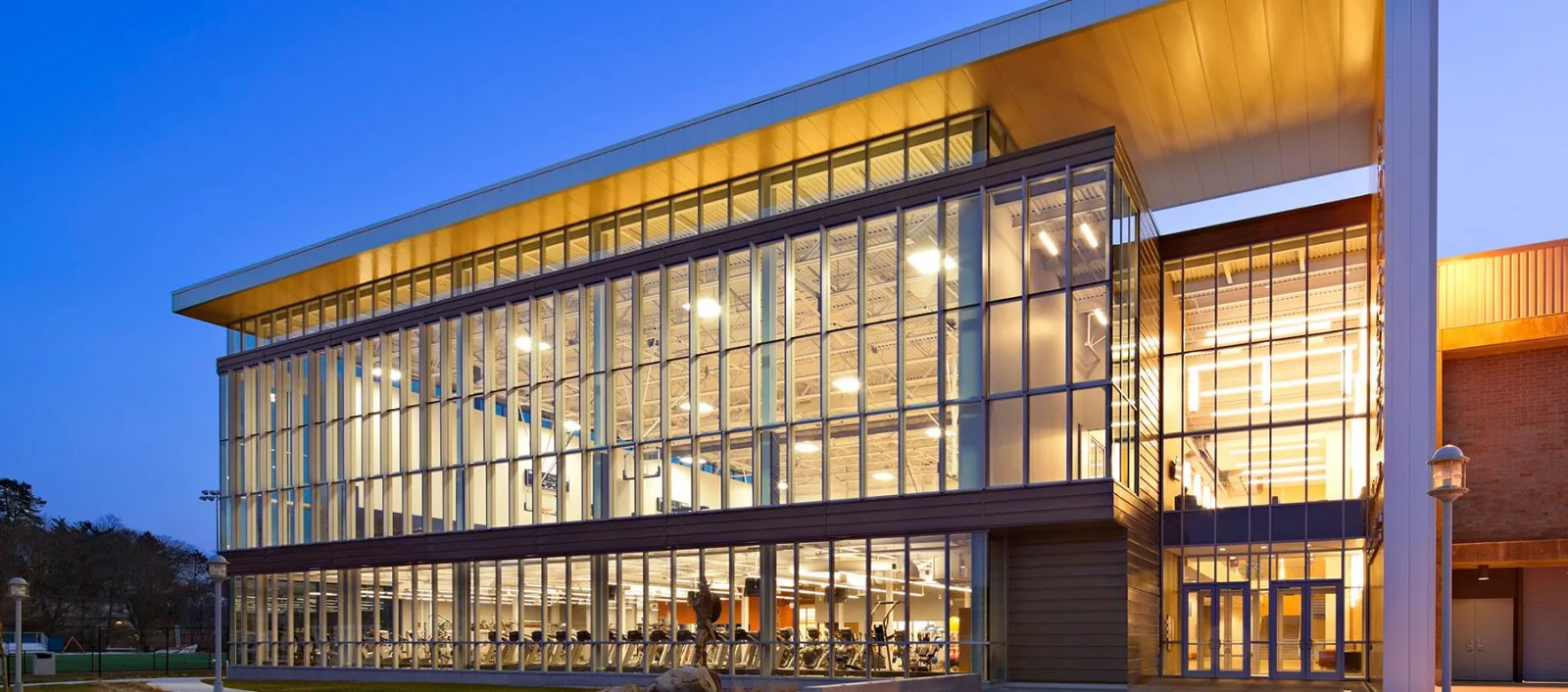
Along Lindale's U.S. 69 South commercial corridor, a roof scope begins with the building, not with a highway designation. The highway runs along the west side of a planned area that includes commercial and mixed-use parcels. That makes the corridor a broad service location, but it does not identify any one property's roof, tenant, access rule, or operating schedule. We confirm the roof plan and site conditions before defining the first work zone.
The U.S. 69 and I-20 intersection provides regional business access, interstate visibility, and regional rail connectivity. Those regional characteristics can affect project logistics, but delivery route, staging, and material handling still require property-level confirmation. Tyler's normal July high averages 94.5°F, so the crew checks current substrate conditions before adhesion-sensitive work. A commercial roof inspection records the assembly and the next release point.
A corridor designation is not a roof survey
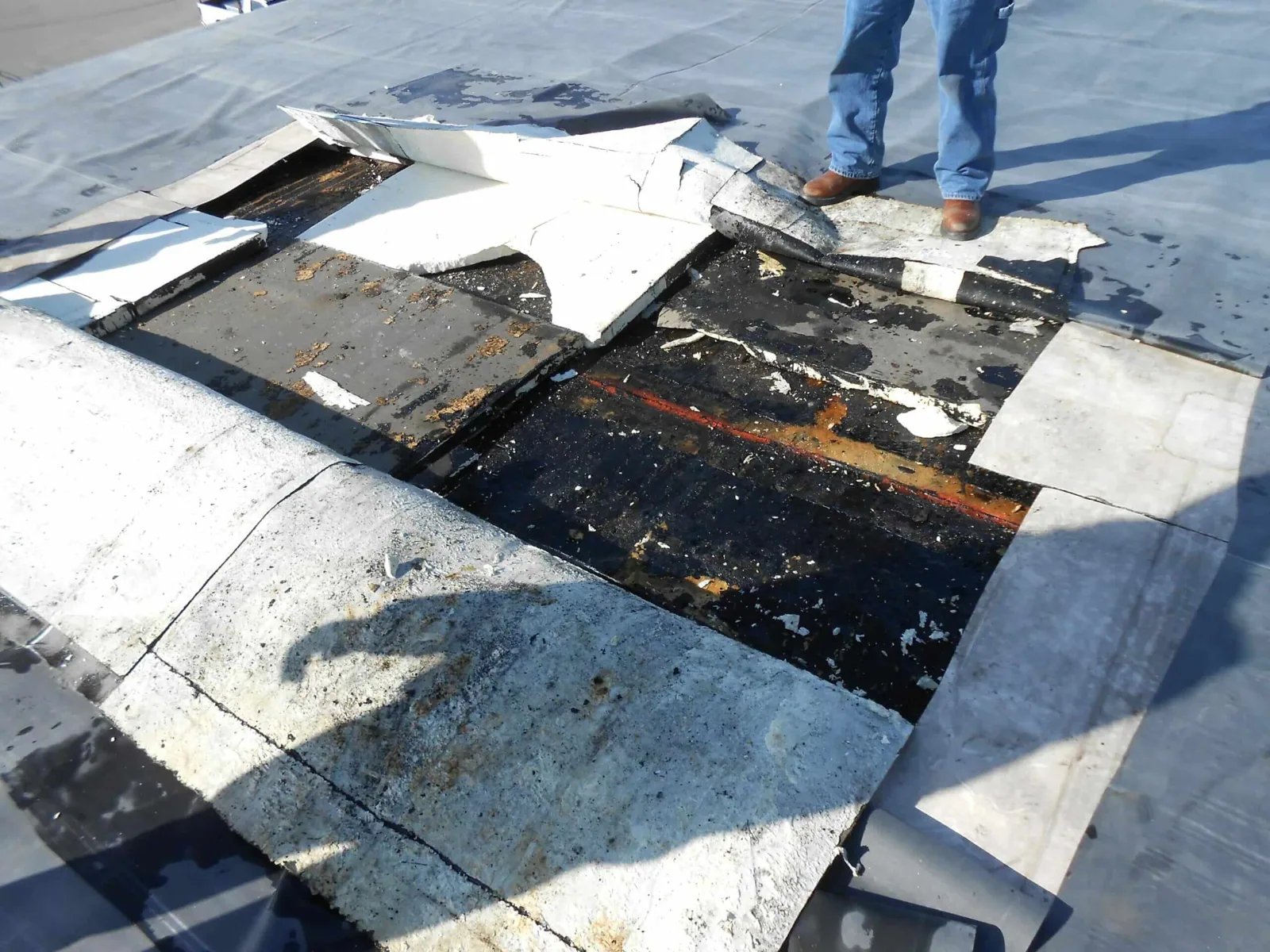
The mapped U.S. 69 South area includes C-1 convenience and neighborhood commercial as well as C-2 community and regional commercial designations. Planned land use also includes a mixed-use component. These labels describe land-use categories across parcels; they do not establish current construction, occupancy, roof area, or system type. We inspect the actual building and record what is visible, what remains concealed, and which finding requires an approved opening.
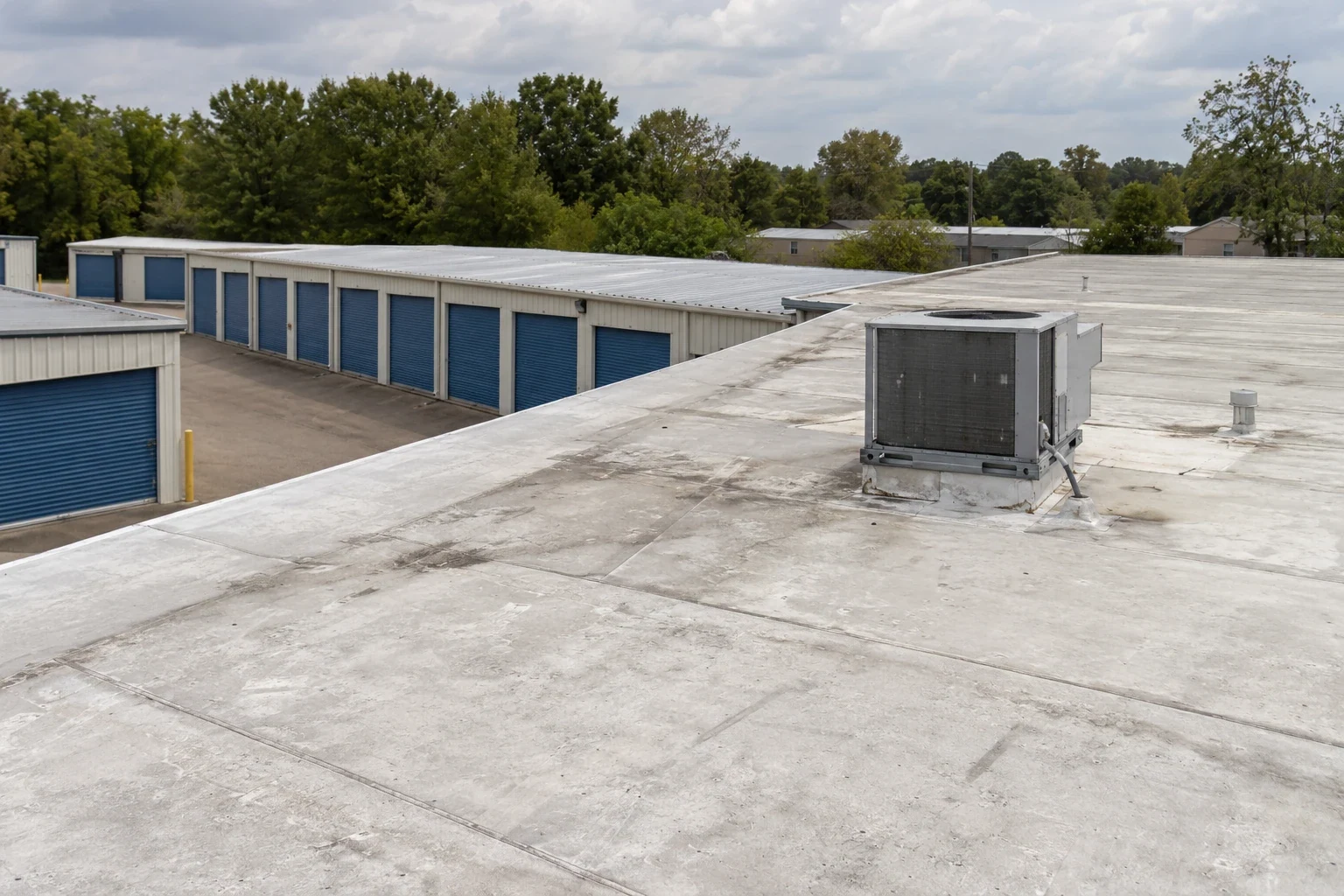
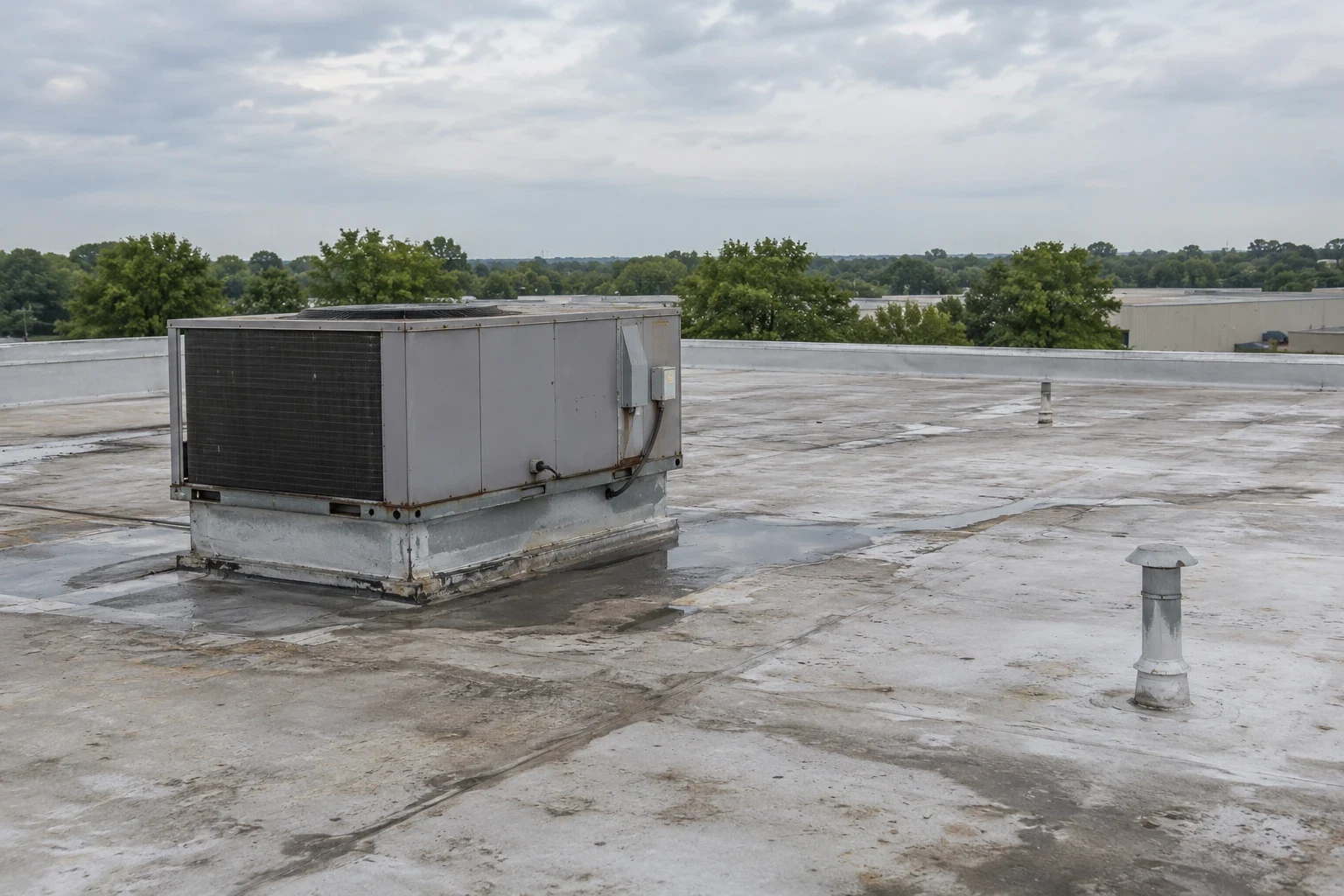
At a first walk, we trace the reported leak and check membrane seams, perimeter metal, wall flashings, penetrations, curbs, and drainage. A ceiling stain may sit far from the entry point, so photos and roof-plan marks keep the boundary tied to evidence. If a portfolio includes the East Centennial corridor or Lindale Business Park, each receives its own field record. A condition report carries confirmed observations into the approval discussion without transferring an assumption between properties.
Delivery, access, and crew handoff
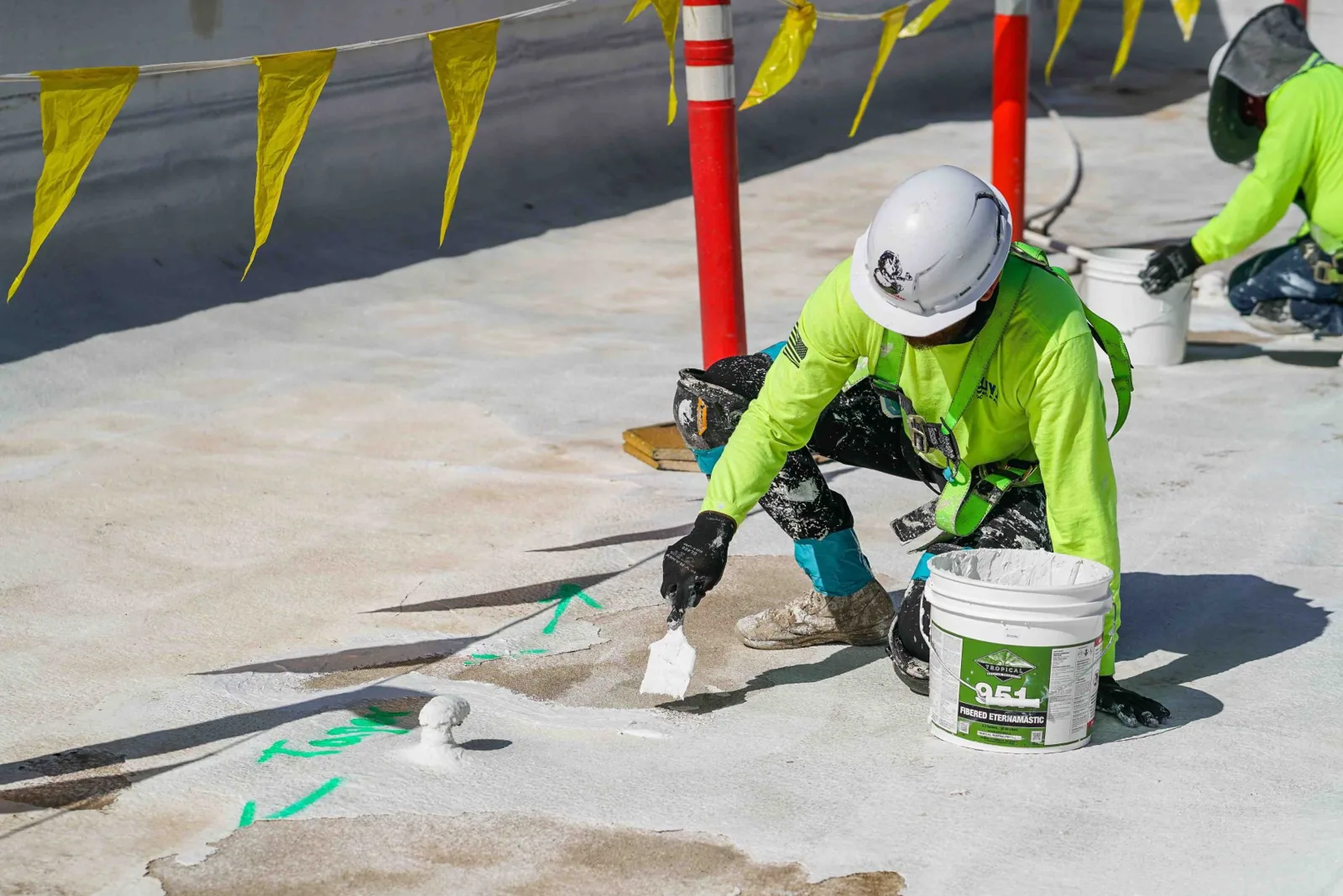
Regional access does not answer where a truck can unload or whether a loading area is active. Before mobilization, we confirm gate hours, truck limits, roof hatch access, staging space, equipment restrictions, and the parts of the property that must remain open. When a building operates during the work, those conditions determine the size of each roof zone and the timing of noisy or disruptive steps. The general contractor receives a sequence with the next access release and responsible contact named.
Rail connectivity in Lindale's business context does not mean a roofing project can use a rail spur or that a property is rail-served. We plan around the access the site actually provides. Materials are staged to avoid unnecessary movement across finished or occupied areas, and removed components receive a defined route off the roof. A multi-property work program can coordinate dates while preserving each building's separate condition log. A work plan for an occupied building records shutdown windows, protected entries, and trade handoffs before removal begins.
Heat readings and storm exposure
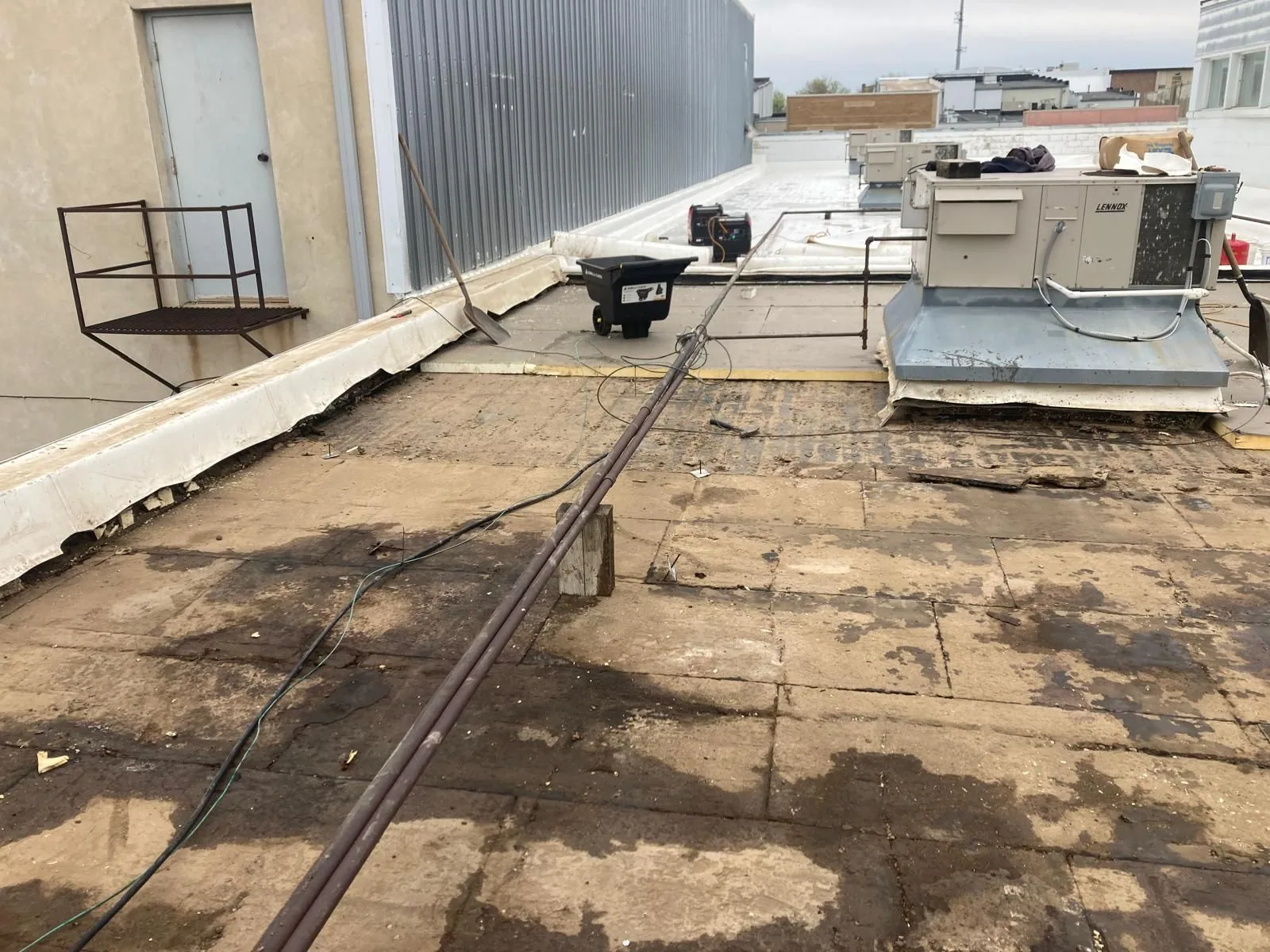
Tyler’s normal July high is 94.5°F, so summer scheduling needs room to move heat-sensitive preparation into a suitable work period. Before an adhesion-dependent operation is released, we measure the substrate and compare the selected primer, adhesive, sealant, or coating with its installation limits. The work package identifies the adhesion window and the step that remains on hold if conditions fall outside that range. A different task may proceed only when it does not expose the assembly or create a poor tie-in.
Spring and autumn severe thunderstorms in the Texas service region can bring hail and damaging wind. That regional risk can make a roof review timely, but it cannot be used as proof of damage along U.S. 69. We photograph observed impacts, displaced metal, open laps, flashing movement, and blocked drain paths by zone. If temporary water control is needed, it receives its own boundary and closeout before a permanent repair is priced. A wind-related inspection keeps edge and flashing findings separate from hail observations and interior reports.
Repair, restoration, or replacement
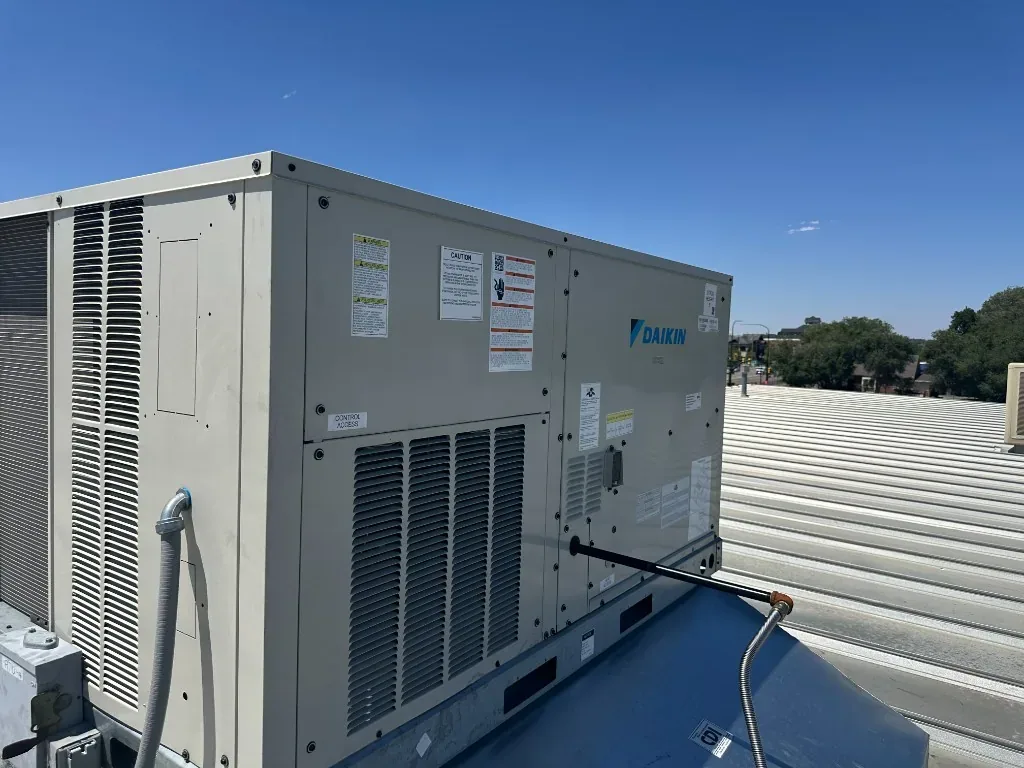
A local membrane defect with sound surrounding material may support a repair. Repeated seam openings, widespread moisture, poor attachment, or deck concerns can require a wider work boundary. We compare repair, recover, coating restoration, or replacement only after the assembly, drainage, test results, and project requirements support the option. A recover requires a stable, sufficiently dry existing assembly, acceptable roof count, and details that can be tied into the selected system. If a test shows a different layer count, the owner receives the change before removal expands.
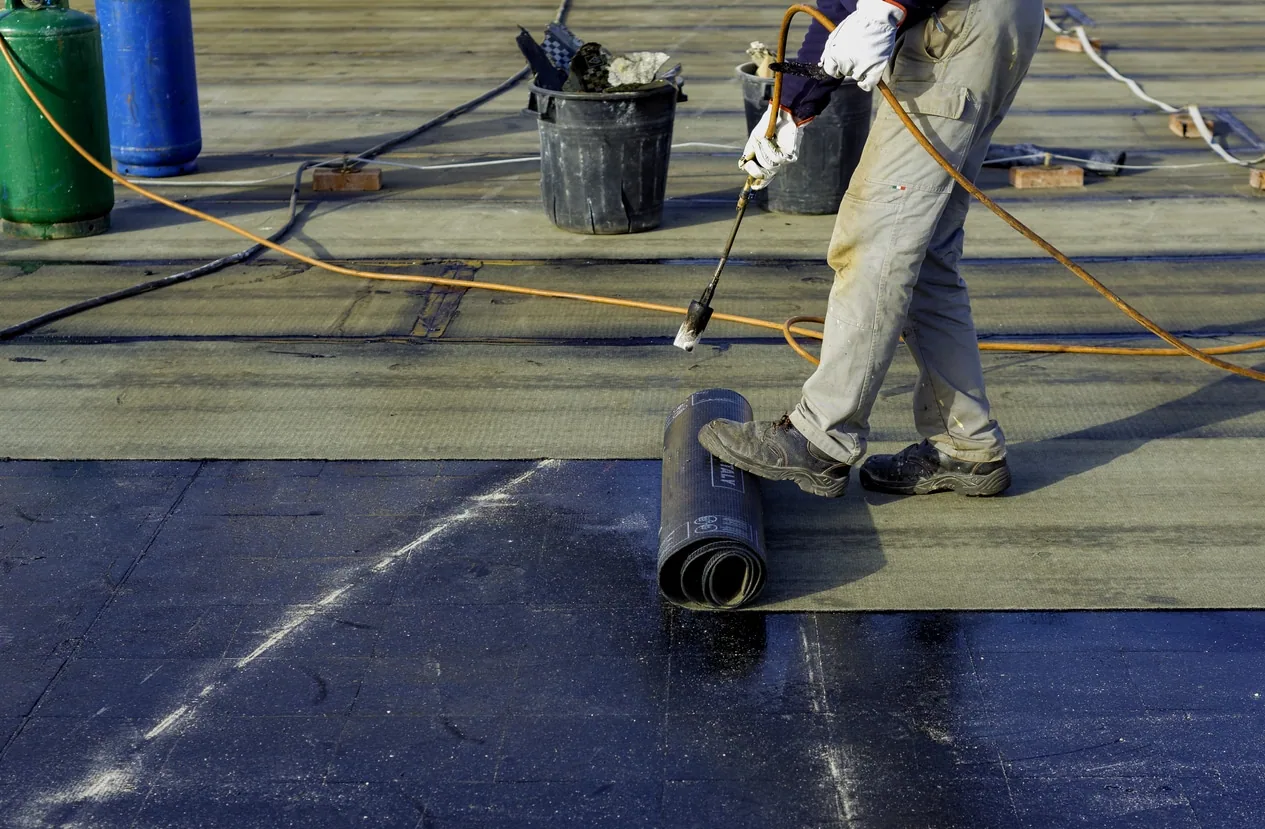
Cost and duration move with roof height, access, penetrations, staging, removal depth, insulation or deck work, edge metal, operating hours, and weather holds. The repair package states preparation and tie-in; a replacement decision adds tear-off depth, drainage, and inspection points before cover-up. For a membrane option, a TPO system review checks compatible seams and terminations against the existing roof and plans. Coating is considered only when the substrate, attachment, and preparation are suitable, not as a way to hide moisture below. For either scope, we mark the tie-in, edge termination, and inspection point before the crew covers the assembly. If a test changes what can be reused, quantities are revised for approval before the work area grows. The record leaves the next trade a defined access boundary and a clean release condition.

Closeout before the next shift
The shift record shows the zone completed, the drain path, open tests, material installed, and any exposed section protected for the stopping period. Photos identify the detail that must be reviewed before concealment. A weather delay names the affected task and the condition needed to resume. If another trade needs the area, the release note states whether access is clear or the roof remains held. That handoff gives the site team a current view of the work instead of a general progress label.
For a portfolio that also reaches Lindale's broader service area or Tyler, we keep the corridor map and each roof inspection distinct. Send the roof plan, assembly records, operating restrictions, current condition, and decision date. We return a sequenced field package with measured quantities, unresolved tests, and approval points identified. A clear release protects the roof assembly and gives the next crew a practical starting point.
Commercial Roofing Questions
Does the U.S. 69 South land-use map show what roof a property has?
No. The map describes commercial and mixed-use categories over multiple parcels. We identify the assembly from available records and inspection, then document attachment, seams, drainage, and concealed questions before recommending work.
Can a regional access point determine delivery staging?
It provides area context only. We confirm the property's truck route, gate schedule, unloading area, loading limits, and roof access before mobilization. The field plan names any restriction that changes the crew handoff.
What makes a repair boundary expand?
Repeated openings, moisture beyond the visible defect, unstable attachment, or deck damage can widen the affected area. We stop at the authorized limit, document the exposed condition, and request approval before increasing removal or quantities.
How do you keep summer installation steps within product limits?
We check the current surface and substrate readings against the material instructions. Tyler's July normal is a seasonal reference, while the project reading governs the task. If the adhesion window is missed, we record the hold and protect the exposed area.
What belongs in a shift closeout?
The record includes the finished zone, drain path, temporary protection, installed material, open tests, and next release condition. Photos mark details that still need review. The general contractor can then coordinate the following crew or trade against the actual roof status.
Related Pages
Set a Lindale corridor roof walk
Share the roof plan, assembly records, loading and access rules, current condition, and decision deadline. We will return a sequenced inspection and work package with hold points marked.