
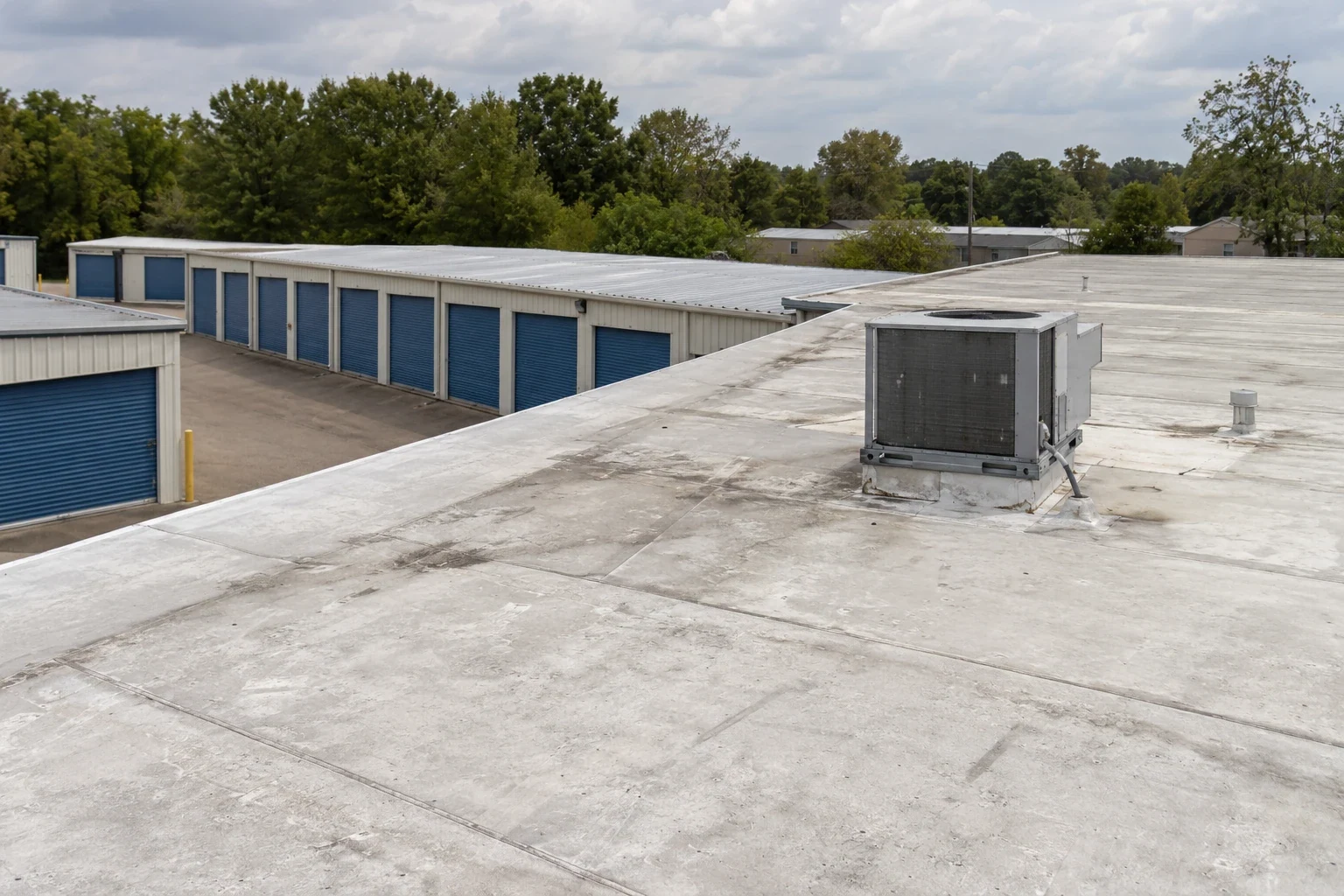
A roof package in Lindale's East Centennial and I-20 north corridor starts with the parcel and assembly, not the corridor label. This area north of Interstate 20 lies within Lindale’s commercial growth area, with multiple parcels and existing roads. Its land-use designations include neighborhood and regional commercial as well as mixed-use planned development. Those categories establish a broad multi-property service area, not the roof type or access conditions at a specific address. We confirm the building, operating schedule, and roof plan before setting a work boundary.
Tyler's 94.5°F July normal sets the market's summer baseline, while a Lindale work release still depends on the temperature measured at the assigned roof zone. Our first walk records seams, penetrations, edges, drains, and transitions by zone, then assigns each finding an inspection or approval point. A commercial roof inspection gives the general contractor a usable starting record before removal, recovery, coating, or repair is released.
Separate parcels, separate roof decisions
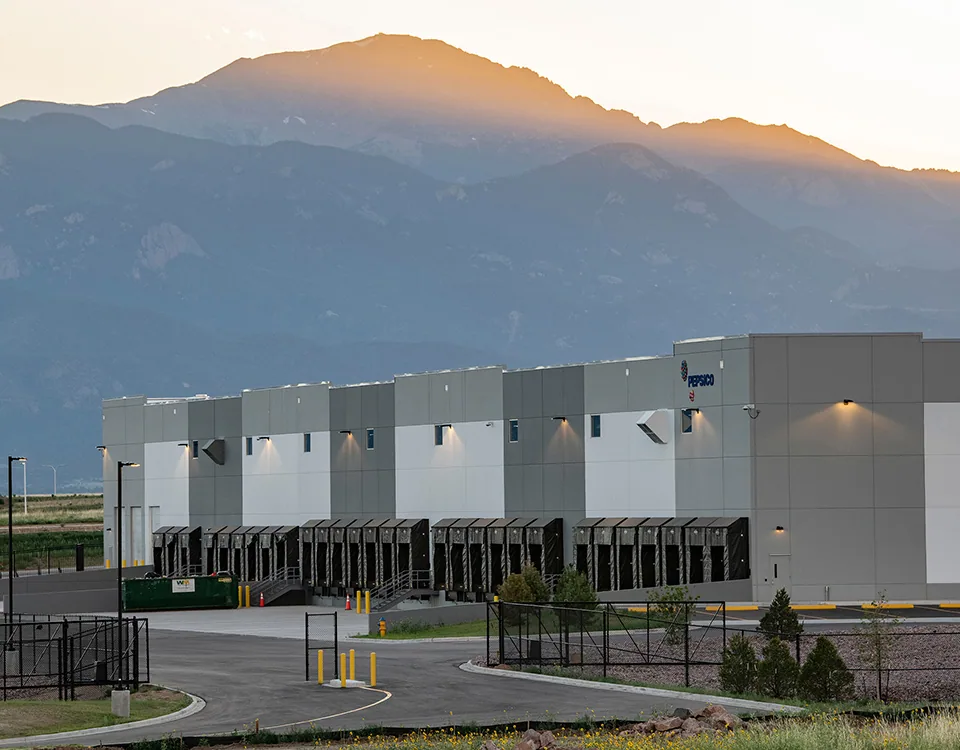
The East Centennial and north-parallel corridor covers multiple parcels and roads, with planned uses ranging from convenience and neighborhood commercial to community and regional commercial. A planned designation does not tell us whether a particular building is occupied, what its roof contains, or how material can be delivered. We verify those conditions with the property contact. The access sheet records gate hours, loading limits, hatch access, equipment restrictions, and the area that can be staged without interrupting operations.
For a multi-property owner, we do not copy the first building's assembly notes onto the next. Each roof gets its own record for membrane, attachment, insulation, deck concerns, drainage, and prior repairs. Photos are tagged by zone, and any test opening is mapped to the approved boundary. The roof-condition report separates visible findings from concealed questions. A nearby Lindale Business Park or U.S. 69 South corridor may have a different plan context, but the same rule applies: inspect each roof before assigning scope.
The walk that sets a repair boundary
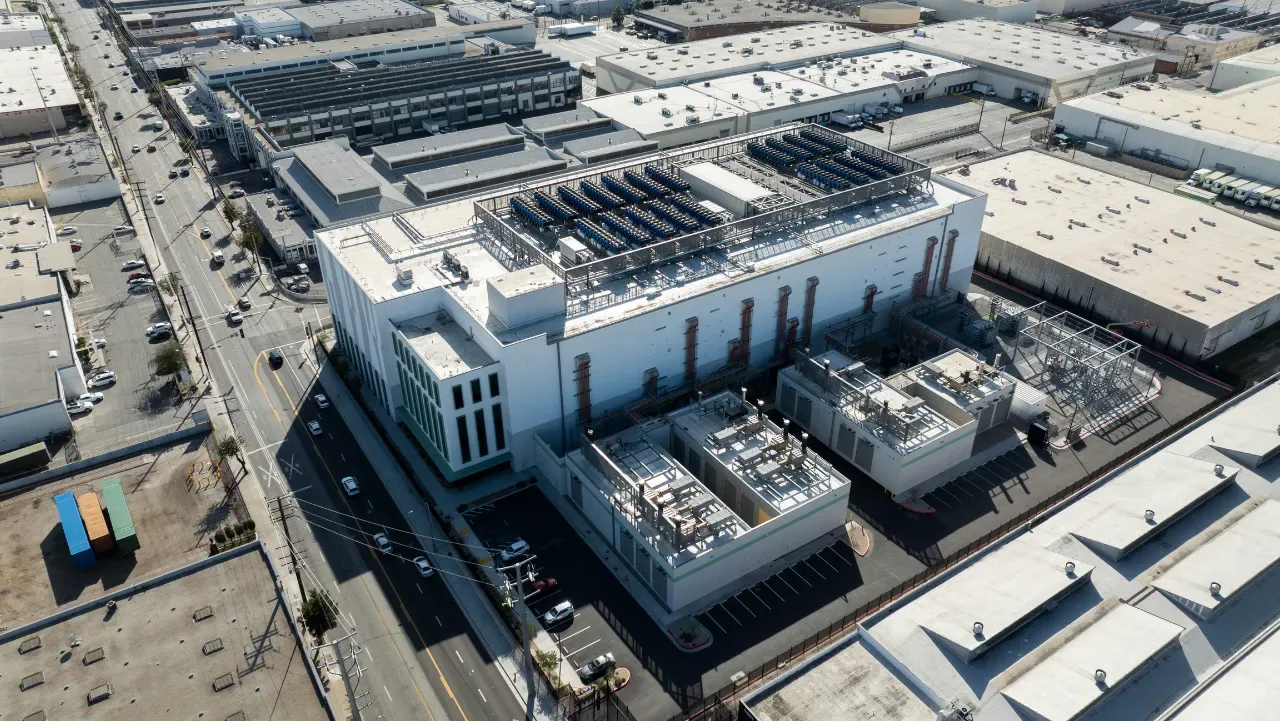
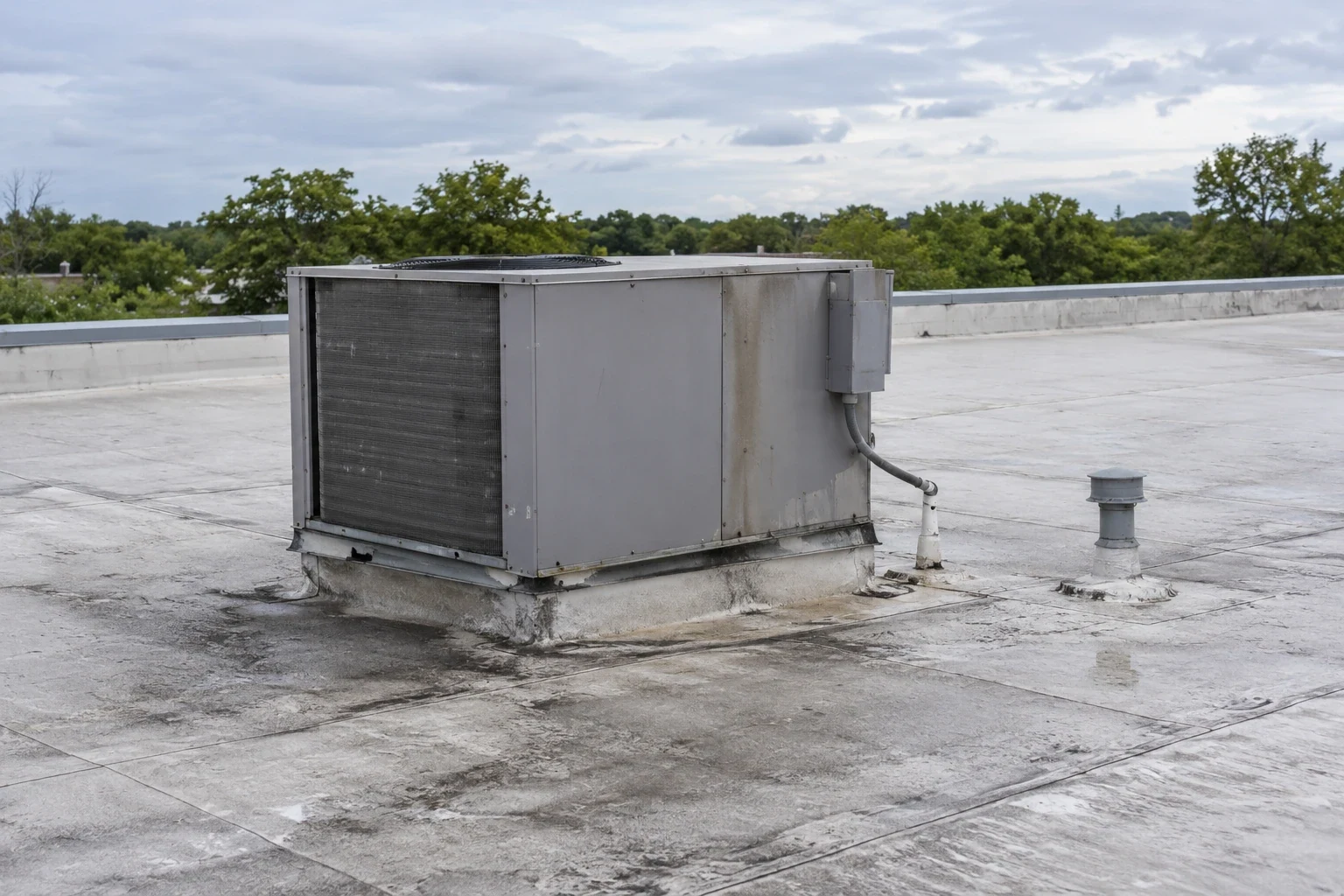
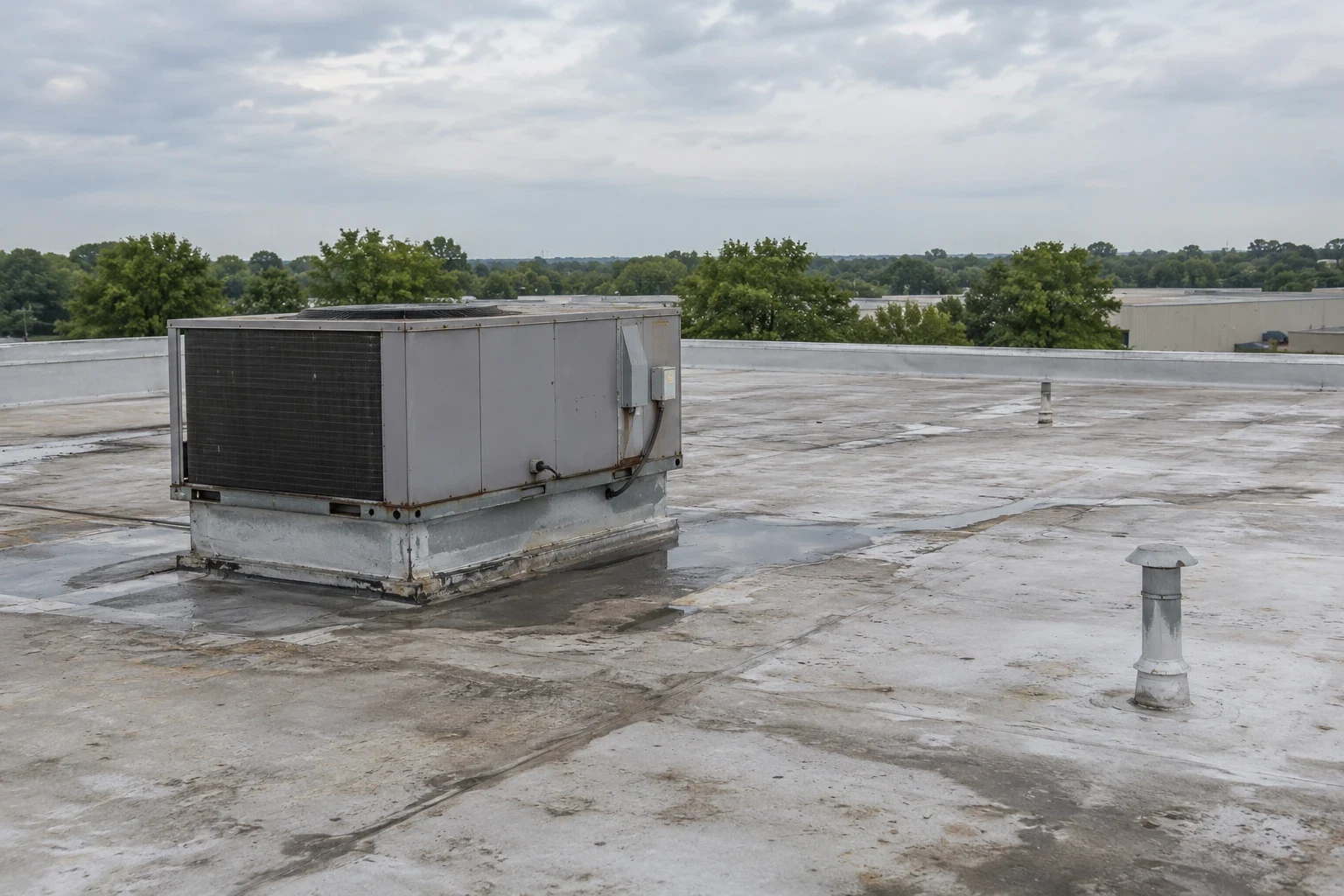
On a low-slope roof, water can move beneath the membrane before it appears in an occupied room. We compare leak reports with field seams, perimeter metal, wall flashings, penetrations, curbs, and drain paths. The record notes open details, prior patches, ponding indicators, and inaccessible areas. If moisture or attachment beneath the surface could change a repair into broader removal, we mark a test point and wait for owner approval. The crew does not extend the opening beyond the released limit.
A corridor may support different commercial uses over time, but a planning map does not establish the current tenant, roof system, or operating restriction of a property. We ask for those facts directly and schedule the walk around the actual building. A moisture survey can help target follow-up checks when conditions suit the method. It does not replace a selective opening if the decision turns on concealed layers. For a broader visual record, a drone roof survey can document accessible roof areas and identify questions for hands-on review.
Heat window and exposed-section protection
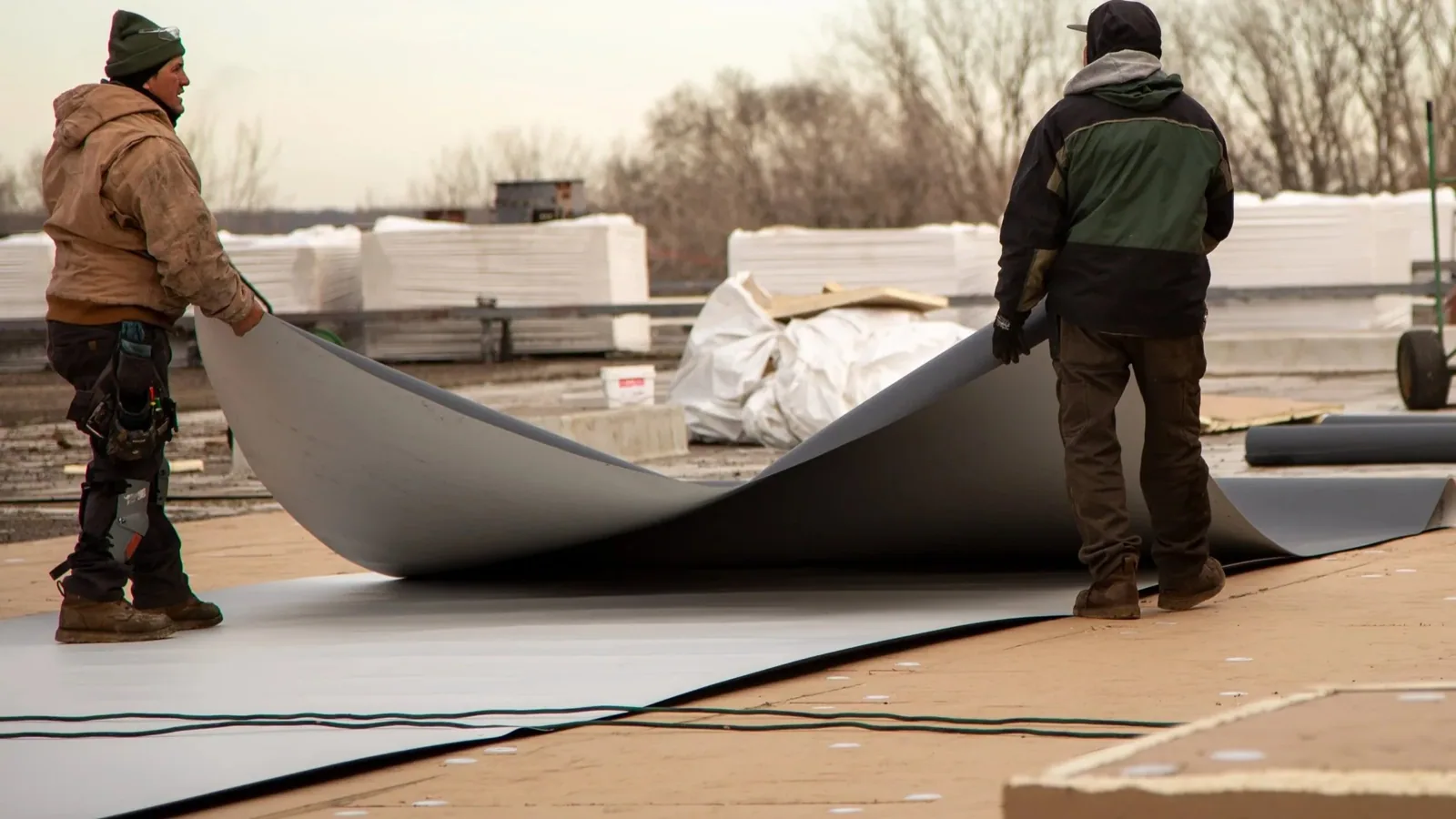
A shaded flashing and an open membrane field can need different preparation windows during Lindale summer work. Before applying adhesive, primer, sealant, or coating, we check the substrate and compare current conditions with the chosen product instructions. An adhesion window belongs to the actual roof zone and preparation step. When conditions miss the permitted range, that operation holds. We record the weather delay, keep the section protected, and identify what must be true before the next crew handoff.
Hail and damaging-wind threats rise with severe thunderstorms in the Tyler region, particularly during spring and fall. That hazard context may make a post-event inspection timely; it does not prove a corridor property has damage. We photograph actual punctures, open laps, displaced edge metal, flashing movement, and debris before disturbing evidence when conditions allow. A hail review distinguishes observed impact from a wind-related edge condition, while temporary water control stays separate from permanent repair. The emergency response can address an active opening while the final scope awaits inspection and release.
Assembly choice after the test point
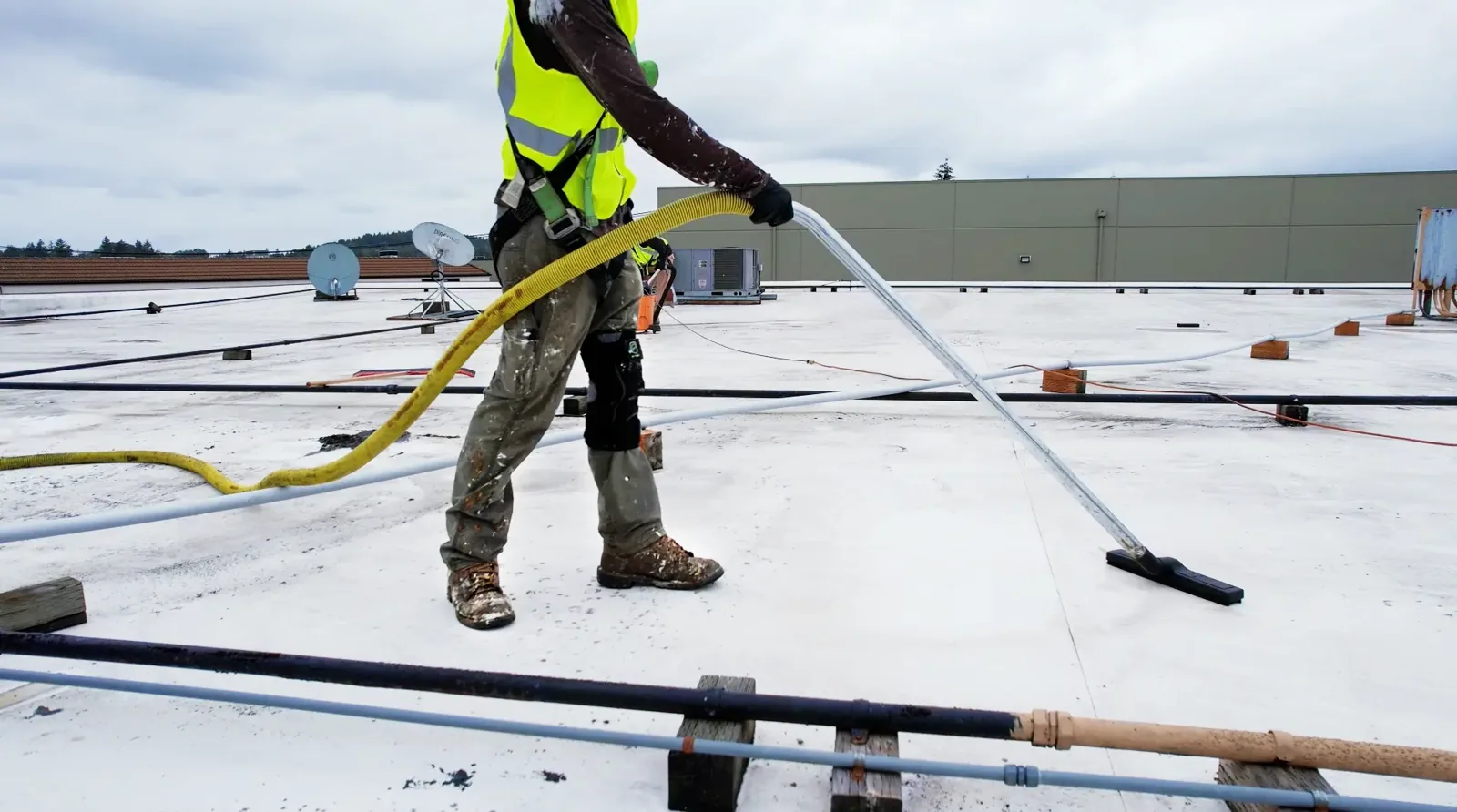
A patch can fit a localized defect when the surrounding membrane, insulation, and attachment remain suitable. Repeated seam openings, wet layers, weak attachment, or compromised deck conditions may change the repair boundary. Before comparing a recover, coating, or full replacement, we check roof count, drainage, edge details, compatibility, and any project requirement that affects the assembly. A TPO system review or another membrane option must account for seams, penetrations, and perimeter terminations, not just the field sheet.
When testing changes the assumed layer count or moisture extent, the owner receives the finding and the cost implication before additional removal begins. Price and duration also move with roof height, equipment density, delivery route, staging, insulation or deck repairs, occupied hours, and weather holds. A repair work package shows preparation, tie-in, and closeout; a replacement scope adds removal limits, drainage corrections, and inspection hold points. Restoration is considered only with a compatible substrate and a defined preparation standard. Before the crew starts, we also confirm how removed material will leave the roof, where tools can be staged, and what condition ends the shift. Those details affect duration as much as the membrane work when a property has active operations or limited access. The closeout identifies each completed tie-in and any section held for a later inspection.
A release record for each property
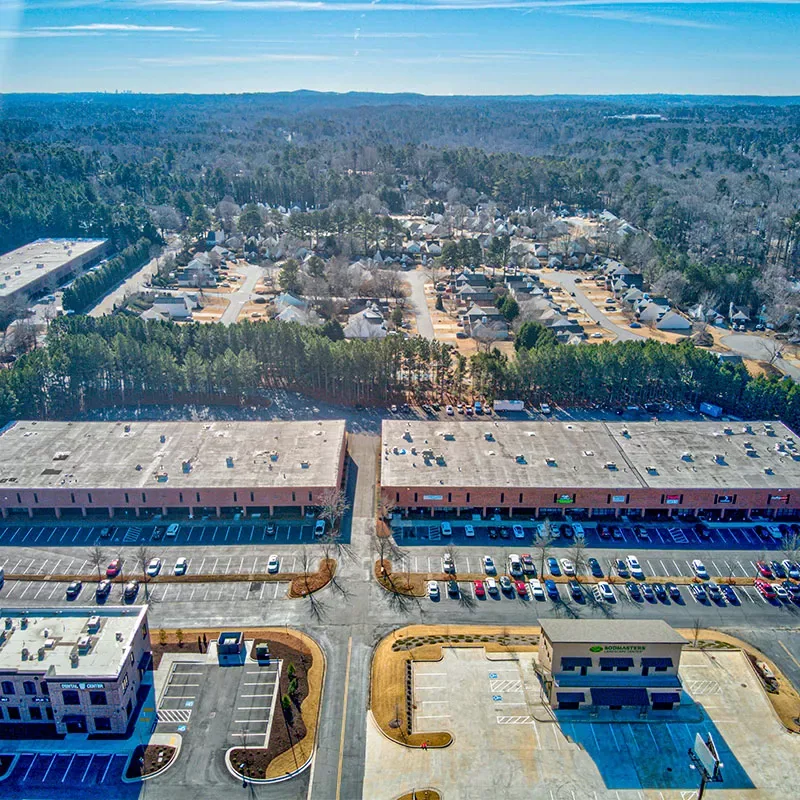
Every shift closes with the completed roof zone, remaining test, drain path, exposed materials, and next release condition identified. We attach photos to the plan and record which detail must be reviewed before it is concealed. If operations, weather, or another trade change the schedule, the general contractor can see what is safe to continue and what remains held. That record keeps the work package connected to the property rather than a general corridor schedule.
For a portfolio spanning the Lindale service area and the Tyler market, every building receives its own inspection map, access window, and repair authorization before crews mobilize. Share the assembly information, roof plan, access rules, condition notes, and decision date. We return confirmed work, unresolved tests, approvals, and roof-zone releases in sequence. The next crew can then pick up the task without treating a planned land use as a field inspection.
Commercial Roofing Questions
Does the land-use map identify roofs that are ready for replacement?
No. It describes planned commercial and mixed-use categories across multiple parcels. We inspect each building and review its roof records, attachment, drainage, moisture, and repair history before recommending a scope.
Can nearby parcels share one access and staging plan?
Only when their property rules and operating conditions support it. We confirm delivery routes, gate hours, loading limits, and roof access for each site. Separate zone records prevent a release at one building from being mistaken for approval at another.
What would make a recover a poor fit?
Wet insulation, unstable attachment, excess roof layers, drainage problems, or incompatible details can rule out another assembly. We test where a concealed condition changes the decision and document the result before expanding removal or pricing a recover.
How do you handle a storm report before the roof is inspected?
We establish safe access and temporary water control if needed, then photograph conditions that can be reached. Hail or wind history is context; observed damage and approved tests set the repair boundary. The permanent scope follows after the assembly is reviewed.
Which records should be available before mobilization?
Provide the roof plan, assembly and repair records, access rules, operating hours, and the decision deadline. We use them to map the walk, plan material delivery, mark hold points, and identify the person who can release each work zone.
Related Pages
Commercial Roof Inspection
Tyler, TX
Commercial Roof Condition Reports
Tyler, TX

Lindale Business Park, Lindale
Tyler, TX
Release a corridor property for inspection
Send the roof plan, assembly records, property access rules, current condition, and decision deadline. We will return a sequenced work package with tests, preparation, and closeout points marked.