
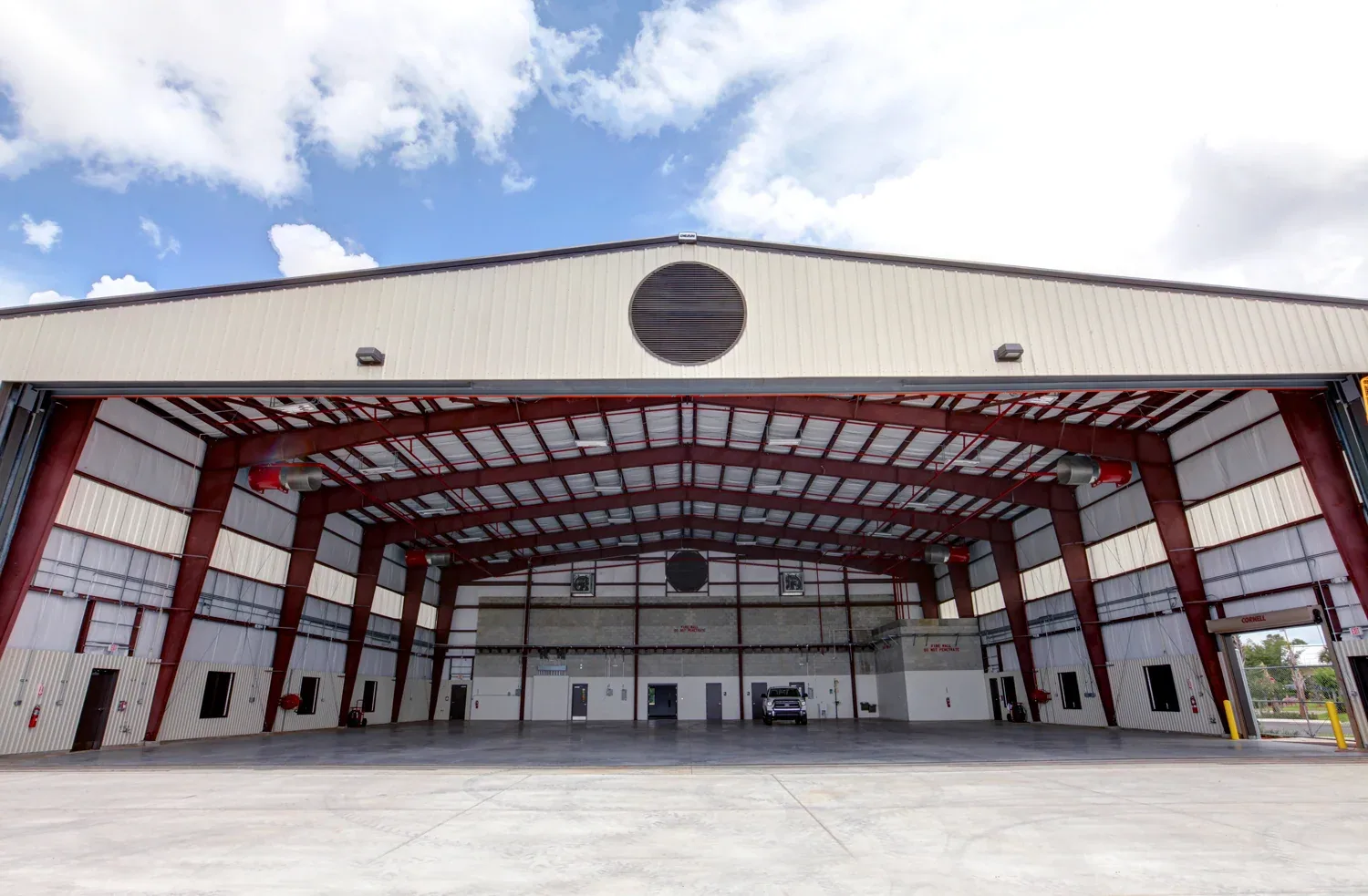
Hangar door operation and roof access have to be coordinated before any work zone is released. Tyler’s normal July high averages 94.5°F, while sun exposure can produce a different substrate reading at the planned repair area. We verify the roof system, overhead-door clearance, aircraft and vehicle movement limits, staging point, and the person who accepts each handoff. The work package keeps a door track, roof opening, and weather-sensitive task inside separately defined boundaries.
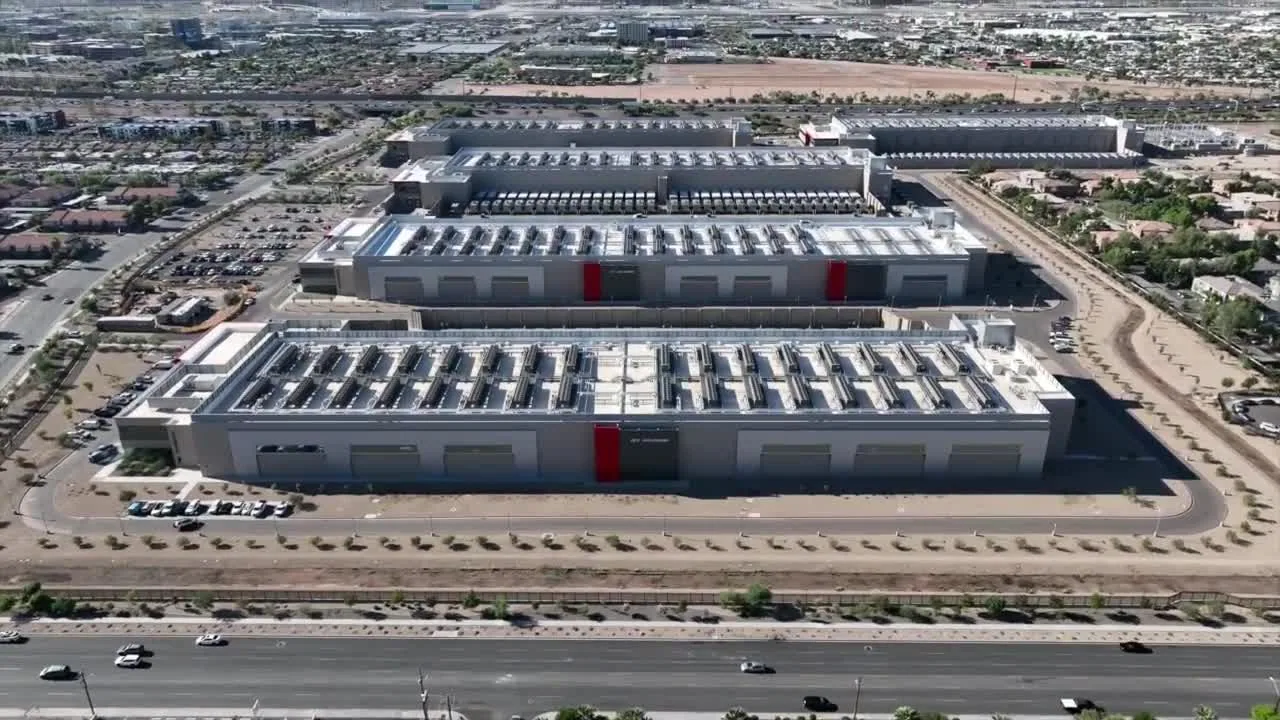
Hangars may use metal panels over long spans, membrane over support areas, or more than one assembly across offices and additions. We inspect panel seams, fasteners, ridge and eave details, wall transitions, gutters, penetrations, and roof-mounted equipment before choosing a method. Tyler’s regional transportation network includes its airport, while Tyler Interstate Commerce Park lies by I-20 and SH 155; those places frame regional logistics, but the property’s actual apron, access, and roof geometry control the plan. A roof inspection records those conditions.
Door tracks and protected access
Large doors depend on clear tracks, balanced operation, and overhead hardware that may sit close to roof edges or interior framing. We identify the operating envelope and keep lifts, material drops, and temporary barriers outside it unless the facility releases a specific restriction. The access plan also notes aircraft movement, vehicle routes, fueling or service areas if present, and any time when the opening must remain available. We do not assume a door can be left closed while roofing proceeds.
A repair above an open hangar can expose the interior if weather changes before the section is sealed. We set the opening limit, temporary protection method, drain check, and end-of-shift closeout before removing material. If work must stop, the handoff names which area remains protected and who confirms the next release. Similar planning applies to warehouse roofing and manufacturing roof work, with hangar-door clearances added to the access drawing.
Metal panels and interface details
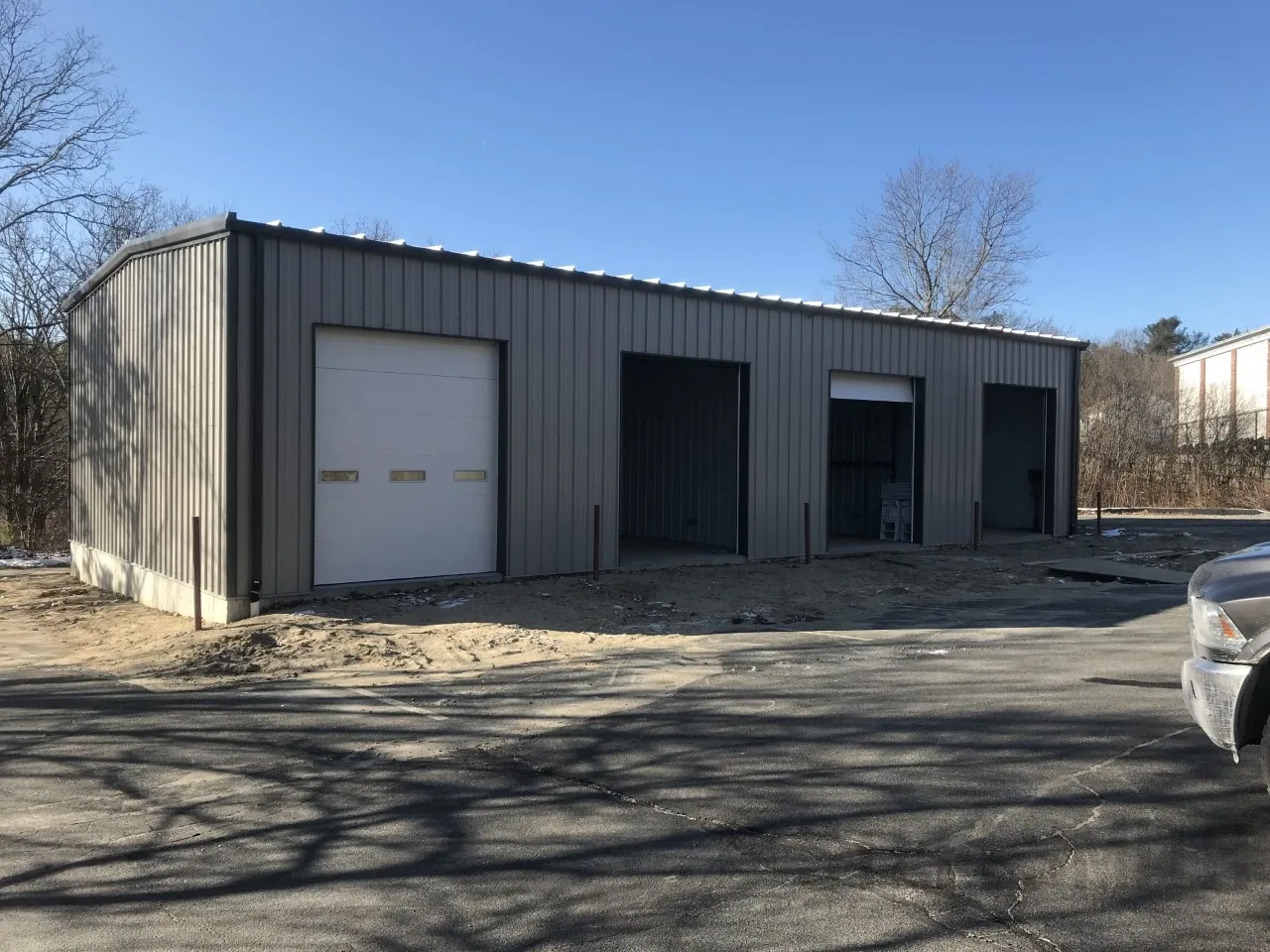
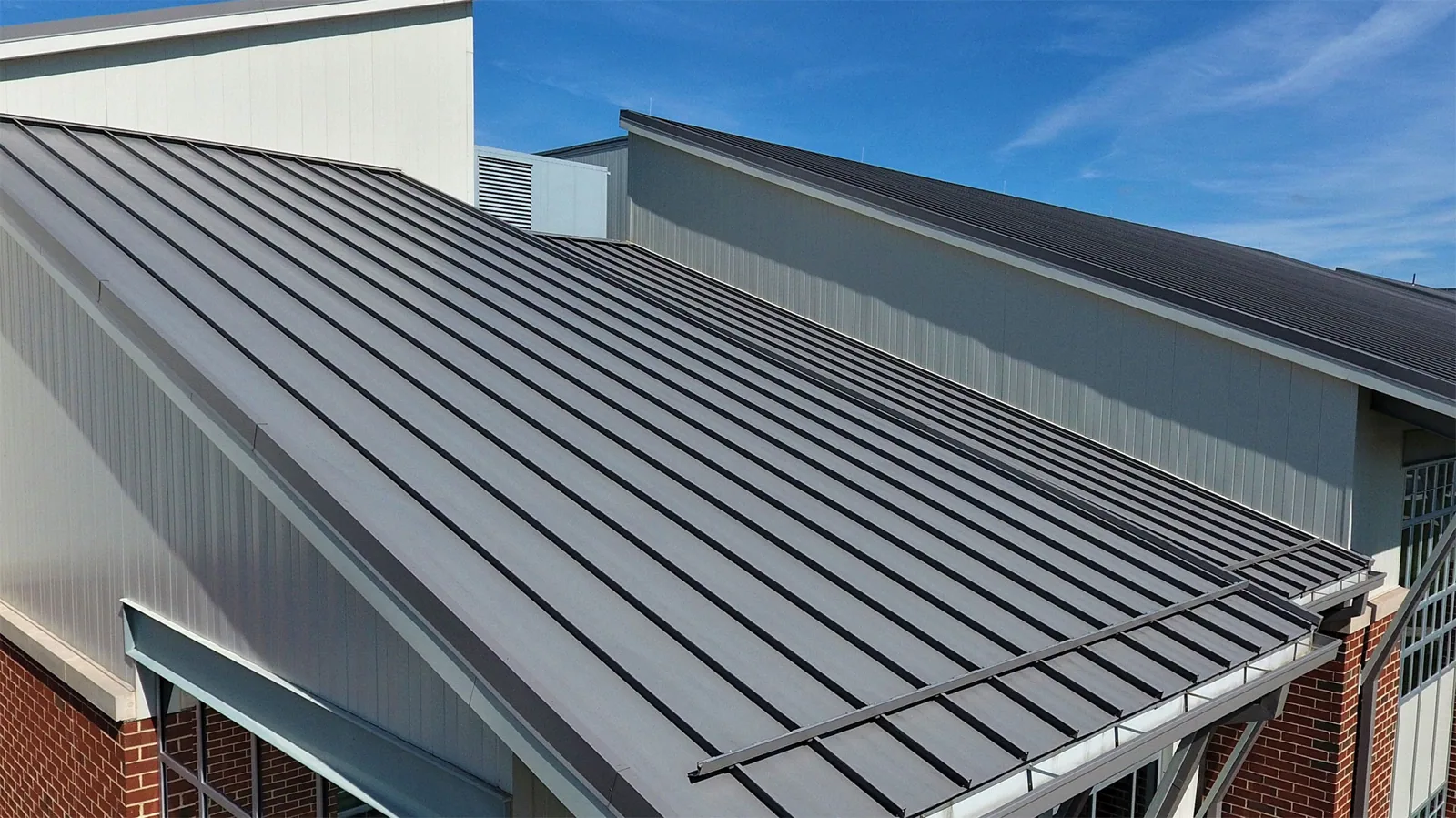
Metal roofs need inspection at seams, fasteners, clips, closures, ridge caps, valleys, gutters, and transitions into masonry or membrane additions. A loose fastener or open lap can allow water in, but the repair must suit the panel profile and the movement the assembly requires. We note corrosion, coating wear, impact, and prior patches by location. Replacement panels and flashing details need measurements and compatible attachment rather than sealant applied across a moving joint.
Where a low-slope section adjoins the hangar, we inspect membrane laps, perimeter termination, drains, and curbs as a separate system. Each interface between roof types needs a water path and a maintainable termination. We identify whether a mechanical trade needs to release equipment or remove supports before flashing can be rebuilt. A standing-seam assembly and a metal retrofit have different details, so the visible panel profile and supporting conditions guide the comparison.
Hail and wind review
Tyler experiences regional spring and autumn thunderstorms that can bring hail and damaging wind. After a storm, we inspect accessible panels, seams, edge metal, gutters, skylights, equipment supports, and any reported interior water entry. Tyler recorded a tornado on June 8, 2021, confirming local exposure without establishing what occurred at an individual hangar. The inspection records what is currently visible, the specific zone, and any area where close-up access or testing is still needed.
Wind can move a panel edge, loosen a closure, or disturb flashing; hail can leave an impact whose effect depends on the material and location. We document the condition and separate temporary protection from permanent repair. Drain paths and gutters are checked so storm debris does not create a secondary water issue. Wind damage review may include a measured panel or attachment check when the roof can be reached safely and the finding affects scope.
Heat window and repair sequence
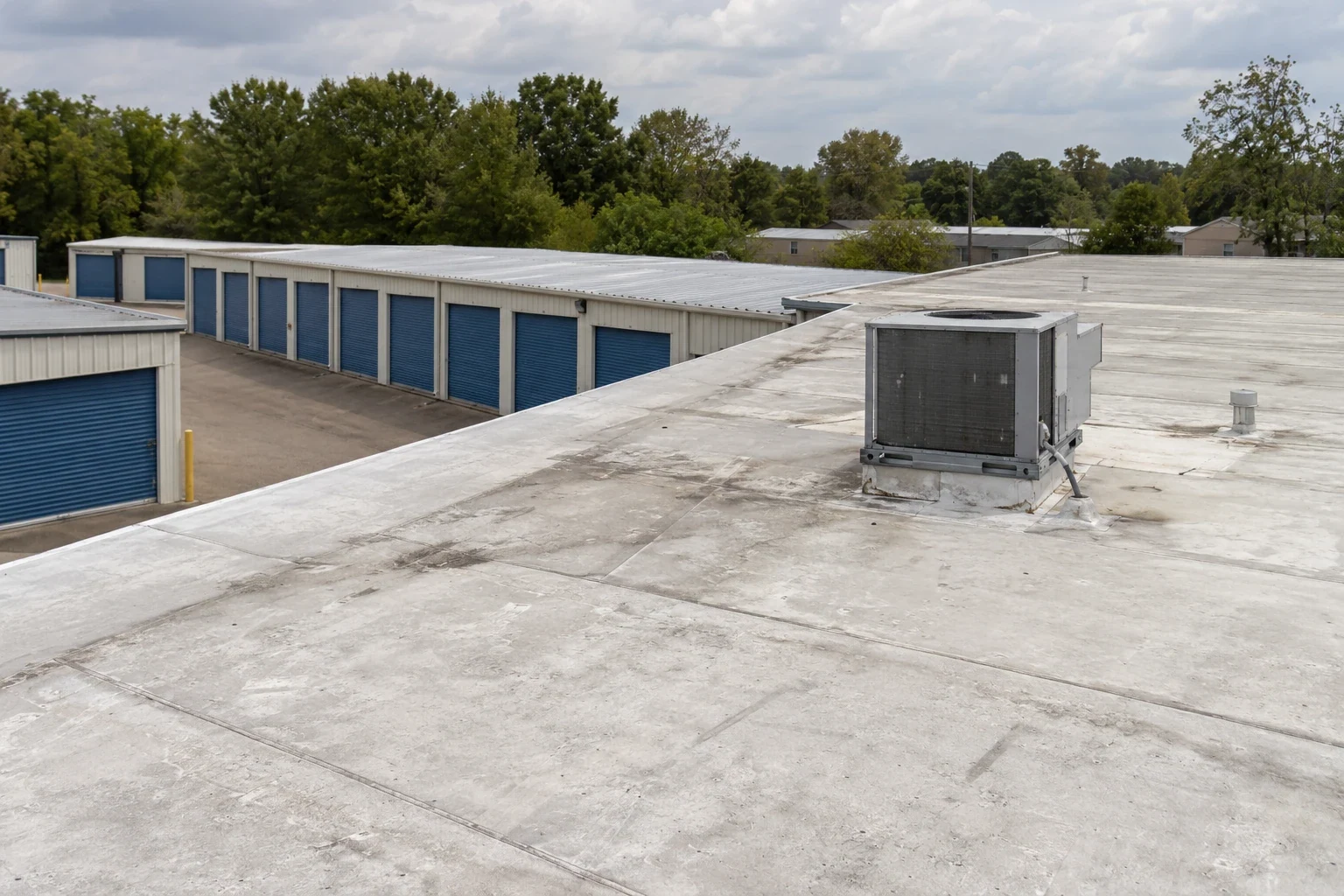
The normal July high of 94.5°F is not the temperature of a hangar roof at the time of work. We take a substrate reading and check the product instructions before using primers, adhesives, sealants, or coatings. Heat, sun, wind, and moisture can alter preparation and cure conditions. The crew sequences work to actual application requirements and marks a hold point when conditions fall outside them. A weather delay changes the schedule but not the requirement to protect an opened section.
Repair scope depends on the panel or membrane type, access height, staging, existing damage, deck condition, and whether an overhead door must be isolated. We identify whether a local repair is supported or whether multiple affected zones require a wider assembly review. A commercial roof replacement comparison may be appropriate when multiple affected zones require broader work. Cost and time reflect lift needs, panel replacement, interior protection, equipment coordination, and daily closure requirements.
Hangar release and repair record
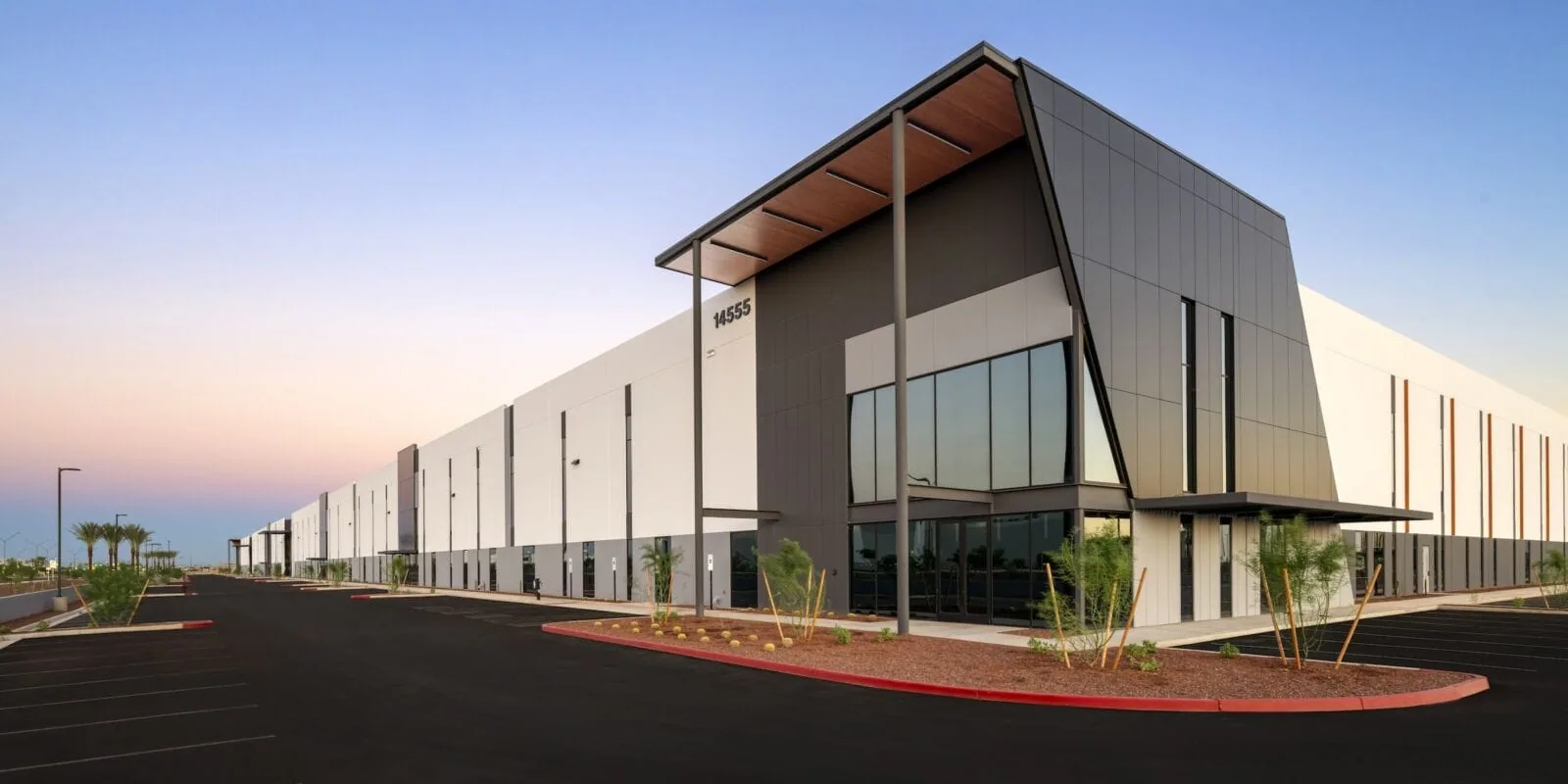
Closeout includes repaired locations, fastener or seam details addressed, photographs, gutter and drain checks, and any item awaiting further testing. We note the overhead-door condition at handoff and confirm that temporary barriers are removed only after the work zone is released. If the roof remains partially open to follow-up, the record states the protection and access restriction still in effect. A roof condition report helps facilities compare repairs across separate roof sections.
Send the roof layout, panel or membrane information, door operating requirements, access plan, storm observations, and decision date. We return a sequence with measured work zones, test points, weather holds, and crew handoffs. For an urgent hangar opening, call us; we check dispatch against the operator’s access rules and the weather, then record the opening and interim safeguards before permanent repair planning begins. The regional airport and nearby commerce corridors create varied travel and staging conditions, but the assignment remains tied to the actual hangar, its roof plan, and safe door operation. For a hangar near the Tyler Interstate Commerce Park, the entrance, staging limits, delivery period, and release contact are set for that project. The hangar keeps its own roof-zone handoff and operating plan. The turnover records door status, temporary barriers, open test points, and the staff contact accepting the completed zone before aircraft movement resumes.
Commercial Roofing Questions
Can roofing continue while the hangar door is operating?
We confirm the door path and operating schedule before placing lifts or materials. Work proceeds only in a released zone with a clear separation from door tracks and aircraft movement. If the work affects an opening or its hardware, the facility contact approves the outage and return-to-service handoff.
What roof details are most important on a metal hangar?
We inspect panel seams, fasteners, ridge and eave details, closures, gutters, penetrations, and connections to other roof types. The observed panel profile and attachment determine a compatible repair. Movement, corrosion, and previous patches are recorded because they affect how the detail can be corrected.
How does Tyler heat affect hangar roof repairs?
Heat can affect surface preparation and the installation limits for primers, sealants, adhesives, or coatings. We take a substrate reading at the work location and check the chosen product instructions. Current field conditions govern the task, with Tyler’s normal July high used for scheduling context.
What gets inspected after hail or high wind?
We check accessible panels, seams, edges, closures, flashings, gutters, equipment details, and reported interior areas. Photographs and notes identify each roof zone and any test still needed. The scope follows current evidence and separates protective work from permanent correction.
What information is needed to price hangar roof repairs?
Provide roof drawings, panel or membrane details, door limits, lift access, known leaks, storm records, and the decision date. We identify staging, protection, panel or insulation removal, trade handoffs, and access holds that affect duration and price. Concealed conditions are stated separately from confirmed scope.
Related Pages
Commercial Roof Inspection
Tyler, TX
Warehouse Roofing
Tyler, TX
Manufacturing Plant Roofing
Tyler, TX
Standing Seam Metal Roofing
Tyler, TX
Release the hangar roof work area
Send roof layout, system details, door operating limits, access plan, storm notes, and decision date. We will return a sequenced work package with panel and membrane zones, testing, weather holds, and door clearance handoffs.