
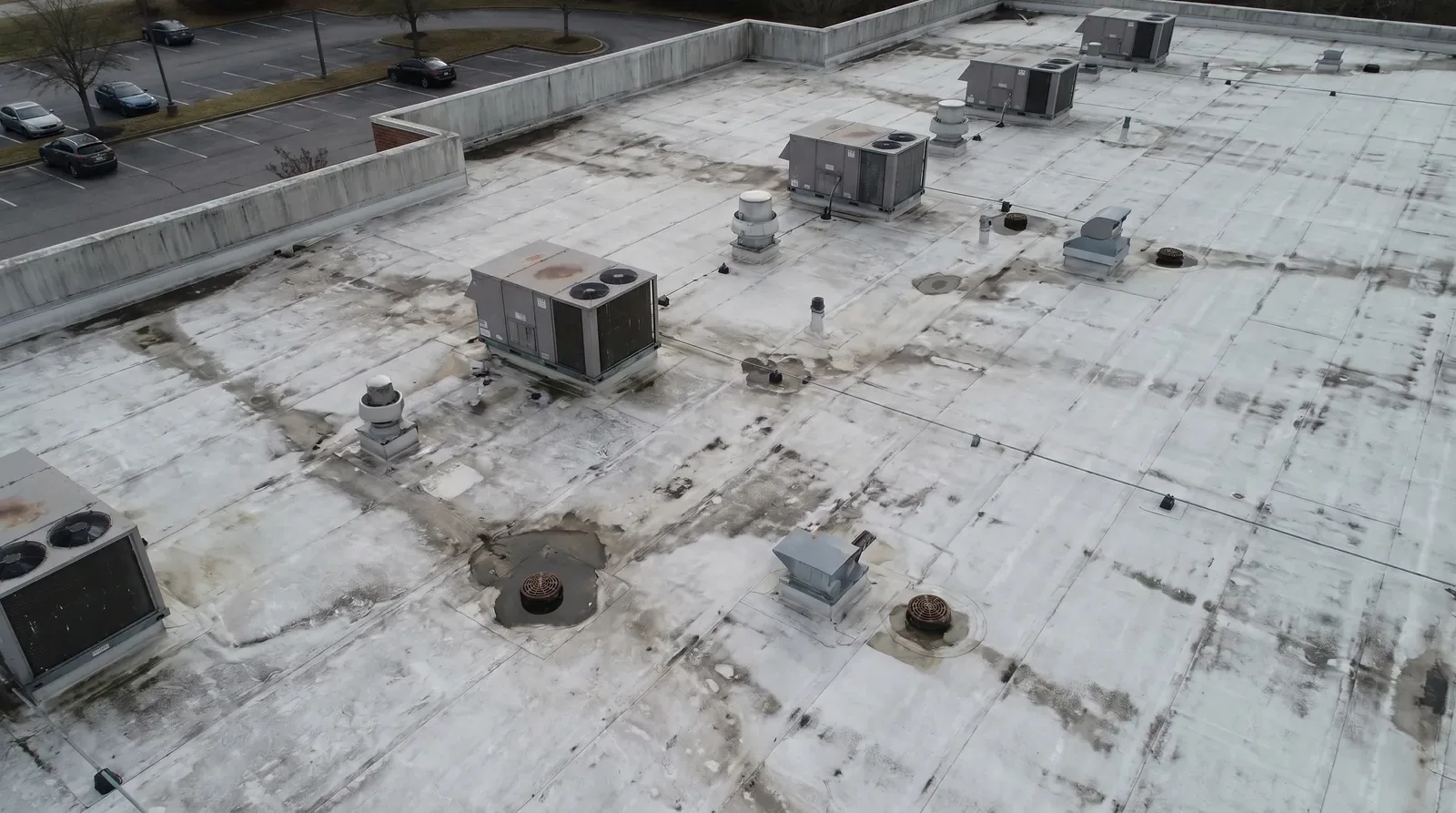
Before a Tyler, TX property review turns into a roof allowance, spring or autumn storm findings need to be compared with the current condition. Large hail and damaging wind are regional hazards, but an event does not establish damage at a particular property. We survey accessible roof areas, review available records, and separate observed defects from questions that need testing. The report gives a buyer, owner, or general contractor a marked set of roof zones, repair drivers, and open decisions before the project releases a scope.
Tyler’s July normal high of 94.5°F can also affect inspection timing and the sequence for any adhesion-sensitive follow-up. We record the survey conditions and state which observations depend on a later reading, test, or access period. The Tyler market includes single-building surveys and portfolio comparisons; each roof remains tied to its own assembly and field findings. The report is a field snapshot that helps frame the next investigation, budget, or repair package.

Records before roof access
We start with the roof plan, known assembly documents, repair invoices, leak reports, maintenance logs, and any prior survey. Those records help identify additions, reroof layers, recurring repair areas, and gaps that should be checked in the field. If the drawings and exposed roof do not align, we mark the conflict rather than treating the file as proof of what is installed. The survey also records access rules, safety requirements, rooftop equipment restrictions, and any area that could not be reached during the visit.
For an acquisition team, the useful result is a documented list of what is known, what is visible, and what remains unresolved. We identify whether a test cut, moisture survey, attachment check, or designer review is needed before the roof scope can be priced with confidence. A condition report can carry the photos and findings into the property record, and the asset register can preserve the assembly and repair history after the transaction. These records help the incoming contractor pick up the same roof-zone references.
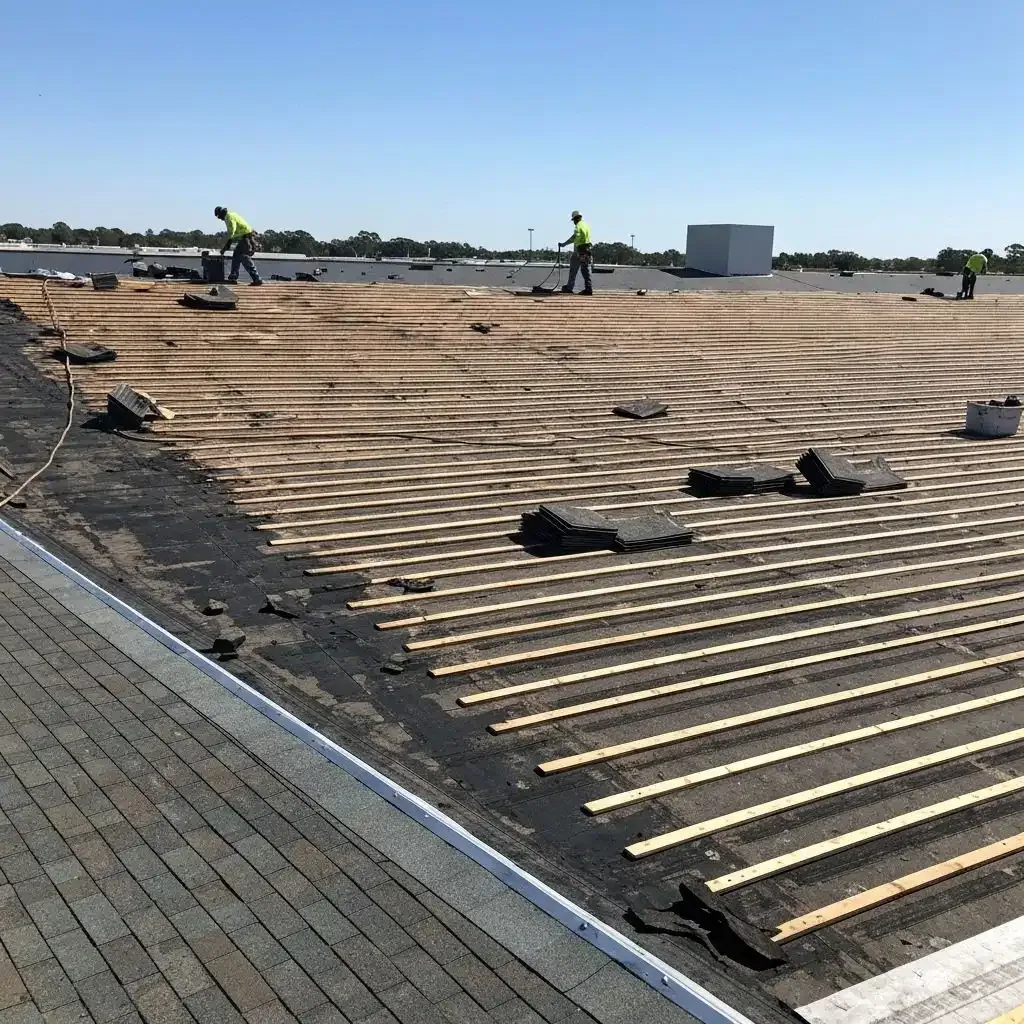
Assembly, drainage, and concealed conditions
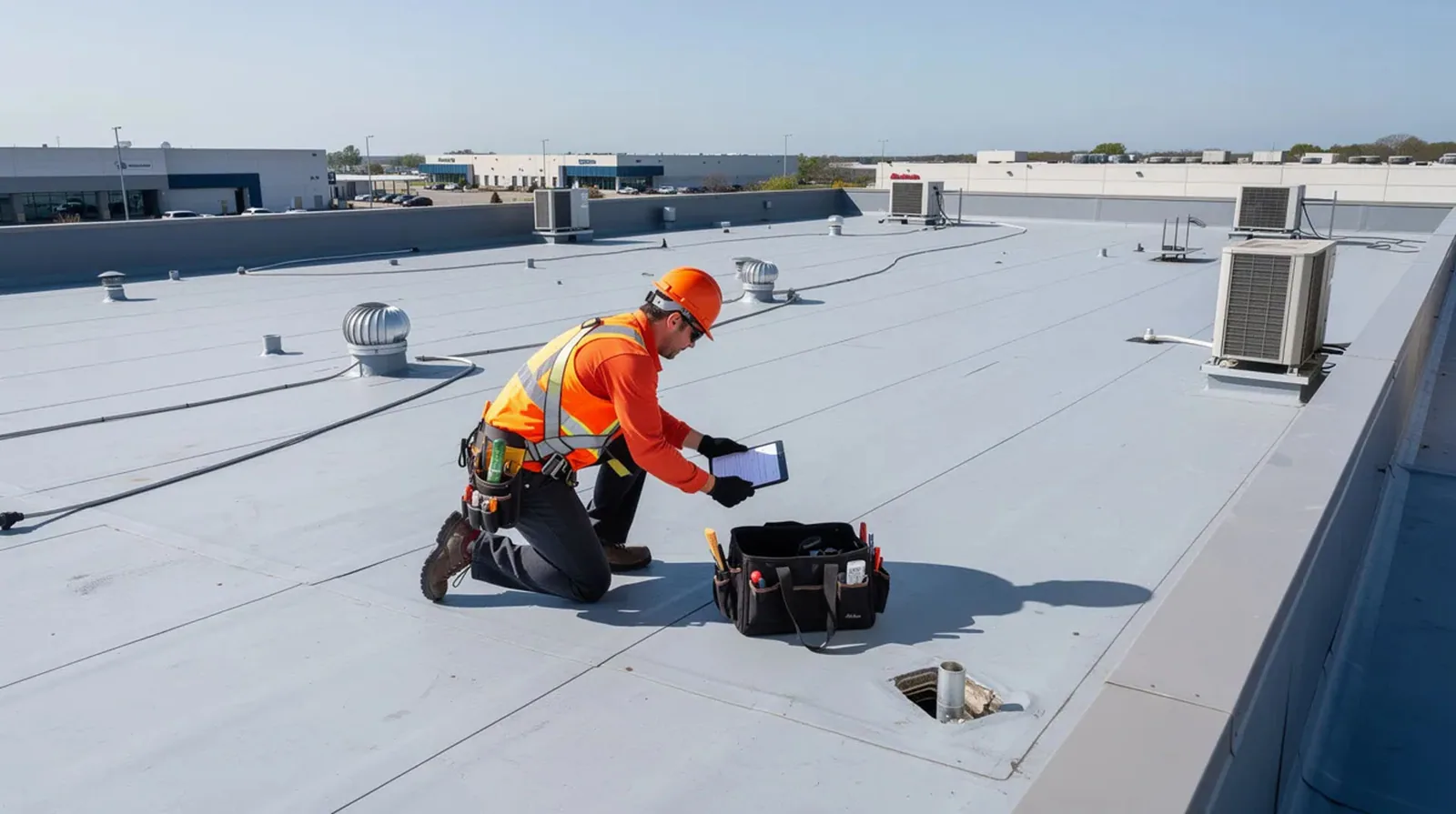
At the roof, we examine visible membrane or metal, seams, flashings, penetrations, edges, drains, scuppers, rooftop supports, and transitions between sections. We look for open or poorly bonded seams, cracked or displaced details, ponding indicators, corrosion, exposed reinforcement, and signs that a prior patch has changed the surrounding surface. These observations describe the accessible layer. They do not establish the condition of insulation, deck, or concealed attachment without a selected test.
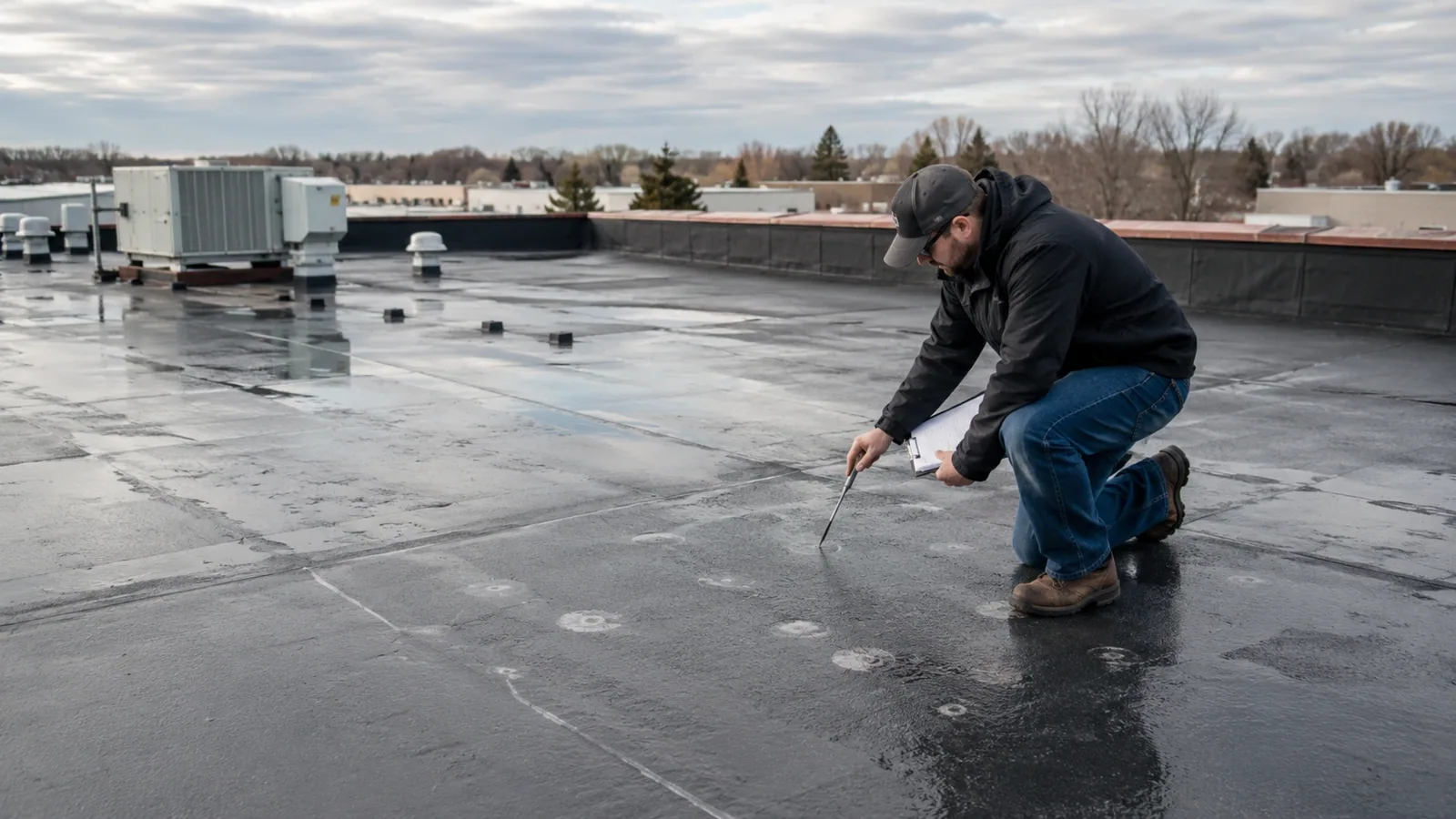
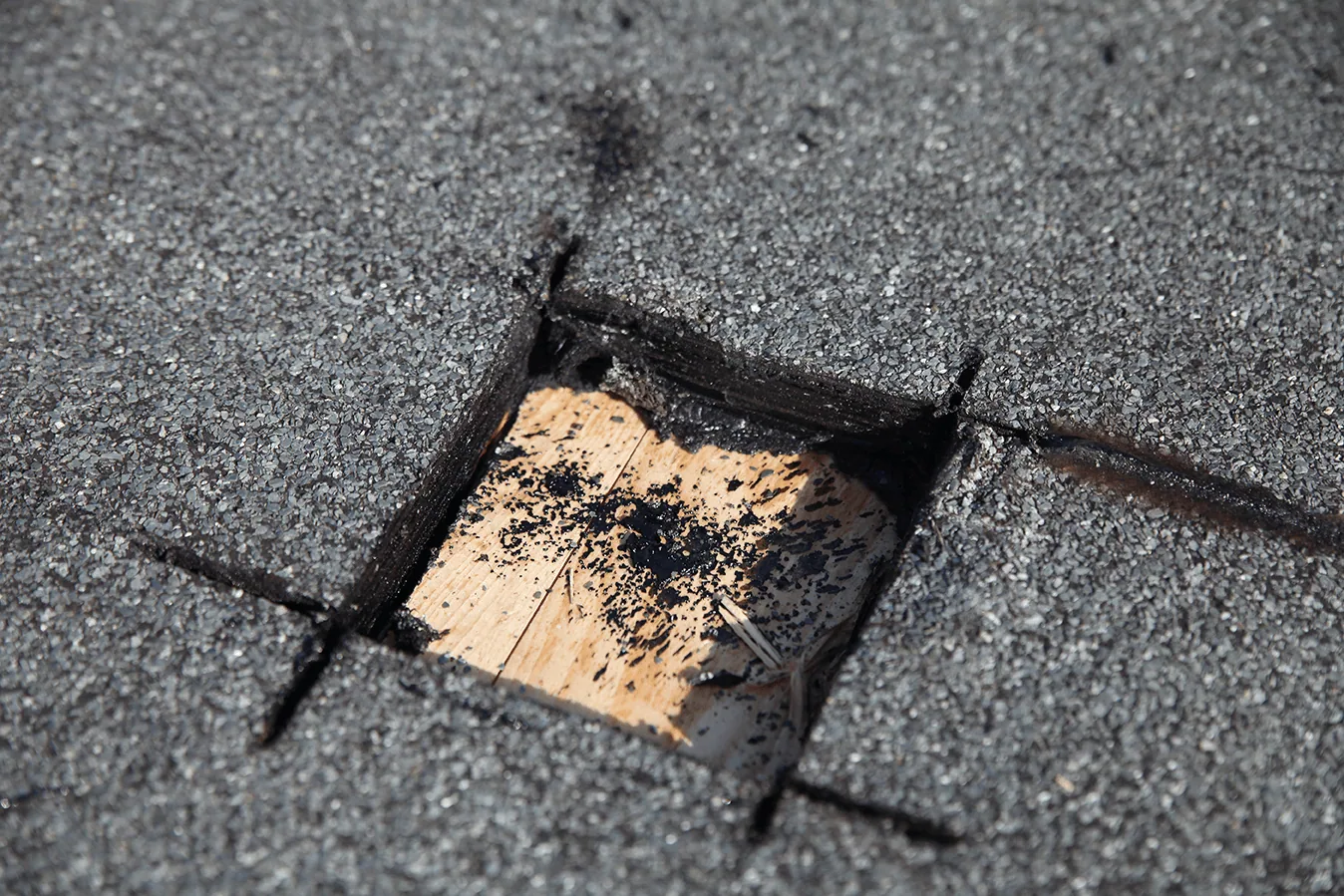
Moisture questions can change the purchase allowance and repair sequence. We identify candidate areas for infrared review, moisture readings, or a test cut, then state how the result would affect the next decision. An infrared moisture survey can guide where confirmation is useful; a test opening can verify layers and substrate condition. We note the expected access, interior protection, and restoration needed for the test so the buyer can weigh the investigation before the transaction deadline. Findings remain grouped by roof zone, not blended into a single portfolio average.
Tyler weather and property context
Heat, hail, and damaging wind can each change the evidence available at inspection. A hot membrane may affect access and the timing of a follow-up bond test. After a storm, the report should compare prior photos with newly visible marks, displaced edge metal, loose flashing, punctures, and drainage blockage. If debris or moisture limits the surface view, we note the restriction and identify a suitable follow-up period. Those steps preserve a useful chronology without assigning cause from weather alone.
Tyler Interstate Commerce Park lies beside I-20 where SH 155 meets it, a business-park setting that shapes arrival planning only. The Downtown Tyler Business District is a separate multi-property area. Those settings help us prepare a visit, not infer anything about a roof. We attach the permitted entrance, staging limits, and roof-access instructions to the specific asset record. A commerce-park visit and work in the downtown district each receive their own access notes and marked roof plan.
Repair scope and budget drivers
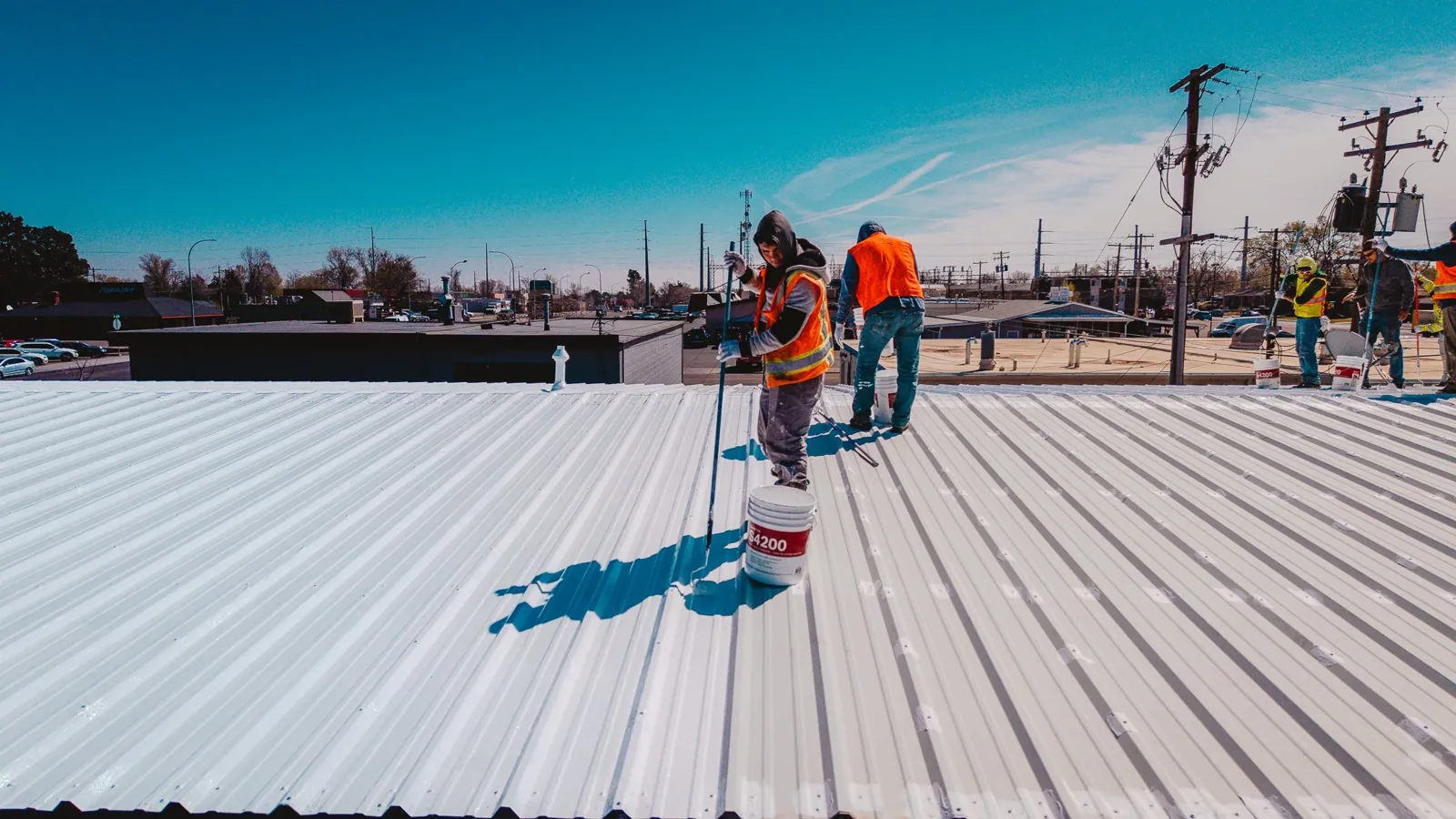
The survey separates near-term water-control concerns from maintenance work, testing, and larger assembly questions. A targeted repair may fit a limited seam or flashing defect when sound material remains around it. A recover depends on the layers, moisture, attachment, drainage, compatibility, and applicable code path. A coating requires a suitable substrate and adhesion evidence. Replacement can involve tear-off, insulation, edge details, disposal, and interior protection. The report lists the cost and timing drivers without assigning an unsupported allowance to unseen conditions.
Tyler applies the 2021 International Building Code and 2021 International Energy Conservation Code to building plans beginning January 1, 2024. For a proposed recover, replacement, or major alteration, we flag the applicable permit review for the buyer’s design team rather than treating a field walk as code approval. The unresolved item stays beside the roof-zone finding until the project confirms its path. A follow-up inspection or wind-detail review may refine the scope before the contractor issues a work package.
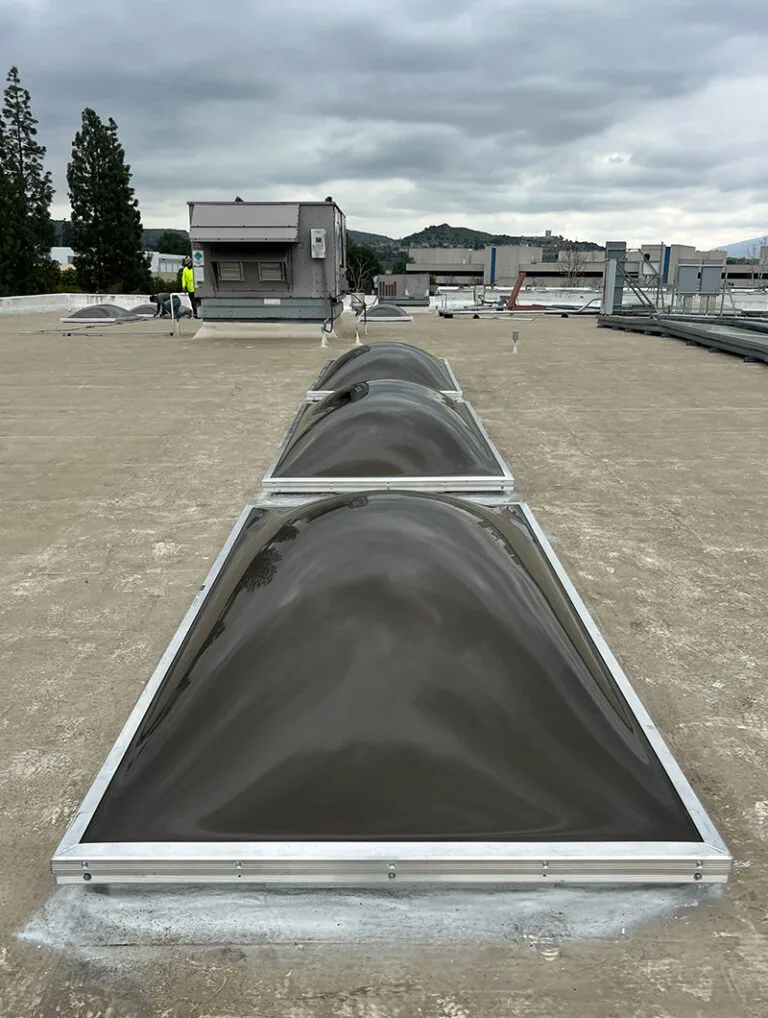
A decision file for the next team
The final handoff groups findings by roof zone and labels each item as observed, repaired, tested, or awaiting a decision. It includes photos, available records, access limits, possible work packages, and the test or approval that could change the recommendation. For a transaction, the buyer can see which findings are current and which depend on further investigation. The seller or general contractor can receive the same marked plan, making the next inspection or repair easier to coordinate.
Where access must fit a short diligence window, we sequence the visible inspection first and reserve the requested test points for the approved period. A weather delay can shift the schedule; the report should preserve what was inspected and what remains to be seen. A repair package can proceed from confirmed findings, while any larger capital question can move into budget review after tests return. We close with the next release point and the records needed to make it, so the roof scope stays attached to the transaction decision.
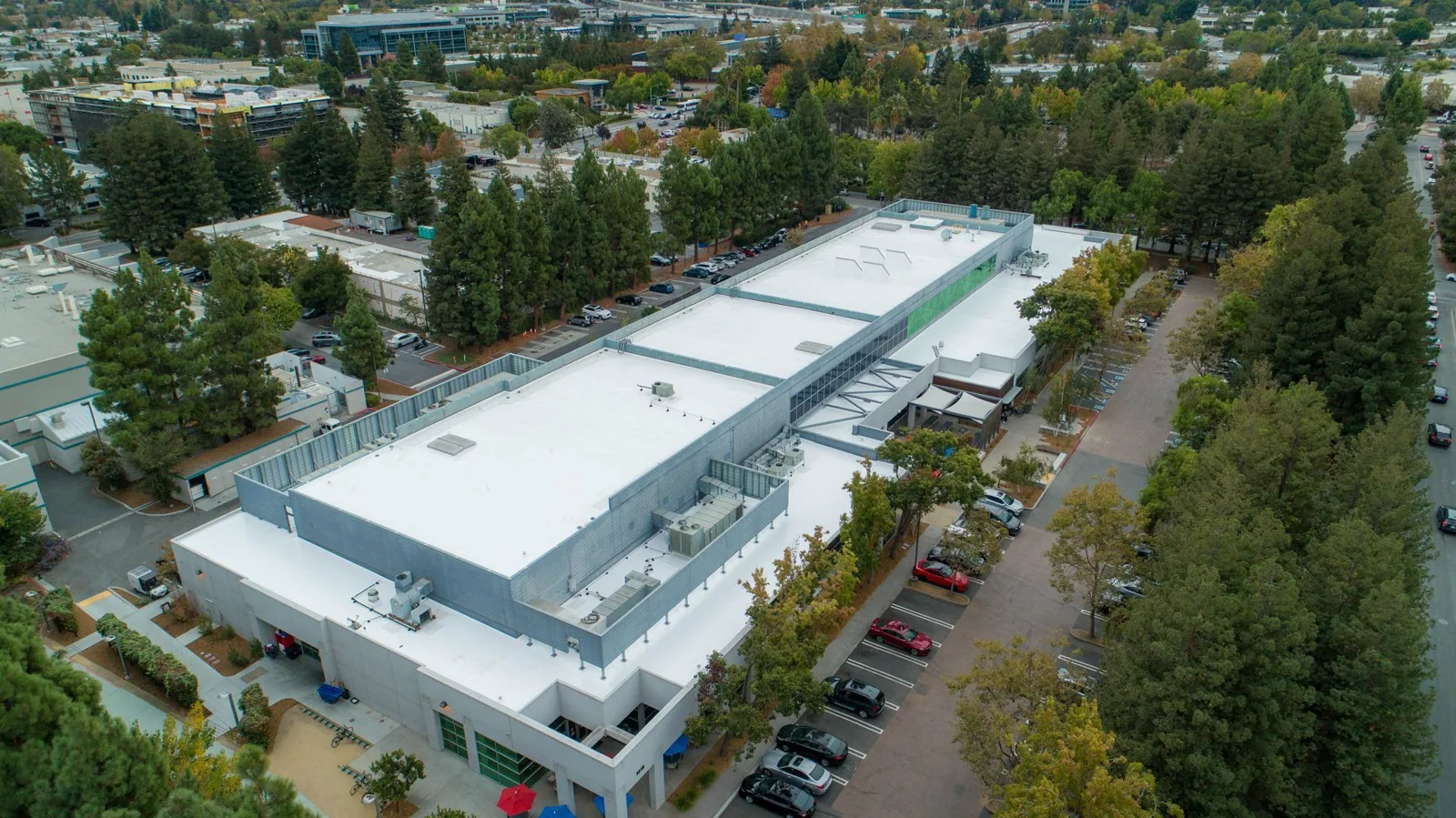
Commercial Roofing Questions
What can a roof survey confirm before a Tyler property acquisition?
It can document accessible roof conditions, visible assembly details, drainage, transitions, prior repairs, and limits to the survey. We also identify testing or records needed to assess concealed layers. The report separates observations from unresolved questions so the buyer can decide whether to investigate further before pricing the roof work.
Can the survey provide a repair allowance for the purchase?
We can identify likely work packages and qualitative cost drivers, such as tear-off, wet insulation, deck repair, edge metal, access, and interior protection. An allowance needs confirmed quantities and conditions. When a test could materially change the scope, the report identifies that test and the decision it will inform.
How do storms affect a due diligence roof review?
We record the inspection date, surface conditions, visible damage indicators, and access limits. If a storm occurred during the review period, dated photos and earlier records can help distinguish new changes from older wear. We list any area that needs a safer or drier follow-up rather than treating a restricted view as a clear condition.
When should a test cut or moisture survey be included?
Use one when assembly, moisture, or attachment questions could change the purchase scope or the choice between repair, recover, coating, and replacement. We identify candidate zones, the method, and how results affect the next decision. The test also needs an approved access period and a plan to restore the opening.
What should the buyer or general contractor provide?
Share the roof plan, available assembly and repair records, leak history, access rules, transaction deadline, and any storm or moisture concerns. We use them to prepare the roof-zone map and sequence visible review before selected tests. The report returns current findings, open questions, and approval points in a form the next project team can use.

Related Pages
Tyler
Tyler, TX
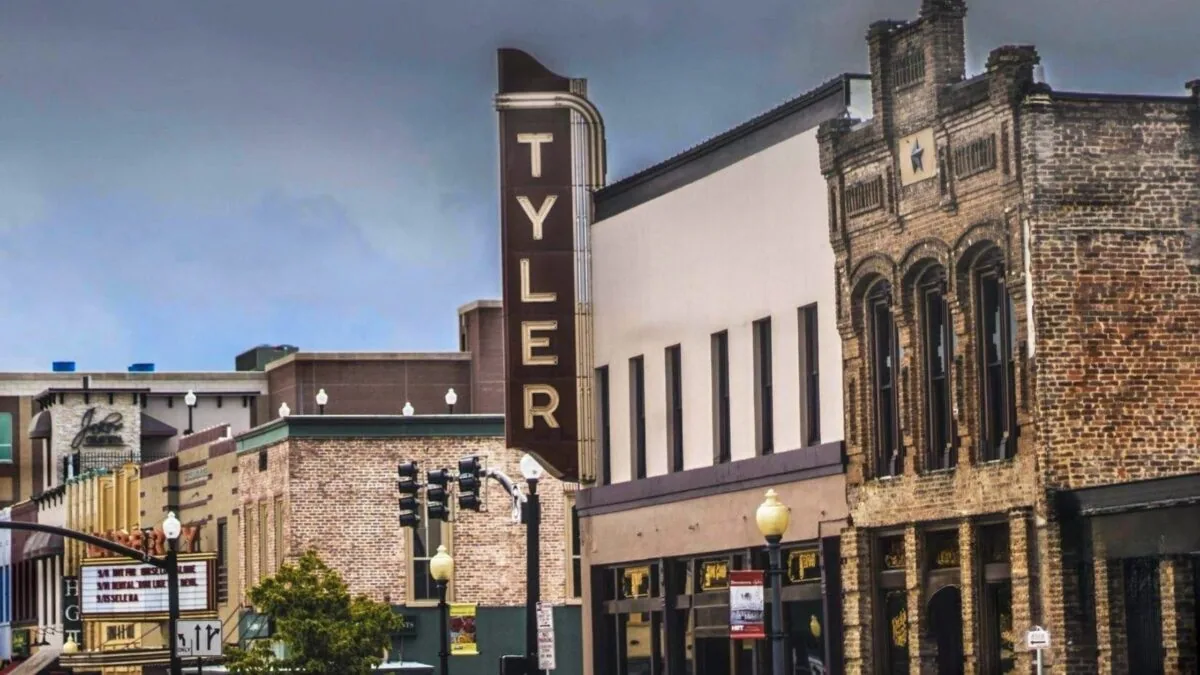
Commercial Roof Condition Reports
Tyler, TX
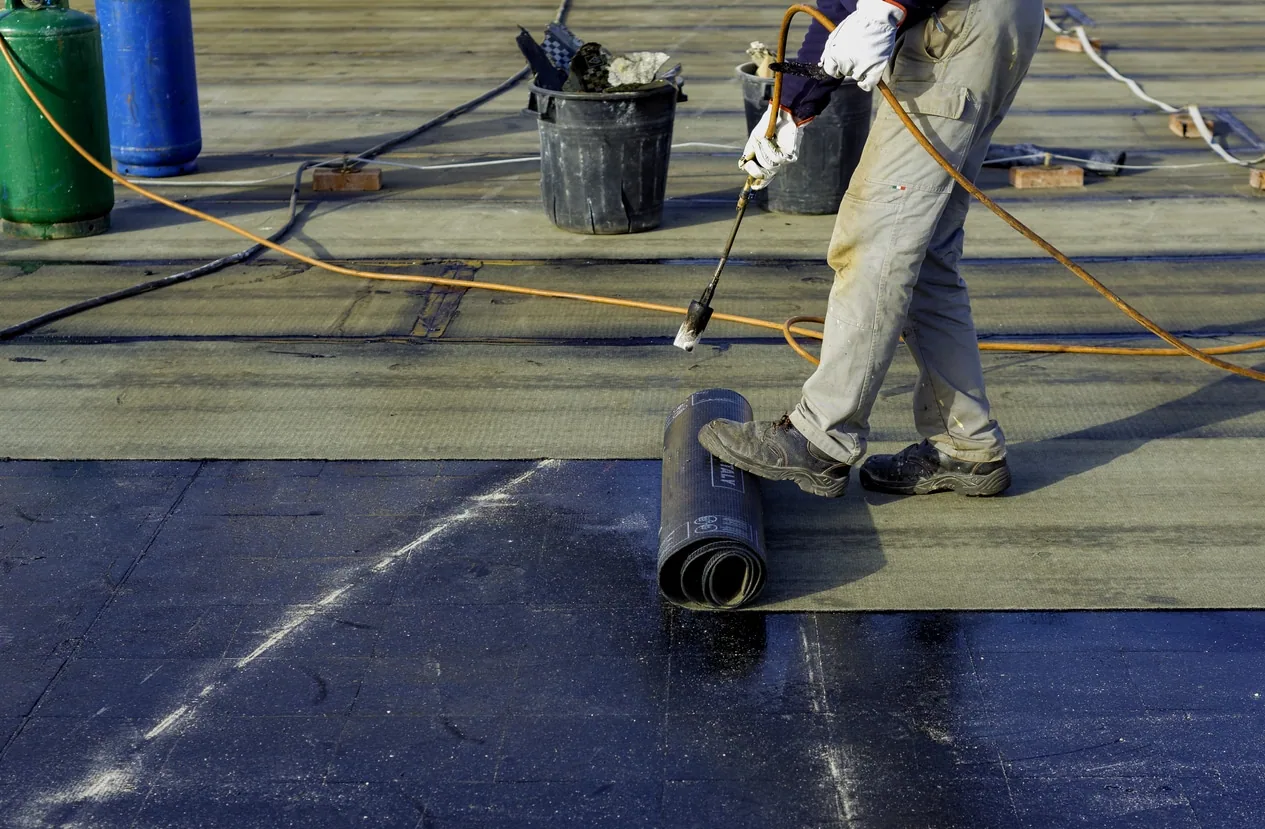
Commercial Roof Asset Management
Tyler, TX
Infrared Roof Moisture Survey
Tyler, TX
Set the diligence window
Send the roof plan, assembly and repair records, access period, current concerns, and transaction deadline. We will return a zone-based survey with open tests and scope decisions marked.