
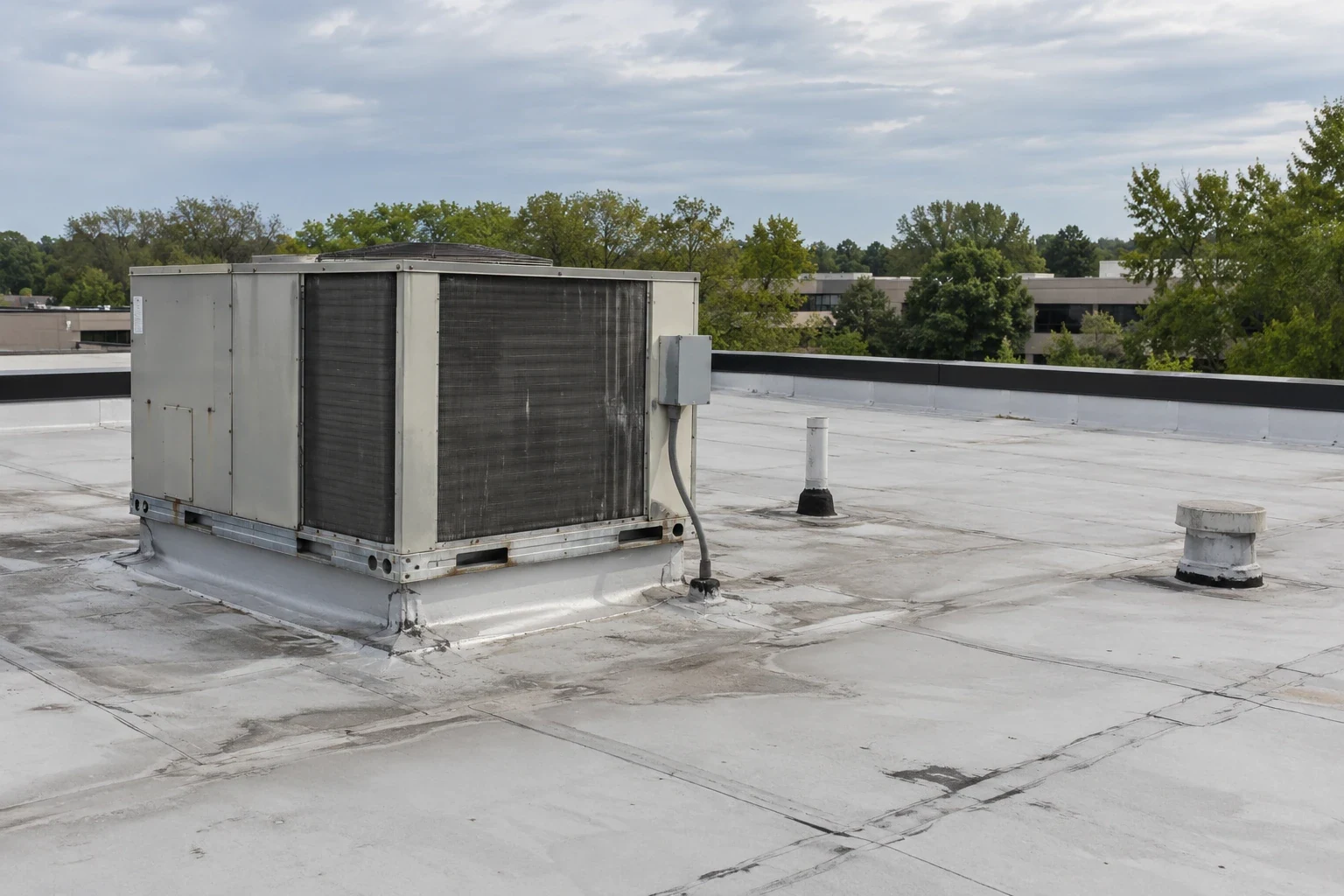
After a spring storm in Tyler, TX, a shopping center roof may show a lifted edge at one tenant bay, a puncture near rooftop equipment, and debris at a drain farther across the building. Those findings need separate roof-zone checks before repair limits are released. Tyler's regional severe-weather pattern includes spring and autumn thunderstorms with hail and damaging wind. South Broadway has a commercial-corridor role, and Bullard U.S. 69 is designated for larger regional commercial uses. At either location, the property team confirms current storefront activity and vehicle routes before staging is planned.
A center roof can span multiple tenants and additions, but the visible leak or storefront ceiling does not identify the full path. We inspect seams, curbs, penetrations, drains, edges, and transitions, then compare those findings with the roof assembly and prior repair history. A roof condition survey creates a marked scope for repair, recover, or replacement. The Tyler service plan ties each work zone to approved delivery, lift, and tenant access windows.
Tenant access and loading sequence
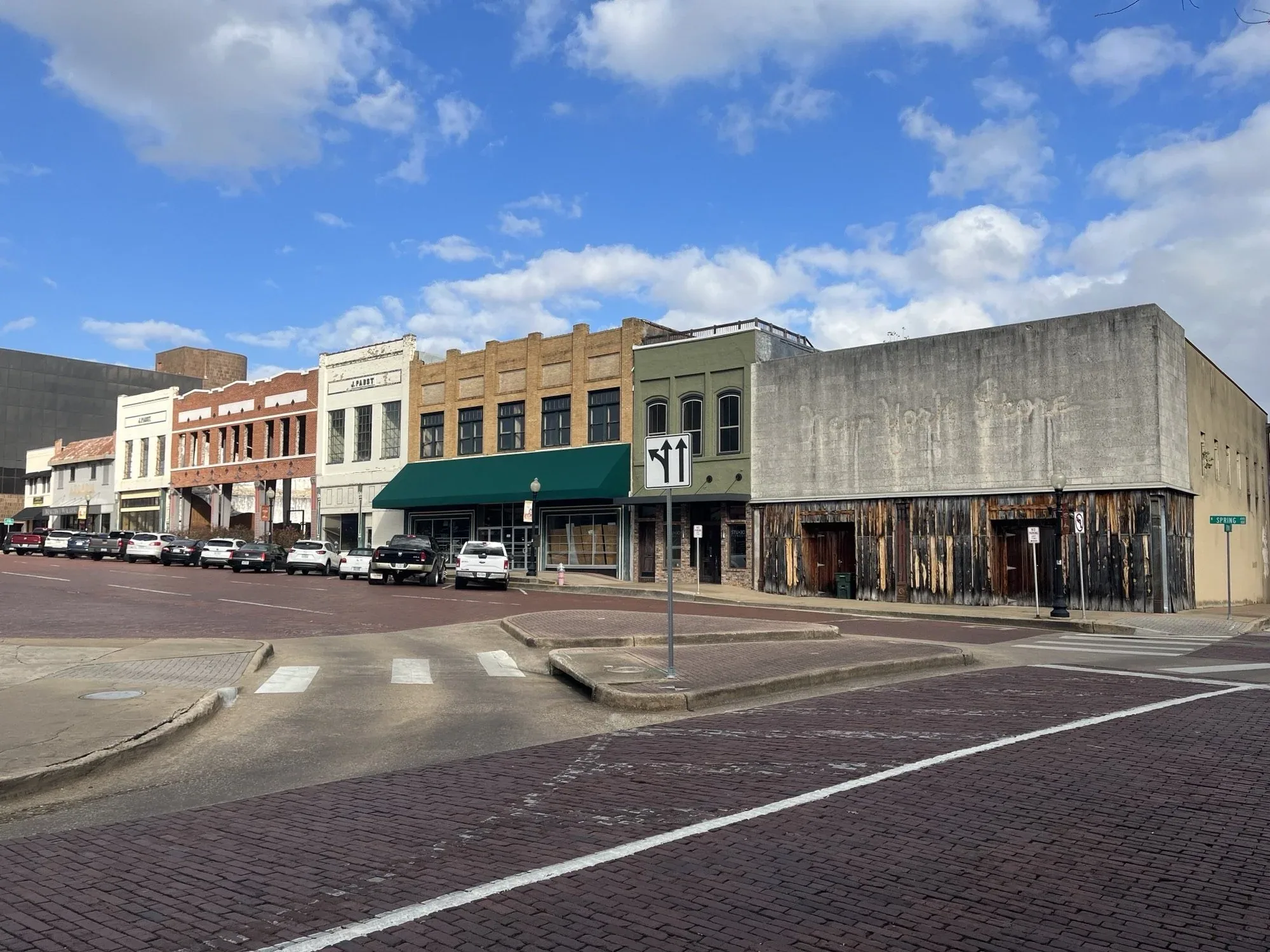
Retail operations continue at different hours across a center. A grocery delivery, restaurant service period, customer entrance, or shared loading area may limit where a lift or material drop can sit. We identify access routes and tenant-sensitive periods with the property representative, then divide the roof into work packages that protect active entrances below. Each daily release records the zone, expected noise, overhead work boundary, and the closeout condition before staff reopen adjacent areas.
South Broadway has been a major Tyler corridor, and city signal updates have addressed intersections along it. That road context does not set a property's exact access rules, but it makes delivery coordination a practical item for a roof schedule. The Bullard U.S. 69 Commercial Corridor serves a regional retail role distinct from downtown's smaller community-serving uses. For either location, the property team supplies site routes and tenant windows; we convert them into roof staging, crane or lift placement, and crew handoff details.
Drain paths and concealed moisture
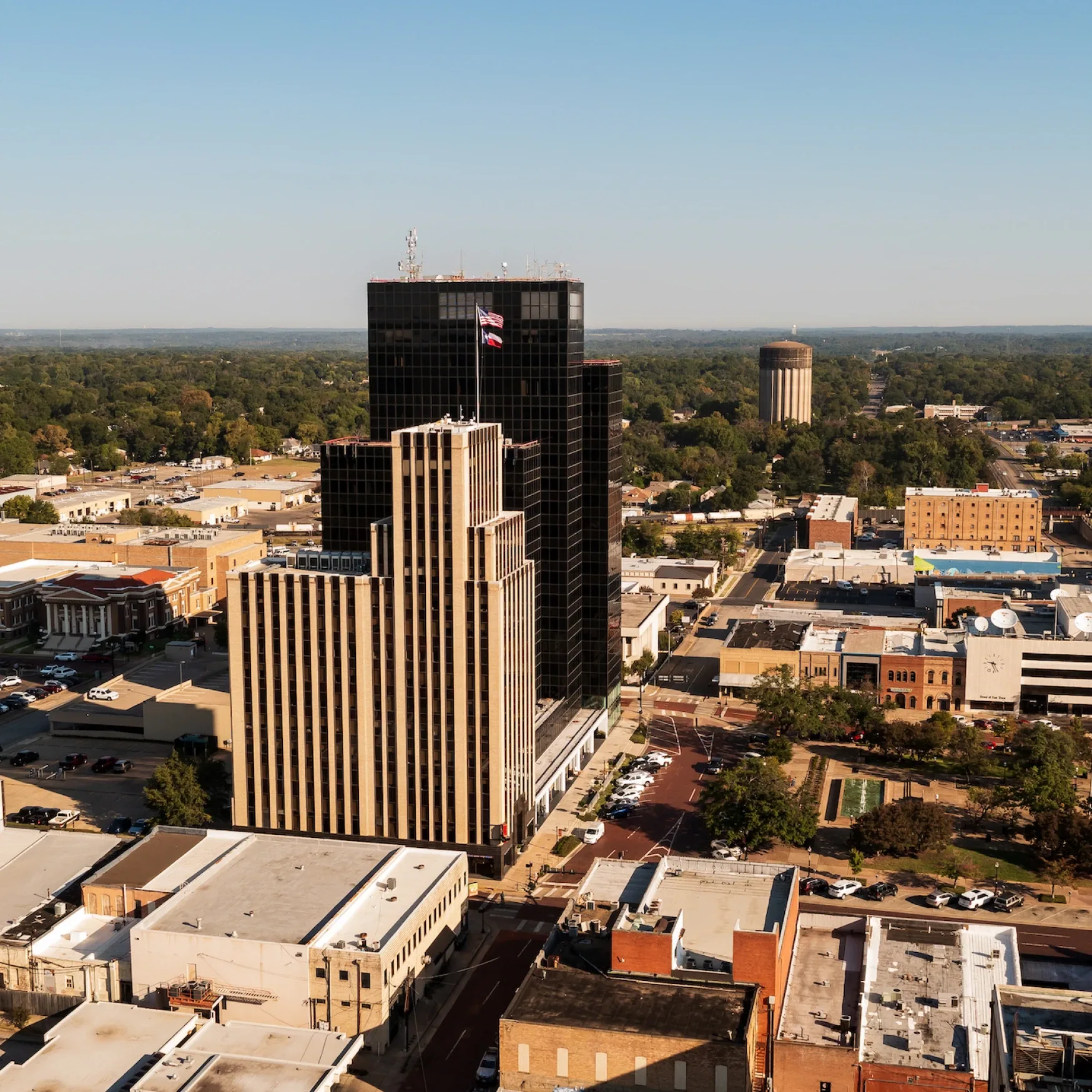
Retail center roofs often have long drainage runs that cross several leased spaces. We inspect drains, scuppers, crickets, downspout connections, parapets, and low areas, then mark ponding or debris without assuming that one blocked point explains every interior report. Water may travel through insulation or along a deck before appearing at a storefront. Where the assembly suggests concealed moisture, an infrared survey or agreed test cut can help identify the affected area and protect sound sections from unnecessary removal.
Our report connects each interior symptom with roof observations, photos, and test results. It notes what was accessible and which test points remain open. This record lets the owner compare repeat service calls with the actual condition by bay or roof zone. If moisture is isolated, repair boundaries can stay narrow; if wet insulation or deck damage extends farther, the scope must account for the larger area and any tenant protection needed below.
Repair boundaries across multiple bays
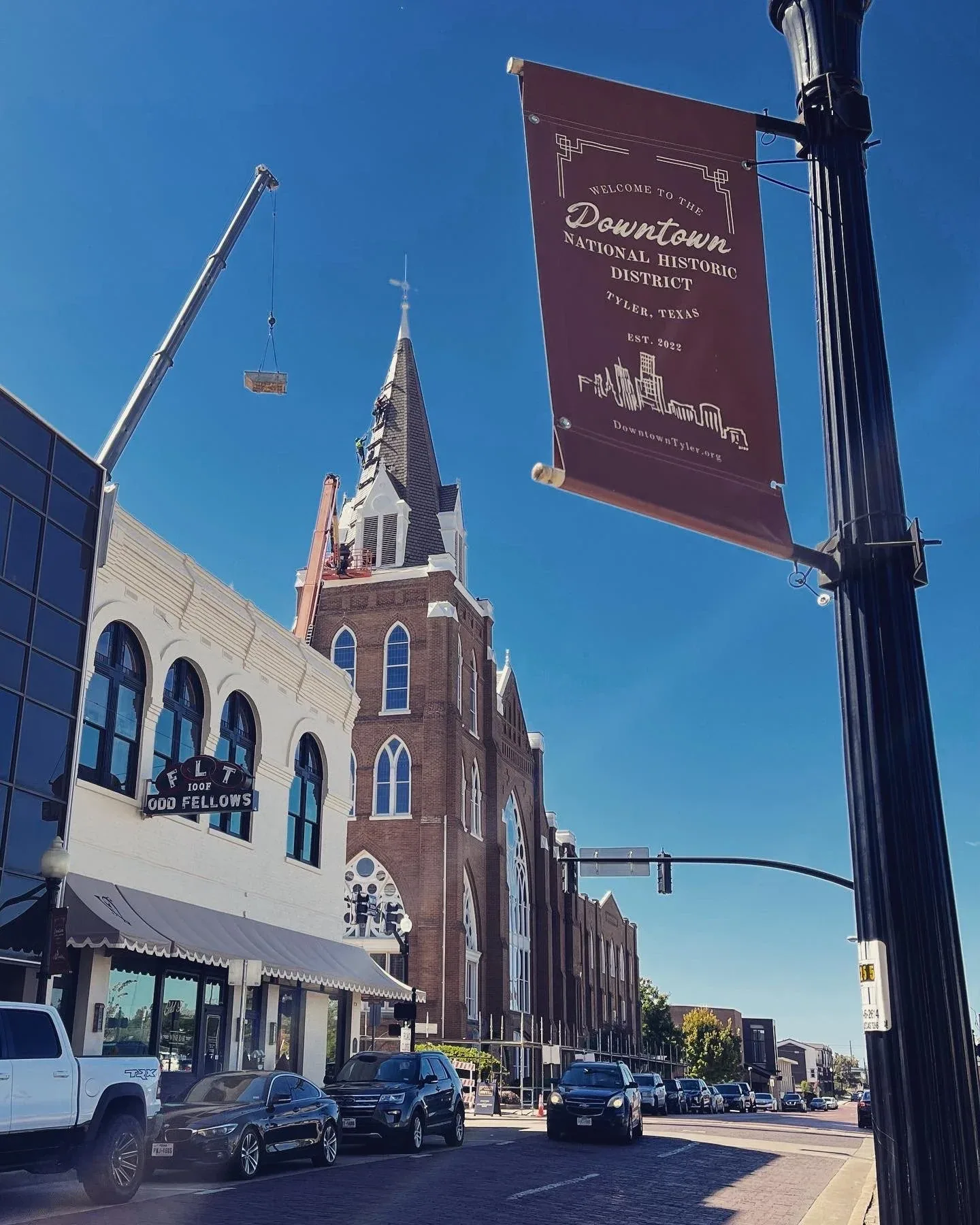
Membrane, modified bitumen, built-up roofing, metal, and recover assemblies use different seam and flashing details. We confirm the existing system before specifying a repair material, then check nearby transitions, equipment curbs, and edge metal that may share the failure path. For a compatible single-ply roof, a PVC roofing system may be relevant to a planned replacement, while a localized repair may fit isolated damage surrounded by sound material.
A recover can avoid a full tear-off only when the current layers are dry enough, attached, and within applicable height and drainage limits. Test cuts help settle those conditions before a recover scope is priced or approved. Widespread wet insulation, repeated seam separation, poor attachment, or deck deterioration can change the recommendation. The estimate should mark assumed conditions and the hold point for any discovery that alters quantity, protection, or phasing.
Heat limits and storm follow-up
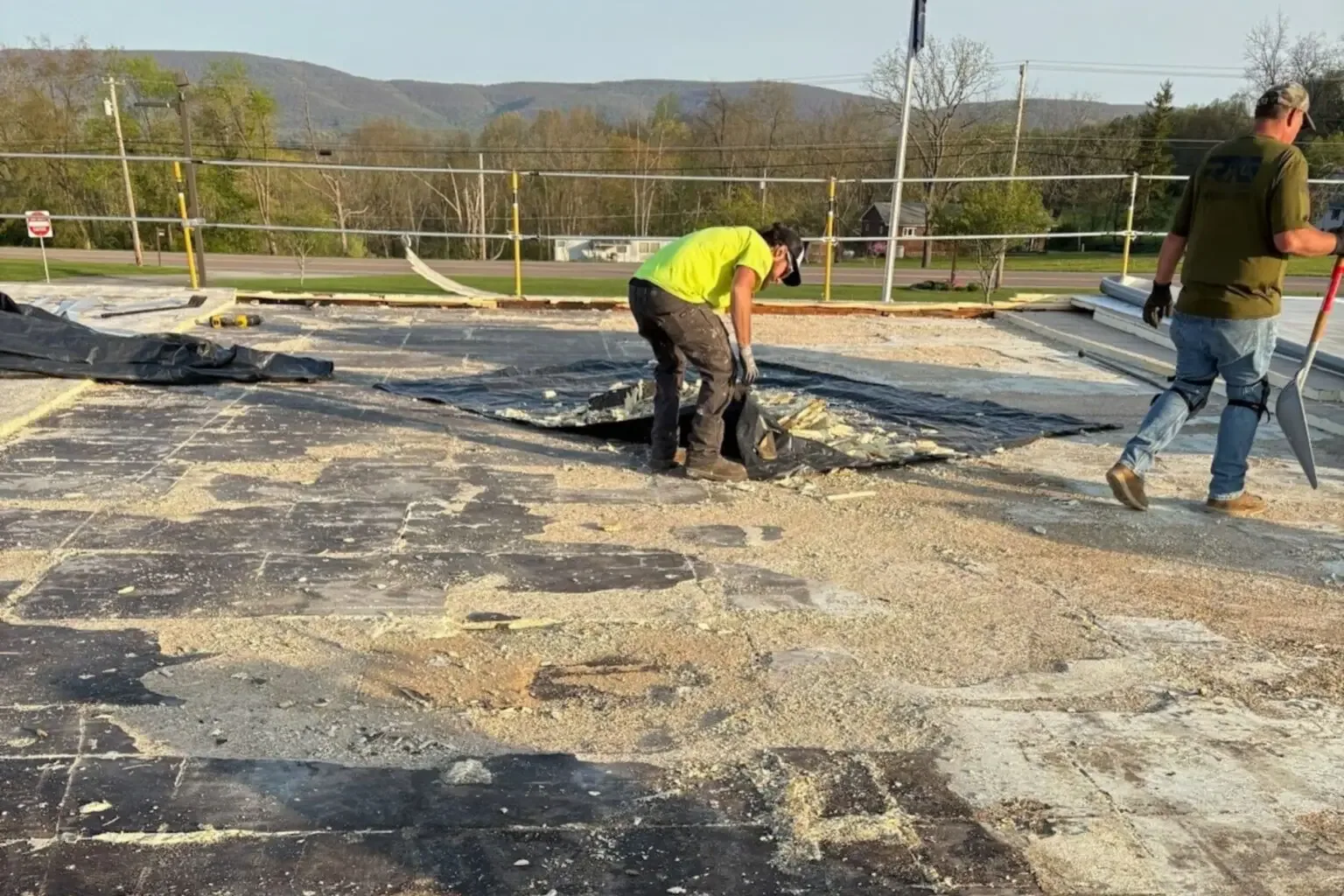
Tyler's average July high is 94.5°F, which makes heat a schedule input for surface preparation and adhesion-sensitive work. A climate normal cannot tell us the temperature of a particular roof. We take actual substrate readings, follow product instructions, and release each zone only when conditions support the planned task. If the surface is outside its required range, the work moves to another step or period and the schedule records the weather delay.
Storm follow-up checks membrane fields, seams, flashings, edge metal, roof penetrations, loose materials, and drainage. We distinguish visible damage from areas that require further access or testing, and photograph findings before permanent repairs cover them. A storm repair package can list temporary protection, permanent repair, and insurer documentation as distinct tasks. Tyler has recorded tornadoes, while regional hail and wind exposure adds reason to keep post-event observations tied to actual roof conditions.
Work-zone turnover and center records
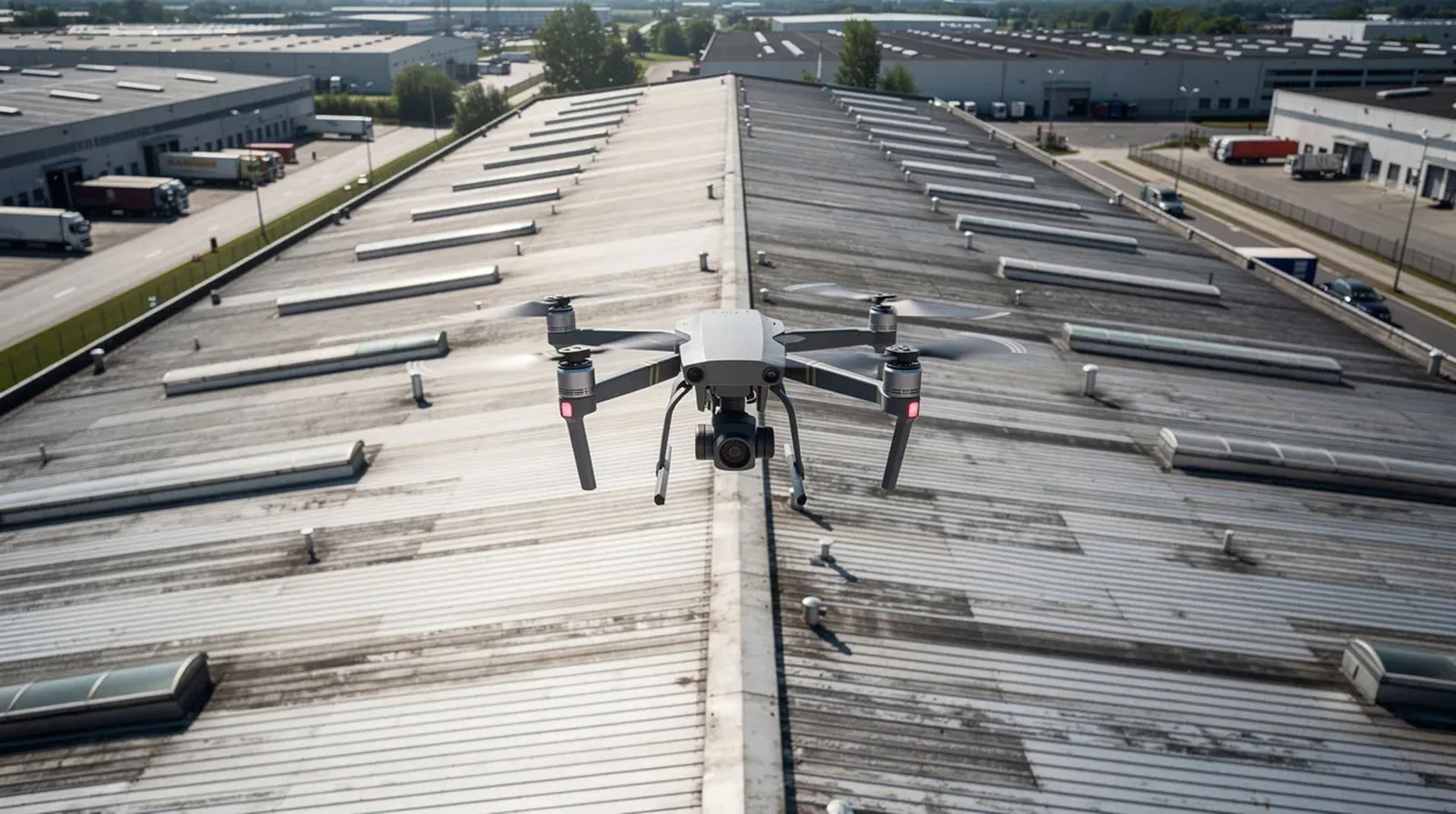
Each shift closes the active roof section against the forecast and confirms that drains, walk paths, and temporary details are secure. The next crew receives the roof map, completed work, open test points, and any access limitation. Tenant representatives need a clear update about the area below, the expected work period, and when the space may return to normal circulation. A phased occupied-building plan brings roof-zone release and tenant coordination into the same sequence.
Final turnover includes photos, repair locations, product and test notes, remaining recommendations, and any follow-up inspection dates. This lets an asset manager compare future leaks with the completed scope and decide whether a broader capital package is needed. For neighboring large-format retail roofs and grocery buildings, similar coordination can matter, but roof assemblies and operating windows must be evaluated separately. Provide the roof plan, known leak reports, assembly information, tenant restrictions, and decision deadline; we will return a sequence with release points marked.
Commercial Roofing Questions
How can tenants remain open during roof repairs?
We coordinate overhead zones, entrance protection, delivery areas, and noisy work periods with the property contact. A phased sequence can keep selected storefronts operating while a separate section is repaired, provided safe access and daily closeout are maintained. Tenant communication identifies the affected area and expected work window before the crew begins.
Does a leak above one tenant mean that bay needs a full roof replacement?
No. We trace the path through seams, penetrations, drains, and nearby roof zones, then check moisture and assembly condition. A local defect with sound surrounding material may support repair. Broader wet insulation, repeated failures, or compromised deck can extend the scope. The report marks what is confirmed and what needs testing.
What should be checked after hail or damaging wind?
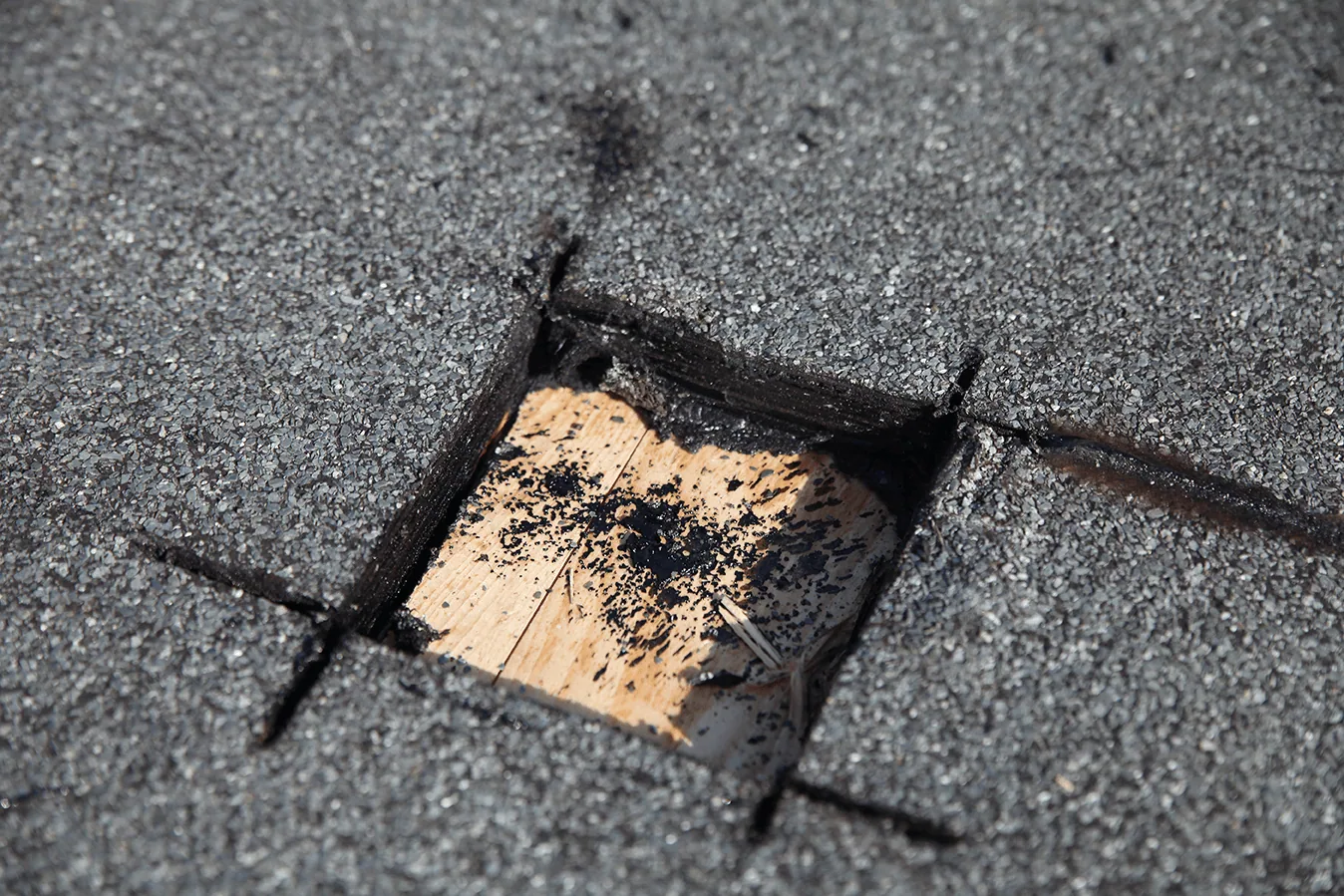
The review covers the membrane or metal field, edges, flashings, curbs, drains, and interior reports. We photograph visible conditions by zone and note any area that needs safe access or a test. Temporary protection and permanent repair are recorded separately so the property team can track each decision.
Can a coating restore an older shopping center roof?
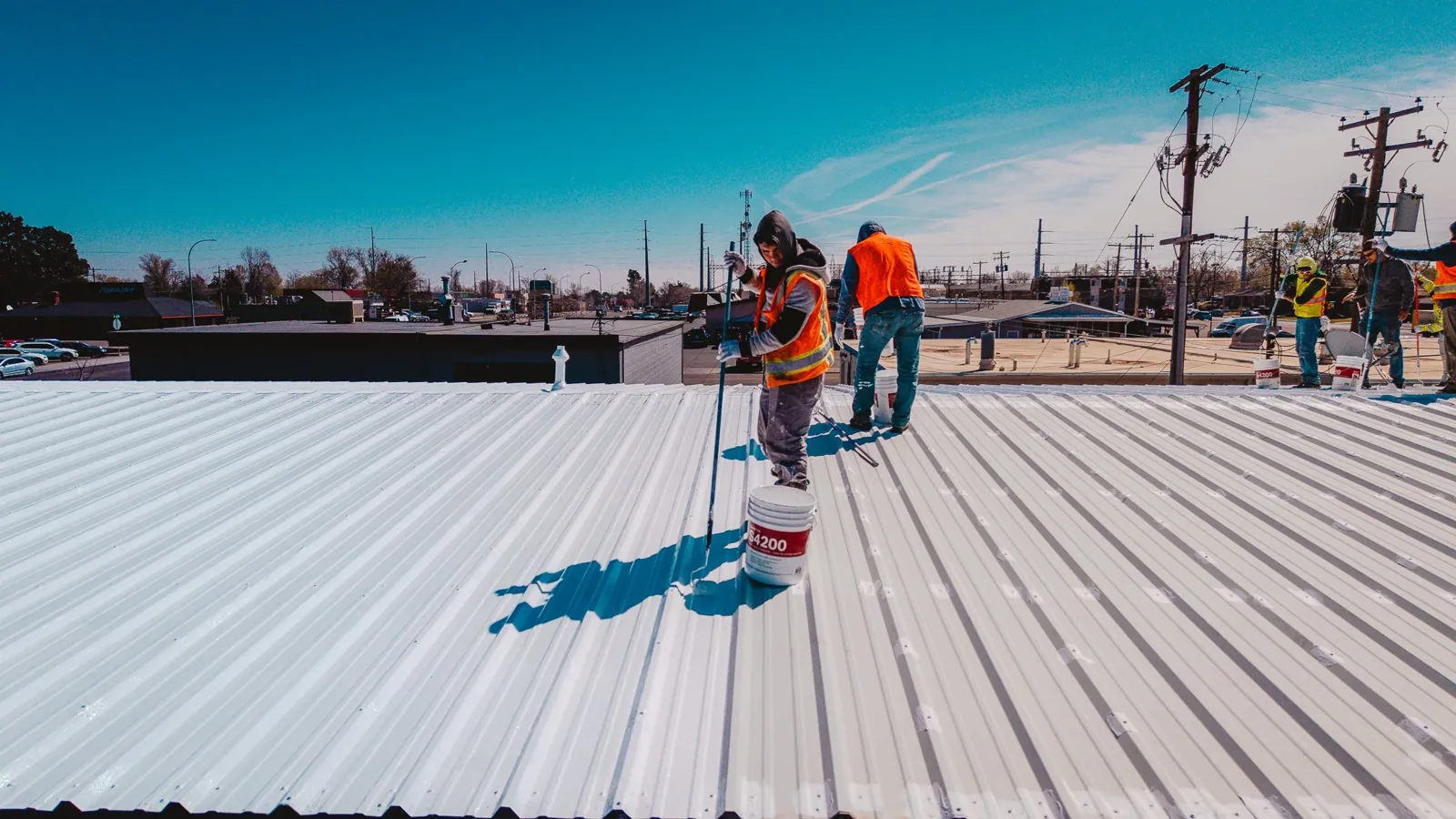
A coating may be considered only if the existing assembly, adhesion, moisture, drainage, and detail conditions support it. We inspect and test the substrate before recommending that path. Open seams, wet insulation, trapped moisture, or weak attachment may require repair or replacement work before any restoration system is considered.
What information helps price work across several tenant bays?
Roof plans, assembly records, leak dates and locations, prior repairs, tenant hours, loading limits, and access rules help define the work package. We compare those materials with site observations and identify test points or conditions that could change the scope before the owner approves a schedule.
Related Pages
Commercial Roof Inspection
Tyler, TX
Tyler
Tyler, TX
PVC Roofing
Tyler, TX

Commercial Roof Repair
Tyler, TX
Sequence shopping center roof work
Send the roof plan, assembly records, leak locations, tenant access limits, and target decision date. We will return a roof-zone sequence with tests, staging needs, and closeout points.