
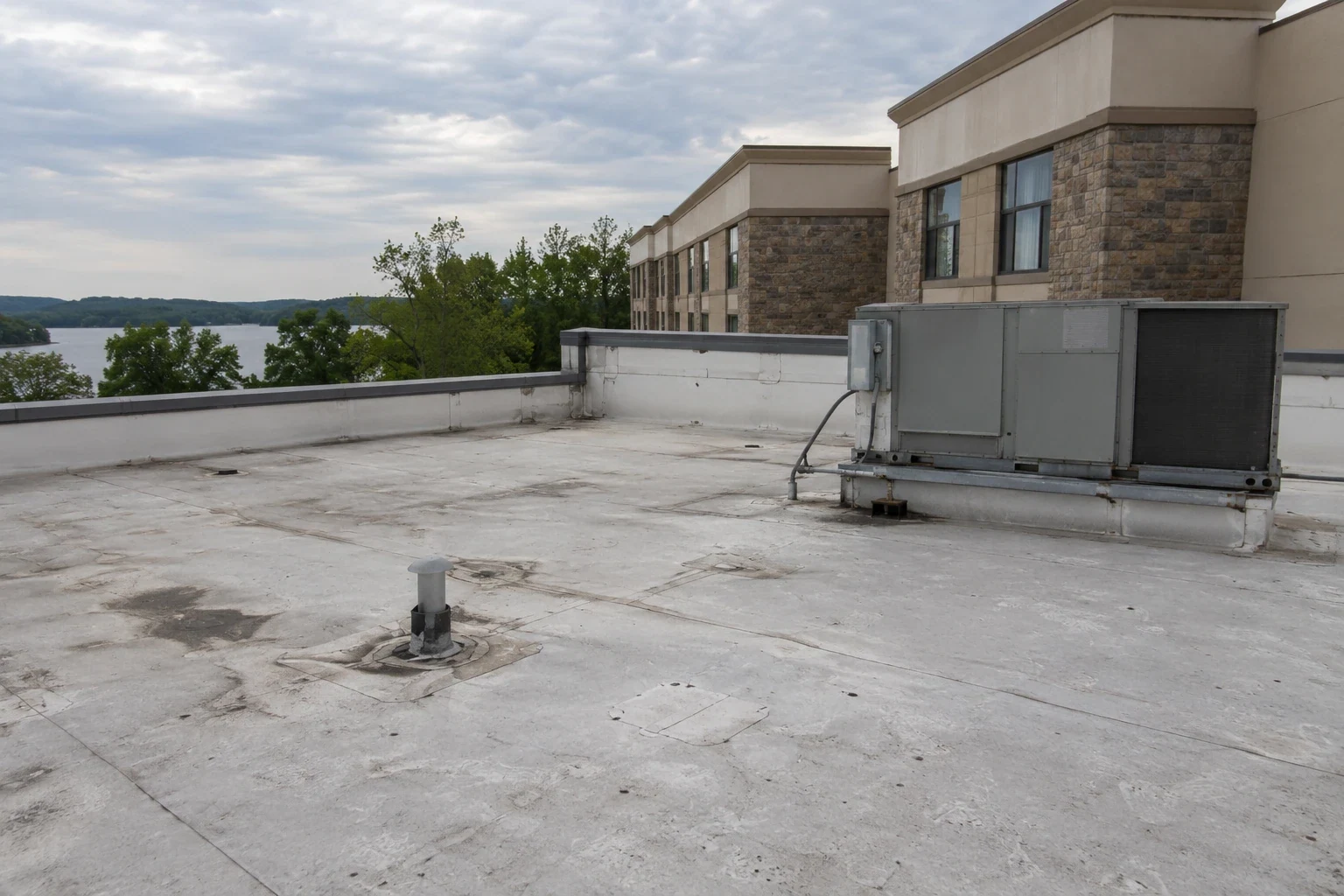
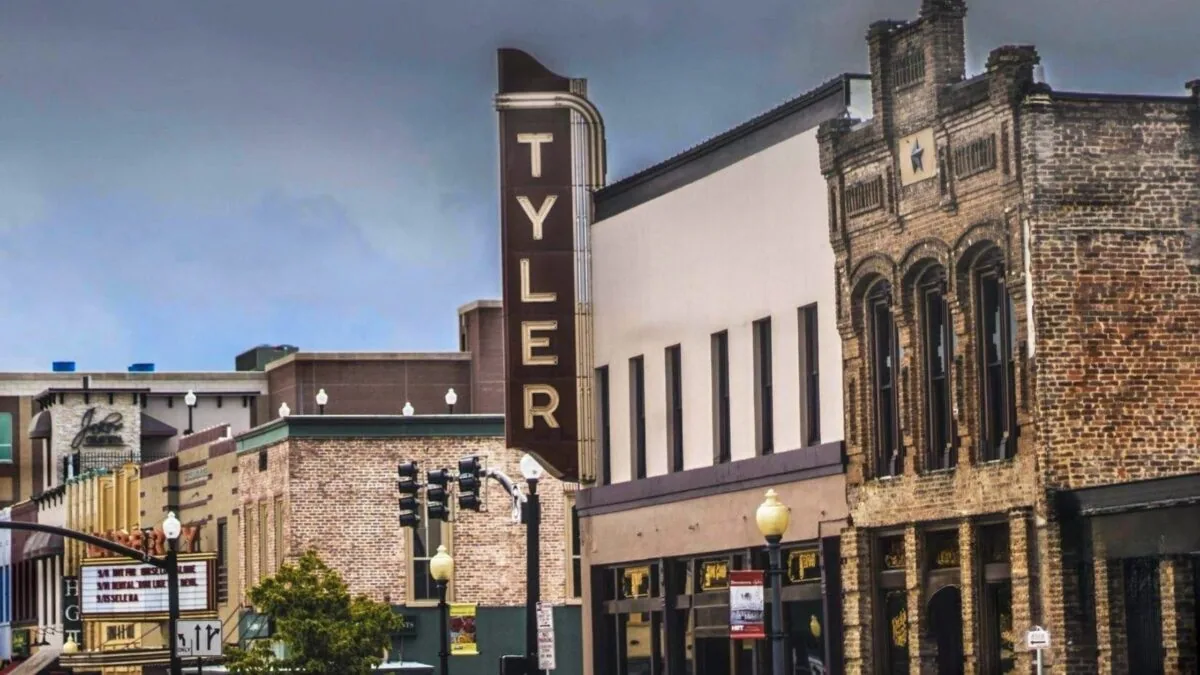
A large retail roof in Tyler, TX gives wind and hail many details to test, from long membrane seams and perimeter metal to rooftop units and drain paths. Following Tyler's spring or autumn storms, we map each roof zone, photograph visible damage, and separate immediate protection from permanent repair. Thunderstorms in the region can drop large hail and push damaging wind, and Tyler’s record includes tornado exposure. South Broadway and Bullard U.S. 69 Commercial Corridor serve different retail patterns, so delivery routes, customer access, and work staging need to be set for the actual property.
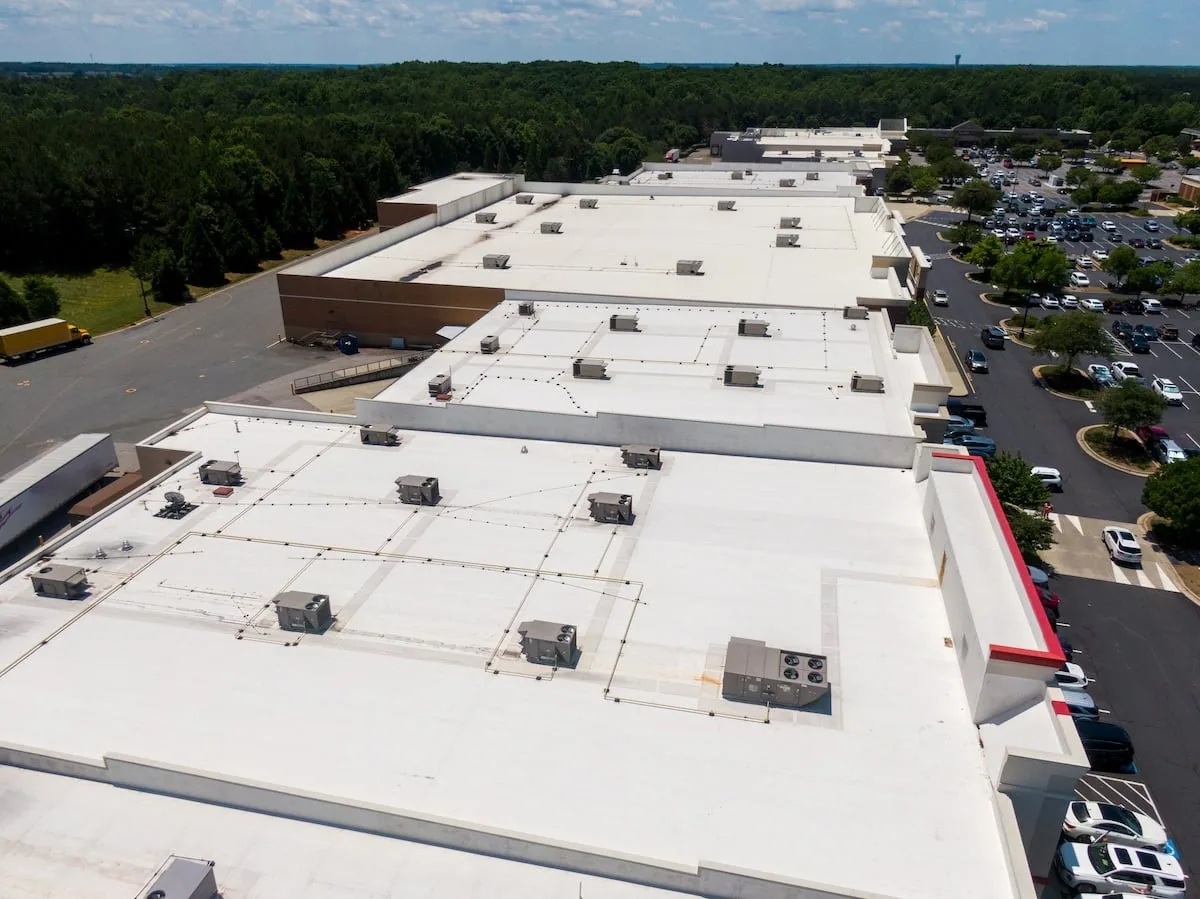
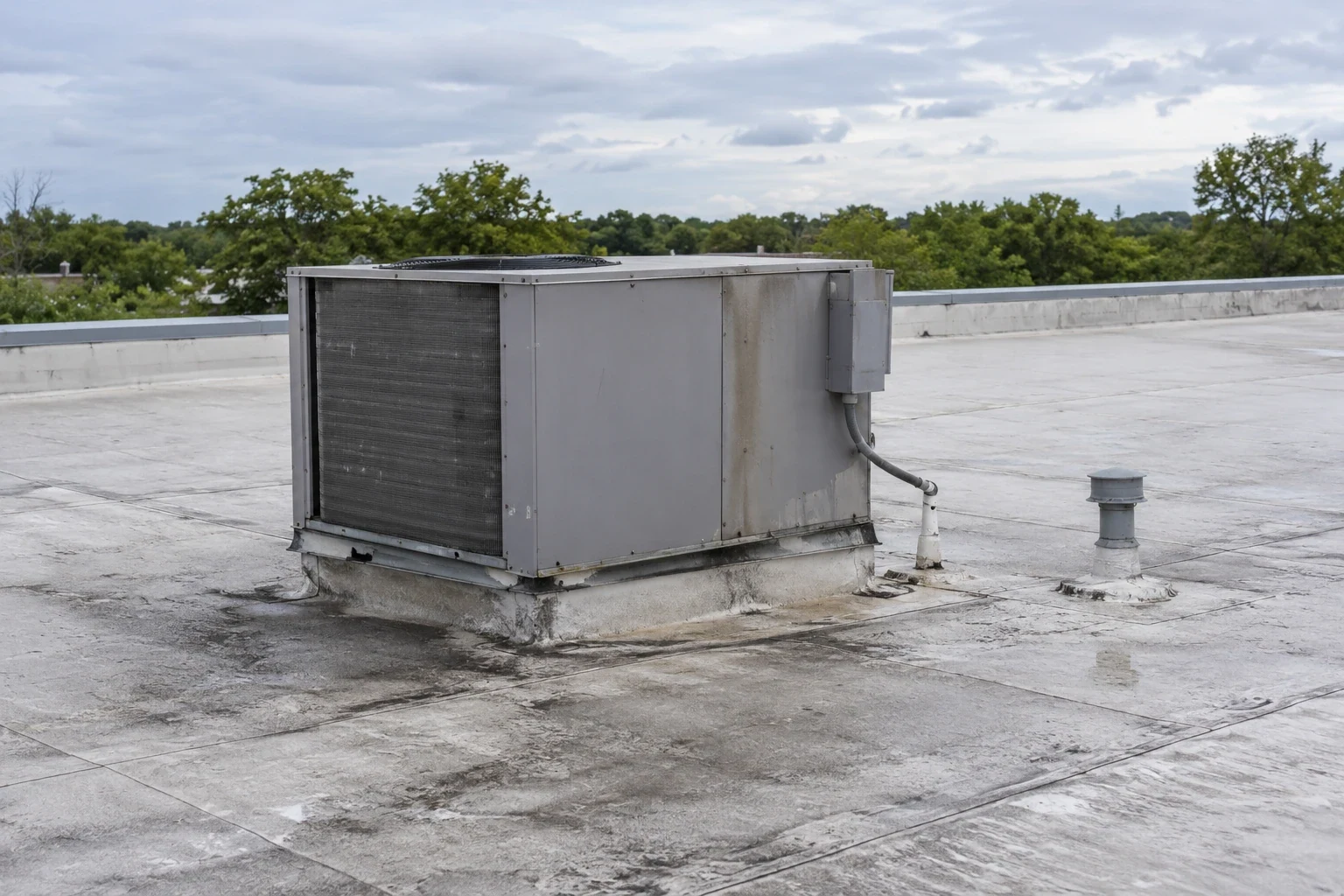
Big-box facilities often carry broad roof fields with equipment, skylights, and service paths above an active sales floor and loading area. A ceiling report may identify where water appeared, but the roof path still needs tracing. We check seams, penetrations, curbs, drains, edges, and transitions, then align observations with assembly records. The survey marks the roof zones and test points, while the Tyler work plan coordinates access and daily closeout.
Large roof zones and interior risk
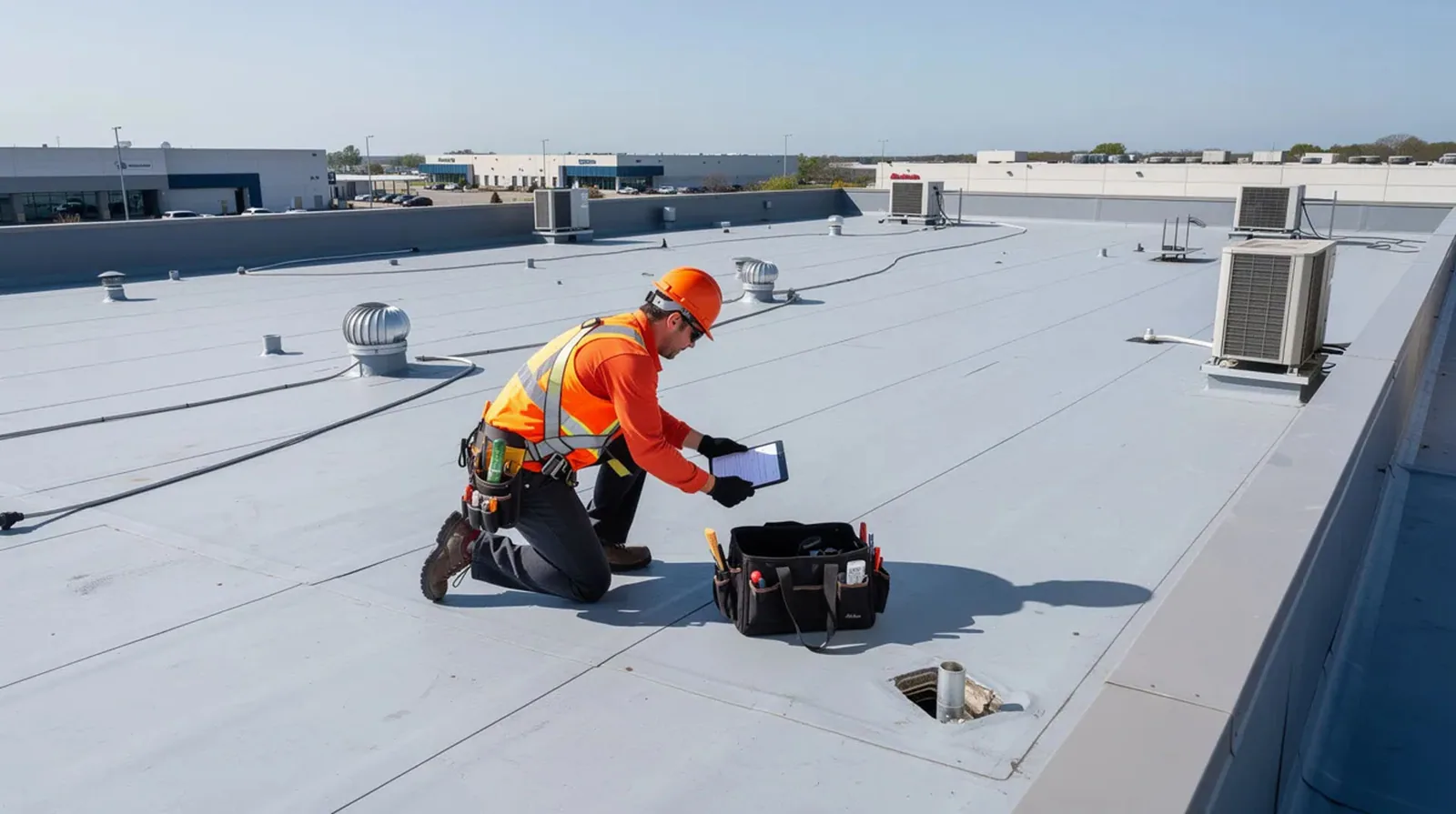
A broad roof should not be treated as one undivided work area. We mark drains, ridges, perimeter edges, equipment clusters, and interior spaces that need protection, then link those boundaries with known leaks and prior repairs. A wet insulation pattern can extend beyond the ceiling stain, while an isolated puncture may remain limited. Infrared review, test cuts, or other agreed checks clarify the boundary before removal or recovery expands the work package.
Retail operations add constraints below the roof: customers, staff, receiving, refrigeration, and stock movement. The property contact identifies busy periods, loading access, fire lanes, roof hatch controls, and any area requiring protection. A crew release should specify where tear-off or hot work may occur, who communicates with store operations, and what condition is required at the end of the shift. These details help prevent a roof schedule from colliding with an active delivery or sales period.
Drainage and water entry points
Long drain paths can collect debris and ponding over a large-format roof, particularly where insulation slopes or old additions interrupt the route. We inspect drains, scuppers, crickets, sump areas, and discharge points, then record standing water and visible blockage. The inspection also follows water around curbs and penetrations, because an apparent drainage problem can coexist with a separate flashing failure. We note the location of each condition and the next access or test required.
When water has reached the deck or interior, temporary protection should keep the area controlled while permanent scope is developed. The report records the affected roof zone, interior location, moisture indication, and any condition that needs a test cut. If wet material is widespread, repair quantity and disposal can change; where the problem is limited, a targeted repair may remain appropriate. The owner receives a clear boundary for each option rather than a single allowance covering unknown areas.
Membrane and metal system decisions
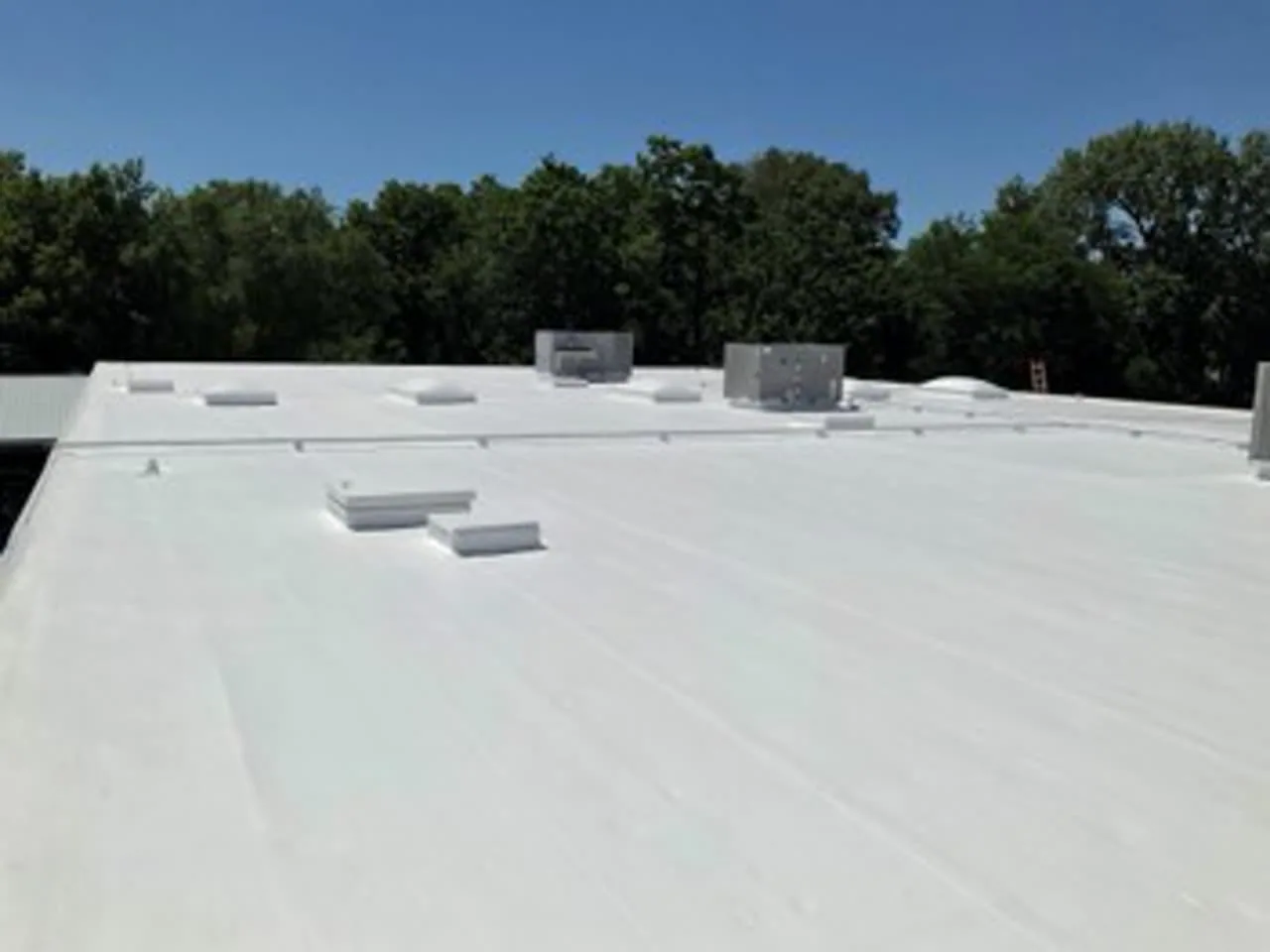
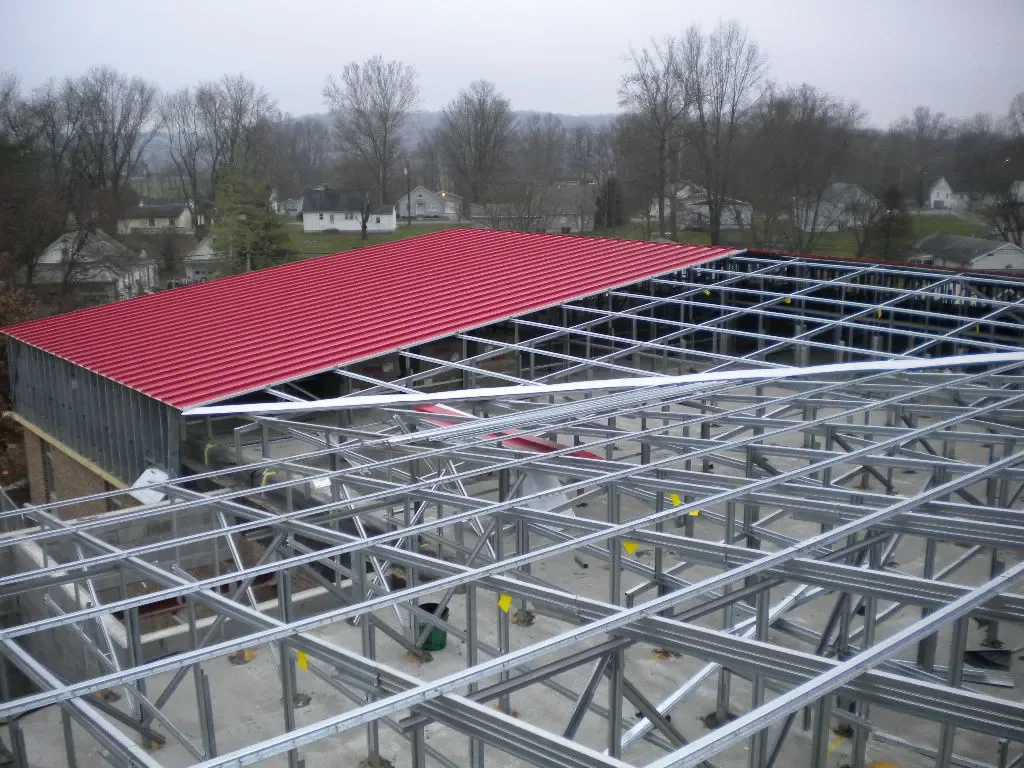
Existing roofs may use TPO, PVC, EPDM, modified bitumen, built-up roofing, retrofit metal, or multiple assemblies added over time. We identify the system and its attachment before specifying repairs. Seam condition, edge design, curb flashing, roof traffic, drainage, and deck support affect which replacement or restoration path is workable. A TPO system may suit a compatible low-slope assembly, while a metal retrofit addresses a different roof profile and attachment condition.
A recover avoids removing an existing roof only when moisture, attachment, height, drainage, and applicable code constraints support another layer. We use selected test cuts and substrate checks before recommending a recover scope. Widespread wet insulation, repeated failures, or weakened deck may move the recommendation toward replacement. A replacement scope must state tear-off limits, material staging, temporary protection, and the conditions that would require a field change.
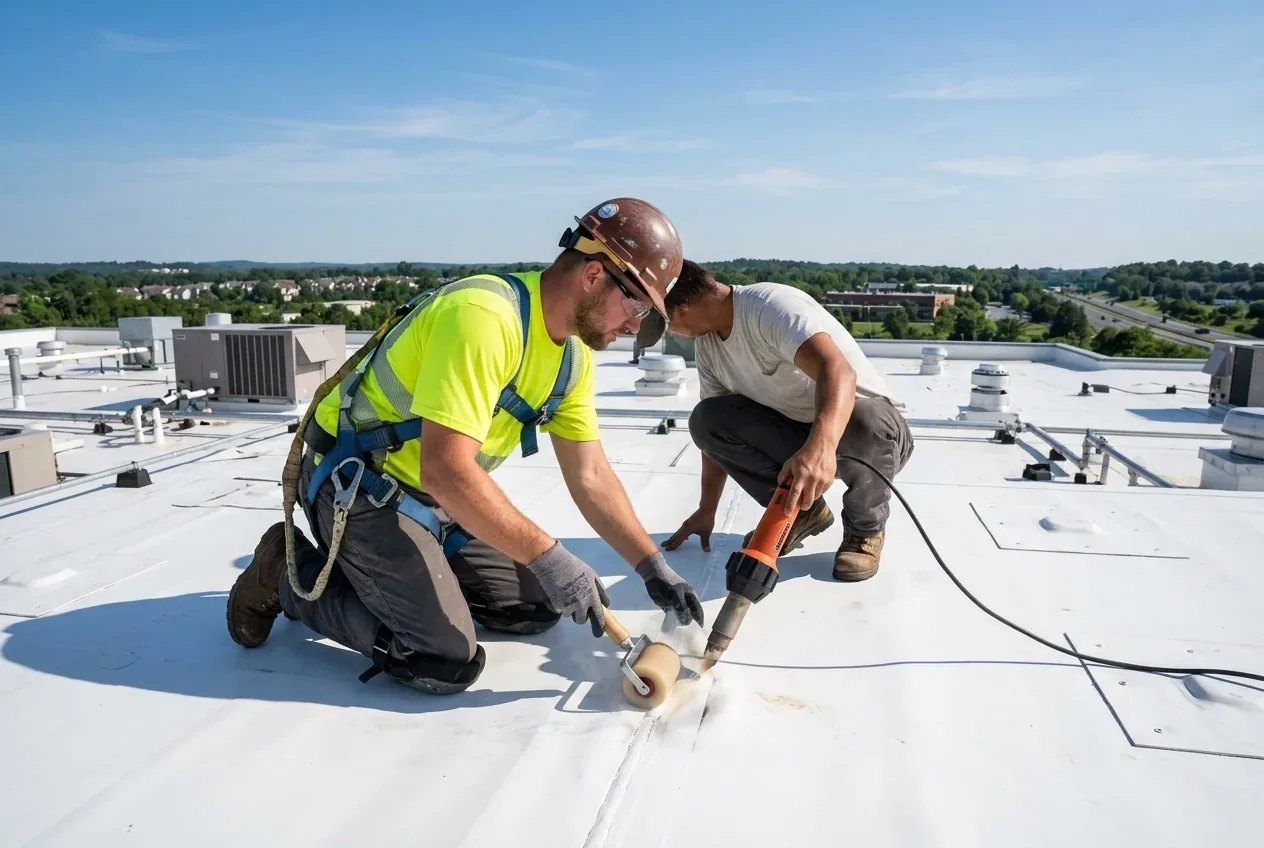
Heat-sensitive work and storm checks
Tyler's normal July high averages 94.5°F. That supports heat-aware scheduling, yet no city normal substitutes for a roof-surface reading. Adhesives, coatings, and flashing compounds have product limits that apply at installation. We check substrate conditions, follow the specified preparation sequence, and release work only when the current roof zone is ready. If a hot surface changes adhesion or cure conditions, the schedule shifts to a compatible task and records the weather delay.
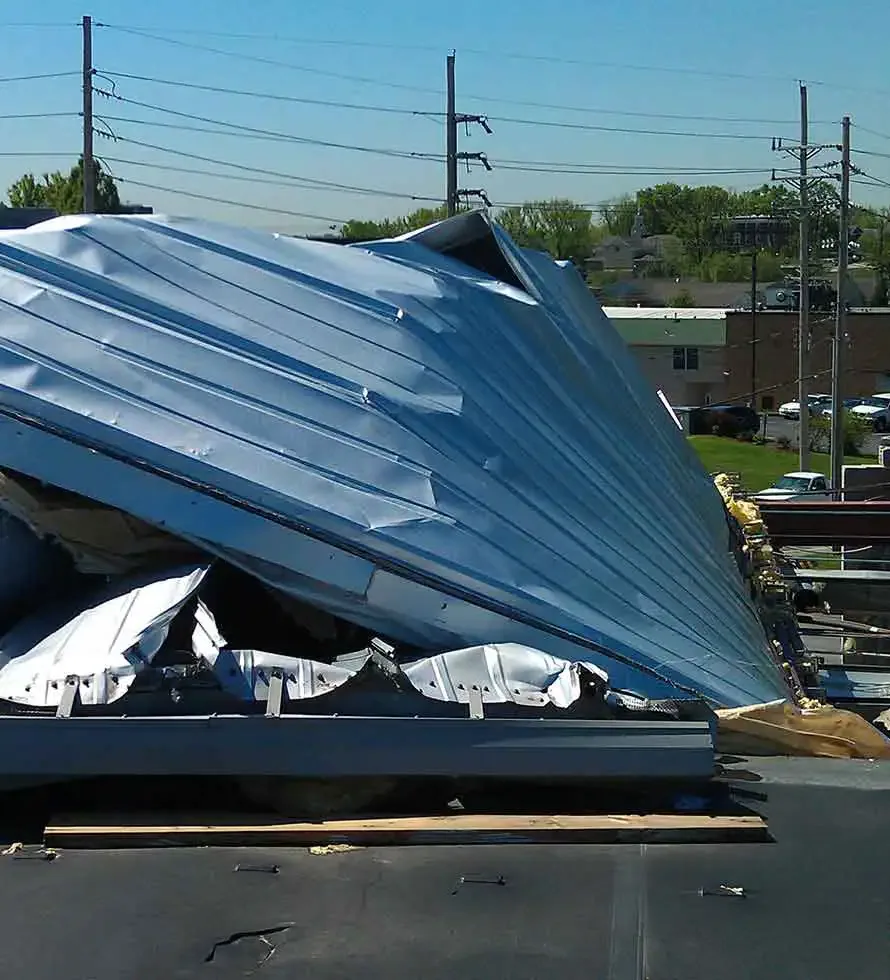
After severe weather, the inspection checks hail marks or punctures, lifted seams, edge metal, flashings, rooftop equipment attachments, drains, and any debris that could obstruct drainage. Visible conditions are photographed and categorized by roof zone. A storm response package distinguishes temporary protection, testing, permanent repair, and insurer documentation. The findings remain specific to the property, since the storm pattern describes regional risk and does not establish damage on a particular roof.
Loading coordination and exposed-section closeout
Materials, lifts, dumpsters, and roof access need a route that keeps customer and receiving circulation clear. The property representative confirms approved areas, work hours, and any restrictions tied to active loading. We schedule tear-off and delivery in segments, keep the exposed area within the day's closeout capacity, and identify a hold point before work crosses into another roof zone. The handoff records temporary details, completed tests, weather changes, and the next release.
At turnover, the owner receives marked roof zones, dated photos, repair and test notes, product information, and any remaining maintenance action. A multi-property roof program can use consistent records when an owner manages more than one retail asset, while each building retains its own condition findings. A nearby shopping center roof may share access challenges, but its tenant configuration and drainage need a separate review. Grocery buildings add separate refrigeration and delivery needs. Provide the roof plan, assembly history, leak map, loading limits, and deadline; we will return a sequenced plan with roof-zone releases.
Commercial Roofing Questions
How do you keep stock and sales areas protected during tear-off?
We identify the rooms below each roof zone, mark daily exposure limits, and agree on interior protection and closeout requirements before removal. The work sequence ties material staging and debris movement to the approved loading route. If the deck or weather changes the planned limit, the crew secures the section and updates the property contact before continuing.
Can one roof inspection cover the full retail building?
A single mobilization can survey the roof, but findings are recorded by zones because drainage, equipment, repairs, and assembly transitions may differ across the area. We mark accessible sections, tests completed, and any areas that need another access window. The owner receives a record that supports separate scopes when condition is not uniform.
What makes a large retail roof a candidate for recovery?
The existing roof must have suitable moisture condition, attachment, deck support, drainage, and available height for another layer. We review those items with records and field tests before setting scope. Wet insulation, weak attachment, or unresolved water entry can make recovery unsuitable or require removal in defined areas.
What is documented after a hail or wind event?
We photograph visible membrane, edge, flashing, penetration, and drainage findings by roof zone, with interior reports and any follow-up tests noted. Temporary protection and lasting repair are kept as separate work items. Regional weather exposure explains why a review is useful, but the report describes only conditions observed at the property.
Which operating details affect the roof schedule?
Receiving periods, customer entrances, lift placement, roof hatch access, fire lanes, noise-sensitive times, and interior protection all affect sequencing. We use the property contact's approved windows to set crew handoffs and material movement, then update the plan if a weather delay or discovery changes the work package.
Related Pages
Set a controlled retail roof sequence
Provide the roof plan, assembly records, leak map, loading restrictions, and decision date. We will mark roof zones, tests, staging, heat-sensitive tasks, and daily closeout requirements.