
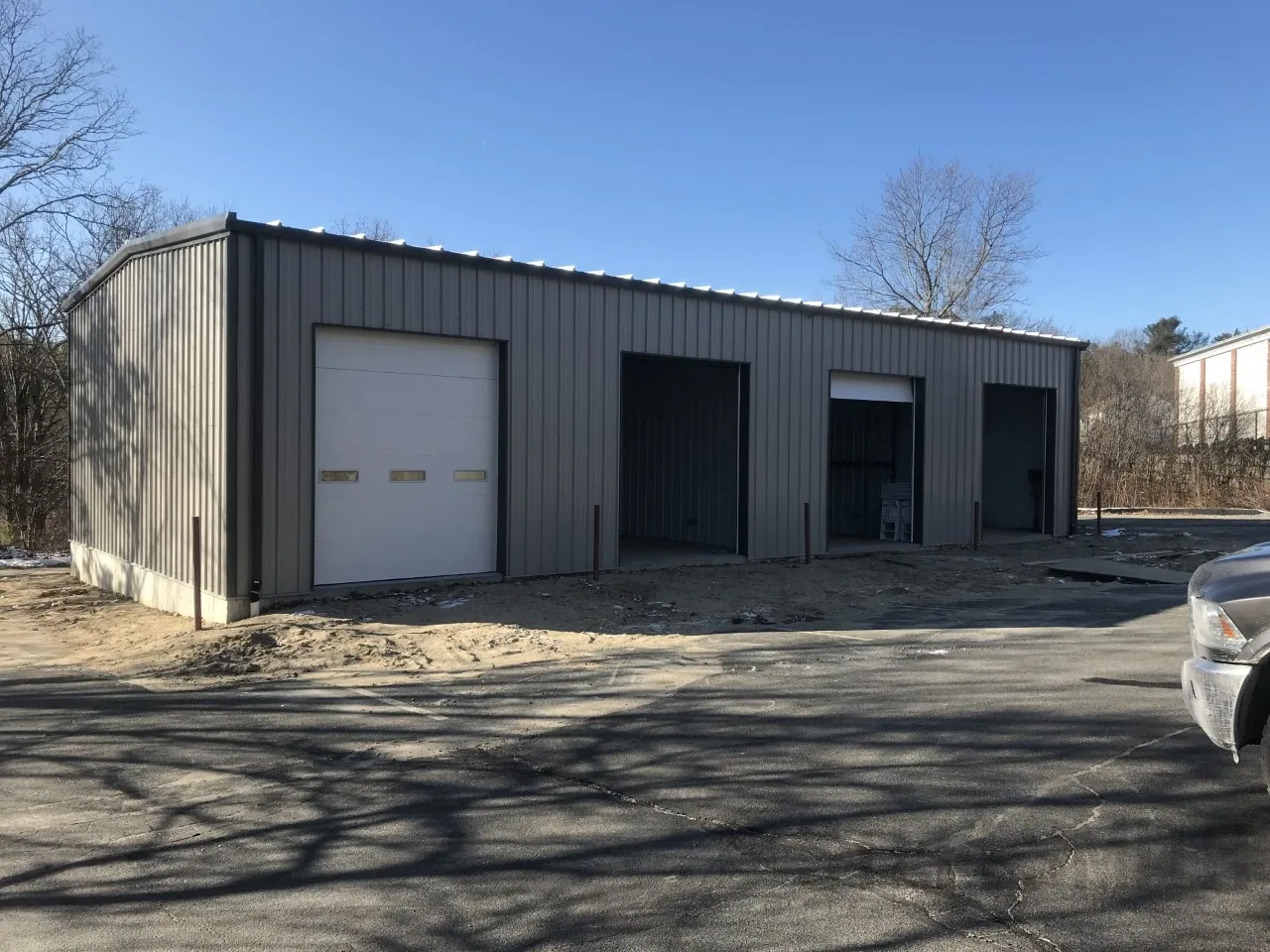
A flex industrial roof can cross office suites, light-production bays, storage areas, and shared service corridors, so the first release needs a tenant and roof map. Tyler’s normal July high averages 94.5°F, and the measured substrate controls adhesive or coating steps. We record which suites are active, where equipment and deliveries move, and who can release each work zone. The package links the roof boundary to interior use, access hours, and the closeout period.
Tyler Interstate Commerce Park and Prosperity Park are separate development areas, while each flex building has its own tenant mix, roof assembly, and access rules. A membrane field may meet metal panels, office parapets, rooftop units, drains, or later additions. We identify those interfaces and compare the building plan with leak reports before scoping work. A roof inspection documents the field condition and test points.
Tenant boundaries and shared access
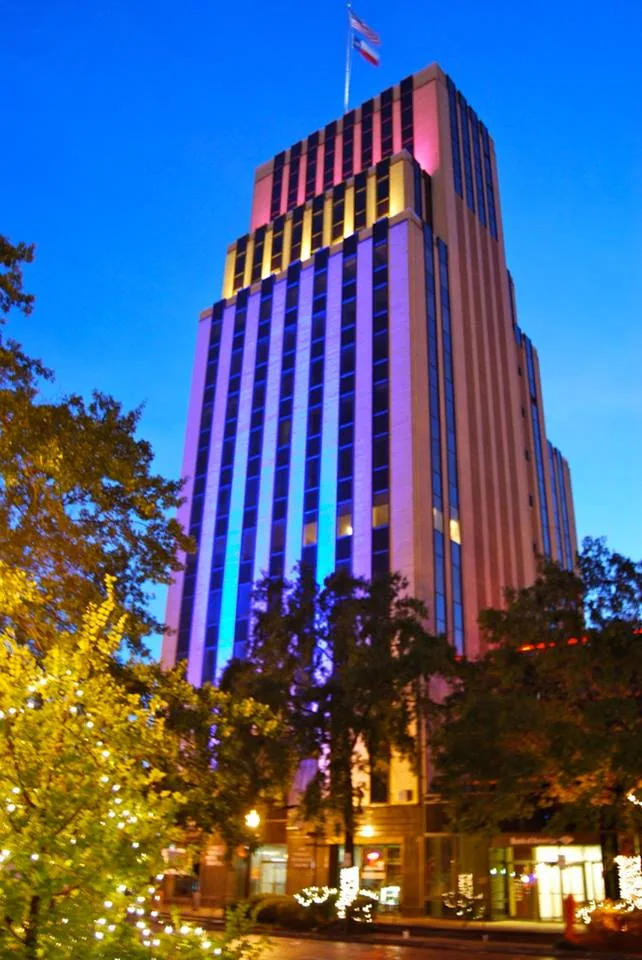
Before staging, we confirm suite entrances, loading doors, shared parking, delivery hours, visitor routes, and any area requiring interior protection. The property manager identifies tenants who need notice and the staff member authorized to approve access changes. A lift location or debris route can affect several suites even when the roof defect is local, so the daily plan names the boundary and shared path. Where access is limited, the work is divided into releases with a defined return condition.
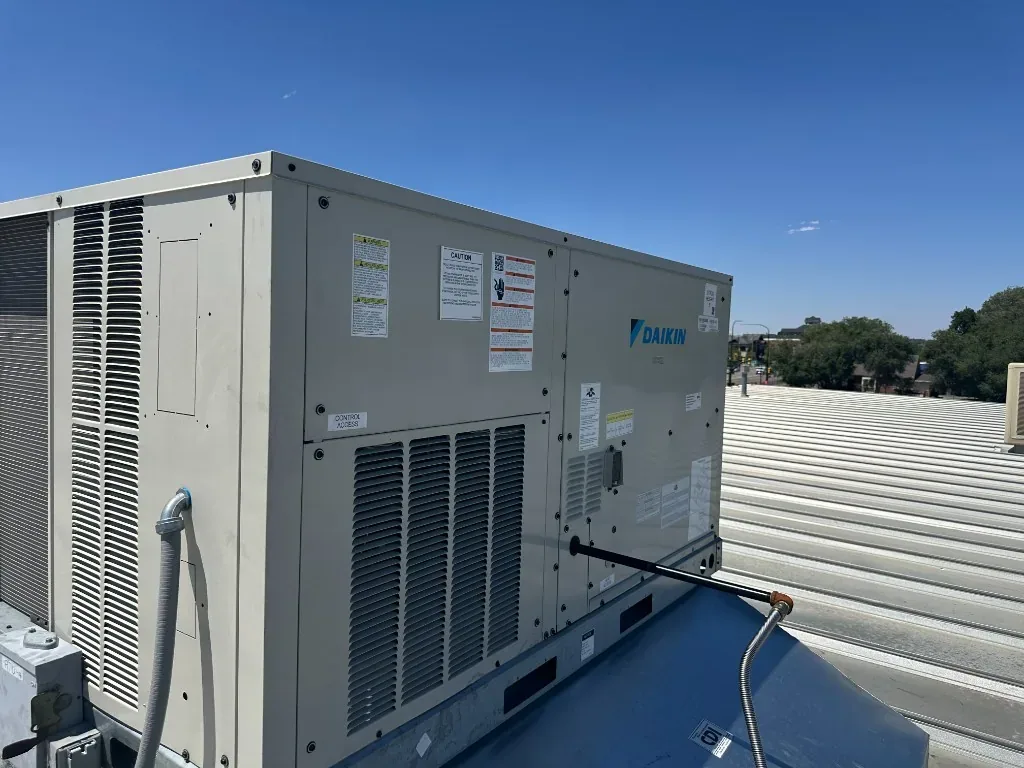
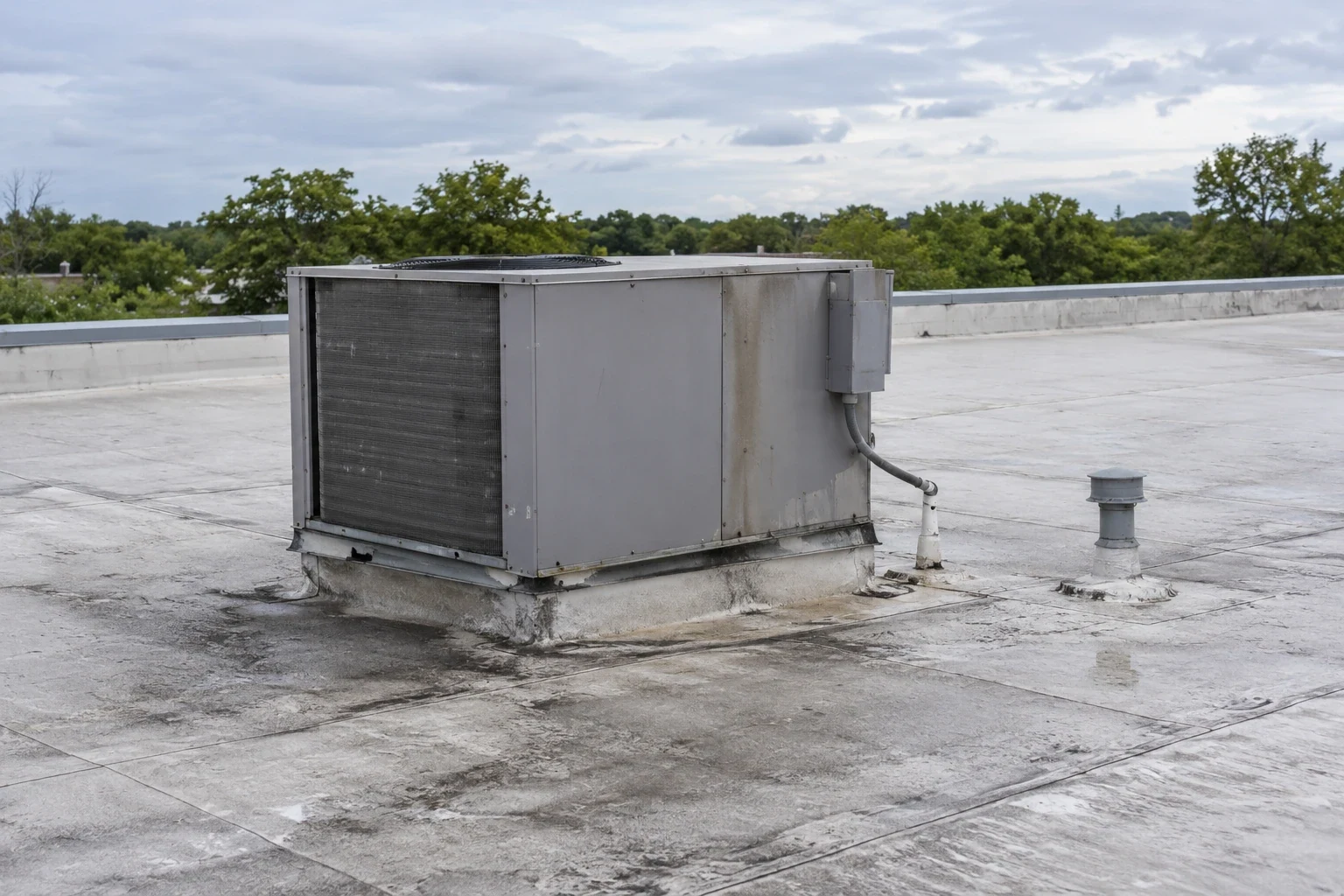
Office areas and industrial bays may have different noise, ventilation, and operating restrictions. We connect the roof activity to the room or suite below it and identify whether rooftop HVAC, exhaust, or electrical equipment needs a trade handoff. The project contact confirms safe operating limits before the crew opens a related detail. Similar coordination applies to warehouse roofs and manufacturing buildings, though their production and circulation plans may set different windows.
Leak tracing across connected suites
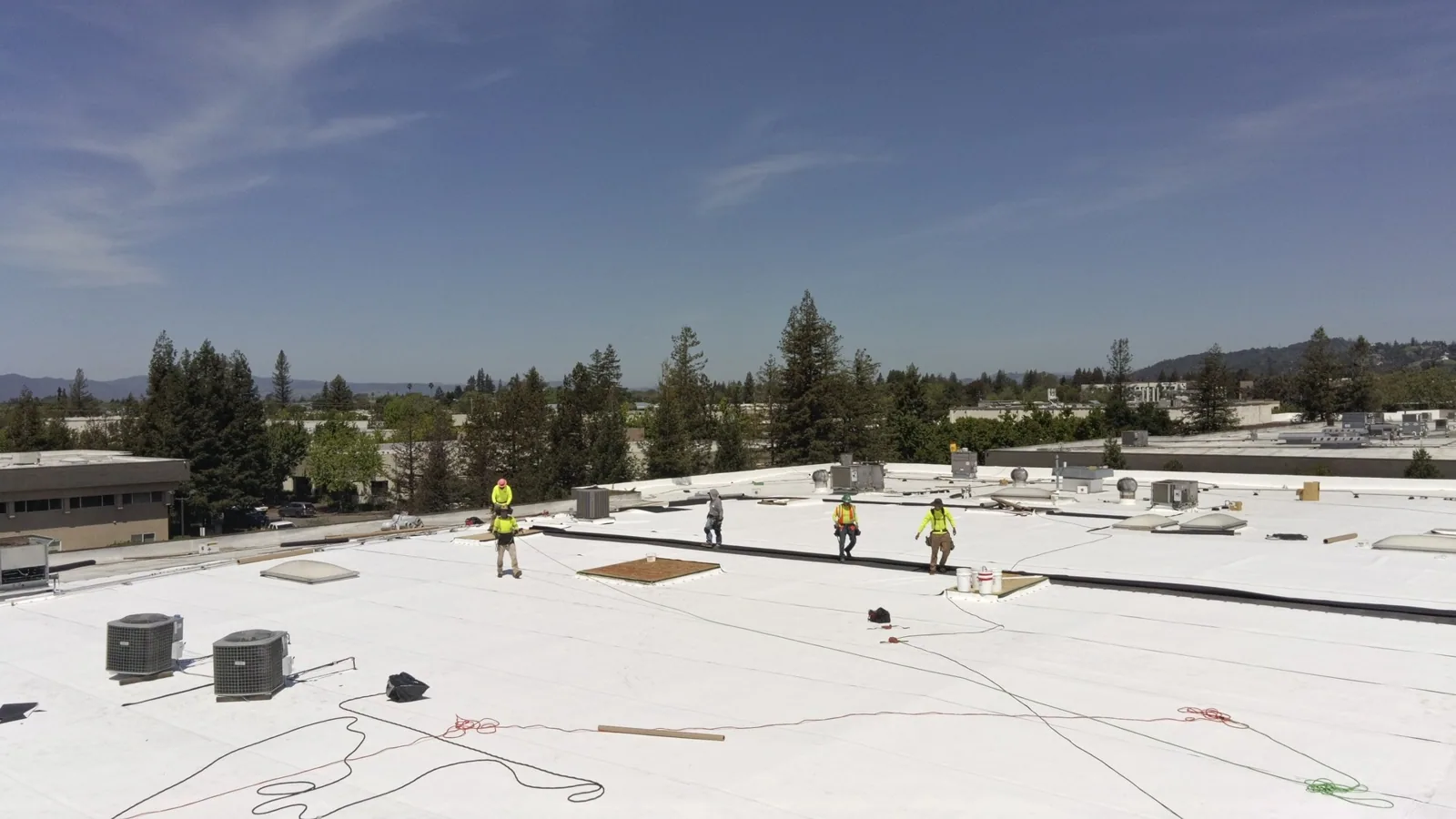
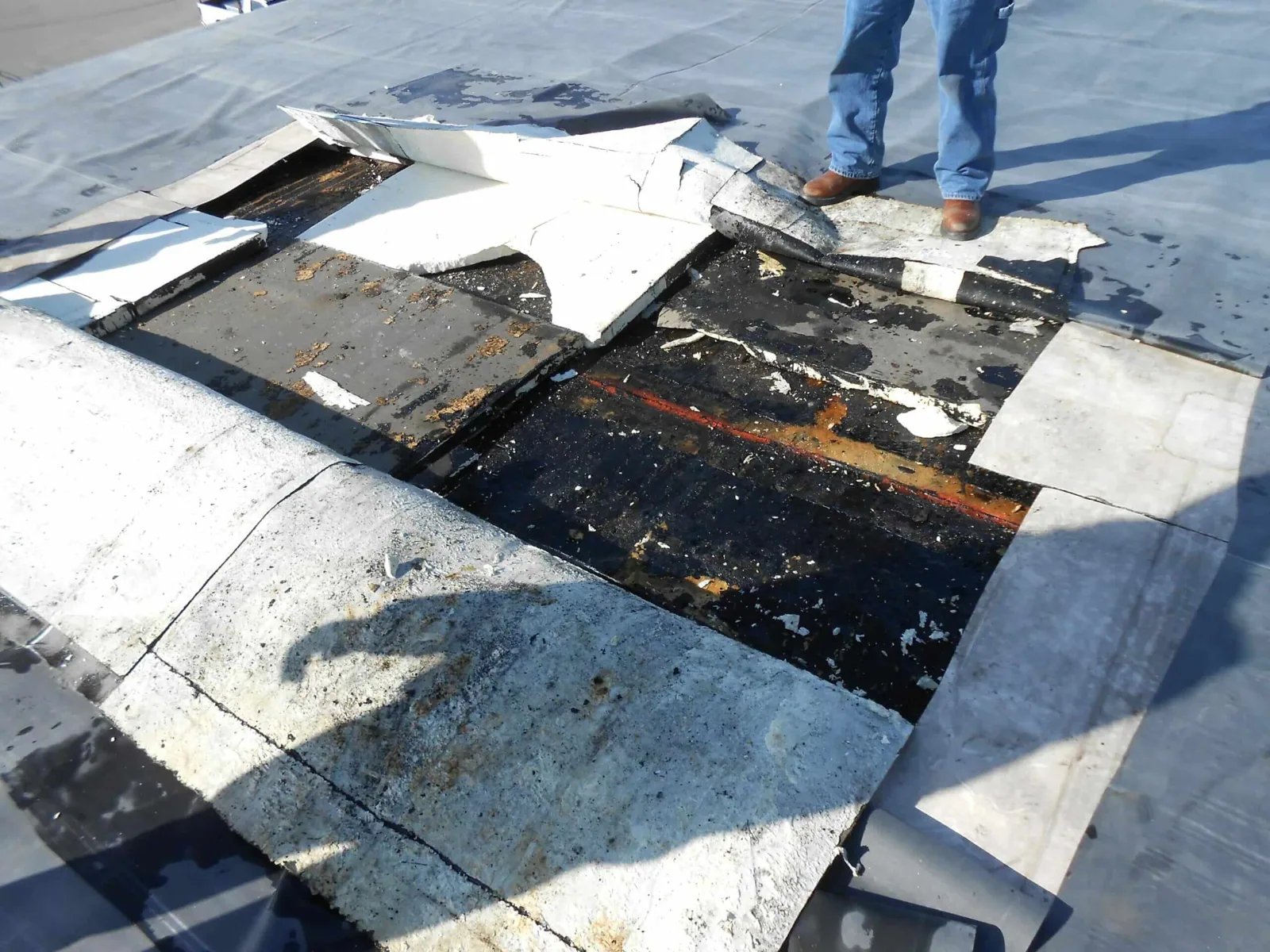
Water may appear in an office ceiling far from a seam or curb, especially where deck flutes, insulation joints, or framing carry it beyond the entry point. We log the suite, time, recent weather, and whether the condition continues, then inspect nearby roof zones and connected transitions. A stain on one side of a demising wall does not by itself set the roof boundary. Photographs and a marked plan show where we observed the condition and where additional testing would answer a scope question.
For multiple tenants, separate reports may lead to the same roof detail or to different defects. We compare locations rather than assuming each report needs an independent patch. Infrared readings can guide selective testing when the roof and weather conditions support interpretation. A cut test documents the layers and moisture at its point, and the opening is closed to the assembly requirements. Moisture mapping can help distinguish a focused repair from a wider area needing removal.
Mixed assemblies and equipment details
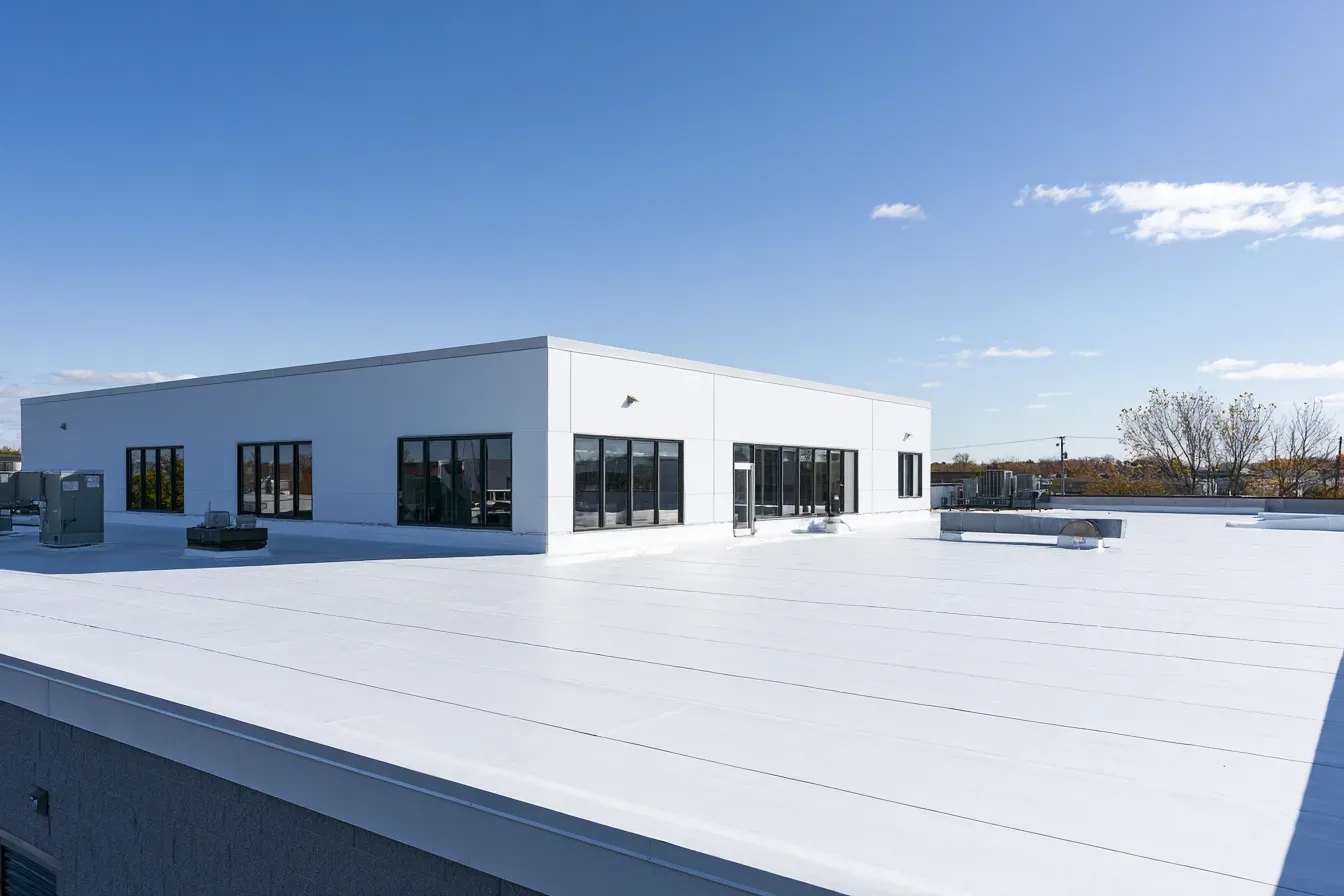
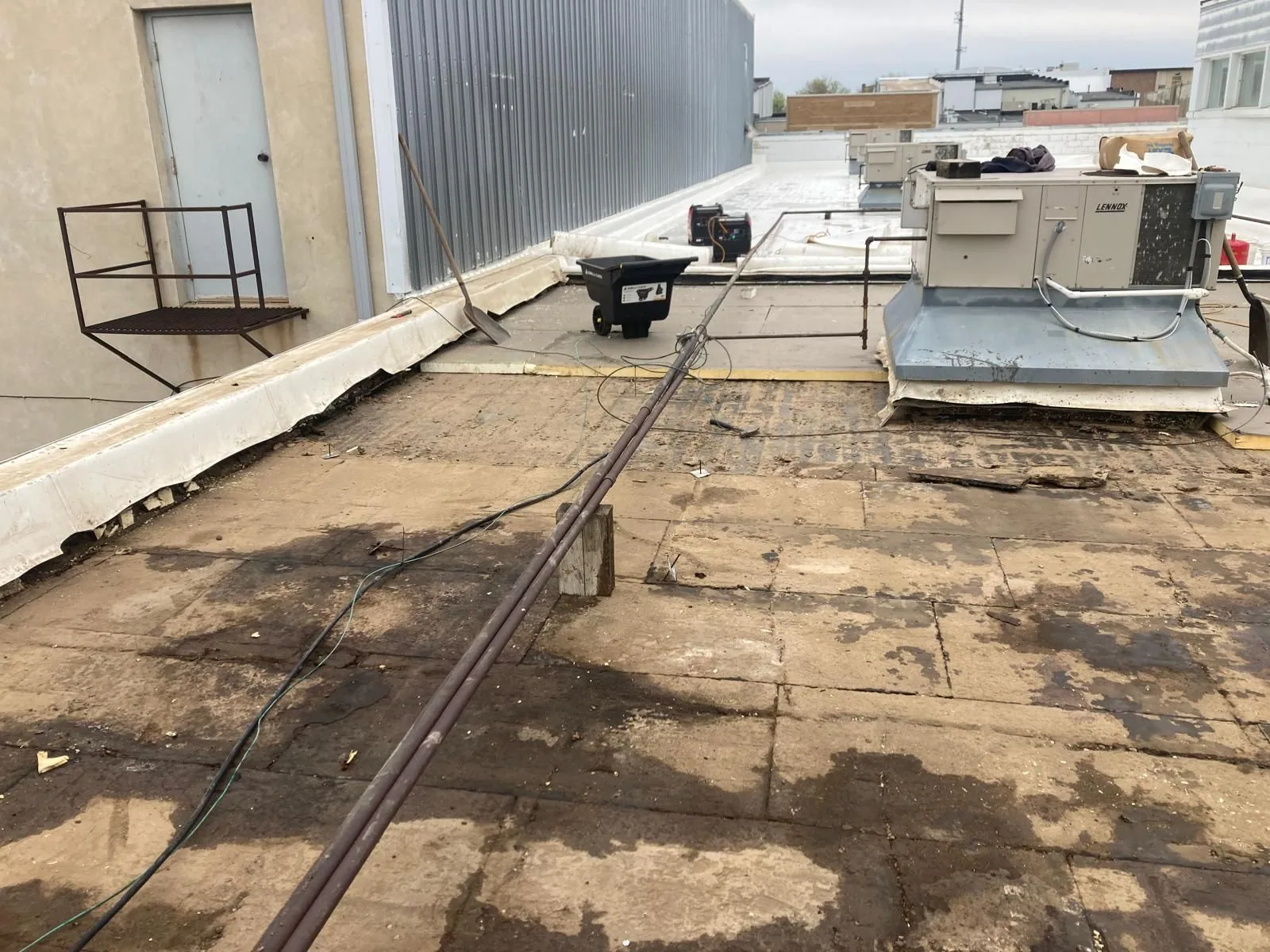
A flex property can combine a low-slope membrane, metal roof, or separate systems over office and bay additions. We verify the installed material and inspect seams, fasteners, perimeter terminations, rooftop curbs, skylights, and drain details. Repair materials must suit the assembly, while the proposal records transitions between systems as distinct work items. We do not treat a visually similar patch as compatible until the membrane or metal type is known.
Recovery is considered only if the existing roof is sufficiently dry, attached, and structurally suitable, with drainage and termination heights preserved. If there are several layers, wet insulation, or deck concerns, a test may change the recommendation. Replacement planning should address tenant routes, mechanical equipment, edge details, and the order for moving between suites. A recover review can document the suitability checks, while a curb coordination scope identifies roof details that need a mechanical trade release.
Heat, storm exposure, and daily closure
Tyler’s normal July high averages 94.5°F, but the roof surface varies by exposure and time. We take a substrate reading and check product limits before preparation, bonding, or coating. Shade, moisture, and wind affect the work window, and the crew marks a hold point when a task cannot proceed under its instructions. The schedule also sets a maximum opening area and the temporary protection needed if weather interrupts work.
Regional severe thunderstorms are common in spring and autumn and can bring large hail and damaging wind. Tyler also recorded a tornado on June 8, 2021. Following a storm, we inspect accessible seams, panel edges, penetrations, equipment supports, drains, and reported tenant areas. Findings are recorded by zone, with temporary protection separate from permanent corrections. Storm inspection and repair can document the conditions needing owner review or additional testing before the work boundary is expanded.

Multi-tenant work package and turnover
A flex property needs a closeout record that the manager can associate with the correct suite and roof section. We list work completed, photographs, drain checks, test results, access restrictions removed, and open approvals. If several crews or trades use the roof, the handoff states which areas are ready and which remain under protection. A condition report can keep separate buildings or sections connected to their repair and inspection history.
Cost and duration depend on the roof assembly, tenant access, staging, tear-off depth, wet insulation, equipment moves, edge work, and the number of separate releases. We identify those drivers in the work package and mark the condition that could change each allowance. For a building near Tyler Interstate Commerce Park, the I-20 and SH 155 location frames regional arrival; at any flex property, its own route and tenant hours set mobilization. Send the roof plan, assembly records, leak history, access rules, and decision deadline. We return a zone sequence with tests, approvals, and crew handoffs. The turnover also lists weather delays, temporary seals, work deferred for access, and the staff contact who can release the next area. For projects in Tyler Interstate Commerce Park and Prosperity Park, each building’s tenant contact approves its delivery route and next access release.
Commercial Roofing Questions
How do you keep tenant suites accessible during roof work?
We mark active suites, shared entrances, deliveries, loading doors, and routes below the roof zone. The property contact releases the work area and approves any temporary restriction. A handoff records the condition before access returns, including any protection that remains in place.
What helps identify which suite a roof leak comes from?
Record the room or suite, date, time, whether water continues, and any equipment or roof work nearby. We compare those details with roof zones, seams, curbs, drains, and transitions. Water can move before appearing inside, so a test may be needed before the repair limit is set.
Can a flex building use one roof system across all tenant areas?
Different sections may have separate assemblies, especially where additions meet the original roof. We identify each material and transition, then compare repair or replacement options by zone rather than assuming one system fits all tenant areas.
Does Tyler’s summer weather limit coating work?
The actual substrate reading and product requirements determine the suitable application period. We also check surface moisture and wind. Tyler’s July normal high is useful for schedule planning, while field conditions decide whether the prepared area can be coated.
What should a multi-tenant roof closeout include?
It should show the suite and roof-zone map, completed repairs, photographs, testing, drain checks, removed restrictions, and any open approval. We record who accepted the area and where the next maintenance or investigation begins. That keeps each tenant report connected to the right roof work.
Related Pages
Commercial Roof Inspection
Tyler, TX
Warehouse Roofing
Tyler, TX
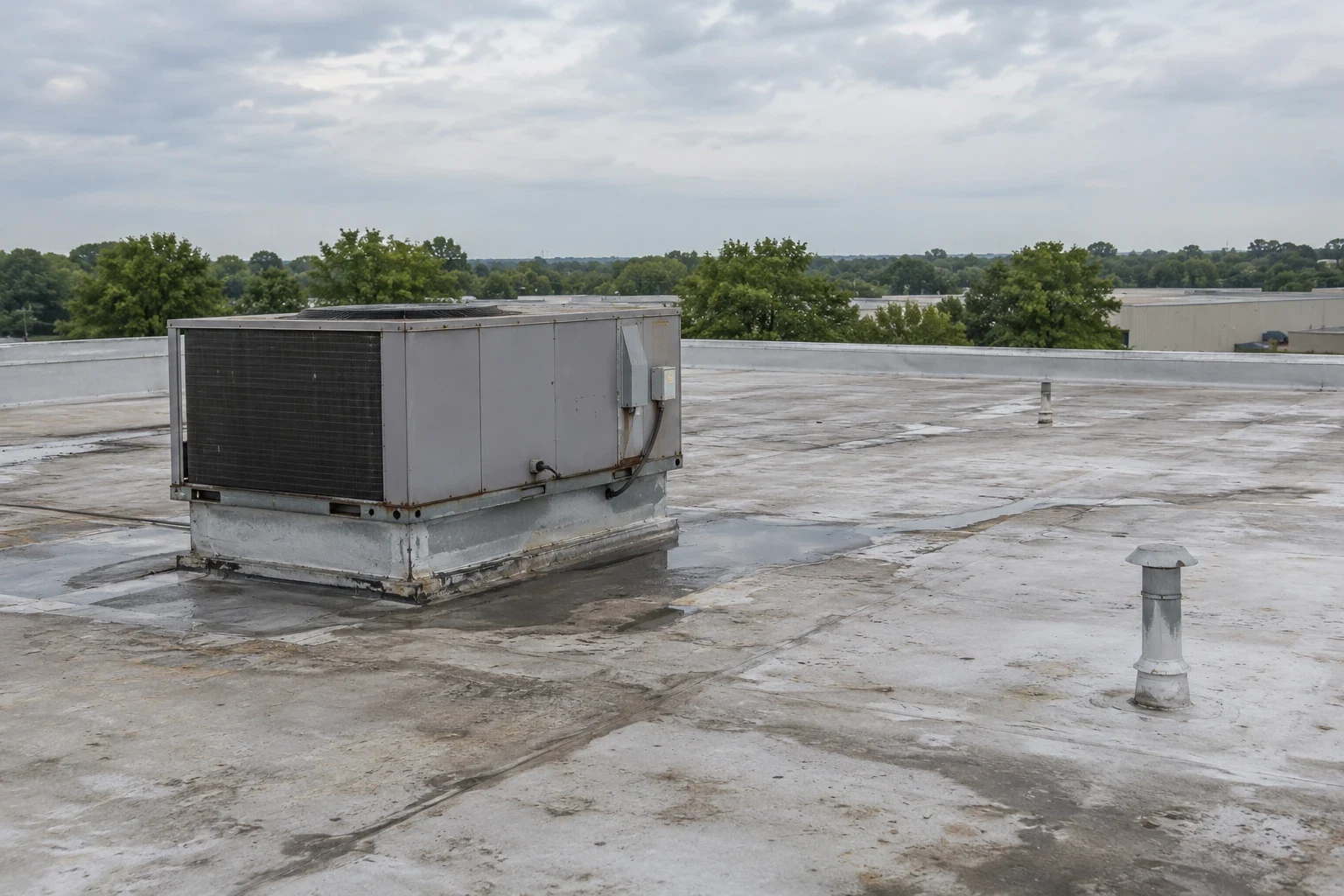
Manufacturing Plant Roofing
Tyler, TX
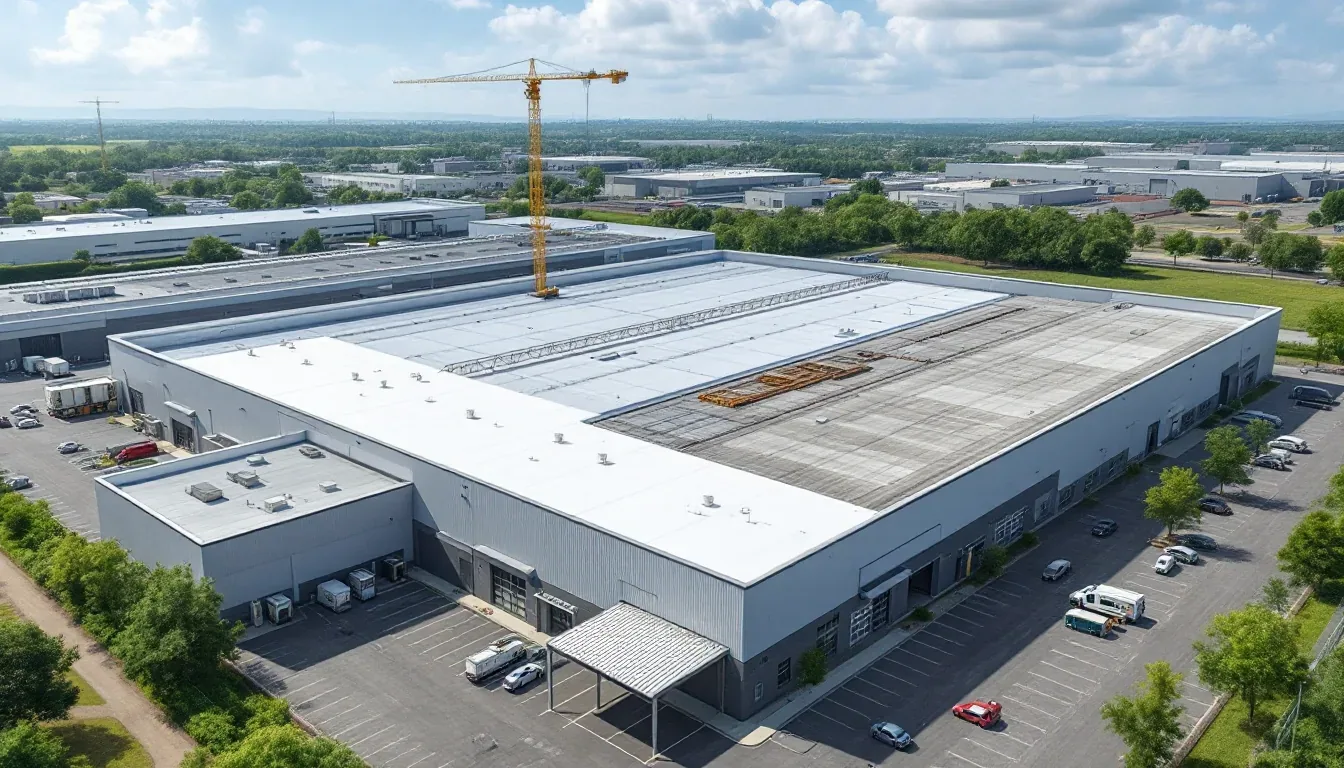
Infrared Roof Moisture Survey
Tyler, TX
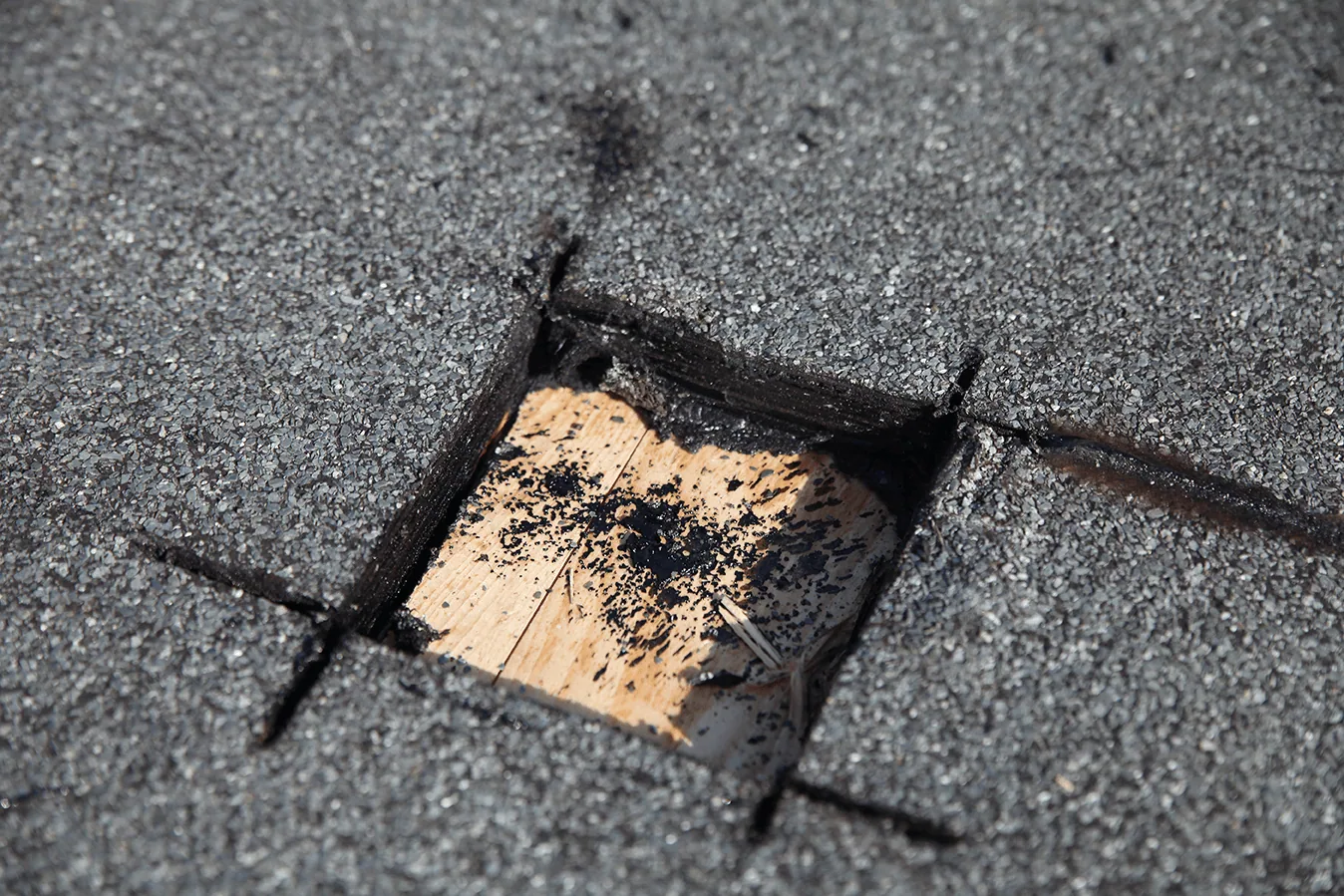
Set the flex building roof sequence
Send roof plans, assembly records, leak history by suite, tenant hours, equipment access, and the decision deadline. We will return a work package with roof zones, trade handoffs, test points, weather holds, and turnover steps.