
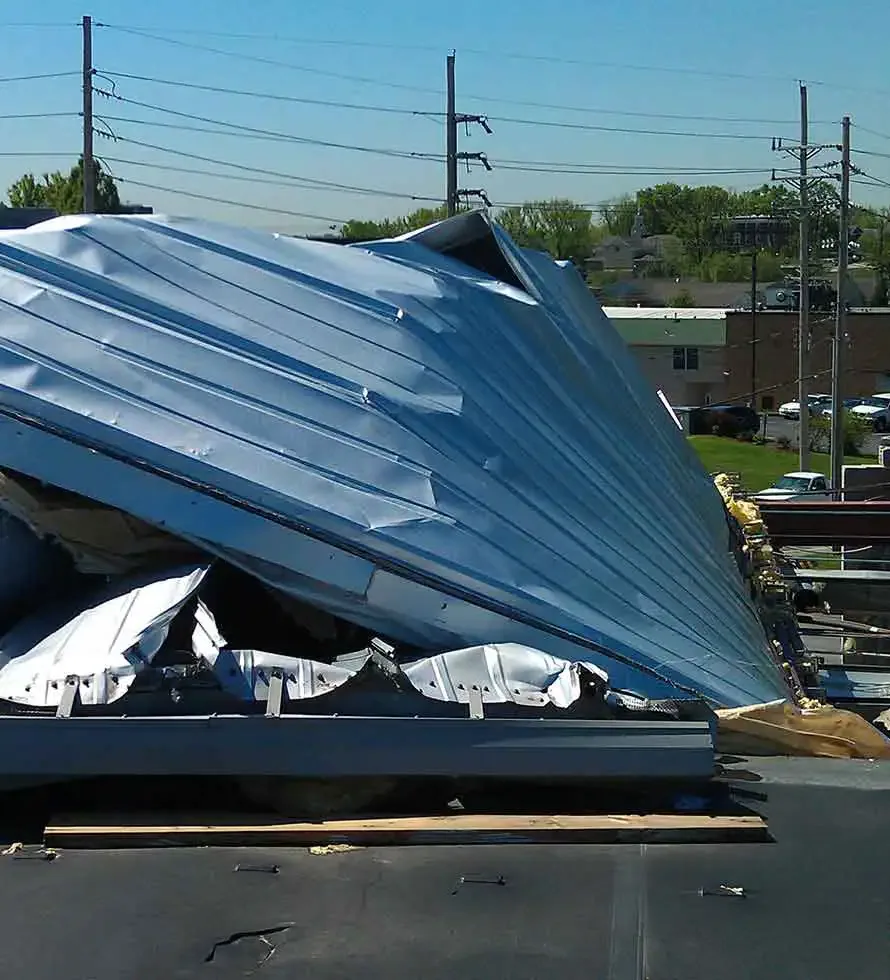
A storm can interrupt a Tyler roof schedule before the next zone is ready to close. The area’s July normal high is 94.5°F, so adhesion-sensitive repairs also need a current substrate reading and a suitable work window. We document the observed condition, define temporary protection, and map the roof area requiring follow-up. The owner receives a field record that separates emergency stabilization from the permanent repair package and identifies any open test or approval point.
Tyler has a documented tornado on June 8, 2021, and the region’s spring and autumn thunderstorms can drop large hail and push damaging gusts. A storm date gives context, but the property’s actual roof condition sets the scope. We inspect edges, seams, penetrations, drains, and rooftop equipment details, photographing the locations and separating observed storm effects from prior wear. The Tyler commercial storm assessment starts with the building, active report, roof plan, access instructions, and the owner’s claim process contact.
Stabilization and safe roof access
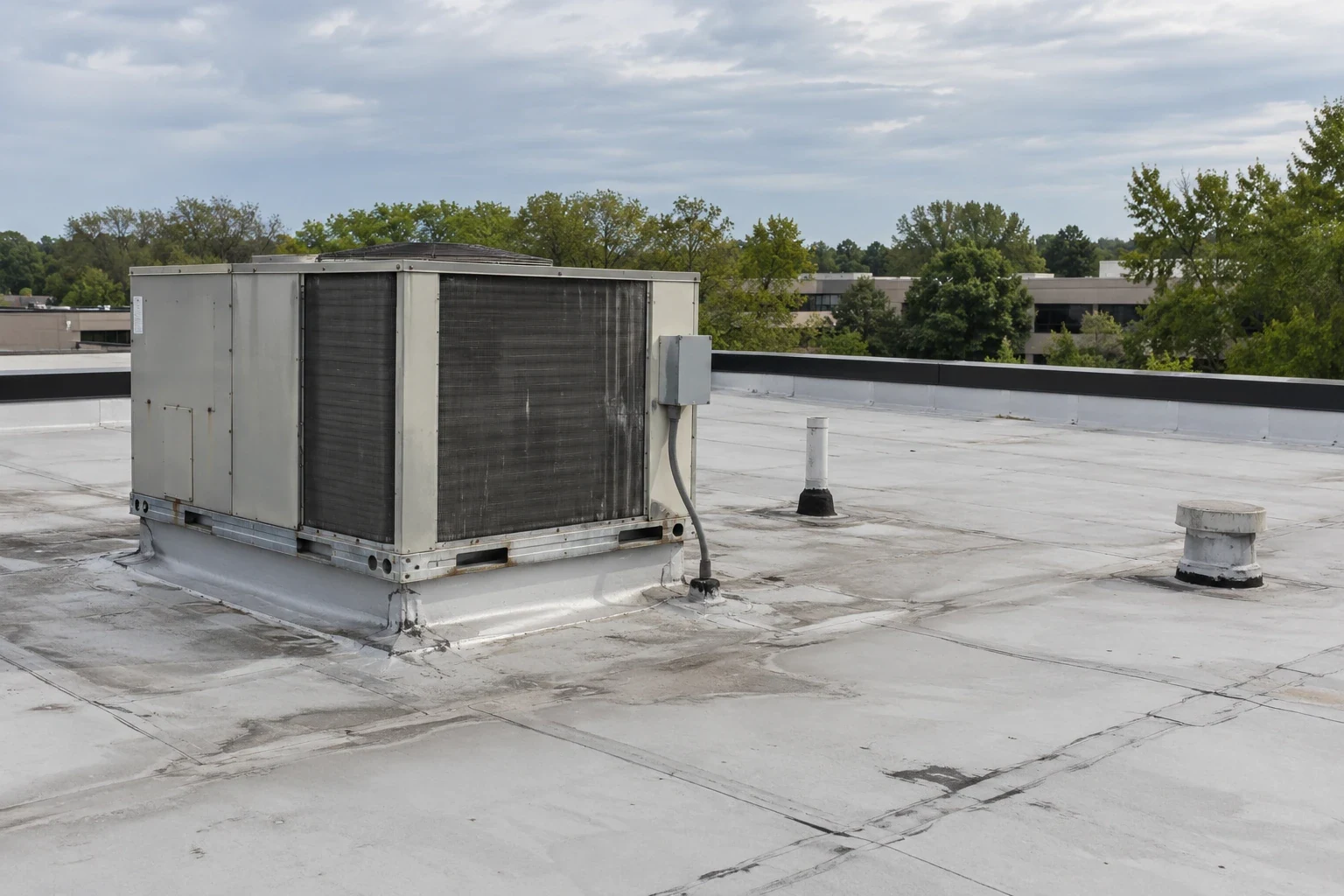
The first work package addresses immediate hazards and water entry. We confirm whether roof access is safe, identify loose or unstable material, check the drain route, and locate the area requiring temporary cover. If conditions prevent entry, that limitation is recorded and the next safe inspection is planned. The building representative identifies affected rooms, equipment, inventory, and public routes below the work so protection can be coordinated before the crew enters the roof.
A temporary measure has an attachment method, drainage effect, and a defined review point. We photograph the stabilized zone and list any remaining exposure or interior protection that the owner needs to monitor. A permanent detail may require additional tests, compatible material, or removal of wet insulation. The handoff states who accepted the temporary work and who will release the next visit. Emergency response does not establish that the full roof is repaired or that every reported area has been tested.
Photographs and observed damage
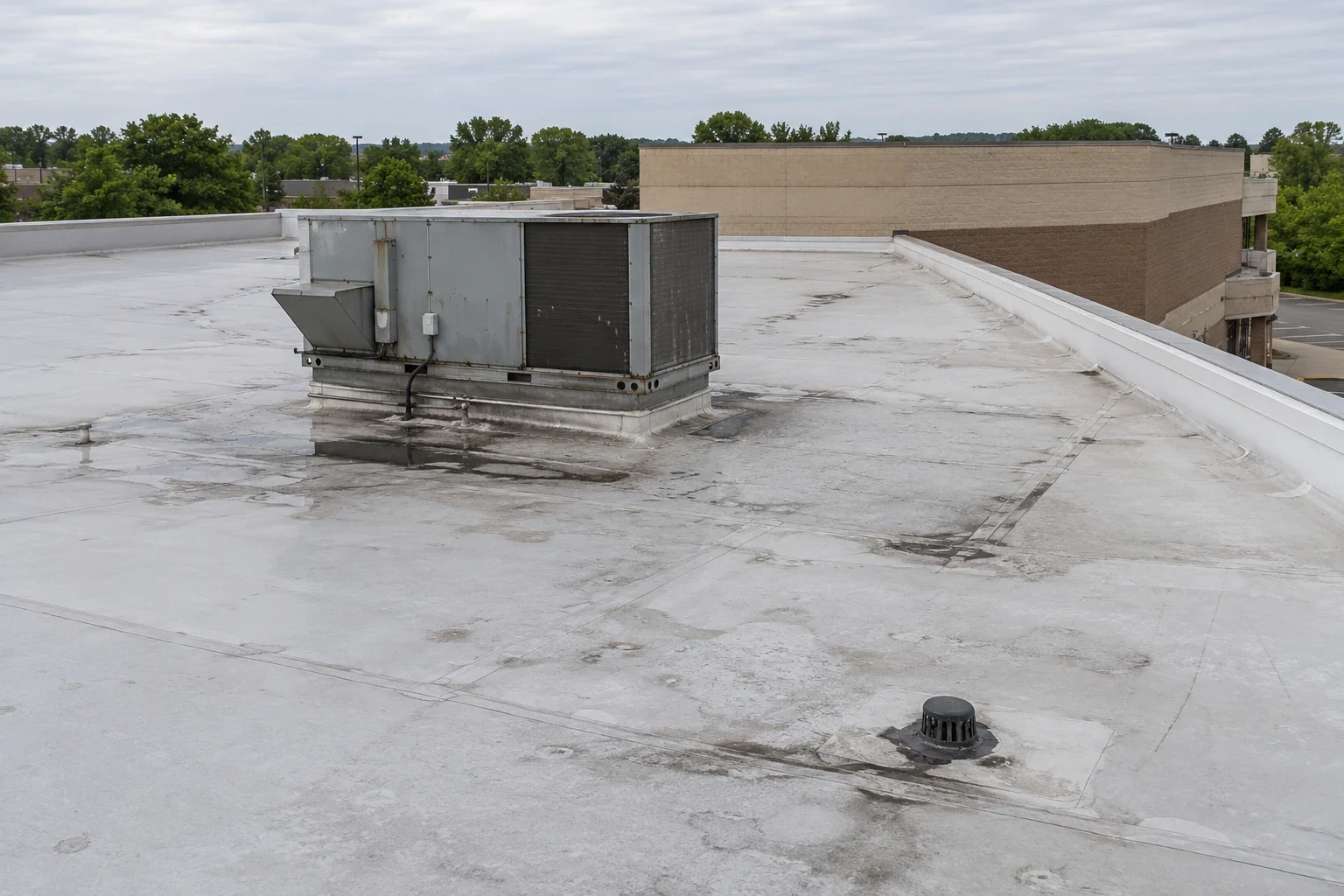
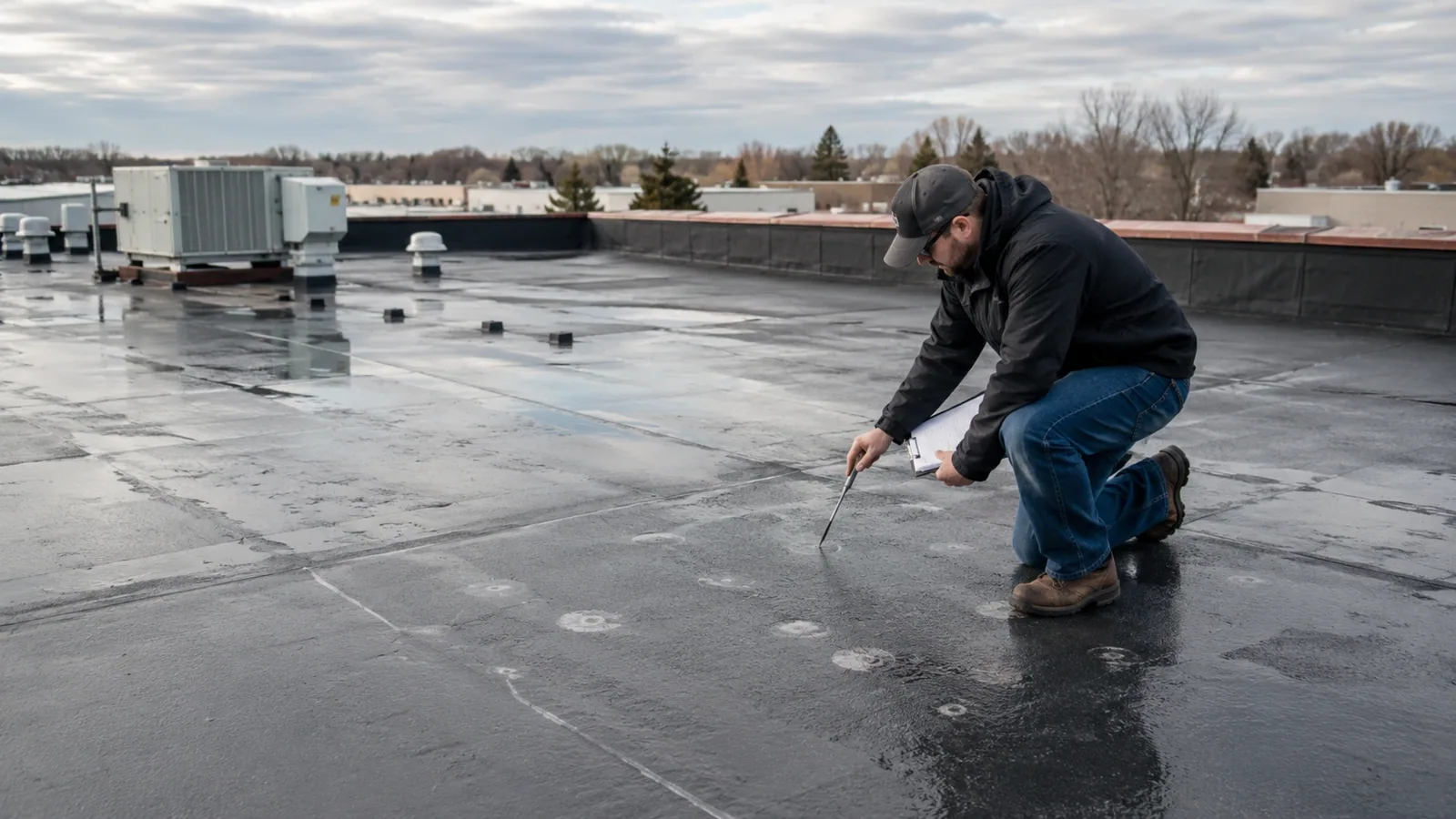
Useful storm documentation records the roof zone, detail, visible condition, and photograph location. We compare the reported leak with edges, seams, curbs, penetrations, and drainage. Water can migrate before appearing indoors, so the ceiling mark is not automatically the roof opening. We note what was directly observed and what needs a test or opening, keeping cause, repair boundary, and concealed quantity distinct for review.
The City’s North End plan pairs commercial development and infrastructure with housing and public safety. The East Grande Boulevard and Old Omen Road study considers network access across east and southeast Tyler. These local areas can help place a facility within the regional response plan, while the property’s gate and roof access remain project-specific. A condition report connects photographs to location, observed condition, recommended work, and open investigation so the owner and adjuster can review the same evidence.
Repair scope and claim records
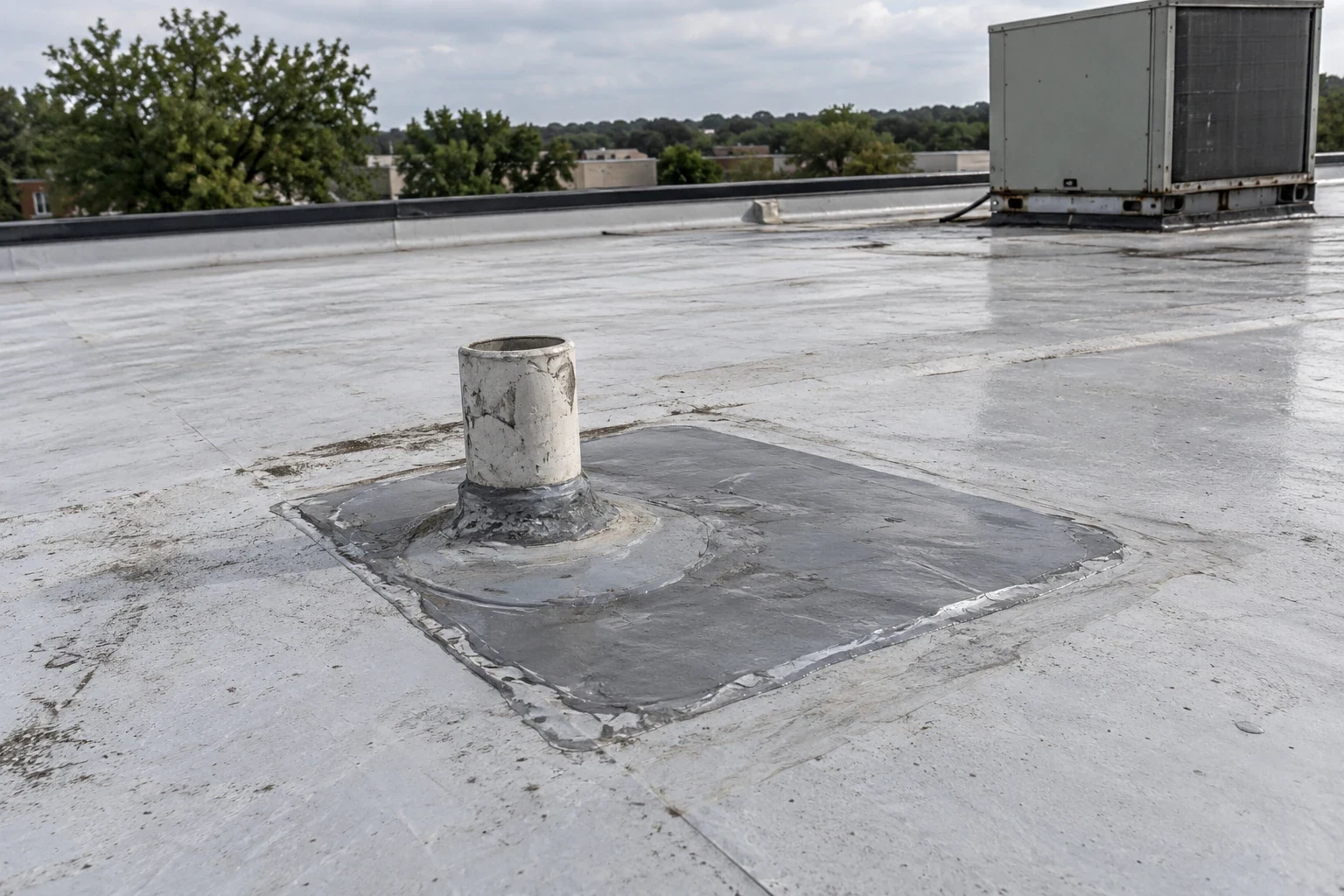
A claim-ready repair description should identify the roof assembly where known, the damaged detail, preparation, replacement materials, tie-in, and any temporary work already completed. We measure the affected area and state where quantities remain concealed. If a test cut reveals wet insulation, damaged cover board, or deck deterioration, we photograph the layers and pause for the owner’s direction before expanding removal. This keeps the proposed permanent scope connected to what was found.
Wind, hail, and tornado observations can differ from ordinary seam fatigue or long-term maintenance concerns. We describe the visible condition without deciding coverage. A roof insurance documentation package can include the inspection record, dated photographs, repair recommendations, and completed work notes. The general contractor handoff lists access, trade sequencing, approval gates, and the party responsible for releasing each work area. Policy interpretation and payment remain with the owner and insurer.
Heat windows and weather delays
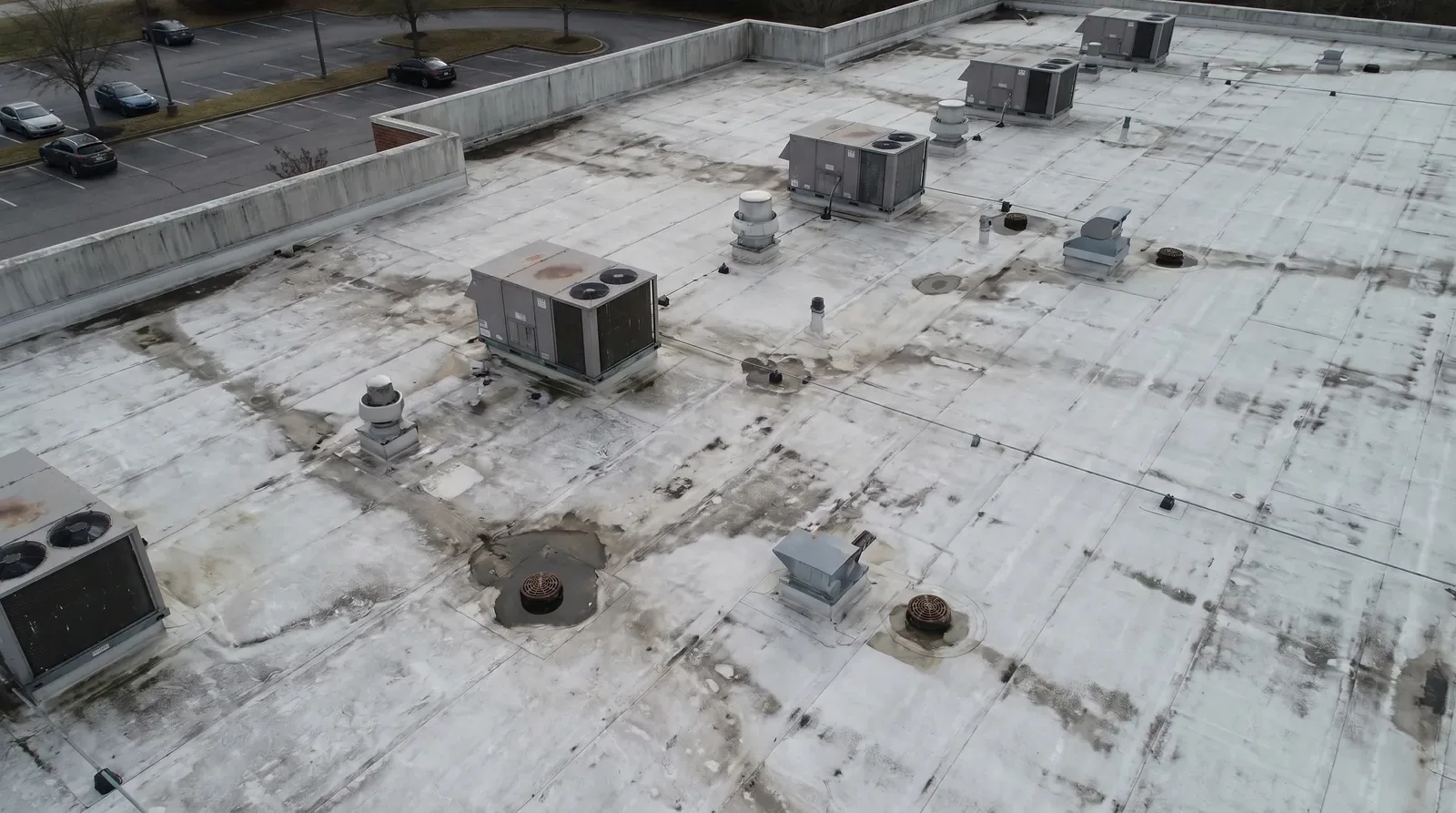
Summer in Tyler has two useful planning reference points: 94.5°F for the normal July high and 84.4°F for the normal monthly mean. Those values help with seasonal planning but cannot release a repair detail. We compare the measured substrate at the actual boundary with the selected product instructions before bonding or coating. If a delay interrupts the sequence, the closeout records which opening is protected, whether the drain path stays clear, and when the next inspection will verify the surface before work resumes.
Hail and damaging winds come mostly with the severe thunderstorms of spring and autumn. After an event, we compare fresh photographs with available prior condition records where supplied. A hail damage review can record the pattern and locations observed; a wind damage review can document displaced edges or openings. Any comparison remains tied to the property’s actual roof, not the storm’s regional footprint.
Permanent repair and restoration choices
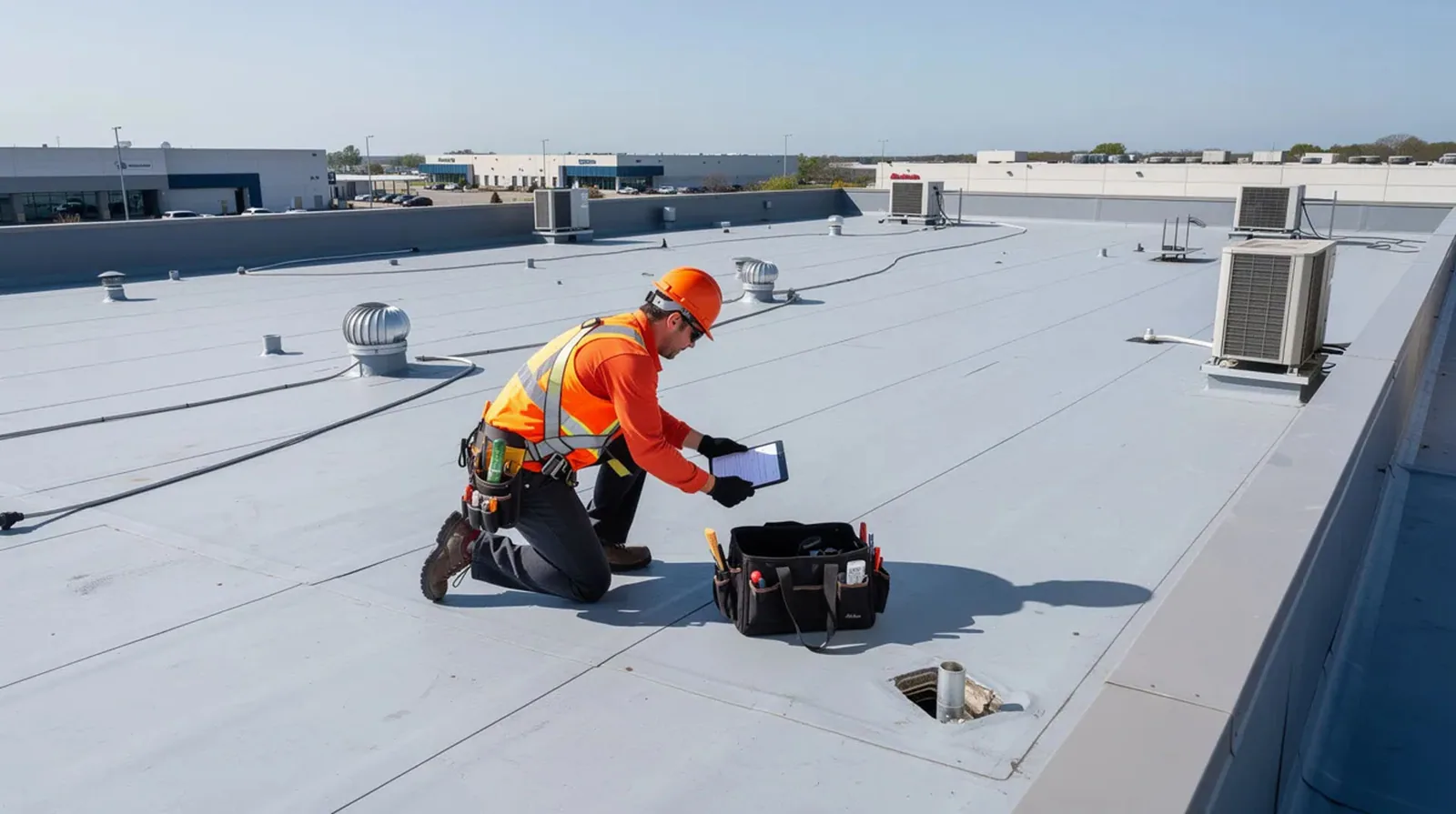
A local seam, penetration, or flashing repair may be appropriate where surrounding material and supporting layers are sound. We define the repair boundary and installation steps, then document completion and any check performed. If damage repeats across zones or moisture is widespread, the owner may compare repair with recover, coating restoration, or replacement. A recover depends on moisture, attachment, drainage, compatibility, and system limitations, so testing may be needed before that option is priced as final.
Replacement work adds removal depth, disposal, insulation, deck repair, perimeter details, equipment transitions, and daily exposure control. A replacement scope identifies the permanent assembly and tie-ins, while restoration needs a suitable substrate and adhesion review. Cost and schedule depend on confirmed quantities, access, tests, and weather windows. We return alternatives with open tests and hold points separated so the owner can approve a defined scope and keep the claim record connected to the field condition.
Closeout and owner handoff
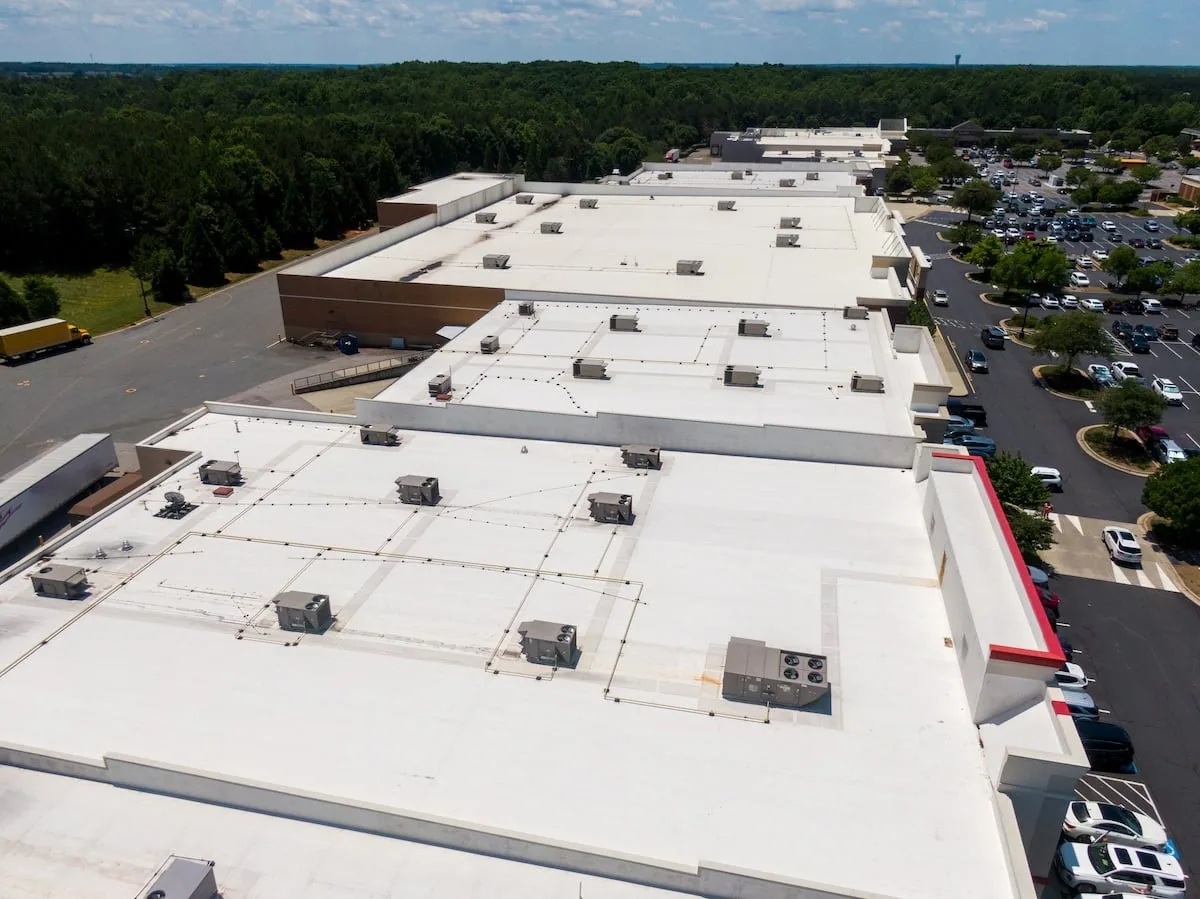
The final record lists the roof zones completed, repair materials, photographs, drain checks, remaining observations, and any temporary protection still active. We identify the person who accepted the work and the contact responsible for monitoring an interim measure. A weather delay or change to the scope appears in the handoff with its reason. These notes help the owner reconcile the inspection, contractor work, and insurer review without treating a submitted claim as a completed repair.
FM 2493 connects Tyler with Gresham, Flint, and Bullard; South Tyler has proposed projects addressing roadway connectivity and congestion. Those corridors can shape project travel planning, though the facility establishes its own access release. A portfolio condition register can retain storm photos, repairs, approvals, and future inspection needs by property. We deliver a work record that identifies what is complete, what remains open, and who owns the next action.
Commercial Roofing Questions
What should I document after storm damage?
Record the storm date as reported, active leaks, affected rooms, roof access restrictions, and safe photographs from the ground or interior. We inspect the roof when access is safe and provide zone photographs, observed conditions, temporary protection, and open tests. The property record stays tied to actual findings.
Does a roof inspection determine insurance coverage?
No. We document roof conditions and repair recommendations. The owner and insurer review policy language and coverage separately. Photographs and measured repair details can support that review, while any untested area remains identified as open.
Is temporary cover the final restoration?
Temporary protection stabilizes a defined opening and has limits for attachment, drainage, and weather exposure. We record those limits and the next inspection. Permanent repair follows after the assembly, substrate, and approved scope are established.
How are pre-existing conditions separated from storm findings?
We photograph each observed location and describe whether the condition appears consistent with impact, movement, deterioration, or another visible issue. Cause may need additional testing. The report separates observation from recommendation and leaves coverage decisions to the insurer.
How does Tyler heat affect restoration work?
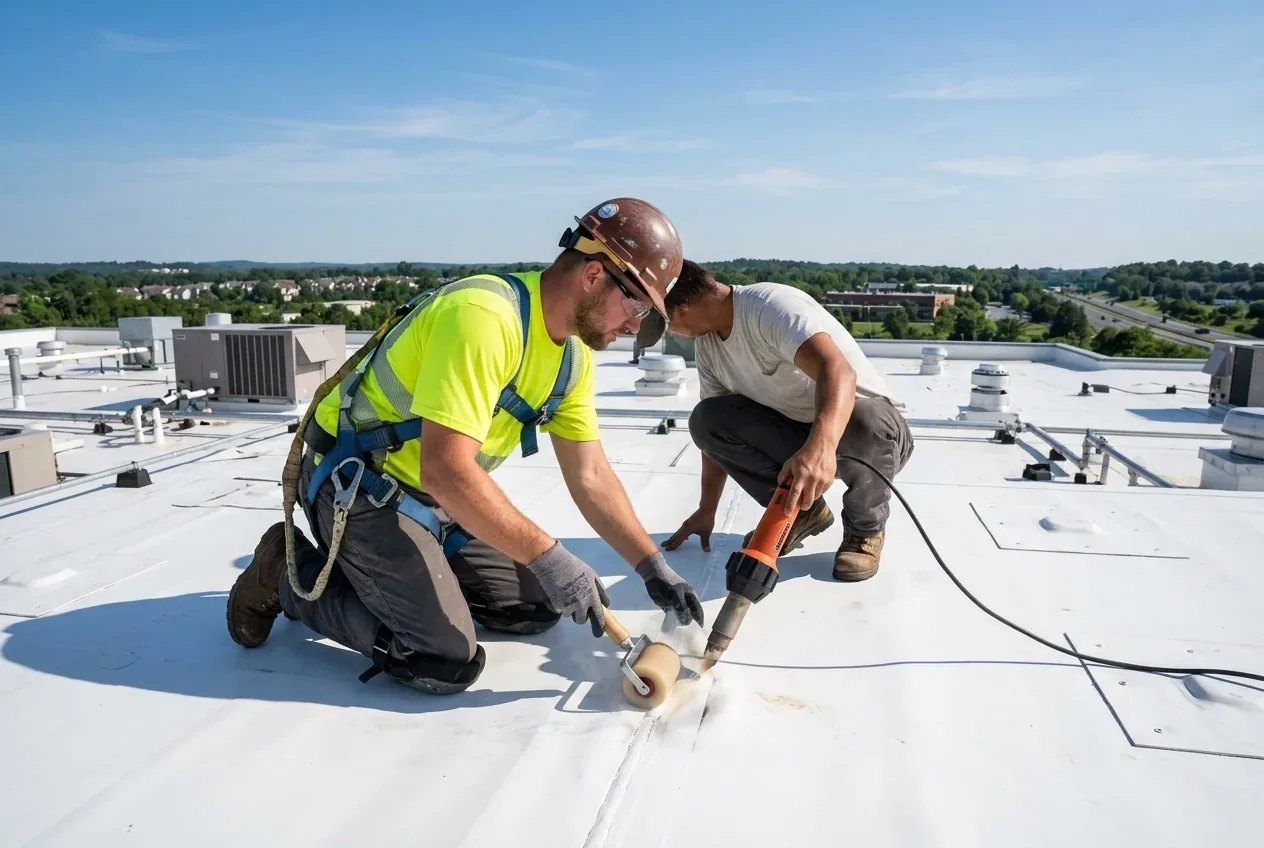
Tyler’s normal July high is 94.5°F, but that figure cannot release a bond or coating step. We compare the measured surface at the repair boundary with the selected material’s allowable range. If conditions fall outside it, the closeout identifies the protected section, open drain path, and return check.
Related Pages
Tyler
Tyler, TX

Commercial Roof Condition Reports
Tyler, TX
Build the storm repair record
Share the property roof plan, reported damage locations, prior condition records, access contact, and claim review deadline. We will document observed conditions, stabilize an exposed area when appropriate, and return a permanent repair scope with open tests identified.